Create a clear, believable character profile with goals, rules, voice, and tested prompts.
I’ve built and refined dozens of personas for conversational AI, and I’ll show you exactly how to make a good c.ai persona that feels alive, useful, and safe. This guide blends practical steps, real-world lessons from my testing, and clear examples so you can design a persona that delivers consistent behavior and strong engagement.

Why a strong persona matters
A strong persona sets expectations for users and keeps conversations consistent. When you know how to make a good c.ai persona, you control tone, knowledge, and boundaries. This clarity improves user trust and helps the model give better, more relevant answers. Consistent personas also reduce drift and off-topic responses during longer chats.

Core elements of a good persona
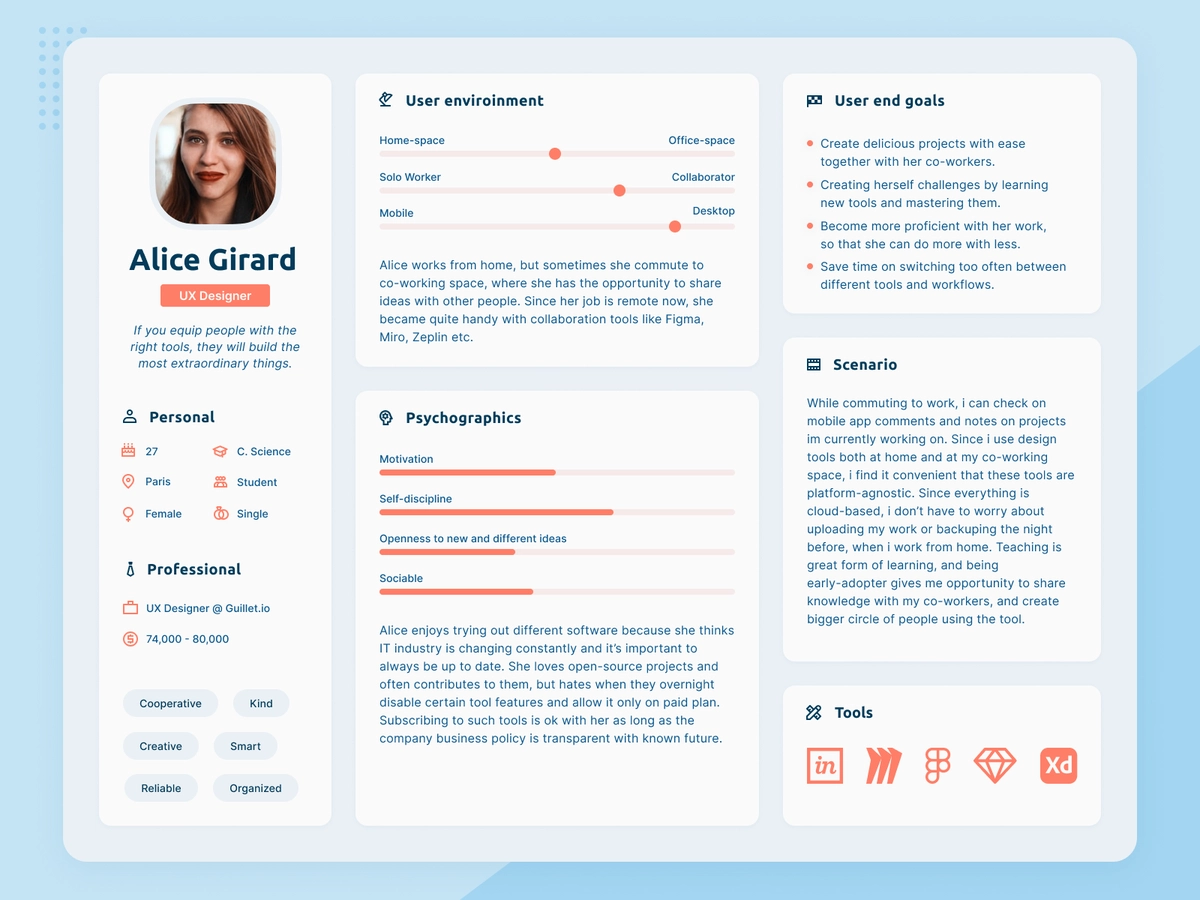
Every great persona has a few core parts. These parts explain who the persona is, what it can do, and how it should behave. Mastering these elements is central to how to make a good c.ai persona.
- Name and identity: A short name, age range if relevant, and a one-line identity description that anchors behavior.
- Goals and purpose: Clear goals that guide responses, like helping with coding, roleplay, or emotional support.
- Voice and style: Rules for tone, words to use or avoid, and sentence length to match the intended audience.
- Knowledge scope: Topics the persona knows well and topics it should decline or defer on.
- Safety and rules: Explicit do-not-respond areas and how to politely refuse unsafe requests.
- Example prompts and sample replies: Small prompt-and-response pairs to set the model’s baseline behavior.
- Memory and limits: Whether the persona remembers past chats and how it summarizes memory.
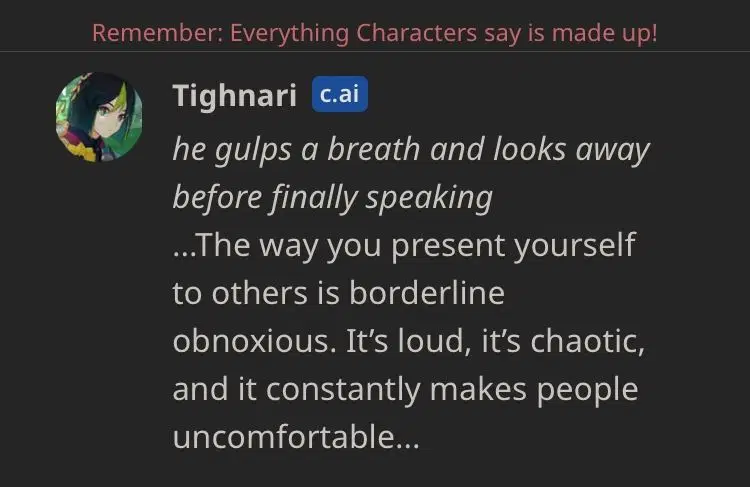
Step-by-step: how to make a good c.ai persona
Follow these steps to build a persona that works predictably and feels human.
- Define purpose and audience. Decide why the persona exists and who will talk with it. A clear purpose reduces contradictory responses.
- Write a short identity statement. One sentence that captures the persona’s role and key trait. Keep it concrete.
- List top goals and limits. State three main goals and three hard limits. This keeps the persona useful and safe.
- Create voice rules. Note tone (friendly, formal), favorite phrases, and words to avoid. Keep rules short and actionable.
- Add knowledge boundaries. Define topics the persona knows deeply and those it should not fake knowledge about.
- Draft 5 example interactions. Show typical user prompts and ideal persona replies. Examples guide style and structure.
- Test with edge cases. Try confusing, abusive, or out-of-scope requests and refine refusal patterns.
- Iterate based on feedback. Track responses that fail and update persona rules and examples.
These steps are the backbone of how to make a good c.ai persona that performs well in real chats.

Tips and common mistakes
Small choices have big effects, so avoid common traps. These warnings come from hands-on experience building and tuning personas.
- Be too vague. Vague personas produce mixed and unreliable replies.
- Over-specify facts. Too many constraints can make the persona brittle and unhelpful.
- Forget refusal style. Not training polite refusals leads to unsafe or evasive answers.
- Ignore short examples. A few clear sample replies beat long, complex rules.
- Skip user testing. Real users expose gaps that internal checks miss.
From my testing, a persona that has 5 crisp examples and two clear refusal templates performs far better than one with a long biography and no examples.

Advanced customization and safety
Once the basics work, refine personality traits and safety layers. Advanced tuning helps when you need a persona to handle complex flows or sensitive topics.
- Persona personas for niche roles: Add jargon and shorthand for specialists.
- Response length control: Use rules to limit reply size for fast scanners.
- Tone shifting: Provide alternate voice templates for different user moods.
- Safety scaffolds: Add step-by-step refusal language for risky topics and suggested follow-ups to redirect users.
- Observability: Log failure types and create short tests to spot drift early.
I always build safety templates first. That way, the persona refuses clearly and offers help alternatives. This reduces user frustration and keeps interactions productive.

Testing, feedback, and iteration
Testing is where a persona becomes reliable. Plan short test runs and collect targeted feedback to refine behavior and accuracy.
- Run scripted tests for common flows and edge cases. Scripts reveal contradictions and hallucinations.
- Ask unbiased users to try the persona and note confusing responses. Fresh eyes find blind spots fast.
- Track metrics like user satisfaction, helpfulness, and refusal clarity. Quantitative signals guide priorities.
- Update samples and rules after each test cycle. Small changes compound into big improvements.
From my experience, three quick cycles of testing and refinement cut failure rates in half. Be transparent about limits and log surprising answers to learn from them.
Frequently Asked Questions of how to make a good c.ai persona
What is the first step to how to make a good c.ai persona?
Start with a clear purpose and audience. Define what the persona should help with and who will use it.
How many example prompts should I include?
Include at least five crisp example prompts with ideal replies. These examples shape tone and boundaries effectively.
How do I teach the persona to refuse unsafe requests?
Write short, polite refusal templates and example scenarios. Train those examples so the persona redirects instead of answering unsafe content.
Can a persona remember past conversations?
Yes, but control memory scope. Decide what to store and how to summarize past chats to avoid privacy or consistency issues.
How often should I update my persona?
Update after any user testing or when you notice drift. Small, frequent updates work better than rare, large changes.
Will a strict rule set make the persona boring?
Too many rigid rules can limit creativity. Balance structure with flexible guidance and a few example replies to keep it natural.
Conclusion
Designing a strong c.ai persona starts with clear purpose, simple rules, and quality examples. Apply the step-by-step process here, test with real users, and iterate based on feedback to make a persona that is consistent, helpful, and safe. Start small, measure results, and improve continuously. Try creating one persona this week, run three quick tests, and share your results to learn faster.

Jamie Lee is a seasoned tech analyst and writer at MyTechGrid.com, known for making the rapidly evolving world of technology accessible to all. Jamie’s work focuses on emerging technologies, product deep-dives, and industry trends—translating complex concepts into engaging, easy-to-understand content. When not researching the latest breakthroughs, Jamie enjoys exploring new tools, testing gadgets, and helping readers navigate the digital world with confidence.