Wear them with the pads resting on your cheekbones, just in front of your ears — snug, not tight.
I have tested many models and guided others on how to wear bone conduction headphones for clear sound and safe listening. This guide explains placement, fit, settings, and common mistakes. You will get step-by-step direction, safety tips, and real-life tips I learned from hands-on use. Read on to learn how to wear bone conduction headphones the right way and get the best comfort and sound every day.

Why choose bone conduction headphones
Bone conduction headphones send sound through your skull rather than through the ear canal. This keeps your ears open to outside sound. That makes them great for runners, commuters, and people who need situational awareness.
Benefits include safe awareness, comfort for some ear-health issues, and use with hearing aids in certain setups. Limits include lower bass and potential sound leakage at high volume. I have used them while biking and walking. They helped me hear traffic while listening to podcasts.

Understanding fit and placement
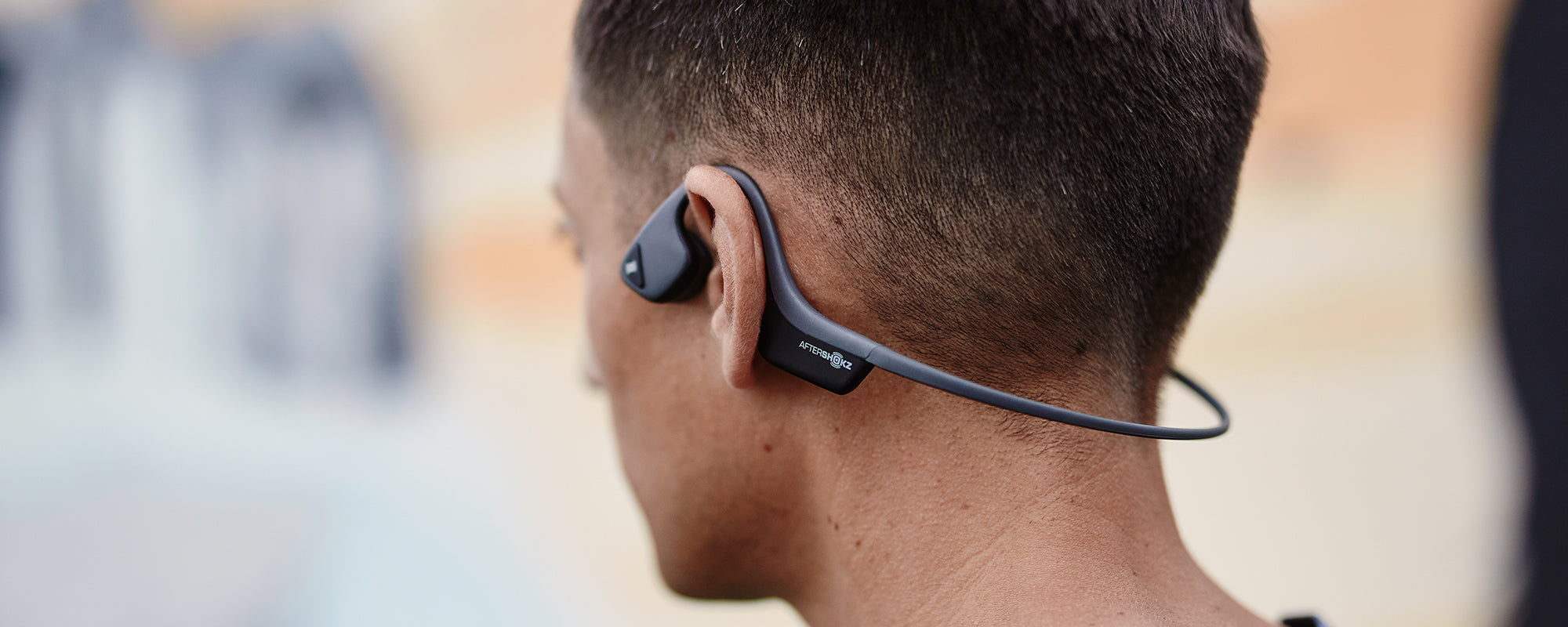
Good fit starts with the frame. Most models wrap behind the head and rest the transducers on the cheekbones. The transducer pads should sit just in front of the ear, touching bone but not pressing the ear itself.
Try this simple check:
- Place the band behind your head.
- Rest pads on the flat part of your cheekbone.
- Move the pads slightly forward or backward until sound is clear.
If sound is muffled, the pads may be too far from bone. If you feel pressure, loosen the band. Proper placement is the key skill in how to wear bone conduction headphones well.

Step-by-step: How to wear bone conduction headphones
Follow these short steps to get a reliable fit and clear sound.
- Turn the device off before you adjust it.
- Slide the band over the back of your head so the controls sit on your preferred side.
- Position each transducer on the flat area of your cheekbone, about an inch in front of your ear opening.
- Tighten or loosen the band so the pads touch bone but do not dig in.
- Power on and play audio at low volume. Fine-tune placement until voices and music sound clear.
I prefer to make tiny shifts while playing audio. Small moves change clarity a lot. This stepwise habit helped me avoid poor placement when I first used bone conduction units.

Tips for better fit and comfort
Comfort matters if you wear them for hours. Use these tips to stay comfy and keep them stable.
- Choose the right size model for your head shape.
- Wear them over a thin hat or under a cap for cold weather without blocking the pads.
- If they slip during exercise, consider a model with a tighter rear band or use an ear hook accessory.
- Clean the pads regularly to avoid skin irritation and to keep contact firm.
From my experience, softer pads can feel nice at first but may slip more during sweat. Stiffer pads often give better sound because they press steadily against the bone.

Sound quality and volume tips
Bone conduction sound differs from in-ear sound. Expect less bass and a more mid-focused tone. Use equalizer settings to boost low end slightly if your device or app allows.
Keep volume moderate. Because bone conduction transmits through bone, loud levels still affect internal ear structures. I listen around 60–70% max for long sessions. If others hear your audio nearby, lower the volume to avoid leakage.
Safety, hearing, and when not to use
Bone conduction headphones are useful, but they are not a cure-all. They do not block loud ambient noise and can still cause hearing strain at high volumes. Avoid very loud listening for long periods.
Do not use them in situations where complete noise isolation is needed, such as heavy machinery or close traffic without extra caution. If you have certain skull or ear conditions, consult a medical professional before frequent use. Studies show bone conduction is safe for many people, but individual cases vary.

Care, cleaning, and storage
Clean pads after workouts to remove sweat. Use a soft cloth dampened with mild soap and water. Do not soak the unit or use harsh chemicals.
Store in a cool, dry place. Charge according to the maker’s instructions and avoid leaving the battery dead for long. Proper care keeps fit and sound consistent over time.
Quick answers (PAA-style)
What is the right placement for bone conduction headphones?
The pads should rest on the cheekbones just in front of the ears, touching bone without pressure.
How tight should the band be?
Snug enough to keep contact but loose enough to avoid soreness. Small adjustments make big audio differences.
Will they block outside noise?
No. They keep ears open so you can hear ambient sounds. Use caution in risky environments.
Frequently Asked Questions of how to wear bone conduction headphones
How close should the transducer be to my ear?
Place the transducer on your cheekbone about an inch in front of your ear. It should touch bone but not press into skin.
Can I wear them while running or cycling?
Yes, you can wear them while running or cycling. Ensure a secure fit and stay aware of traffic and surroundings.
Do they work with glasses or hats?
Most models work with glasses and hats. Try different angles to avoid pressure on your temples or glasses arms.
Are bone conduction headphones safe for long use?
They are safe for many people at moderate volumes. Avoid very loud levels and take breaks during long sessions.
How do I stop them from slipping?
Choose a tighter fit model, add non-slip covers, or try an ear hook accessory. Sweat-resistant models also help.
Can I use them with hearing aids?
Some users combine bone conduction with certain hearing aids. Check compatibility and ask an audiologist if you rely on assistive devices.
Why do I hear low bass poorly?
Bone conduction transmits mid and high frequencies better than deep bass. Use an equalizer to boost lows slightly for a fuller sound.
Final thoughts
Wearing bone conduction headphones well means placing the pads on your cheekbones, finding a snug but gentle fit, and tuning volume for clear sound and safety. Practice placement while playing audio and make small adjustments to find what works best for you. Try these steps on your next walk or workout to compare comfort and awareness.
Take one small action today: test placement for five minutes and note clarity. If you liked this guide, leave a comment or share your experience.

Jamie Lee is a seasoned tech analyst and writer at MyTechGrid.com, known for making the rapidly evolving world of technology accessible to all. Jamie’s work focuses on emerging technologies, product deep-dives, and industry trends—translating complex concepts into engaging, easy-to-understand content. When not researching the latest breakthroughs, Jamie enjoys exploring new tools, testing gadgets, and helping readers navigate the digital world with confidence.