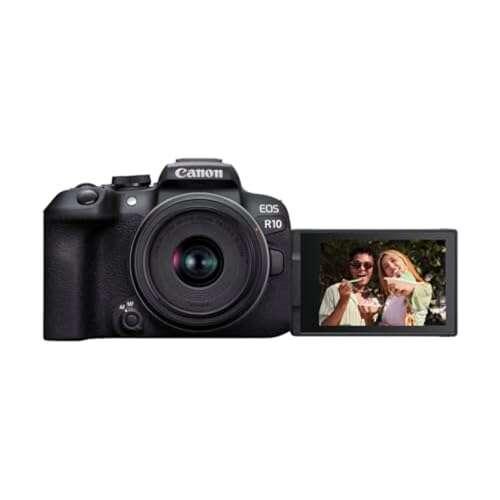
A mirrorless entry-level camera with good autofocus, kit lens, and easy controls is a great start.
I’ve shot for years and taught workshops for beginners. I’ll walk you through exactly what to look for when asking what's a good camera for a beginner. This guide explains features, budget choices, camera types, and real-life tips so you can pick gear that helps you learn fast and enjoy photography.

How to choose a good camera for a beginner
Choosing what’s a good camera for a beginner starts with clear goals. Ask if you want photos, video, travel shots, portraits, or social posts. Think about size, budget, and how much learning you want to do.
Key traits to prefer:
- Ease of use with helpful auto modes and guided menus.
- Reliable autofocus so you get sharp shots without fuss.
- A versatile kit lens, like 18-55mm or 15-45mm, for many scenes.
- Good image quality at everyday ISO levels for low light.
- Some manual controls so you can learn exposure over time.
I often tell students: start with a camera that makes good photos out of the box. Later you can grow into manual modes. If you ask what's a good camera for a beginner, the short real-world answer is a lightweight mirrorless or beginner DSLR with a kit lens and steady autofocus. This gives room to learn and a smooth upgrade path.
Key features that matter most
Beginner needs are simple. Pick cameras with the right features and skip overly complex specs.
Important features:
- Autofocus performance — fast and accurate AF makes shooting fun.
- Image stabilization — useful in low light and for video.
- Sensor size — APS-C sensors balance quality and price well.
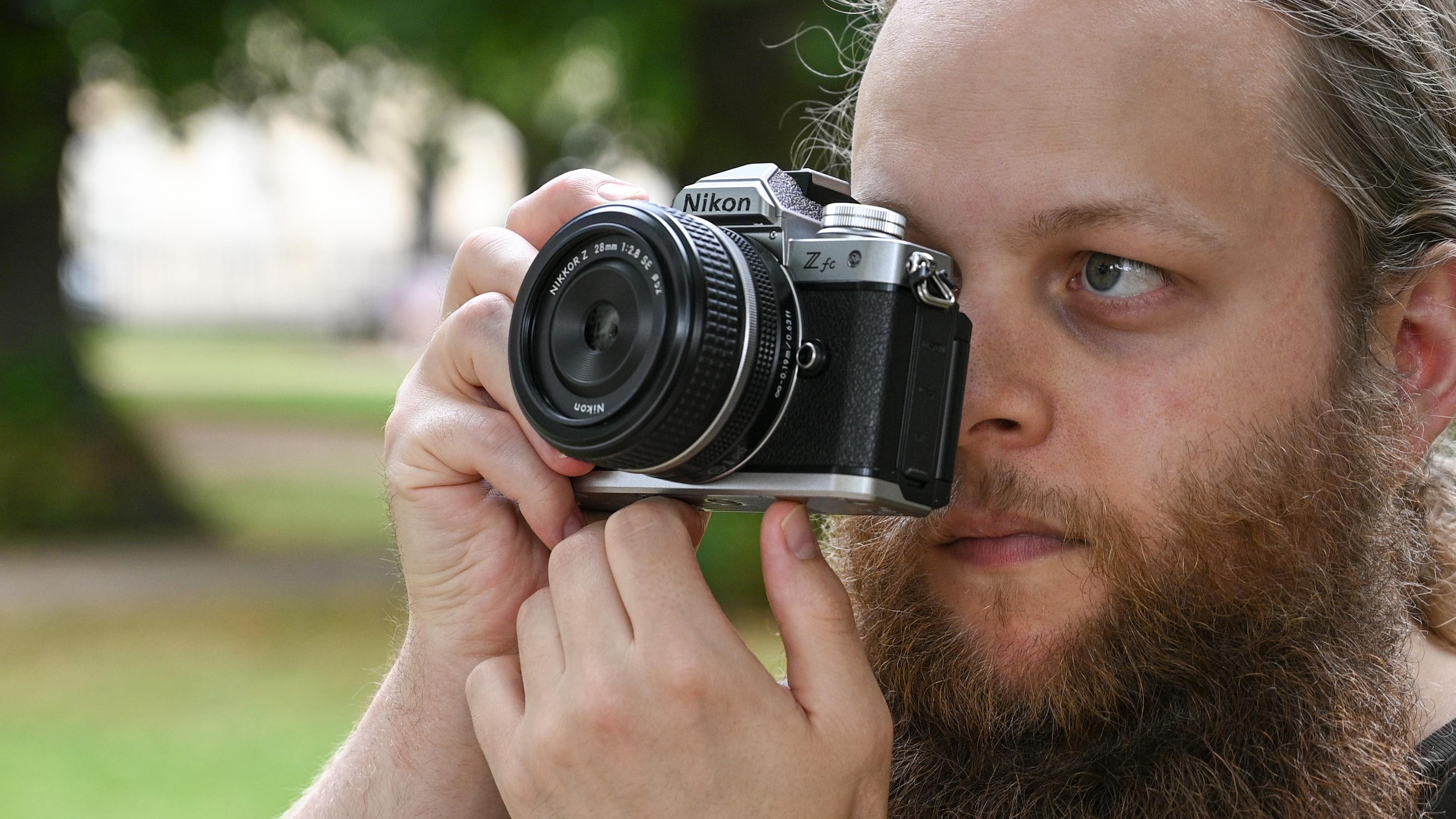
- Ergonomics — a camera that feels good in your hands keeps you shooting.
- Battery life — better battery life means more practice time.
- Lens ecosystem — a few good lenses matter more than megapixels.
Avoid obsessing over megapixels. For learning, ease of use beats raw specs. When someone asks what's a good camera for a beginner, focusing on these real features helps you avoid buyer’s regret.
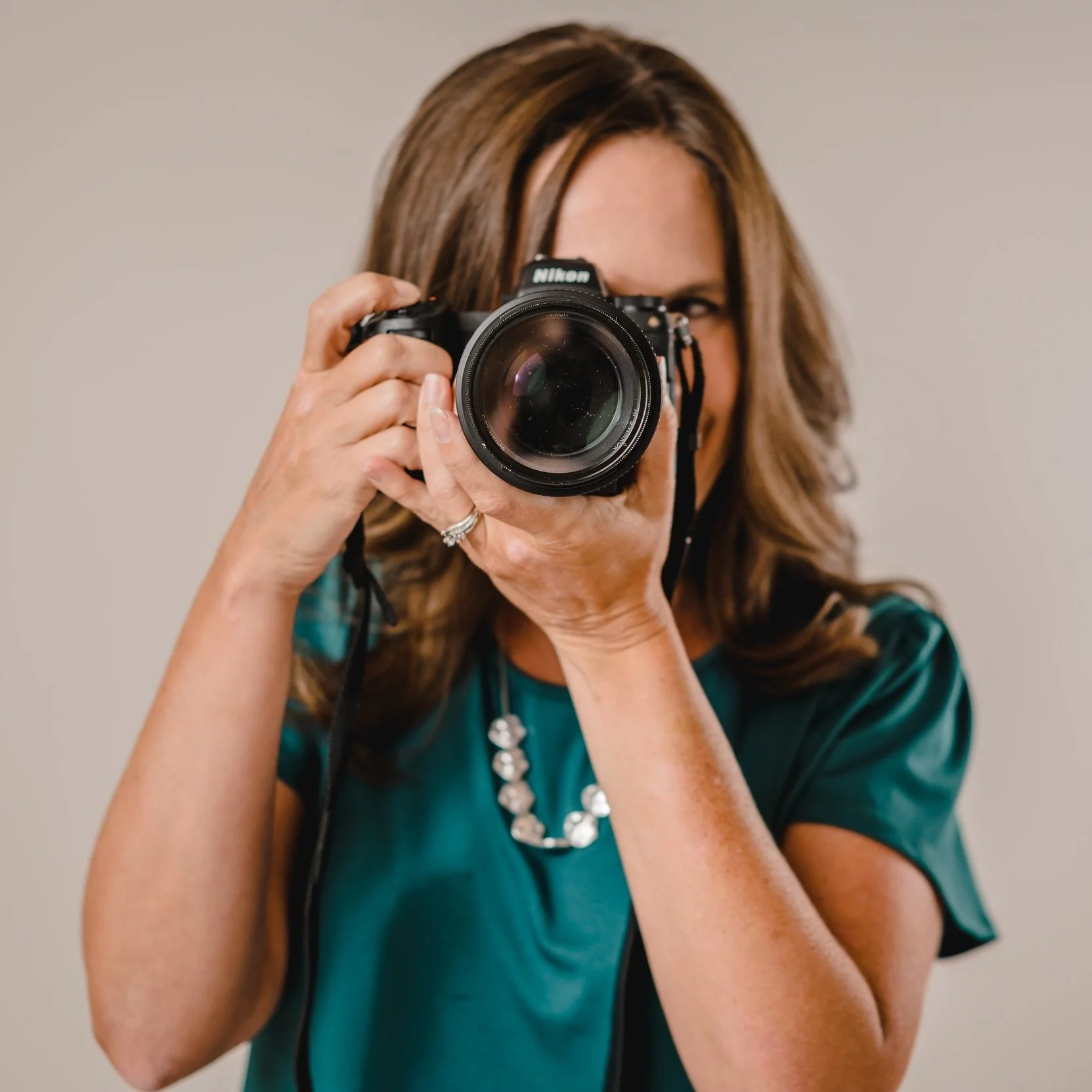
Best beginner cameras by type
Below are reliable picks that often answer the question what's a good camera for a beginner. Each type suits a style of use.
Mirrorless (compact and future-proof)
- Camera A: Lightweight, great autofocus, good kit lens. Great for travel and everyday use.
- Camera B: Simple menus, good image stabilization, and clean video. Ideal for vloggers.
DSLR (sturdy, traditional control)
- Camera C: Solid build, long battery life, and many lenses available. Good for learners who like a grip and optical viewfinder.
- Camera D: Affordable entry DSLR with beginner-friendly modes and reliable autofocus.
Compact point-and-shoot (pocketable ease)
- Camera E: Small, easy to use, with decent zoom. Best if you want no learning curve and carry-everywhere convenience.
Smartphone-style hybrids
- Camera F: Camera with great social-output features and easy wireless sharing. Useful if you want simple posting workflow.
My tests show that mirrorless models often give the best mix of size and modern autofocus. If you want to know what's a good camera for a beginner who plans to shoot both photos and video, mirrorless is usually my recommendation.

Budget tiers and what to expect
Set a realistic budget. Here’s what you can expect at each level.
Under $500
- Entry compacts or used older DSLRs. Good for learning basics and casual use.
$500–$900
- New entry mirrorless or beginner DSLRs with kit lens. Best balance of features and price.
$900–$1,500
- Mid-level mirrorless with better autofocus and stabilization. Good if you plan to grow fast.
Above $1,500
- More advanced bodies and lenses. Great for serious hobbyists and pros, but not required to learn.
When choosing, I recommend buying the best lens you can afford before upgrading the body. Many beginners mistakenly spend more on a body and very little on lenses. That slows learning.
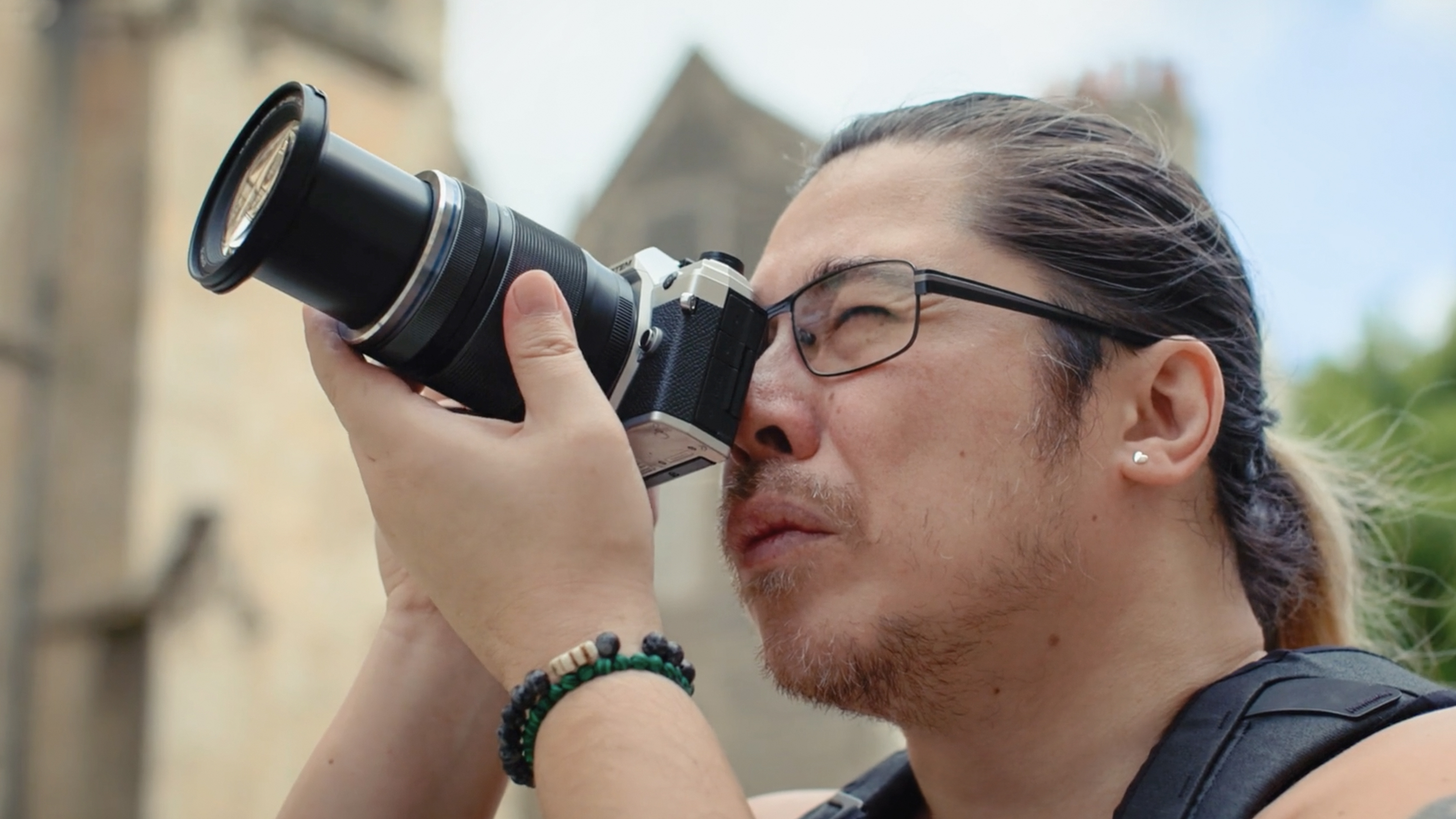
Practical tips, mistakes to avoid, and real-life lessons
I learned from years of teaching what beginners commonly do wrong. Here are practical tips based on experience.
Tips and lessons:
- Start in aperture or shutter priority to learn exposure without full manual stress.
- Shoot the same scene in different modes to see how settings change the image.
- Avoid buying a full-frame body first unless you need it. APS-C is cheaper and easier to handle.
- Rent or borrow lenses before you buy them. It’s a low-cost way to learn preferences.
- Invest in a simple tripod and basic post-processing software.
Common mistakes:
- Chasing the newest model instead of learning fundamentals.
- Buying only zoom power and ignoring lens quality.
- Ignoring ergonomics — a camera that feels bad reduces practice time.
I once recommended a compact mirrorless to a student who wanted travel shots. They later thanked me because the light weight led to more frequent shooting and faster improvement. That practical outcome matters more than chasing specs.

How to test cameras in store or at home
Testing a camera is easy and revealing. Use these steps to find what suits you.
Testing steps:
- Hold the camera and check feel, button reach, and weight.
- Try the menu and auto modes to see if the layout makes sense.
- Take photos at different ISOs and review them on a computer.
- Test autofocus on moving and still subjects.
- Record short video clips to check audio and stabilization.
If you ask store staff what's a good camera for a beginner, also try to get a short demo or rental. Hands-on time reduces buyer’s remorse.
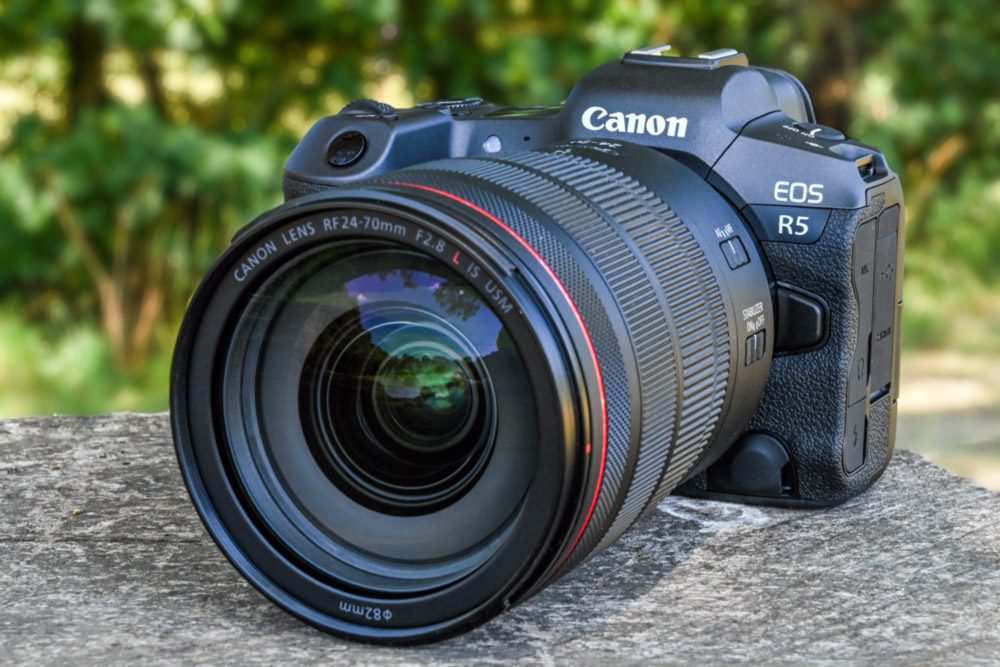
Lens and accessory basics for beginners
A camera is only part of the kit. These accessories keep learning smooth.
Essential accessories:
- A good kit lens that covers wide to short telephoto.
- Extra battery and a small bag.
- Tripod for low light and stable video.
- UV or clear filter for lens protection, if desired.
- Simple editing software to learn basic color and crop.
Later, add a prime lens like a 50mm for portraits and low-light practice. Upgrading lenses will improve your images more than upgrading a camera body.

When to upgrade and how to choose the next step
You’ll know it's time to upgrade when you hit limits that affect your work. Signs include slow autofocus, weak low-light performance, or a need for specific lenses.
Upgrade considerations:
- Assess what you can’t do with your current gear.
- Choose the body or lens that solves the key limit.
- Keep an eye on used gear to save money on solid upgrades.
If you’re still asking what's a good camera for a beginner after a year or two of shooting, your next step should be guided by what you shoot most.
Frequently Asked Questions of what's a good camera for a beginner
What's the easiest camera type for beginners to learn on?
Mirrorless cameras are often easiest. They offer clear live preview, simple auto modes, and modern autofocus that helps you get good shots quickly.
Do I need a big sensor to take good photos?
No. APS-C sensors deliver excellent quality for most uses and are cheaper. Full-frame helps in low light but costs more.
Is a kit lens enough to get started?
Yes. A kit lens covers common focal lengths and helps you learn composition. Add primes later to expand creative options.
Should beginners buy new or used cameras?
Used gear can be a smart way to get quality for less money. Check the camera’s condition and shutter count before buying.
Can I learn photography with a smartphone instead of a camera?
Smartphones are great for learning framing and light. However, a dedicated camera gives more control, better image quality, and room to grow.
How important is video if I'm a beginner photographer?
Video matters if you plan to make clips or vlogs. Many mirrorless cameras handle both well. If not, focus on stills first.
How many megapixels do I need as a beginner?
You don’t need many megapixels. 16–24MP is plenty for prints and online sharing. Focus on sensor quality and lenses instead.
Conclusion
Picking what’s a good camera for a beginner comes down to goals, ease of use, and room to grow. Start with a mirrorless or beginner DSLR that has strong autofocus, a versatile kit lens, and simple menus. Practice consistently, try different settings, and invest more in lenses and learning than in chasing specs.
Take action now: try a camera in hand, rent a model for a weekend, or join a local photo walk. Share your results, ask questions, and keep shooting—progress comes from practice. Leave a comment with what you plan to shoot first or subscribe to get more hands-on tips.

Jamie Lee is a seasoned tech analyst and writer at MyTechGrid.com, known for making the rapidly evolving world of technology accessible to all. Jamie’s work focuses on emerging technologies, product deep-dives, and industry trends—translating complex concepts into engaging, easy-to-understand content. When not researching the latest breakthroughs, Jamie enjoys exploring new tools, testing gadgets, and helping readers navigate the digital world with confidence.