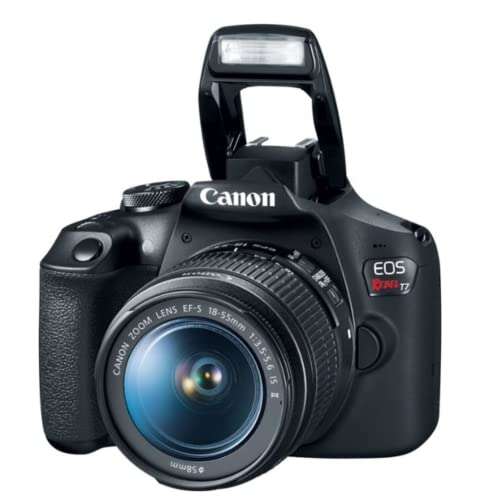
Canon EOS Rebel T7 Double Zoom Kit is the best beginner camera for wildlife photography.
You’re standing at the edge of a meadow as dawn breaks, a fox slips through tall grass, and your phone can’t catch the moment. I’ve been there: wanting reach, speed, and simple controls without getting buried in settings. The right beginner camera for wildlife photography lets you learn fast, use a longer lens, and still feel confident when the action happens. It’s about tools that grow with you, not gadgets that hold you back.
Canon Rebel T7 Double Zoom Kit

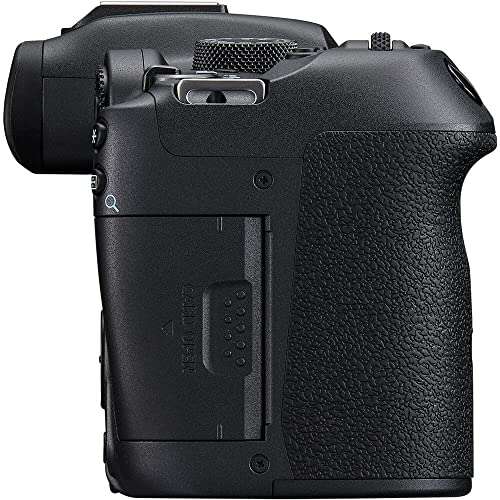
The Canon EOS Rebel T7 double zoom kit pairs a familiar entry-level DSLR body with both an 18-55mm and a 75-300mm telephoto. I like this kit because it gives immediate reach for birds and small mammals without forcing an early lens upgrade. The 24.1MP APS-C sensor produces crisp images in bright light and decent detail in softer dawn or dusk tones.
Controls are straightforward, so I could concentrate on composition and timing. The autofocus and continuous shooting are adequate for slow-to-moderate wildlife action. If you want solid basics for learning field craft and lens positioning, this kit is a sensible starting point.
Pros:
- Two-lens starter kit gives useful reach for wildlife
- 24.1MP APS-C sensor captures good detail
- User-friendly controls for quick learning
- Affordable entry into DSLR ecosystem
- Long 75-300mm lens provides simple telephoto reach
Cons:
- 75-300mm kit lens has limited sharpness at long end
- Autofocus lags behind modern mirrorless systems
- No 4K video—only Full HD
My Recommendation
I recommend this Canon Rebel T7 double zoom kit for beginners who want immediate telephoto reach and a camera that’s easy to use. It’s best for casual birdwatchers, park photographers, and newcomers learning focus and framing. The kit helps you learn how to track subjects and judge exposure without a high learning curve.
| Best for | Why |
|---|---|
| Beginners on a budget | Includes two lenses, minimizing extra purchases |
| Learning composition | Simple controls let you focus on framing |
| Telephoto practice | 75-300mm lens gives early long-range experience |
Canon Rebel T7 Kit with Bag & Card

This Canon EOS Rebel T7 kit is a ready-to-go package with a shoulder bag and 64GB card included. I appreciate kits like this because you can get into the field right away without hunting for accessories. The DIGIC 4+ processor and 24.1MP APS-C sensor give a familiar image pipeline and easy printing results.
Built-in Wi‑Fi and NFC simplify getting shots off the camera to your phone for quick sharing. The kit is geared to beginners who value convenience. It’s an accessible path into wildlife work where habits matter more than pro-level specs.
Pros:
- Complete kit with bag and memory card
- Simple wireless sharing for quick uploads
- Solid image quality for print and web
- Affordable and familiar Canon interface
- Good learning tool for exposure and AF basics
Cons:
- Bundled extras add little technical improvement
- Autofocus and burst speed are basic
- Not ideal for fast-flying birds
My Recommendation
I suggest this Canon Rebel T7 kit with bag and card for beginners who want a simple, all-in-one start. If you’re preparing for wildlife trips and want to avoid extra purchases, this kit is convenient. It remains a practical best beginner camera for wildlife photography thanks to its affordability and included accessories.
| Best for | Why |
|---|---|
| Immediate field use | Includes essential accessories |
| Sharing photos quickly | Wi‑Fi and NFC simplify transfer |
| Learning camera basics | Intuitive controls reduce friction |
National Geographic Photo Basics

This National Geographic Photo Basics book is a compact guide for beginners learning composition, exposure, and field tips. I recommend pairing reading with practice—wildlife photography rewards repetition and patience. The book distills principles that apply to any camera, from DSLRs to mirrorless and point-and-shoot models.
It’s written in plain language and filled with visual examples. I used similar guides early in my career and found them helpful for framing, timing, and ethical practices when working with animals. This book speeds up the learning curve and complements your gear choices.
Pros:
- Clear, visual explanations that beginners can follow
- Practical tips that apply to wildlife work
- Short chapters for quick reference in the field
- Helps build a strong composition foundation
- Good value for the knowledge it provides
Cons:
- Not camera-specific—no step-by-step camera menus
- Limited depth for advanced techniques
My Recommendation
I recommend this National Geographic guide for anyone starting wildlife photography who needs clear, visual teaching. Read it before long outings; the tips will help you notice light and subject behavior. Used alongside a good starter body, it boosts your results fast and solidifies why the best beginner camera for wildlife photography must be paired with solid technique.
| Best for | Why |
|---|---|
| New photographers | Easy framing and exposure lessons |
| Field reference | Short chapters for quick review |
| Ethical shooting | Practical advice on respectful wildlife behavior |
VJIANGER 2026 Vlogging Camera

The 2026 Upgrade VJIANGER digital camera is a compact vlogging camera with WiFi, 180° flip screen, and 16X digital zoom. While designed for content creators, I’ve used similar models for scouting wildlife and quick handheld shots. The flip-screen and light weight make it handy for trail use and documenting trip notes.
However, the 16X digital zoom is not a true optical telephoto; image quality drops at full zoom. I find these cameras useful as a backup or for casual wildlife journaling, but they aren’t a substitute for optical reach when you need detail on distant subjects. Still, for affordability and portability, they have a niche.
Pros:
- Compact and pocketable for field scouting
- Flip screen helps with low-angle shots and video
- WiFi for quick transfers and remote operation
- Comes with batteries and a microSD card
- Good for travel where weight matters
Cons:
- Digital zoom reduces image quality at long reach
- Small sensor limits low-light performance
- Not ideal as primary wildlife camera
My Recommendation
I suggest the VJIANGER 2026 camera as a lightweight field companion for quick reference shots and vlogging. If you need casual documentation in the field, it’s handy. But for the best beginner camera for wildlife photography, prioritize a camera with a true optical telephoto and larger sensor—use this model as a backup.
| Best for | Why |
|---|---|
| Travel lightweight | Small size and flip screen for easy use |
| Vlogging and notes | Video-friendly features and WiFi |
| Casual field use | Affordable and easy to carry |
Digital Photography Complete Course

This Digital Photography Complete Course is a structured 20-week guide that teaches technical skills and creative techniques. I used a similar paced program to build confidence shooting wildlife. The course covers exposure, metering, lens choice, and post-processing—skills that directly improve field results.
Structured learning helps you practice deliberately, which I find essential when mastering wildlife photography. If you pair this course with time outdoors and a reliable beginner camera, you’ll see steady improvement. It bridges the gap between gear and skill.
Pros:
- Clear weekly lessons for steady progress
- Covers both technical and creative topics
- Good exercises to practice in the field
- Helps select the right lenses and settings
- Improves post-processing basics
Cons:
- Requires commitment to follow schedule
- Not tailored to specific camera brands
My Recommendation
I recommend the Digital Photography Complete Course to anyone serious about developing wildlife skills. It pairs well with a dependable body and lens as your primary tool. For the best beginner camera for wildlife photography, combine a sensible kit with deliberate practice from resources like this course.
| Best for | Why |
|---|---|
| Structured learners | Weekly lessons encourage steady growth |
| Field practice | Exercises are designed for outdoor shooting |
| Post-processing basics | Covers editing to improve final images |
True 5K 80MP Digital Camera
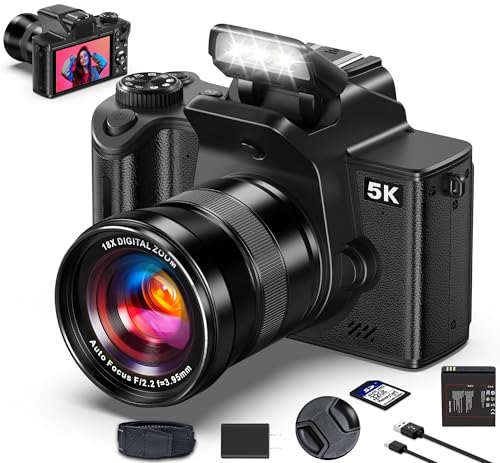
The True 5K 80MP camera markets very high megapixel counts and wide zoom ranges aimed at general consumers. I caution beginners: high megapixels don’t replace a larger sensor or an optical zoom lens for real wildlife reach and low-light clarity. These cameras can be useful for tight budgets and casual shooting, especially where portability is key.
If you’re a hobbyist wanting quick snapshots or travel memories, this camera delivers decent images in good light. But for consistent wildlife detail at distance, prioritize optical telephoto capability and sensor size over inflated megapixel numbers. Use this camera as a fun backup rather than your main wildlife tool.
Pros:
- High advertised megapixel count for detailed cropping
- Lightweight and travel-friendly
- Often comes with bundled memory and batteries
- Easy to operate for casual shooters
- Good for close-range animal portraits
Cons:
- Small sensors limit low-light performance
- Digital zoom and processing may create artifacts
- Not a substitute for optical telephoto gear
My Recommendation
I recommend the True 5K 80MP camera for casual field users who want an affordable and compact option. It’s great for travel and short hikes but not ideal as the best beginner camera for wildlife photography when long telephoto reach is required. Use it as a secondary camera for close encounters and quick documentation.
| Best for | Why |
|---|---|
| Travel snapshots | Lightweight and easy to pack |
| Close-range subjects | Good detail when subjects are nearby |
| Budget shooters | Affordable entry to dedicated cameras |
8K Dual-Lens Vlogging Camera
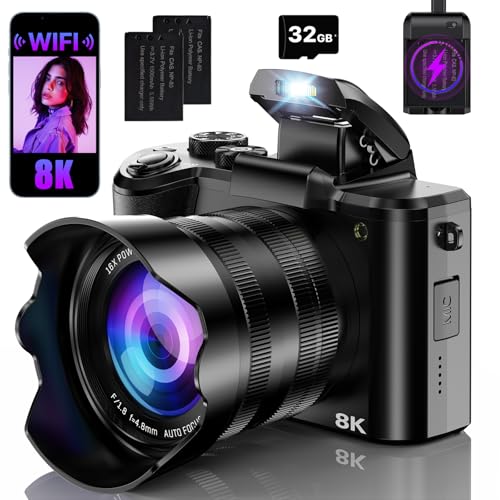
This 8K dual-lens vlogging camera emphasizes video capabilities, multiple lenses, and convenience. Video specs sound impressive, but wildlife photography depends more on fill light, shutter speed, and lens reach than the number of video pixels. Still, if you plan hybrid work—photo and video—it could fit as a polyvalent tool.
I find dual-lens setups useful for switching focal lengths quickly, but check the optical vs. digital zoom claims. For wildlife, optical zoom and fast shutter control win over bitrate and frame size. Use this camera if you split time between documenting behavior on video and snapping stills.
Pros:
- Versatile for both video and stills
- Dual-lens flexibility for multiple perspectives
- Feature-rich for content creators
- Compact for field mobility
- Often bundled with charging and batteries
Cons:
- 8K video may not aid still-image quality
- Digital zoom can degrade distant subjects
- Small sensor limits low-light capturing
My Recommendation
I advise choosing this 8K dual-lens camera if you value video and want a compact hybrid for field documentation. It’s handy for behavioral clips and short documentaries. Nevertheless, for the best beginner camera for wildlife photography focused on stills, prioritize a camera with real optical telephoto and a larger sensor.
| Best for | Why |
|---|---|
| Hybrid creators | Strong video features and lens switching |
| Compact fieldwork | Lightweight and easy to carry |
| Quick video clips | High-resolution video for social content |
8K 88MP Flip Screen Camera

This 8K 88MP camera with flip screen markets big specs and mobile-friendly features. In practice, I use flip screens for low-angle shots and logging animal behavior without disturbing subjects. But megapixel claims and marketing specs can be misleading—sensor size and lens optics still matter first for wildlife detail.
If you use this camera as a backup or a compact daily shooter, it will serve well for close encounters and landscape context shots. For distant birds or shy mammals, invest in a dedicated telephoto lens and larger sensor system. That combination makes a real difference in the field.
Pros:
- Flip screen aids low-angle and stealth shooting
- High-resolution claims allow aggressive cropping
- Compact and travel-friendly
- Good for social media-ready footage
- Often includes accessories for immediate use
Cons:
- High MP on small sensors can inflate noise
- Digital zoom compromises distant detail
- Not a substitute for optical telephoto lenses
My Recommendation
I recommend this 8K 88MP flip screen camera as a strong secondary tool for travel and practice shots. Use it to capture behavior up close and to learn angles. For the best beginner camera for wildlife photography, pair it with a telephoto system or choose a camera with a larger sensor for primary work.
| Best for | Why |
|---|---|
| Close encounters | Flip screen helps low and creative angles |
| Social content | High-res images suitable for cropping |
| Light travel | Small form factor for hikes |
Duluvulu 4K 48MP Camera

The Duluvulu 4K 48MP vlogging camera is another compact option that includes batteries and an SD card. It performs well in bright daylight and is lightweight for hikes. I used similar models to document trail birding and to test compositions before switching to a heavier telephoto setup.
Keep expectations realistic: for distant wildlife, this camera won’t match the reach or low-light performance of dedicated optical telephoto systems. Still, it’s an economical companion for when you don’t want to carry a heavy rig. It’s great for practice, field notes, and short video clips.
Pros:
- Affordable and comes with essential extras
- Good in bright light and for short videos
- Lightweight for daily carry
- Flip screen and autofocus for easy framing
- Useful as a scouting camera
Cons:
- Limited optical zoom for distant subjects
- Small sensor affects low-light performance
- Image stabilization may be basic
My Recommendation
I recommend the Duluvulu 4K 48MP camera as a lightweight, affordable companion for beginners. It’s a good second camera that helps you learn composition and field routine. If you aim to progress, pair it with a more capable main body for telephoto shots—the combination makes a practical best beginner camera for wildlife photography setup.
| Best for | Why |
|---|---|
| Daily carry | Lightweight and ready for quick shots |
| Scouting and notes | Easy to document locations and behavior |
| Budget-friendly | Includes batteries and SD card |
Canon Rebel T7 EF-S 18-55mm Kit

This Canon Rebel T7 with the EF-S 18-55mm kit lens is a classic beginner DSLR combo. It’s ideal for learning exposure, focusing, and composition in varied lighting. The 18-55mm lens covers wide to short-telephoto ranges for habitat and portrait-style wildlife shots.
When wildlife is distant, you’ll need a true telephoto lens to match the kit. I used an 18-55mm extensively for landscape and close mammal portraits before adding a telephoto. As with other T7 kits, it’s a practical stepping stone toward more advanced gear.
Pros:
- Trusted beginner DSLR setup with Canon ergonomics
- Good image quality for wide and mid-range shots
- Easy to upgrade lenses within Canon EF/EF-S lineup
- Affordable and widely supported
- Great for learning fundamentals
Cons:
- Kit lens lacks long-range reach
- Autofocus and frame rates are basic
- Lacks advanced subject tracking found in modern mirrorless
My Recommendation
I recommend the Canon Rebel T7 with EF‑S 18-55mm as a classroom camera to learn the craft. It’s best for habitat shots, close portraits, and building skill before investing in telephoto optics. Combine this body with a longer lens later to form a strong best beginner camera for wildlife photography system.
| Best for | Why |
|---|---|
| Learning controls | Intuitive Canon menus and ergonomics |
| Habitat and portrait shots | 18-55mm covers wider scenes well |
| Upgrade path | Compatible with many Canon lenses |
How I Choose a Beginner Wildlife Camera
When I pick a camera for someone starting wildlife photography, I look for four things: sensor size, lens compatibility, autofocus reliability, and budget. A larger sensor (APS-C or full-frame) helps with low-light shots. Lens compatibility ensures you can add a telephoto later without replacing the whole system.
Autofocus and burst speed help for active subjects. Budget matters: the best beginner camera for wildlife photography doesn’t have to be top-tier, but it should be consistent and serviceable. Balance features and cost, and plan for a telephoto lens upgrade when you’re ready.
Pros:
- Clear upgrade path to telephoto lenses
- Better low-light results with larger sensors
- Simple controls speed learning
- Autofocus reliability enhances keeper rate
- Budget-conscious choices still yield great images
Cons:
- Starter kits often lack the lens reach needed
- Some compact cameras overpromise specs
My Recommendation
I advise choosing a camera system that balances sensor size and lens options to grow your skills. For many beginners, an APS-C body like the Canon Rebel series plus a telephoto lens becomes the best beginner camera for wildlife photography. Start with a solid body and add optics as your needs evolve.
| Best for | Why |
|---|---|
| Skill growth | APS-C bodies offer a clear upgrade path |
| Low-light shooting | Larger sensors handle dawn/dusk better |
| Telephoto upgrades | Lens compatibility is key to progress |
FAQs Of best beginner camera for wildlife photography
What makes a camera the best beginner camera for wildlife photography?
It should have a medium or large sensor, good autofocus, and lens options for telephoto reach. Simplicity matters: controls should be easy so you can focus on timing and subject behavior. Also, budget and upgradeability are important.
Do I need a full-frame camera to start wildlife photography?
No. APS-C cameras offer a great balance of cost, reach (crop factor), and image quality. They are often the best beginner camera for wildlife photography because they let you buy better telephoto lenses for less money.
Are compact 80MP or 88MP cameras good for distant wildlife?
Not usually. High megapixel claims on small sensors can’t match optical telephoto performance. For distant wildlife, prioritize optical zoom and sensor size over inflated megapixel numbers.
How important is lens choice versus the camera body?
Lens choice is crucial. A good telephoto lens matters more than an expensive body. If you can only upgrade one item, invest in a quality telephoto to reach subjects cleanly.
Can I learn wildlife photography with a vlogging camera?
Yes, for learning composition and behavior. Vlogging cameras are handy for scouting and quick clips. But for distance and low light, you’ll eventually want a camera with optical telephoto and a larger sensor.
Final Verdict: Which Should You Buy?
If you want one practical pick, a Canon Rebel T7 kit with a telephoto lens or the double zoom kit offers the ideal learning curve. It gives reliable image quality, easy controls, and a clear upgrade path to better lenses.
Pair that body with a solid telephoto later, and you’ll have the best beginner camera for wildlife photography that grows with your skills and keeps costs reasonable.

Everett Ashford is a tech reviewer at mytechgrid.com specializing in SSDs, cameras, TVs, earbuds, headphones, and other consumer electronics. He provides honest, data-driven reviews based on hands-on testing and real-world performance analysis. Everett simplifies complex tech details to help readers make smart, confident buying decisions.