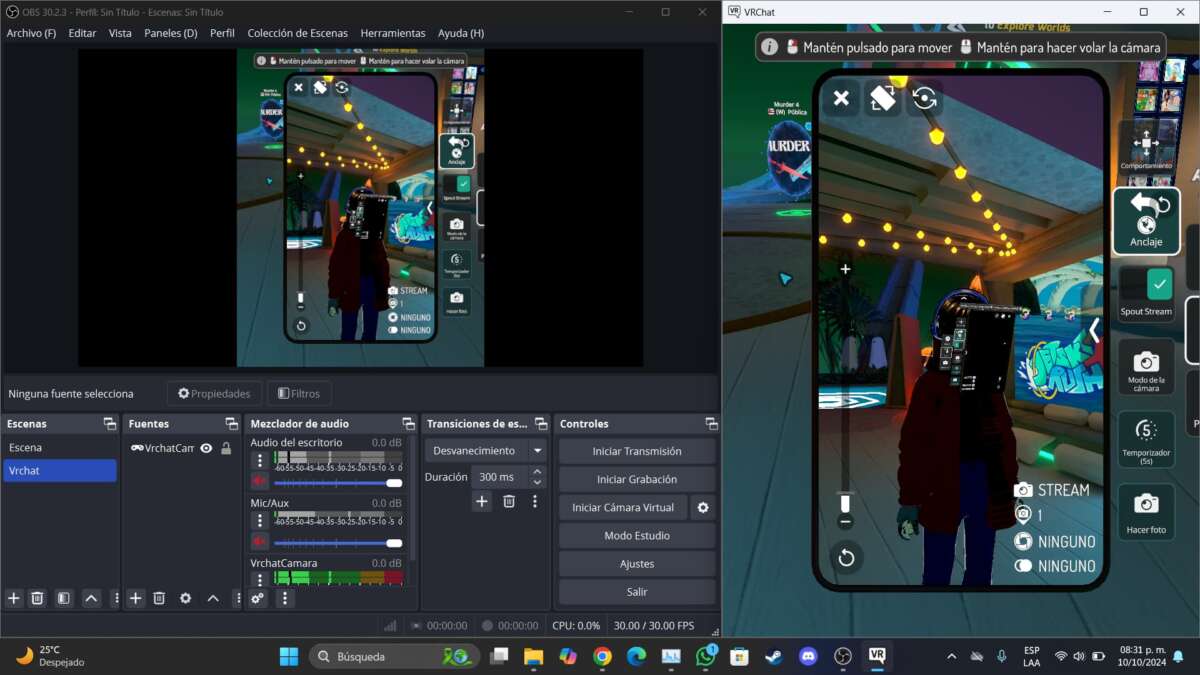
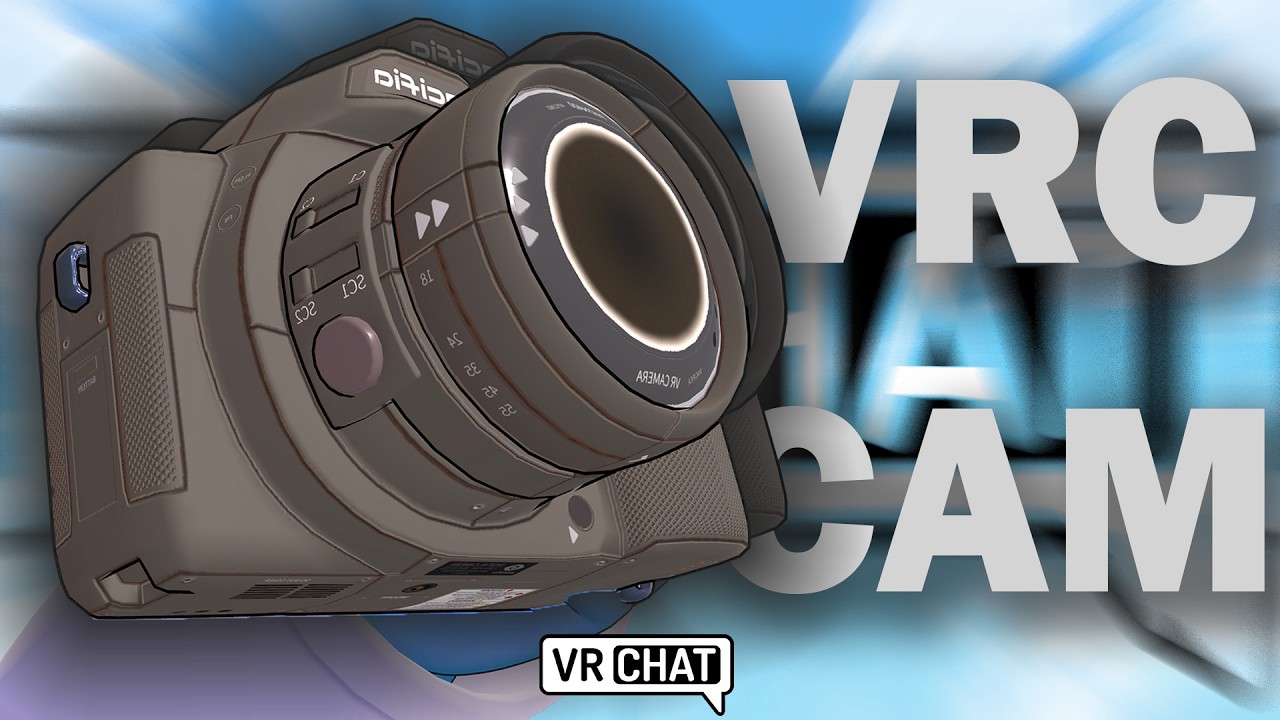
A VRC streaming camera captures and broadcasts your VRChat avatar view, voice, and mixed-reality feed.
I’ve worked with VR streaming setups for years, and I can say this topic blends technical skill and creative choices. This article explains what does vrc streaming camera do chat in clear, practical terms. You’ll learn how the camera links virtual avatars to live streams, what features matter, how to set it up, real-world tips I learned the hard way, and the privacy and performance trade-offs to watch for. Read on for a complete, expert guide to using a VRC streaming camera for VRChat, with step-by-step advice and troubleshooting tips.

What is a VRC streaming camera chat feature and why it matters
A VRC streaming camera chat setup is a mix of hardware and software that captures your VRChat presence for live stream viewers. It can show your avatar, your headset view, or a mixed-reality overlay where your real body appears inside the virtual world. The goal is to translate your in-game actions, voice, and environment into a clean, watchable stream.
Why this matters:
- It turns VR play into shareable content for Twitch, YouTube, and socials.
- It improves viewer empathy by showing gestures and facial motion.
- It supports community building around events, roleplay, and performances.
I’ve run streams where an effective VRC camera doubled viewer engagement. Knowing what does vrc streaming camera do chat helps creators pick the right gear and software for their goals.

How a VRC streaming camera chat system works
A VRC camera system has three core parts. Each part plays a role in what does vrc streaming camera do chat.
- Capture: The camera (virtual or physical) records video from the VR session. This can be a virtual camera inside the client, a screen capture, or a separate mixed-reality camera.
- Processing: Software composites layers. It may add chroma-key, overlays, and avatar passthrough. The software turns raw frames into scenes ready for broadcast.
- Broadcast: Streaming software sends the final feed to platforms. It mixes audio from your mic, game audio, and chat overlays.
Typical flow is simple. The VR client outputs a camera feed. A compositor adds overlays. The encoder sends to a streaming platform. This chain determines latency, quality, and interactivity. Knowing each step answers the deeper question of what does vrc streaming camera do chat for creators and viewers.
Key features to look for in a VRC streaming camera chat setup
When people ask what does vrc streaming camera do chat, they usually mean which features matter. Focus on these:
- Avatar capture fidelity: Tracks full-body and facial expressions accurately.
- Mixed-reality support: Lets you appear in-world with a green screen or body tracking.
- Low-latency output: Keeps voice and motion in sync with the video.
- Scene composition: Allows switching between POV, avatar, and audience views.
- Audio routing: Separates game, voice, and chat for better mixing.
Real-world tip: prioritize low latency over marginal resolution gains. Viewers notice lip-sync problems more than slightly sharper video.

Common use cases and examples
Understanding what does vrc streaming camera do chat is easier with examples. Here are typical uses:
- Live performances and concerts: The camera captures expressive avatars and stage layouts for thousands of viewers.
- Roleplay and storytelling: Streamers use close-up avatar shots to deliver emotion and dialogue.
- Tutorials and demos: POV camera shows tools and UI while an avatar explains tasks.
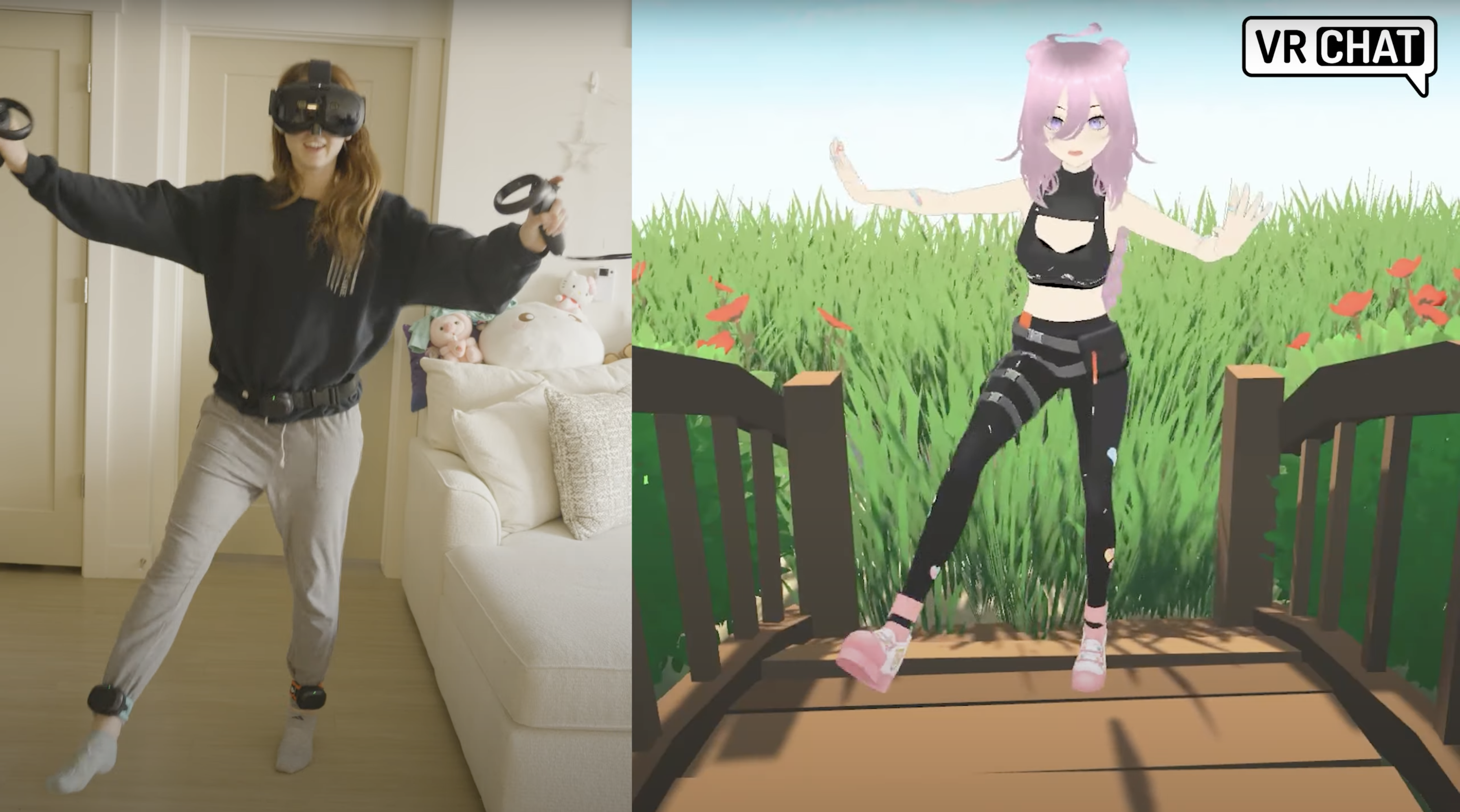
- Mixed-reality shows: Creators place their real body into VR scenes for variety and immersion.
Example from my experience:
I streamed a VR concert where I used mixed-reality. The VRC camera placed my silhouette beside the band. Viewers loved seeing real gestures alongside the avatar. Engagement rose because the stream felt both real and virtual.

Setup and best practices for a stable VRC streaming camera chat
A solid setup answers the practical "what does vrc streaming camera do chat" by ensuring reliability and quality. Here’s a checklist I use.
Hardware:
- Use a mid-range GPU for smooth capture and encoding.
- Prefer a wired network for steady upload speeds.
- Get a quality USB microphone and clean headset audio.
Software:
- Use the VR client’s virtual camera for avatar shots.
- Add OBS or similar for compositing and broadcasting.
- Use plugins for face and body tracking when available.
Practical steps:
- Test audio sync before going live.
- Configure bitrate to match your upload bandwidth.
- Save scene presets for fast view switching.
Common mistake: running too many background apps. Close unnecessary apps to avoid frame drops and audio glitches. These small steps directly influence what does vrc streaming camera do chat in real situations.
Privacy, safety, and ethical considerations
People often ask what does vrc streaming camera do chat and overlook privacy. Streaming mixes real and virtual identity. Be mindful.
- Don’t share personal info on stream. Avatars can leak location or ID via overlays.
- Get consent before showing other players. Not all users want to be broadcast.
- Use moderation tools for chat. Live audiences can be unpredictable.
Research shows that clear rules and moderation raise viewer quality and creator safety. I learned to set boundaries early. It saved me from awkward situations and helped build a respectful community.

Troubleshooting common issues and advanced tips
If you’re asking what does vrc streaming camera do chat because your stream stutters, try these fixes.
- Fix lag: Lower capture resolution or reduce encoder preset to relieve GPU.
- Audio drift: Use a single audio device and avoid virtual mixers unless you know them well.
- Bad chroma key: Improve lighting and use a neutral backdrop for better removal.
- Tracking hiccups: Recalibrate body and face trackers before each session.
Advanced tip: record a local backup at a lower compression. If the live stream fails, you still have a clean copy for upload or highlights.
PAA-style quick questions
How does a VRC camera differ from a regular webcam?
A VRC camera captures virtual viewpoints and avatar data, not just real-world video. It lets you stream in-game angles and mixed-reality scenes.
Can I use a VRC streaming camera with OBS?
Yes. OBS can receive virtual camera output or screen capture and then encode the feed for Twitch or YouTube.
Do I need special trackers for full-body capture?
Full-body requires trackers or inverse kinematics solutions. Basic head and hand tracking works for many streams, but full immersion uses extra trackers.

Frequently Asked Questions of what does vrc streaming camera do chat
What does a VRC streaming camera do chat for live viewers?
It shows a stream-friendly view of your VR presence, including avatar motion, voice, and mixed-reality visuals. This makes streams clearer and more engaging.
Can I stream VRChat without a VRC camera?
Yes. You can broadcast the desktop or headset view, but you’ll miss avatar-focused shots and mixed-reality presentation that a VRC camera enables.
Does using a VRC camera increase CPU or GPU load?
Yes. Encoding and compositing add load. Using hardware encoding and optimizing scenes reduces overhead and keeps performance stable.
Is mixed-reality hard to set up for beginners?
Mixed-reality has a learning curve. Basic setups are doable, but polished results need calibration, lighting, and sometimes extra trackers.
How do I keep my stream private while using a VRC camera?
Turn off overlays that show personal info, avoid inviting others on-air without consent, and use platform privacy settings and moderation tools.
Will a VRC streaming camera improve viewer engagement?
Usually yes. It adds visual clarity and personality. Viewers can see expressions and gestures, which boosts emotional connection in chat.
Conclusion
A VRC streaming camera chat setup turns VR presence into a rich, shareable experience. It captures avatar motion, voice, and mixed-reality visuals, and sends a polished feed to viewers. Focus on low latency, clean audio, and reliable compositing to get the best results. Start simple, test often, and build up complexity as you learn.
Try one change this week: set up a single test scene and stream for 30 minutes to get feedback. Your stream will improve quickly with small, consistent edits. If you found this helpful, try these steps, subscribe for updates, or leave a comment with your setup questions.
Everett Ashford is a tech reviewer at mytechgrid.com specializing in SSDs, cameras, TVs, earbuds, headphones, and other consumer electronics. He provides honest, data-driven reviews based on hands-on testing and real-world performance analysis. Everett simplifies complex tech details to help readers make smart, confident buying decisions.