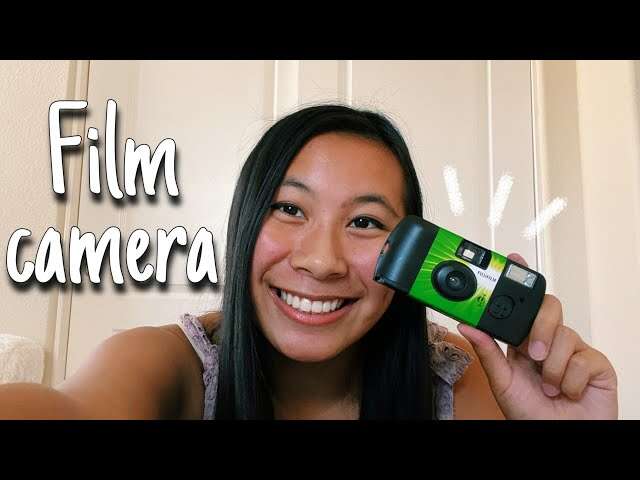
Disposable cameras record photos on a roll of film using a fixed lens, simple shutter, and built-in flash.
I’ve worked with film cameras and photo labs for years, and I’ll walk you through exactly how do disposable cameras work. This guide explains the parts, the film chemistry, the role of the shutter and flash, and what happens after you hand your camera in for processing. Read on to learn practical tips, common pitfalls, and how to get the best results from these simple, tactile devices.

How do disposable cameras work: the basics
Disposable cameras are simple film cameras made to be used once. They contain a preloaded roll of 35mm film, a fixed-focus lens, a mechanical shutter, and often a basic flash. When you press the shutter, the camera exposes the film to light for a fraction of a second. After all frames are used, you return the camera to a lab for film processing and prints or digital scans.
Most disposable cameras have a fixed aperture and shutter speed. This limits control but makes them easy to use. The design focuses on reliability and low cost. The question of how do disposable cameras work is best answered by looking at each component and step in the process.

Inside the camera: the key parts and how they interact
Understanding how do disposable cameras work means knowing the main parts and their roles.
- Film roll
- Contains light-sensitive silver halide crystals on a plastic base.
- Each frame gets exposed when light passes through the lens.
- Lens and focus
- A simple fixed-focus plastic lens keeps things sharp enough for typical snapshots.
- No focusing ring means fewer user errors.
- Shutter and exposure
- A basic mechanical or spring-driven shutter controls exposure time.
- Shutter speed is usually one setting optimized for daylight.
- Aperture and light control
- Aperture is small and fixed to increase depth of field and reduce blur.
- This simplicity helps answer how do disposable cameras work reliably across conditions.
- Flash unit
- An integrated xenon or LED flash fires when you press the flash button.
- It provides additional light for low-light shots and is powered by an internal battery.
The interplay of these parts determines final image quality. The camera design trades flexibility for speed, cost, and ease of use. This is why many people still choose disposable cameras for events and travel.

Film exposure, development, and why the lab matters
A big piece of how do disposable cameras work is the film chemistry and processing.
- Exposure
- Light hits the film and alters silver halide crystals in proportion to brightness.
- Each frame records a latent image that is invisible until processed.
- Development
- The lab uses chemical baths to reduce exposed silver halides to metallic silver.
- Development fixes the unexposed crystals so they no longer react to light.
- Color processing
- Color film requires multiple chemical steps to form dye layers for red, green, and blue.
- The final result is either prints or digital scans that reproduce color and contrast.
- Scanning and digitizing
- After processing, labs can scan negatives into high-resolution files.
- Scans let you share photos online easily.
Knowing how do disposable cameras work helps you appreciate why processing quality matters. A good lab yields better color balance and sharper scans. A poor lab can leave uneven colors or low detail.

Types, features, and variations
Not all disposable cameras are the same. Learn the common variations so you can pick one that fits your needs.
- Standard 35mm disposable
- Most common. Offers 24 or 27 exposures.
- Waterproof disposable
- Sealed body and special film let you shoot at the pool or beach.
- Flash vs. non-flash
- Flash models are versatile. Non-flash is cheaper and works well in bright daylight.
- High-ISO film disposables
- Some use faster film for low light, but with more grain.
These variations show different answers to how do disposable cameras work under specific conditions. Choose a type based on lighting and where you’ll shoot.
Practical tips for better results
I’ve used many disposable cameras for events. Here are lessons I learned that improve results.
- Aim for daylight when possible
- Daylight reduces reliance on the flash and gives cleaner photos.
- Keep the camera steady
- Hold both hands near your chest to reduce camera shake during exposure.
- Use the flash wisely
- Use flash for indoor or backlit subjects, but step back for group shots to avoid washed faces.
- Mind the frame count
- Track how many shots you’ve taken so you don’t waste frames.
- Store properly before processing
- Keep exposed cameras cool and dry. Heat or humidity can harm the latent images.
These practical steps are grounded in real use. They show how do disposable cameras work best in everyday situations.

Common problems and troubleshooting
Even simple cameras have quirks. Here’s how to fix common issues and understand what went wrong.
- Blank or very dark photos
- Likely underexposure or failed flash. Check if the flash fired or battery is dead.
- Overexposed or washed photos
- Pointing directly at bright sunlight or reflective surfaces can overexpose the film.
- Blurry images
- Camera shake, subject motion, or low light. Use flash or steady your stance.
- Strange color casts
- Processing errors or expired film can shift colors. Always check film dates.
- Partially exposed frames
- Could be a shutter fault or damage to the film inside the camera.
Troubleshooting teaches you more about how do disposable cameras work and how to avoid repeat mistakes. If a camera consistently fails, return it or choose a different model.

How to get your film processed and digital tips
Processing is the final essential step to make images visible and usable.
- Where to process
- Photo labs, some retail stores, and mail-in services will develop disposable camera film.
- Options after development
- You can get prints, negatives, or scanned digital files.
- Scanning tips
- Ask for high-resolution scans if you plan to edit or print large images.
- Archiving
- Save digital files in lossless or high-quality formats for long-term use.
Understanding how do disposable cameras work includes knowing what the lab will do. Choose processing that matches your desired final format.
Personal experience: what I learned from shooting disposable cameras
I started using disposable cameras at events and found them freeing. They forced me to slow down and frame each shot. Once, I shot a wedding rehearsal with disposables and loved the candid, grainy results. The limitations taught me to anticipate light and composition. From mistakes I learned to keep spares, check flash, and label cameras for different lighting. These small practices improve results and show how do disposable cameras work in practice.

Frequently Asked Questions of how do disposable cameras work
What type of film is inside a disposable camera?
Most disposable cameras use 35mm color negative film with 24 or 27 exposures. Some models use specialized film for waterproof or high-ISO needs.
How long does the film last before processing?
Exposed film should be processed as soon as practical, but a few weeks is usually fine. Long storage, heat, or humidity can degrade image quality.
Can I reuse a disposable camera?
Most disposables are not designed for reuse because the film rewinding and loading are sealed. Some people reload them, but it requires care and basic film-handling skills.
Why do some photos look grainy?
Graininess comes from high ISO film, underexposure, or scanning choices. Faster film and low light increase visible grain.
Does the flash always work?
The flash uses a small battery and only works if the battery has charge and the flash mechanism is functional. Older or cheap disposables may have weak flash performance.
Conclusion
Disposable cameras work by pairing a simple mechanical camera with light-sensitive film and later chemical processing. They offer predictable, low-cost shooting that removes technical choices and encourages candid photography. Try one for a specific event, test a few models, and learn how to expose and frame for the best results. If you want more hands-on tips or have a photo you’re unsure about, leave a comment or subscribe for updates and practical guides.

Everett Ashford is a tech reviewer at mytechgrid.com specializing in SSDs, cameras, TVs, earbuds, headphones, and other consumer electronics. He provides honest, data-driven reviews based on hands-on testing and real-world performance analysis. Everett simplifies complex tech details to help readers make smart, confident buying decisions.