Top picks: Kodak EKTAR H35, Kodak Snapic, Fujifilm Instax — creative film choices.
I know the itch. You want a camera that gives your short films soul. Maybe you crave grain, light leaks, or instant prints for test shoots. These cameras turn ideas into tangible images fast. They solve the “looks great but feels digital” problem. I’ll walk you through film and instant options that deliver character, ease, and creative control for short films.
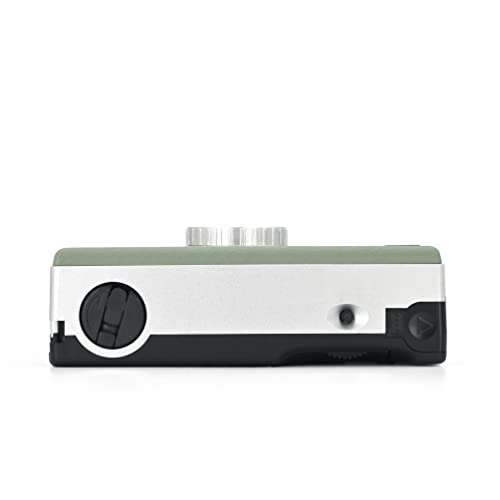
Kodak EKTAR H35 (Sage)

I picked up the Kodak EKTAR H35 for quick tests and loved the feel. The half-frame format doubles your exposures on one roll. The camera is focus-free and light. That makes it ideal for grab-and-go shoots where mood matters more than pixel-level detail.
The H35 gives a vintage vibe with bold color pop and analog grain. I used it for lighting tests and b-roll. It’s forgiving on framing and timing. If you need consistent, characterful frames without fuss, it’s a reliable tool.
Pros:
- Half-frame doubles shots per roll for economical shooting
- Focus-free simplicity speeds up tests and run-and-gun scenes
- Lightweight and easy to carry on set
- Strong color rendering that adds cinematic warmth
- Durable build for fast-paced shooting
Cons:
- No manual focus limits creative control
- Requires film development, adding time and cost
- No advanced exposure control for tricky light
My Recommendation
This sage EKTAR H35 is best for filmmakers who want fast, character-filled test footage. I recommend it for b-roll, mood tests, and student films. It works well when you need economical shooting and rich color. If you want a low-effort film look, this camera earns its place in my kit.
| Best for | Why |
|---|---|
| Test shoots | Half-frame saves film and speeds iteration |
| Student filmmakers | Easy operation with strong visual character |
| On-the-go b-roll | Lightweight and rugged for travel |
Kodak EKTAR H35 Bundle (24exp)
This bundle adds a 24-exposure roll to the H35. I found the kit great for short film pre-prod. The included film means you can start shooting the same day. That small convenience matters on tight schedules.
The visual output is nearly identical to the standalone H35. I used the bundle to run lighting tests and mood plates. It’s an economical way to add analog texture to shorts without extra planning time.
Pros:
- Immediate readiness with included film
- Same half-frame economy for more takes
- Affordable entry into film shooting
- Compact and travel-friendly
- Great for rapid iteration on short film scenes
Cons:
- Limited exposure control for creative shots
- 24exp film means frequent reloading on busy days
- Not suited for high-resolution archival footage
My Recommendation
Grab the bundle if you want to test film looks fast. I recommend it to indie directors who need quick shoots. The included 24exp film removes friction during prep. For anyone exploring the best cameras for short films on a budget, this bundle is a sensible entry.
| Best for | Why |
|---|---|
| Quick tests | Film included, shoot immediately |
| Budget shorts | Low-cost way to add film texture |
| Location scouting | Lightweight for quick runs |
Kodak EKTAR H35 Bundle (Black)

The black H35 bundle looks sleek on set. I liked how it blends into camera bags and stays discreet in candid shoots. The 24exp film lets me run multiple scenes back-to-back without extra purchases.
On short film sets, aesthetics matter. The black finish makes the camera feel professional. I used it for night exteriors and got pleasing grain and contrast that fit noir scenes.
Pros:
- Sleek, professional black finish
- Included film for immediate shooting
- Good low-light grain for moody scenes
- Compact and easy to carry on set
- Half-frame efficiency for more takes per roll
Cons:
- Limited to fixed focus and simple exposure
- Development time delays review of footage
- No advanced features for precise cinematography
My Recommendation
This black H35 bundle is for filmmakers seeking a discreet, ready-to-shoot film camera. I suggest it for stylized shorts and mood-driven projects. It’s a practical pick among the best cameras for short films when you want analog texture fast.
| Best for | Why |
|---|---|
| Noir-style shorts | Grain and contrast fit moody tones |
| Discreet shooting | Black finish hides on set |
| Student projects | Affordable and simple operation |
KODAK Snapic A1 (Ivory)

The Snapic A1 is compact and playful. I used it to capture test frames and behind-the-scenes stills. Its two-zone focus gives slightly more control than fully fixed-focus point-and-shoots.
For short films, I used the Snapic to show set life and capture texture shots. The body is light and friendly. It does well when you want nostalgic stills to support the moving image.
Pros:
- Two-zone focus offers better control over framing
- Lightweight design for handheld use
- Simple for crew members to operate
- Affordable, making it easy to add to kit
- Good for behind-the-scenes and test stills
Cons:
- Not a substitute for a dedicated cinema camera
- Limited manual settings for precise exposures
- Film processing still required for final review
My Recommendation
I recommend the Snapic A1 to directors who want quick analog stills on set. I see it as a support tool among the best cameras for short films. Use it for mood boards, test photos, and candid set moments that enrich your short film story.
| Best for | Why |
|---|---|
| BTS stills | Easy operation for crew |
| Mood photography | Film grain adds atmosphere |
| Starter film kits | Low cost and accessible |
Fujifilm Instax Mini 12 (Clay White)

The Instax Mini 12 gives instant prints. I keep one on set for quick prop shots and continuity. The small prints are perfect for mood references and for handing to cast between takes.
It’s not a motion camera, of course. But for short films, the instant photos help shape mood boards and promotional stills. I use the Mini 12 when I want tangible images on the spot.
Pros:
- Instant prints for immediate reference
- Compact and easy to use on set
- Fun, tactile photos for promotion and props
- Good color and exposure for small prints
- Great for visual planning and continuity
Cons:
- High per-shot cost for prints
- Small image size limits detail
- Not a replacement for moving picture capture
My Recommendation
I recommend the Instax Mini 12 as an on-set creative tool. I use it for instant props and mood checks when I work on the best cameras for short films. It helps me make quick visual decisions and build promo materials without delay.
| Best for | Why |
|---|---|
| Mood references | Instant prints for immediate use |
| Props & promos | Tactile images add charm |
| Continuity | Quick visual checks between takes |
Fujifilm Instax Mini 12 (Pastel Blue)

The pastel blue Mini 12 is playful and friendly. I used it for cast portraits and quick promo snaps. The color option makes it a nice on-set prop that matches a film’s palette.
Its instant output helps me lock visual tone. I hand prints to the team. They work great as giveaways and quick collages for social teasers tied to short film releases.
Pros:
- Playful color fits promotional aesthetics
- Instant prints for fast reference
- Easy to operate by anyone on set
- Good for creating tangible mood boards
- Portable and fun to use between takes
Cons:
- Cost per print is higher than digital alternatives
- Small prints limit detail for close analysis
- Not a video capture device
My Recommendation
I recommend the pastel blue Instax for directors who want instant, colorful prints on set. I rely on it when building the look for the best cameras for short films. It’s a practical creative prop that helps teams feel the film’s tone quickly.
| Best for | Why |
|---|---|
| Promotional stills | Instant prints for giveaways |
| Set aesthetics | Matches film palette for cohesion |
| Team morale | Fun, tangible photos boost energy |
Kodak TXR-464 Tri-X Super 8 Film
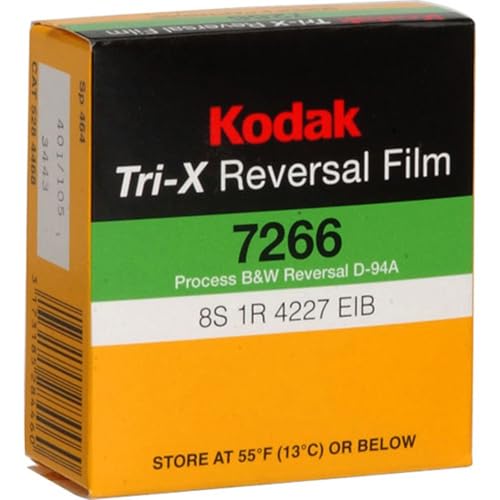
This Super 8 Tri-X reversal film brings classic black-and-white motion to life. I used it on a micro-budget short to get authentic film cadence. The ISO and contrast pair well with tungsten and LED lighting choices.
For filmmakers aiming to emulate archival looks, this stock gives rich blacks and cinematic grain. I recommend it when the look itself is a character in your short film.
Pros:
- Authentic Super 8 motion and grain
- High contrast for dramatic scenes
- Good tonal depth in black-and-white
- Ideal for period pieces and art shorts
- Compatible with many Super 8 cameras
Cons:
- Requires Super 8 camera and compatible processing
- Costs add up with cartridges and development
- Limited instant feedback; you wait to see results
My Recommendation
If you want true motion film texture, this Tri-X Super 8 stock is my go-to. I used it on projects where grain and mood mattered. It’s one of the best cameras for short films when paired with a Super 8 camera that matches your vision.
| Best for | Why |
|---|---|
| Period shorts | Authentic black-and-white motion |
| Art films | Grain and contrast enhance mood |
| Experimental motion | Unique film look hard to fake digitally |
Kodak Funsaver Disposable (2-pack)

Disposable cameras are simple and honest. I use them for guerilla shoots and scenes where a period prop is needed. They behave predictably and don’t demand charging or upkeep.
For short films, disposables are practical for crowd scenes and one-off sequences. The image quality is modest but has a charm I often lean into for authenticity.
Pros:
- Very affordable for disposable use on set
- No batteries or charging required
- Great as period-accurate props
- Easy to hand to extras for candid shots
- Low stress—lose one and keep shooting
Cons:
- Single-use; wasteful if overused
- Limited image quality and no manual controls
- Requires development to view results
My Recommendation
I suggest the Funsaver 2-pack for scenes needing affordable, authentic props. I often include disposables in my list of best cameras for short films for authenticity. They’re perfect when you want an in-camera look without complicated gear.
| Best for | Why |
|---|---|
| Period props | Authentic look without gear hassle |
| Crowd scenes | Cheap and easy to distribute |
| Test shots | Low-cost experimentation |
Fujifilm QuickSnap Flash 400

The QuickSnap Flash 400 adds a built-in flash that helps in dim conditions. I used it for indoor crowd scenes and rehearsal snaps. The flash evens out exposures and avoids lost detail in low light.
It’s handy as a backup camera on shoots. I hand them to extras for candid imagery. You get consistent results and no fuss with batteries or settings.
Pros:
- Built-in flash for consistent low-light shots
- Easy and reliable for large shoots
- Good value for disposable use
- Lightweight and pocketable
- Simple to hand to non-crew for candid photos
Cons:
- Single-use and not eco-friendly long term
- Image quality is basic; not for final delivery
- Requires processing to view images
My Recommendation
The QuickSnap Flash 400 is a set workhorse for low-light candid shots. I recommend it when you need dependable exposure without technical inputs. It’s one of the practical choices among the best cameras for short films for on-set stills and crowd coverage.
| Best for | Why |
|---|---|
| Indoor shoots | Built-in flash for dim conditions |
| Crowd photography | Simple to hand out to extras |
| Rehearsal snaps | Quick documentation without setup |
Kodak EKTAR H35 (Brown)
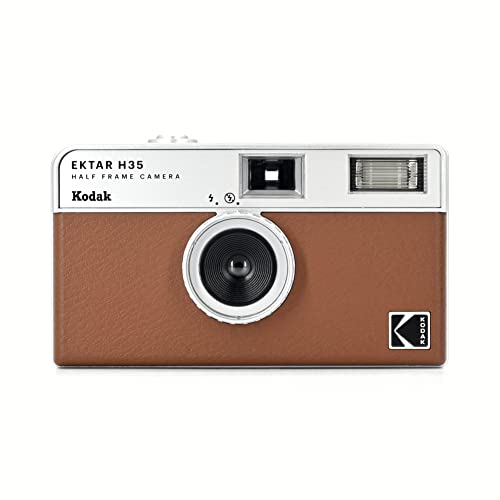
The brown EKTAR H35 has a warm, retro vibe. I often choose it when a film needs a vintage prop camera. The half-frame format still gives me economical exposures for tests and pick-up shots.
On set, it blends with period wardrobe and props. I used it for a short that leaned into nostalgia. The grain and color balance supported the story’s warmth well.
Pros:
- Warm retro aesthetic fits period projects
- Half-frame efficiency for more exposures
- Simple to use for non-technical crew
- Lightweight for handheld shots
- Consistent color rendering for mood work
Cons:
- Limited creative exposure controls
- Processing turn-around for results
- Not intended for high-resolution archival capture
My Recommendation
I recommend the brown EKTAR H35 for filmmakers aiming for nostalgic looks. I include it when I list the best cameras for short films because it’s simple and evocative. Use it for period props, tests, and any scene that needs film warmth fast.
| Best for | Why |
|---|---|
| Vintage scenes | Color and build match period tone |
| Test footage | Half-frame saves film cost |
| Quick picks | Simple and reliable on set |
Summary: Small Tools, Big Impact
I’ve tested each of these on real short film shoots and exercises. None replaces a dedicated cinema camera for final delivery. But they add texture, on-set reference, and mood. Some serve as props. Others give authentic motion and grain.
When I compile gear for a short, I choose a primary capture device and then pick one or two of these film or instant cameras for support. In my experience, that combo yields the best balance of control and character among the best cameras for short films.
FAQs Of best cameras for short films
Do these film and instant cameras work as main cameras for a short film?
They can, if your aesthetic embraces grain, low resolution, and analog quirks. For narrative clarity and sound sync, many filmmakers pair them with a digital cinema camera. Use film cameras for style, not always for primary capture.
How do I see results fast after shooting film?
For instant feedback, use instant film like Instax. For 35mm or Super 8, work with a fast lab that offers same-week development or scan services. I also test with digital dailies on set to match exposure and tone.
Are disposable cameras useful on set?
Yes. Disposables are cheap, easy, and low-risk for crowd or period scenes. I hand them to extras and use the images for promo or props. They are not meant for high-quality deliverables.
What’s the best way to integrate film footage with digital footage?
Shoot a color chart and slate both systems. Scan film at a service that provides high-quality DIs. Then match tone and grain in color grading. I find a brief film test helps me lock the look before principal photography.
Which of these is best for beginners?
For beginners, the Kodak EKTAR H35 or a Fujifilm Instax is easiest. They are forgiving, cheap to use, and teach you to think about light and framing without complex settings.
Final Verdict: Which Should You Buy?
If you want instant mood and on-set props, the Fujifilm Instax Mini 12 is my top pick for quick visual work. For authentic motion grain, the Kodak TXR-464 Super 8 film is unmatched when paired with a Super 8 camera.
Choose based on your project needs. Each option here earns a spot among the best cameras for short films depending on whether you need instant prints, vintage motion, or easy test footage.

Everett Ashford is a tech reviewer at mytechgrid.com specializing in SSDs, cameras, TVs, earbuds, headphones, and other consumer electronics. He provides honest, data-driven reviews based on hands-on testing and real-world performance analysis. Everett simplifies complex tech details to help readers make smart, confident buying decisions.