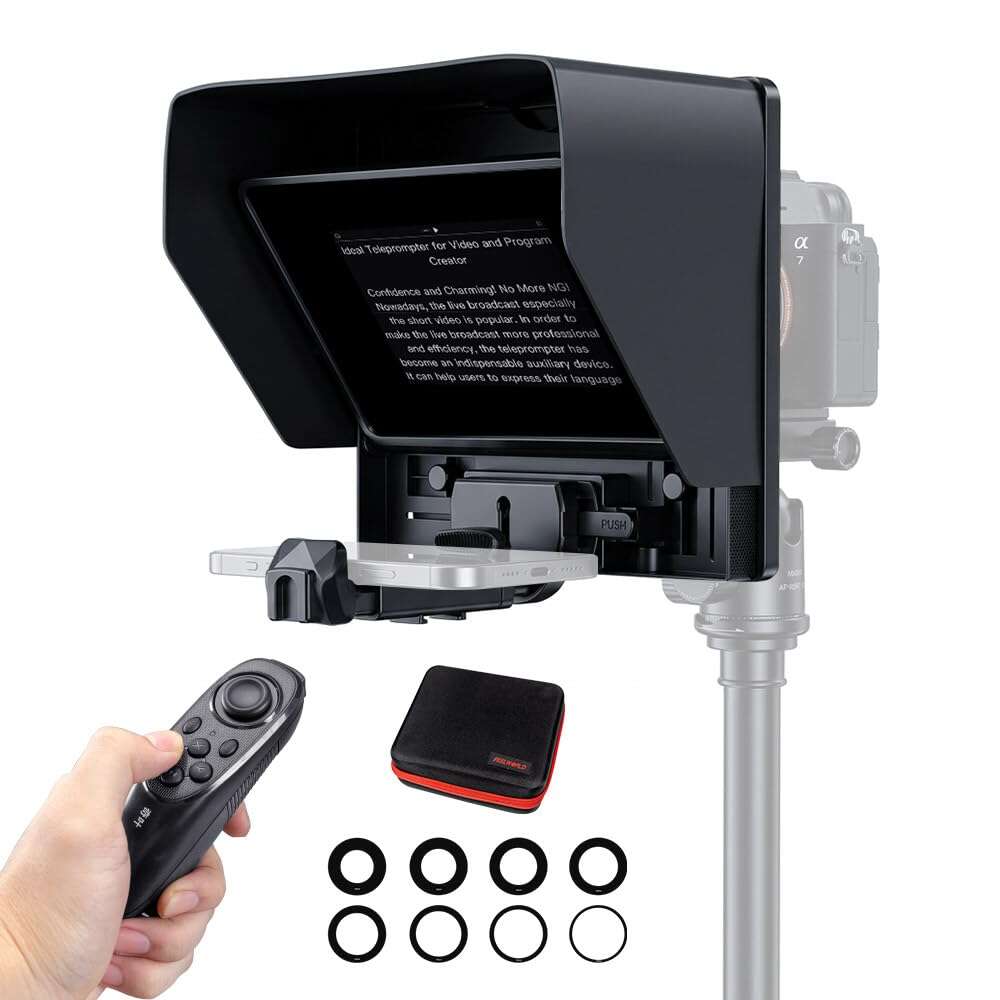
Phones are best for speed and sharing; DSLRs win for image control and low-light quality.
I’ve spent years shooting video on phones and DSLRs for clients, YouTube, and personal projects. In this guide I’ll walk you through what is better for recording phone or dslr camera video, using clear tests, real-world tips, and plain language. You’ll learn when to pick a phone, when to pick a DSLR, and how to get pro results with either option.
How phones and DSLRs differ at a glance
Phones and DSLRs aim to capture motion, but they do it with different strengths. Phones pack smart software, tiny sensors, and automatic editing features. DSLRs use larger sensors, interchangeable lenses, and manual controls for sharper images and more creative looks.
Most casual creators find phones faster and easier. Filmmakers and event shooters tend to prefer DSLRs for image quality and flexibility. If you ask what is better for recording phone or dslr camera video, the honest answer is: it depends on your goal.

Key factors that decide which is better
Here are the main points to weigh when you decide what is better for recording phone or dslr camera video.
- Sensor size and image quality. Larger sensors on DSLRs capture more light and detail. That gives cleaner low-light images and shallower depth of field.
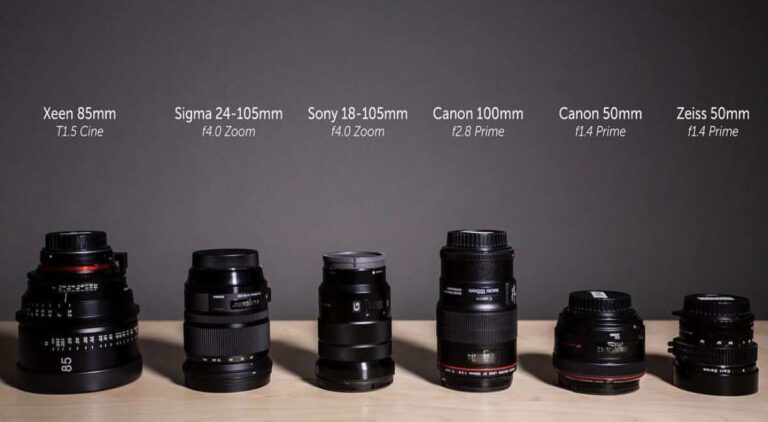
- Lenses and framing. DSLRs let you swap lenses for wide, tele, or macro looks. Phones rely on built-in lenses and digital tricks.
- Autofocus and stabilization. Modern phones have fast autofocus and strong electronic stabilization. DSLRs offer optical stabilization and more manual focus control for precise shots.
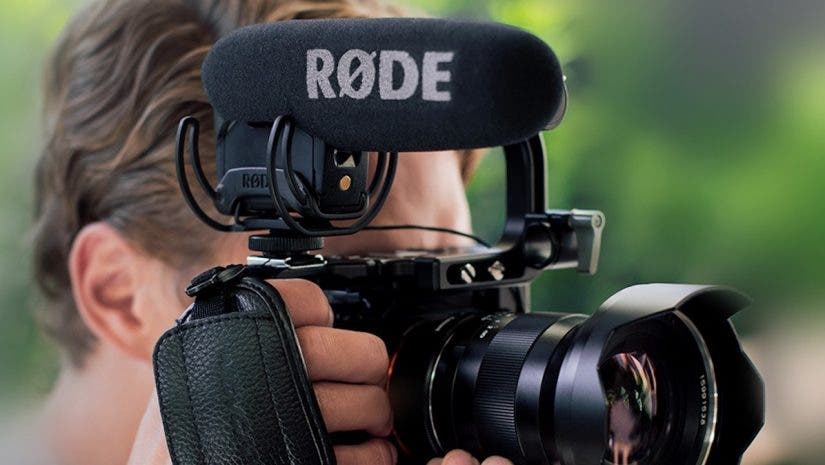
- Audio options. Phones have usable mics but limited inputs. DSLRs accept external microphones and mixers for pro audio.
- Portability and setup speed. Phones are pocketable and quick. DSLRs require setup but deliver a cinematic feel.
- Workflow and editing. Phones often crop, compress, and auto-grade footage. DSLRs give higher bitrate files that need editing but retain quality.
These factors shape which tool is best for your shoot. For fast social clips, phones usually win. For cinematic projects, DSLRs often come out on top.
Use cases: when to choose a phone and when to choose a DSLR
Practical examples make the choice clearer. Below are common scenarios and what I recommend.
- Quick vlogs and social posts. Use a phone for speed and auto-editing. The workflow is simple and reliable.
- Interviews and talking-head videos. Use a DSLR with an external mic for cleaner sound and more pleasing skin tones.
- Travel and run-and-gun shoots. Use a phone when weight and convenience matter. Use a DSLR when you want range and quality.
- Event coverage like weddings. Use DSLRs for backup and main coverage. Phones work for candid, behind-the-scenes clips.
- Short films and commercials. Use DSLRs (or mirrorless) for lens control, dynamic range, and color grading.
When you weigh what is better for recording phone or dslr camera video, think about your final use. Delivering to social? Phone. Delivering to clients or big screens? DSLR.
Practical tips to get the best video from either device
Below are clear, hands-on tips that I use on shoots.
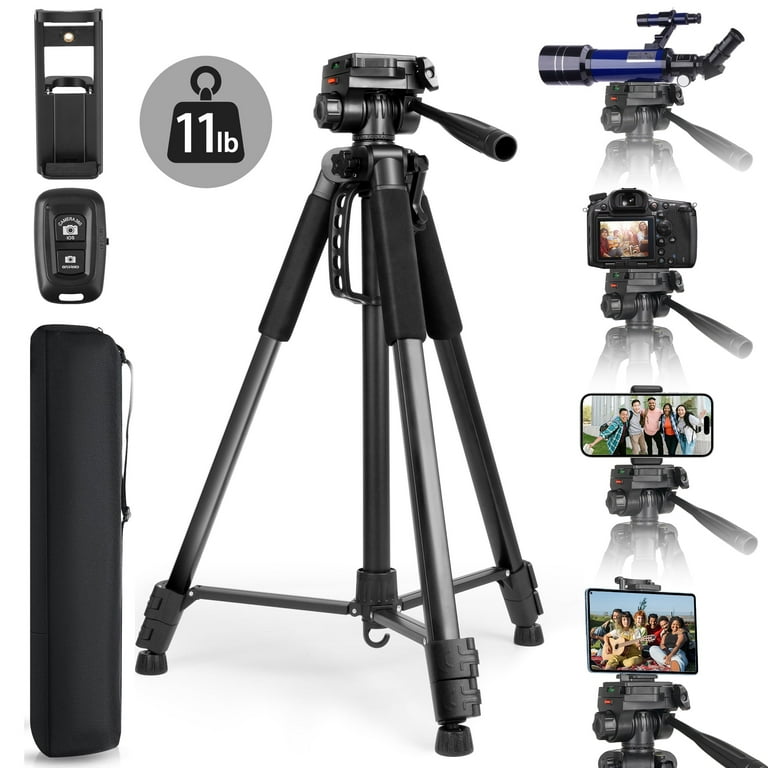
- Stabilize your shots. Use a gimbal or tripod for phones. Use a tripod, monopod, or shoulder rig for DSLRs.
- Improve audio. Use an external lavalier or shotgun mic. For phones, connect a small USB or lightning mic.
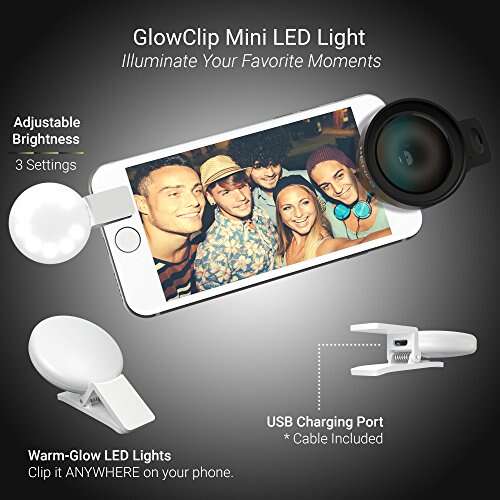
- Use good light. Even simple LED panels make phone footage look much better. DSLRs benefit from soft key lights for skin tones.
- Shoot flat when possible. For DSLRs, use a log or flat picture profile for grading. For phones, use manual exposure tools or third-party apps.
- Mind file formats. Phones may limit bitrate and color depth. Use higher bitrate and RAW or log on DSLRs when you plan to grade.
I’ve learned to prep gear lists before shoots. A phone plus a small mic and light will cover many jobs. For paid work, I bring a DSLR, two lenses, and a backup recorder. This approach covers most demands and avoids last-minute compromises.

Cost, accessories, and workflow trade-offs
Money and time matter. Here’s how costs and setup affect the choice.
- Entry cost. A modern phone can shoot great video today. DSLRs require more investment in body, lenses, and mics.
- Accessories. Phones often need gimbals, mic adapters, and lights. DSLRs need lenses, cages, and audio gear.
- Post production. Phone footage is often edited on-device or apps. DSLR footage needs desktop editing but gives more grading latitude.
- Battery and storage. Phones are convenient but fill up fast. DSLRs use swappable batteries and larger cards for long shoots.
If budget is tight, prioritize a good microphone and light before upgrading camera bodies. That tip helped me raise production value by 50% without buying a new camera.

Short answers to common search questions (PAA-style)
Can a phone shoot cinematic video?
Yes. Phones can create cinematic-looking video with good lighting, a gimbal, manual exposure control, and careful framing.
Will a DSLR always look better than a phone?
Not always. In bright light, modern phones can match DSLRs in sharpness. DSLRs excel in low light and when lens choice matters.
Do phones replace DSLRs for professional work?
Phones complement DSLRs, but they rarely replace them for high-end commercial or narrative work that needs lens choice and raw files.

Frequently Asked Questions of what is better for recording phone or dslr camera video
Is a phone good enough for YouTube videos?
Many creators use phones for YouTube. Phones work well for talking-head videos, tutorials, and short content with proper lighting and external audio.
How important is lens choice compared to sensor size?
Lens choice matters a lot. A quality lens on a larger sensor gives better separation, sharpness, and bokeh than a small sensor with a fixed lens.
Can I use a DSLR for live streaming?
Yes. DSLRs can be used for live streaming with a capture card or camera-specific streaming tools, but they require more setup than a phone.
Do phones handle low light better now?
Phones use software tricks and night modes to improve low-light shots, but DSLRs still capture cleaner images with less noise due to larger sensors.
What accessories should I buy first for better video?
Start with sound and light. Buy a reliable microphone and a small LED panel before upgrading your camera. These two items most improve perceived video quality.
Conclusion
Choosing what is better for recording phone or dslr camera video comes down to your goals, budget, and workflow. Phones win for speed, portability, and smart features. DSLRs win for image control, low-light ability, and lens flexibility. Use the tool that matches your deliverable: quick social clips need a phone; cinematic or client work benefits from a DSLR.
Try a short test today: shoot the same scene with a phone and a DSLR, compare files, and note which meets your needs. Share your results or ask questions below — I’d love to hear what you’re shooting next.

Jamie Lee is a seasoned tech analyst and writer at MyTechGrid.com, known for making the rapidly evolving world of technology accessible to all. Jamie’s work focuses on emerging technologies, product deep-dives, and industry trends—translating complex concepts into engaging, easy-to-understand content. When not researching the latest breakthroughs, Jamie enjoys exploring new tools, testing gadgets, and helping readers navigate the digital world with confidence.