Choose a lens by matching genre, focal length, aperture, budget, and camera mount.
As a photographer with over a decade shooting weddings, landscapes, and street scenes, I’ll walk you through exactly how do I choose a camera lens so you pick the right tool fast. This guide breaks down focal lengths, aperture, autofocus, mounts, practical trade-offs, and real-world tips I’ve learned the hard way. Read on and you’ll finish confident about which lens fits your style, camera, and budget.
Understanding lens basics
Before deciding how do i choose a camera lens, know what a lens actually does. A lens controls field of view, sharpness, depth of field, and how it renders color and background blur. Focal length and maximum aperture are the two specs photographers check first. Build quality, autofocus speed, and image stabilization matter next, depending on your work.
My rule of thumb: start with purpose, not specs. Ask what you shoot most, then match lens features to that need. This keeps choices simple and prevents gear anxiety.

Focal length: the first decision
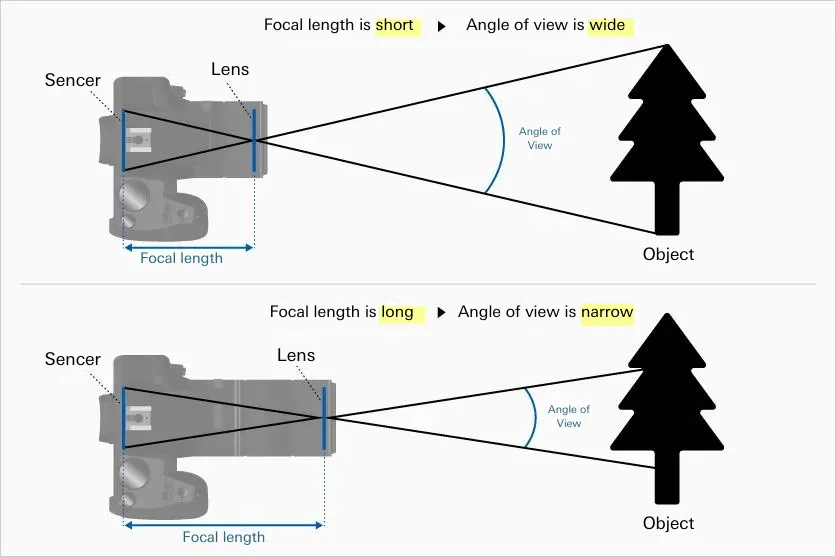
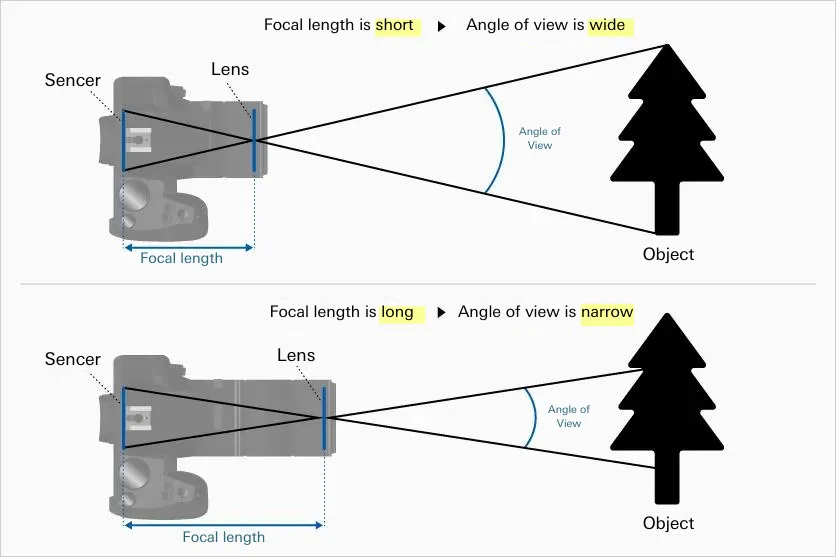
Focal length defines how much of a scene you capture and how big subjects appear. It’s the core to answer how do i choose a camera lens.
Common focal lengths and uses:
- 14–24mm: Capture wide landscapes and tight interiors. Great for dramatic perspective.
- 24–35mm: Walkaround wide angle, street, and environmental portraits.
- 35–50mm: Natural perspective for street and general use.
- 85mm: Classic portrait focal length with flattering compression.
- 70–200mm: Versatile telephoto for events, sports, and portraits.
- 300mm+: Wildlife and distant action.
Prime vs zoom
- Prime lenses: Single focal length. Often sharper, faster (wider aperture), and lighter.
- Zoom lenses: Variable focal lengths. More flexible for changing scenes and travel.
When you ask how do i choose a camera lens, pick the focal length that matches your subject first, then refine by aperture and size.
Aperture and the look of your photos
Aperture affects light and depth of field. It answers "how bright" and "how much blur."
Key points:
- Wider aperture (smaller f-number like f/1.4) gives more background blur and better low-light performance.
- Narrow aperture (larger f-number like f/8) increases depth of field and sharpness across the frame.
- Fast glass costs more but lets you work in dim light and isolate subjects.
For portrait work, aperture is a major factor when you think about how do i choose a camera lens. For landscapes, prioritize sharpness at f/8–f/11 instead.
Autofocus, stabilization, and build quality
You’ll ask how do i choose a camera lens for active shooting—sports, weddings, or kids. Autofocus speed and reliability become crucial.
Consider these features:
- Autofocus motor type: Faster motors are better for moving subjects.
- Image stabilization: Helps for handheld shots at slow shutter speeds.
- Weather sealing: Protects lenses if you shoot outdoors in wet or dusty conditions.
- Weight and size: Heavy pro lenses work well on tripods; light lenses are better for travel.
From personal tests, a stabilized 70–200mm made handheld event work far easier and saved many missed shots.
Lens compatibility and mounts
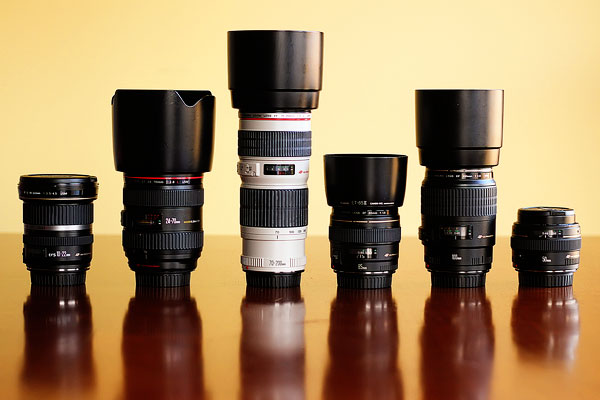
A practical step in how do i choose a camera lens is confirming mount compatibility. Lenses fit camera brands and specific mounts.
Things to check:
- Native mount compatibility with your camera body.
- Crop factor if using APS-C or Micro Four Thirds bodies (affects effective focal length).
- Adapter options: Some mirrorless systems accept adapted DSLR lenses with minor trade-offs.
- Firmware updates and electronic contacts: Ensure full AF and metering support.
Always double-check model numbers and mount types before buying to avoid costly returns.

Image quality: sharpness, bokeh, and color
Image quality isn’t just a lab number. It’s how a lens renders detail and tone in real shots.
Look for:
- Sharpness across the frame at your typical aperture.
- Bokeh quality: smooth or busy background blur matters for portraits.
- Chromatic aberration and vignetting: Some can be fixed in software; heavy issues may be problematic.
- Flare resistance for shooting into light.
I judge lenses by shooting the scenes I care about. Real-world testing often reveals strengths specs don’t show.
Budget, used lenses, and resale value
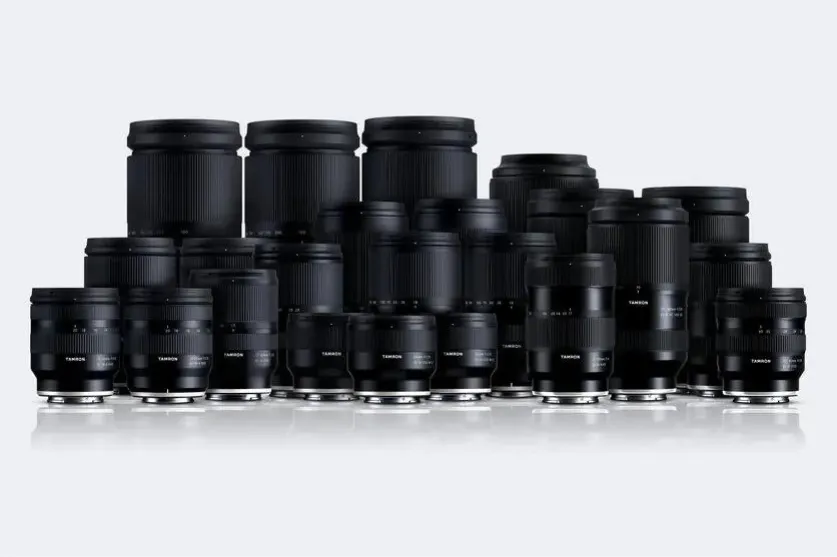
Cost influences how do i choose a camera lens for most people. Balance wants with needs.
Advice:
- Buy the best used lens you can afford from a reputable seller.
- Start with one or two lenses that cover the bulk of your work rather than many cheap lenses.
- Consider resale value: pro-level primes and branded zooms often hold value.
- Be aware of third-party lenses: Great value but check compatibility and warranty.
On my first camera, I bought a reliable used 50mm f/1.8 and learned more than from many cheap zooms. It paid off.

Step-by-step decision process: how do i choose a camera lens
Follow this simple workflow to choose a lens with confidence.
- Define primary use
- Portraits, landscape, travel, sports, or video.
- Pick focal range
- Match focal length to subject and shooting distance.
- Set aperture needs
- Decide how important low-light and background blur are.
- Check compatibility
- Confirm mount, crop factor, and autofocus support.
- Evaluate size and weight
- Think about how you carry and use the lens.
- Compare image quality and features
- Stabilization, sealing, and AF speed.
- Balance price and resale
- Consider used options and warranty.
- Test if possible
- Rent or try before buying to confirm it suits your style.
This step list turns the vague question how do i choose a camera lens into clear actions you can follow.

Practical scenarios and recommendations
Real-world pairings to help you decide how do i choose a camera lens quickly.
-
Travel and street
-
35mm or 24–70mm zoom; lightweight, versatile, and unobtrusive.
-
Portraits
-
85mm or 50mm prime with f/1.8–f/1.4 for subject isolation.
-
Weddings and events
-
24–70mm for ceremony and 70–200mm for candid close-ups, ideally stabilized.
-
Landscapes
-
16–35mm or 24–70mm on a tripod; sharp at f/8–f/11.
-
Wildlife
-
300mm+ or 100–400mm zoom for reach and flexibility.
I’ve used a 24–70mm as my workhorse for years. It covered 80% of weddings and let me swap to a fast 85mm for portraits when needed.
Common trade-offs and limitations
Choosing a lens always involves trade-offs when answering how do i choose a camera lens.
Typical trade-offs:
- Speed vs. weight: Faster lenses are heavier and costlier.
- Sharpness vs. bokeh: Some lenses are razor-sharp but have harsher blur.
- Flexibility vs. optical quality: Zooms are flexible; primes often perform better optically.
- Budget vs. longevity: Cheaper glass may limit future resale.
Be honest about what matters most. That clarity simplifies decisions and prevents buyer regret.
PAA-style quick questions
How much does aperture matter compared to focal length?
- Aperture controls light and blur; focal length controls framing and perspective. Both matter, but choose focal length for composition first, then aperture for look and light.
Can I use a full-frame lens on a crop sensor camera?
- Yes, full-frame lenses work on crop bodies but change effective focal length due to crop factor. The lens will often be sharper across the smaller sensor area.
Is it better to buy primes or zooms for beginners?
- For most beginners, a single versatile zoom is practical to learn composition. A prime can be added later for low light and sharper results.
Should I prioritize brand-name lenses or third-party glass?
- Brand lenses often offer best compatibility and support; third-party lenses can give high value. Buy what fits your budget and meets performance needs.
How important is image stabilization for portraits?
- Not very important if you shoot portraits on a tripod or with fast shutter speeds. Stabilization helps low-light handheld work and video more.
Frequently Asked Questions of how do i choose a camera lens
What focal length should I start with as a beginner?
Start with a versatile zoom like 24–70mm or 18–55mm that covers wide to short telephoto. It lets you learn framing without frequent lens changes.
How do I know if a lens is compatible with my camera?
Check the lens mount and your camera’s mount type, and confirm electronic contact and autofocus compatibility with your camera model. Manufacturer sites and product pages list compatible mounts.
Is a fast lens (f/1.4–f/2.8) worth the cost?
A fast lens helps in low light and creates stronger subject separation; it’s worth it if you shoot portraits or events regularly. If you shoot landscapes or need reach, prioritize focal length instead.
Can I rely on image stabilization instead of a tripod?
Image stabilization reduces blur from hand shake but cannot replace a tripod for long exposures and precise compositions. Use stabilization for handheld low-light shooting and a tripod for planned long exposures.
Are used lenses safe to buy?
Used lenses can be excellent value if inspected for glass condition, aperture function, and autofocus. Buy from reputable sellers who offer return windows or warranties when possible.
Conclusion
Choosing the right lens comes down to matching your shooting needs with focal length, aperture, and mount while balancing budget and portability. Use the step-by-step checklist above to answer how do i choose a camera lens, then test or rent lenses when unsure. Trust your eye, start with one solid lens, and build a kit that supports the photos you want to make. Try one of the recommended combos, leave a note about your choice, or subscribe to stay updated with lens tips and real-world tests.

Everett Ashford is a tech reviewer at mytechgrid.com specializing in SSDs, cameras, TVs, earbuds, headphones, and other consumer electronics. He provides honest, data-driven reviews based on hands-on testing and real-world performance analysis. Everett simplifies complex tech details to help readers make smart, confident buying decisions.