
Closed back headphones seal the ear cups around your ears to block outside noise and keep sound from leaking out.
If you have ever listened to music in a busy office, on a flight, or beside a sleeping family member, you already understand the appeal. Closed back headphones create a more private listening space by using solid ear cups and a sealed design. This guide explains how they work, what they sound like, their main benefits and limits, and how to choose the right pair with confidence.
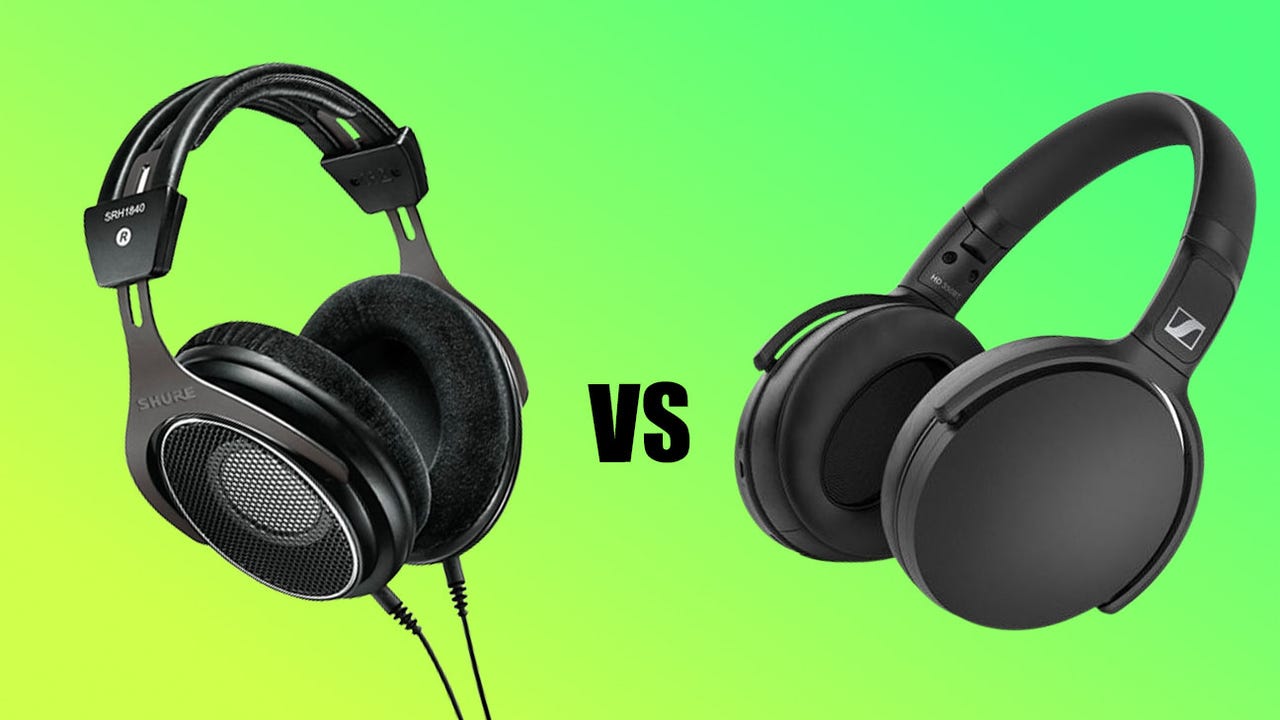
What Are Closed Back Headphones?
Closed back headphones are over-ear or on-ear headphones with solid outer ear cups. These cups cover the back of the speaker drivers instead of leaving them open to the air. The ear cushions also form a seal around your ears, which helps reduce sound entering and leaving the headphones.
The term “closed back” describes the headphone housing, not the sound quality. A closed design can sound warm, clear, powerful, or highly detailed, depending on the drivers, tuning, ear pads, and amplifier. In simple terms, closed back headphones work like small private rooms for your ears.
Most closed back headphones include these parts:
• Solid ear cups that block sound from the rear of the drivers
• Speaker drivers that convert electrical signals into sound
• Ear cushions that rest around or on your ears
• A headband that holds the headphones in place
• A cable, wireless radio, or Bluetooth connection
Closed back headphones are popular for music listening, gaming, studio tracking, podcast recording, travel, and office work. They are often the best choice when you want strong privacy and limited sound leakage.

How Do Closed Back Headphones Work?
Inside each ear cup is a driver. The driver moves back and forth to create pressure changes that your ears hear as sound. In closed back headphones, the rear of the driver sits inside a sealed or mostly sealed chamber.
This chamber changes the way sound behaves. It can add more control to low bass and prevent the driver’s rear sound waves from spreading into the room. The ear cushions then help seal the space between the headphones and your head.
A good seal is important. Glasses, thick hair, loose cushions, or a poor fit can create small gaps. These gaps may reduce bass and allow more outside noise to reach your ears.
Closed back headphones do not remove all noise by themselves. They mainly provide passive noise isolation. Some models also include active noise cancellation, or ANC, which uses microphones and electronic processing to reduce outside sounds.
The two systems are different:
• Passive isolation comes from the ear cups and ear cushions.
• Active noise cancellation uses microphones and electronic signal processing.
• Closed back headphones with ANC combine both methods.
During my own headphone testing, I have noticed that fit often matters as much as the headphone design. A less expensive pair with soft, well-sealing pads can block more noise than a premium model that fits loosely.

Closed Back vs. Open Back Headphones
The main difference between closed back headphones and open back headphones is the rear of the ear cup. Closed back headphones use solid cups. Open back headphones use grilles or vents that let air and sound pass through.
This difference affects privacy, soundstage, comfort, and bass response.
| Feature | Closed back headphones | Open back headphones |
|---|---|---|
| Sound leakage | Low | High |
| Noise isolation | Usually better | Usually limited |
| Soundstage | Often more focused | Often wider and more natural |
| Bass | Often stronger and fuller | May sound lighter or more open |
| Best setting | Public or shared spaces | Quiet rooms |
| Recording use | Excellent for tracking | Can cause microphone bleed |
Open back headphones can create a wide soundstage. This may make music feel more like it is playing in a room around you. Closed back headphones usually create a more direct and focused presentation.
Neither design is automatically better. Closed back headphones suit travel, work, gaming, and recording. Open back headphones often suit quiet-room listening, mixing, and critical music sessions.
A common mistake is buying open back headphones for an office or shared bedroom. Everyone nearby may hear your music, and nearby voices may distract you. For private listening, closed back headphones are usually the safer choice.

Benefits of Closed Back Headphones
Closed back headphones offer several practical benefits. Their value becomes clear when you use them in everyday places rather than only in a quiet listening room.
Better Noise Isolation
Solid ear cups and sealed pads reduce outside sound. They can soften voices, air conditioner noise, keyboard clicks, and traffic sounds. The result is a more focused listening experience.
They will not block every sound. Low rumbles can still pass through, especially without ANC. However, closed back headphones can make noisy environments much easier to manage.
Less Sound Leakage
Sound leakage happens when people nearby can hear what you are playing. Closed back headphones reduce this problem. That makes them useful in libraries, offices, airplanes, and shared homes.
They are also useful for recording. When a singer or musician wears closed back headphones, less backing music reaches the microphone. This helps keep the recording clean.
Stronger Bass Response
The sealed chamber can support a fuller bass response. This does not mean every closed back model has heavy bass. Some are tuned for a neutral studio sound, while others emphasize bass for hip-hop, electronic music, movies, or gaming.
A good pair should make bass feel controlled rather than muddy. If kick drums sound like one blurred thump, the problem may be poor tuning, a bad seal, or too much bass boost.
More Privacy
Closed back headphones create a personal listening zone. You can enjoy music, a podcast, or a video without making the whole room part of the experience.
This privacy also works in reverse. The headphones reduce, but do not completely eliminate, the sound around you. You should still stay alert near traffic, bicycles, and public platforms.
Good Choice for Recording
Many recording engineers use closed back headphones during tracking. The sealed cups help stop the backing track from bleeding into a vocal or instrument microphone.
For this reason, closed back headphones are common in home studios. They allow musicians to hear a guide track while keeping the recorded signal cleaner.
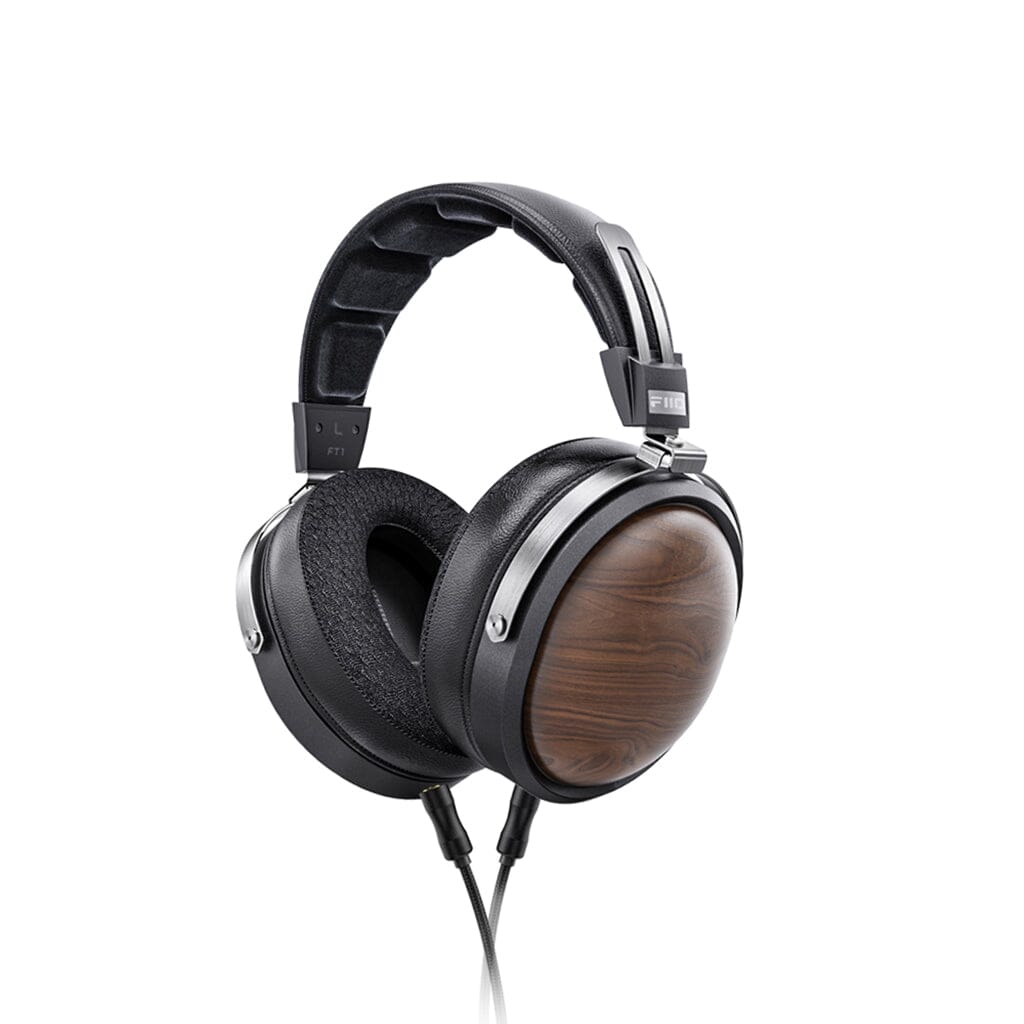
Limitations of Closed Back Headphones
Closed back headphones are useful, but they are not perfect. Understanding their limits can help you avoid an expensive mistake.
They Can Feel Warm
The sealed ear cups reduce airflow around your ears. After an hour or two, your ears may feel warm or sweaty. This is more common with leather or synthetic leather pads than with breathable fabric.
Some manufacturers use perforated materials or cooling fabrics. These may improve comfort, but they can slightly change isolation and bass response.
The Soundstage May Feel Smaller
Closed back headphones often sound closer and more direct than open back models. Some listeners enjoy this focused sound. Others prefer the wider, airier presentation of open headphones.
A well-designed closed model can still produce excellent space and imaging. The result depends on the driver, cup shape, acoustic design, and software processing.
Ear Cup Resonance Can Affect Sound
The sealed chamber may create internal reflections. Designers use damping materials and careful tuning to control these reflections. Poorly tuned models can sound boxy, harsh, or overly colored.
This is one reason measurements and trusted reviews matter. A high price alone does not guarantee a balanced sound.
They May Build Pressure
Some people experience a sense of pressure when wearing closed back headphones. This feeling does not always mean the headphones are damaging your ears. It may come from the seal, clamping force, or ANC processing.
If the sensation feels uncomfortable, try a different fit, softer pads, or a non-ANC model. Never ignore pain, ringing, or lasting hearing changes. Lower the volume and seek professional medical advice when needed.
They Can Still Leak at High Volume
Closed back headphones reduce leakage, but they do not make it impossible. At very high volume, people nearby may still hear music. High volume can also increase the risk of hearing damage.
A practical habit is to keep the volume low enough that you can remain aware of your surroundings when safety matters.

Are Closed Back Headphones Good for Music?
Yes, closed back headphones can be excellent for music. Their sound depends more on tuning and build quality than on the closed design alone.
For example, a balanced pair may present vocals and instruments clearly. A bass-focused pair may make electronic music and modern pop feel more energetic. A studio model may aim for a flatter response so you can hear recording details.
When choosing closed back headphones for music, consider:
• The type of music you enjoy
• Whether you prefer warm, bright, or neutral sound
• The amount of bass you want
• Wired or wireless connection needs