No, bone conduction headphones do not usually cause hearing loss when used at safe volume levels.
The real answer to “do bone conduction headphones cause hearing loss” depends on volume, listening time, fit, and your current ear health. These headphones send sound through the bones of your skull to the inner ear, so they bypass the outer and middle ear. However, the cochlea still receives sound energy, which means very loud or long listening can still harm hearing.
After reviewing how bone conduction devices work and comparing them with regular headphones, I find the safest approach is simple: keep the volume moderate, take breaks, and treat hearing protection as seriously as you would with any audio device.
How bone conduction headphones work
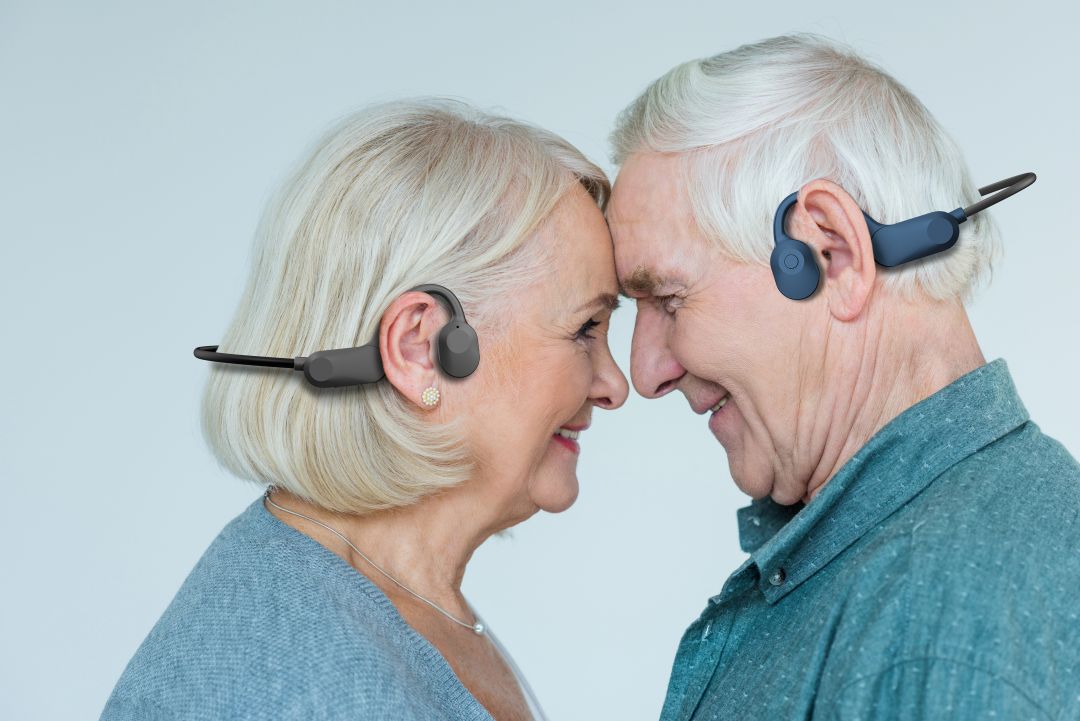
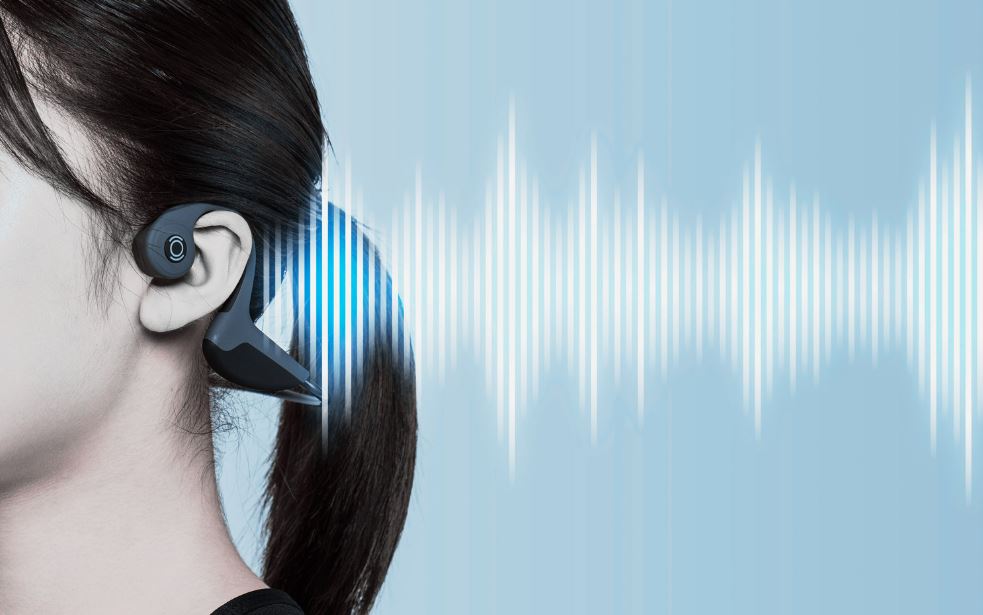
Bone conduction headphones sit near the cheekbones, usually just in front of the ears. Small transducers vibrate against the skin and skull. These vibrations travel through bone to the cochlea, the part of the inner ear that changes sound waves into signals for the brain.
Traditional headphones send sound through this path:
- Outer ear
- Ear canal
- Eardrum
- Middle-ear bones
- Inner ear
Bone conduction headphones take a different route. They mostly skip the ear canal, eardrum, and middle-ear bones. But they do not skip the inner ear or the auditory nerve.
That detail is central to understanding whether bone conduction headphones cause hearing loss. The cochlea can be damaged by too much sound energy, no matter whether that energy arrives through the air or through the skull.
Think of the cochlea as a delicate microphone. It does not care whether sound reaches it through a speaker, earbud, or bone vibration. If the signal is too strong for too long, the tiny sensory cells inside may become injured.
Bone conduction headphones may be helpful for people who cannot use regular earbuds. They can also help users stay aware of traffic, coworkers, cyclists, and other sounds around them. Still, they are not automatically risk-free.
Do bone conduction headphones cause hearing loss?
For most people, bone conduction headphones do not cause hearing loss when used responsibly. Current evidence does not show that normal use is more damaging than normal use of standard headphones at the same safe loudness.
The main risk comes from excessive sound exposure. This includes:
• Listening at a high volume
• Wearing the headphones for many hours
• Using them in loud places and turning them up to compete with noise
• Ignoring ringing, muffled hearing, or ear discomfort
• Using a poorly fitted device that produces harsh or unclear sound
The World Health Organization warns that unsafe listening can lead to permanent noise-induced hearing loss. The risk applies to headphones, earbuds, speakers, concerts, power tools, and other loud sound sources.
Bone conduction headphones may feel quieter because they do not seal the ear canal. That feeling can be misleading. Some users raise the volume because outside noise is still easy to hear. In a busy gym, subway, or airport, this habit can increase total sound exposure.
So, do bone conduction headphones cause hearing loss by design? Usually, no. Can they contribute to hearing loss when played loudly for long periods? Yes, just like other personal audio devices.

Why the inner ear still matters
The inner ear contains thousands of tiny hair cells. These cells help detect different pitches and send information to the brain. Once many of these cells are permanently damaged, they do not grow back.
Very loud sound can overwork and injure these cells. At first, the change may be temporary. You might notice ringing or muffled hearing after a loud session. With repeated exposure, the damage can become permanent.
Bone conduction does not protect these hair cells. It only changes the route sound takes to reach them.
This is why people with certain outer-ear or middle-ear problems may still need to protect their inner ears. Bone conduction can bypass a blockage or damaged eardrum, but it cannot make loud sound harmless.
It is also important to separate hearing loss from ear-canal problems. Bone conduction headphones may reduce some issues linked to blocked ear canals, moisture, pressure, or earbud irritation. That does not mean they prevent all forms of hearing damage.

Possible benefits of bone conduction headphones
Bone conduction headphones have several useful features. They are not a cure for hearing problems, but they can be a practical alternative for some people.
Better environmental awareness
Most open-ear bone conduction models leave the ear canal uncovered. You may hear cars, alarms, conversations, and nearby people more clearly than when wearing sealed earbuds.
This feature can be useful during outdoor walks, bike rides, and office work. It can also make some users feel less isolated from their surroundings.
Less ear-canal irritation
Because the device does not sit inside the ear, it may reduce problems such as:
• Ear pressure
• Sweaty or blocked ear canals
• Itching from earbud tips
• Discomfort from tight in-ear devices
• Earwax buildup caused by frequent insertion
These benefits affect comfort, not inner-ear safety.
Help for some conductive hearing problems
Some medical bone conduction systems are designed for people with conductive hearing loss, single-sided deafness, or certain ear conditions. These systems are different from ordinary consumer headphones and should be selected with help from an audiologist or ear specialist.
A consumer headset should not be treated as a hearing aid. If speech sounds unclear or one ear hears much better than the other, a hearing evaluation is the safer first step.
Easier social listening
Open-ear designs let you listen to audio while remaining aware of people around you. For some users, this reduces the urge to remove and reinsert earbuds throughout the day.

Risks and limits to understand
The biggest mistake is assuming that bone conduction headphones are safe at any volume. They are not.
Loudness can still harm hearing
If the sound is loud enough, the cochlea can be stressed through bone vibration. A comfortable setting for one person may be too loud for another, especially if the listener has tinnitus or existing hearing loss.
Some headphones can reach high output levels. The exact loudness depends on the model, fit, music type, phone settings, and surrounding noise.
Busy places can encourage unsafe volume
Open-ear headphones do not block much outside noise. In a loud street or airplane cabin, users may increase the volume to hear music or speech.
This is one reason regular noise-canceling headphones may sometimes be safer in a noisy setting. They can reduce background noise, allowing you to listen at a lower level. However, noise cancellation does not make loud listening safe by itself.
Sound quality may affect listening habits
Bone conduction models often have less bass and less detail than high-quality over-ear headphones. Some people respond by turning up the volume. If you keep increasing the level because the sound seems thin, lower it and consider a different device.
They may not protect you from loud environments
Bone conduction headphones leave your ears open. They should not be used as ear protection around firearms, construction tools, lawn equipment, or other high-noise sources.
For those settings, use properly rated hearing protection. Music headphones are not a substitute for protective earmuffs or earplugs.
Safe listening tips for bone conduction headphones
These steps can lower your risk and make daily use more comfortable.
-
Keep the volume near 50% to 60% when possible. Device volume percentages are not exact decibel readings, but they provide a useful starting point.
-
Use the lowest level that lets you understand the audio. If you must shout over your music, it is too loud.
-
Take regular breaks. A simple habit is to remove the headphones for five to ten minutes every hour.
-
Avoid raising the volume to overcome traffic or crowd noise. Move to a quieter area instead.
-
Stop if you notice ringing, muffled hearing, pain, or unusual sound sensitivity. These signs suggest that your ears need rest.
-
Keep the transducers positioned as the manufacturer recommends. A poor fit may make sound weak or uneven, which can tempt you to increase volume.
-
Do not sleep with audio playing all night. Long, unnoticed exposure can add up.
-
Check your phone’s volume limit or headphone safety settings. These controls can help prevent accidental spikes.
-
Clean the contact points and keep the device dry. This supports comfort and may help prevent skin irritation.
-
Have your hearing tested if you notice changes. Early testing can identify a problem before it affects daily communication.
A useful personal habit is the “two-part check.” First, ask whether you can hear nearby sounds. Second, ask whether the audio feels easy rather than forceful. If the sound feels sharp, intense, or tiring, lower it.
How long can you wear bone conduction headphones?
There is no single safe time limit for every person. Risk depends on loudness, distance from other noise, hearing health, and how often you take breaks.
A quiet, moderate listening session is very different from several hours at maximum volume. The louder the sound, the less exposure time is considered safe.
Many hearing experts use the idea of a daily noise dose. A louder sound uses up that dose faster. For example, a short period near very loud sound can equal many hours of moderate sound.
For everyday use:
• Keep sessions moderate
• Take breaks during long work or exercise periods
• Avoid maximum volume
• Give your ears quiet time after loud events
• Watch for ringing or muffled hearing
If you use bone conduction headphones for many hours each day, consider a hearing test once in a while. This is especially important for musicians, fitness instructors, factory workers, pilots, and people exposed to loud tools.
Bone conduction headphones compared with earbuds
Both devices can be safe or unsafe. The key factor is sound exposure, not simply the headphone style.
Earbuds sit inside the ear canal and may create a stronger seal. This can improve sound quality and block background noise. It may also lead users to listen at lower levels in noisy places.
Bone conduction headphones leave the ear canal open. This improves awareness but may make it harder to hear music in a loud environment. Some users then increase the volume, which can raise the risk.
Here is a simple comparison:
• Bone conduction headphones: Open ears, good awareness, useful for some ear conditions, but limited noise isolation
• In-ear earbuds: Compact and clear, but may cause canal irritation and encourage loud listening if the fit or volume is poor
• Over-ear headphones: Often provide better sound and passive isolation, but they can still damage hearing at high volume
The safest choice is the one that lets you hear comfortably at a low level. Comfort and awareness are helpful, but neither replaces safe listening habits.
Who should be cautious?
Some people should take extra care before using bone conduction headphones.
Speak with an audiologist or health professional if you have:
• Known hearing loss
• Tinnitus or persistent ringing
• One-sided hearing changes
• Dizziness or balance problems
• Ear drainage or pain
• Recent ear surgery
• A history of repeated loud-noise exposure
• Trouble understanding speech in quiet places
People with hearing aids should ask whether a bone conduction device will work well with their specific hearing needs. Compatibility varies.
Parents should also monitor children’s listening volume and time. Children may not notice early warning signs, and they may turn up audio to compete with games, videos, or background noise.
Signs that your listening level may be too high
Hearing damage is not always painful. In fact, many people notice no pain at all.
Watch for these warning signs:
• Ringing or buzzing after listening
• Speech sounding dull or far away
• Needing to ask people to repeat themselves
• Difficulty following conversation in restaurants
• A feeling of pressure or fullness in the ears
• Sounds seeming unusually sharp
• Turning up the television more often
• Trouble hearing high-pitched sounds
Temporary ringing after a loud session is a warning, not proof that permanent damage has occurred. Still, repeated episodes deserve attention.
If ringing lasts more than a day, appears often, or comes with sudden hearing loss, seek medical care promptly. Sudden hearing changes can require urgent treatment.
What research and experts suggest
Research on hearing safety consistently points to the same factors: loudness, length of exposure, and repeated exposure. It does not support the idea that one particular headphone design makes loud listening harmless.
Safety standards for personal audio devices focus on sound output and exposure limits. Yet consumer products vary, and real-world volume levels are not always easy to measure. This creates a limitation: a phone’s volume slider does not tell you the exact decibel level reaching your ear or skull.
Studies of bone conduction devices often focus on speech perception, medical use, or sound transmission rather than decades-long consumer listening. That means long-term evidence for every new commercial model is limited.
The most accurate answer to “do bone conduction headphones cause hearing loss” is therefore based on established hearing science: the device route is different, but the inner ear remains vulnerable to excessive sound.
Frequently Asked Questions About Do Bone Conduction Headphones Cause Hearing Loss
Do bone conduction headphones damage the eardrum?
They generally do not send sound through the eardrum, so they may reduce stress on the outer and middle ear. However, loud vibrations can still affect the inner ear and may contribute to hearing damage.
Are bone conduction headphones safer than earbuds?
They can be safer for ear-canal comfort and awareness, but they are not automatically safer for hearing. Loud volume and long listening can harm the cochlea with either type.
Can you use bone conduction headphones if you have hearing loss?
Some people with conductive hearing loss may benefit from bone conduction technology. Consumer headphones are not a replacement for a hearing aid, so ask an audiologist before relying on them for communication.
Can bone conduction headphones cause tinnitus?
They may contribute to tinnitus if played too loudly or used for too long, just as other headphones can. Stop or reduce use if ringing begins, especially if it continues after the headphones are removed.
Are bone conduction headphones safe for children?
They can be used with careful volume limits and frequent breaks. Children should not use them at maximum volume, and adults should check for signs such as ringing, complaints about muffled sound, or frequent volume increases.
Can bone conduction headphones cause permanent hearing loss?
They can contribute to permanent hearing loss if they deliver excessive sound exposure over time. Normal use at a moderate volume is not known to cause hearing loss in most people.
Conclusion
So, do bone conduction headphones cause hearing loss? Usually, they do not when used at a comfortable volume with regular breaks. But they still deliver sound energy to the cochlea, so loud and prolonged use can damage hearing.
Choose a device that sounds clear at a low setting. Take breaks, avoid turning up the volume in noisy places, and pay attention to ringing or muffled hearing. If you already have hearing concerns, get advice from an audiologist before making bone conduction headphones part of your daily routine.
Use your headphones wisely, protect your hearing early, and share your experience or questions in the comments.

Everett Ashford is a tech reviewer at mytechgrid.com specializing in SSDs, cameras, TVs, earbuds, headphones, and other consumer electronics. He provides honest, data-driven reviews based on hands-on testing and real-world performance analysis. Everett simplifies complex tech details to help readers make smart, confident buying decisions.