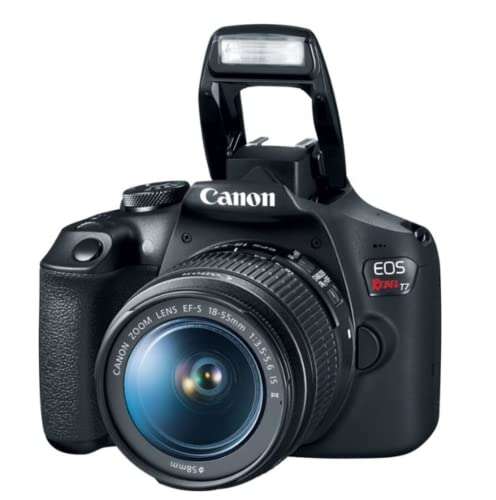
18 megapixels equals about 18 million pixels, enough for sharp prints, detailed crops, and high-quality everyday photos.
If you are wondering how big is 18 megapixels, the answer depends on more than the number alone. Aspect ratio, lens quality, sensor size, focus, lighting, and image editing all affect the final result. Still, 18MP is a capable resolution for travel, family, wildlife, portraits, and many professional jobs.
What does 18 megapixels mean?
A megapixel is one million pixels. Pixels are the tiny points of color that form a digital image. Therefore, an 18-megapixel camera records roughly 18 million pixels in each photo.
The exact pixel count may be slightly different. Camera makers often round the number for marketing. An 18MP camera may produce an image with 17.9 million, 18.1 million, or a similar number of pixels.
The phrase how big is 18 megapixels can refer to two things:
• Image resolution: The width and height of the photo in pixels.
• File size: The amount of storage the photo uses on a memory card or drive.
These are not the same. A photo may have 18MP but use 4 MB, 12 MB, or more, depending on its file type and image detail.
Think of megapixels as the number of tiles in a mosaic. More tiles can show more detail, but the quality also depends on how well each tile is made and arranged.

How many pixels is an 18MP photo?
Most 18MP cameras use a 3:2 image ratio. A common image size is 5184 × 3456 pixels.
Here is the math:
5,184 × 3,456 = 17,915,904 pixels
That result is close to 18 million pixels, so camera companies describe it as 18MP.
Other 18MP resolutions can include:
• 6000 × 3000 pixels for a 2:1 image
• 4898 × 3674 pixels for a 4:3 image
• 5184 × 3376 pixels for a slightly cropped 3:2 image
• 4608 × 3904 pixels for a near-square image
The width and height can change based on the camera’s sensor and selected crop mode. The total number of pixels remains close to 18 million.
This is why there is no single physical shape for an 18MP image. The number describes image data, not a fixed size in inches or centimeters.

How big is 18 megapixels in inches?
A digital photo has no fixed physical size until you print it. Its print size depends on the pixels-per-inch, or PPI, setting.
For a common 5184 × 3456 pixel image, the approximate print sizes are:
• At 300 PPI: 17.3 × 11.5 inches
• At 240 PPI: 21.6 × 14.4 inches
• At 200 PPI: 25.9 × 17.3 inches
• At 150 PPI: 34.6 × 23 inches
A 300 PPI print is often used for close viewing, such as a photo book or framed portrait. A 150 PPI print may work well for a poster viewed from several feet away.
The ideal print size also depends on image sharpness and viewing distance. A sharp 18MP photo can look excellent at 20 × 13 inches. A blurry photo may look poor even at 8 × 10 inches.
For a standard 8 × 10 inch print, an 18MP image has more than enough pixels. You will usually crop the original image to fit the print’s 4:5 shape.

How big is 18 megapixels compared with 4K and 8K?
An 18MP photo contains more pixels than a 4K video frame but fewer than an 8K video frame.
Here is a simple comparison:
• Full HD: About 2.1MP
• 4K UHD: About 8.3MP
• 18MP photo: About 18 million pixels
• 8K UHD: About 33.2MP
An 18MP image has about 2.2 times the pixel count of a 4K UHD frame. This gives you room to crop, resize, and edit while still keeping strong detail.
However, 8K has more total pixels than 18MP. An 8K frame can support larger crops, but a still photo often has better control over focus, exposure, color, and compression.
For social media and most websites, 18MP is far more resolution than you need. For large displays, detailed product work, or heavy cropping, higher-resolution cameras may offer an advantage.

Is 18 megapixels enough for photography?
For most photographers, yes. An 18MP camera can produce detailed images for everyday use, online publishing, and moderate-size prints.
An 18MP sensor is suitable for:
• Family and event photography
• Travel photography
• Portraits
• Street photography
• Landscape photography
• Real estate photos
• Product photos for websites
• School and sports photography
• Wildlife photography with good technique
The most important factors are often lens quality, focus accuracy, lighting, and camera technique. A well-focused 18MP image can look better than a poorly focused 40MP image.
In practical camera testing, one common mistake is judging a camera only by its megapixel count. A sharp 18MP file with good light can hold fine hair, fabric texture, and small signs. A high-resolution file with camera shake can look soft and disappointing.
Image processing also matters. Modern cameras can reduce noise, improve color, and sharpen detail. These features may have a greater effect on real-world results than a small increase in megapixels.

How much can you crop an 18MP photo?
An 18MP photo gives you useful cropping flexibility, but it is not unlimited. Cropping removes pixels, so the final image becomes smaller.
For example, a 5184 × 3456 photo contains about 18MP. If you crop it in half by width and half by height, only one-quarter of the original image remains:
• Original: About 18MP
• Cropped area: About 4.5MP
That 4.5MP file can still look good on a phone or social media page. It may also produce a sharp 8 × 10 print if the image is clean. However, it gives you much less room for a large print or close inspection.
A 2× crop in each direction is equal to a 4× crop in total image area. This is a useful way to understand how quickly cropping reduces resolution.
Cropping works best when:
• The photo is sharply focused.
• The subject has good light.
• The lens resolves fine detail.
• The image has low noise.
• You plan to view or print it at a moderate size.
For distant wildlife, birds, and sports, a longer lens may be more useful than simply relying on an 18MP crop.

How large are 18MP photo files?
Megapixels do not determine file size by themselves. File type, compression, color depth, and subject detail all make a difference.
Typical file sizes may look like this:
• JPEG: About 3 MB to 10 MB
• High-quality JPEG: About 6 MB to 15 MB
• RAW file: About 18 MB to 35 MB
• TIFF file: Often 50 MB or more
A photo of a clear blue sky may compress to a smaller JPEG because it has smooth areas. A photo of leaves, grass, hair, or city streets may be larger because it contains more detail.
RAW files are larger because they preserve more original sensor data. They give you more control over shadows, highlights, white balance, and color during editing.
For storage planning, an 18MP camera may produce approximately:
• 1000 JPEG photos: 4 GB to 10 GB
• 1000 RAW photos: 20 GB to 35 GB
These numbers are estimates. Check the camera manual for its exact file sizes before buying memory cards or backup drives.

Does 18MP produce good-quality images?
Yes, but megapixels are only one part of image quality. Resolution tells you how much detail the image can hold. It does not tell you whether the image is sharp, clean, correctly exposed, or pleasing to view.
Image quality depends on several factors:
• Sensor size: Larger sensors often collect more light and produce less noise.
• Lens quality: A good lens can resolve more detail and improve contrast.
• Focus: Missed focus cannot be fully repaired with editing.
• Shutter speed: A slow shutter can cause motion blur or camera shake.
• Lighting: Good light reveals texture and color.
• Dynamic range: This affects detail in bright and dark areas.
• Image processing: Sharpening and noise reduction change the final look.
• Compression: Strong JPEG compression can remove fine detail.
This explains why how big is 18 megapixels is not a complete measure of quality. Two cameras with the same resolution can create very different photos.
A well-lit portrait from an 18MP camera may show natural skin texture and sharp eyes. A low-light photo from the same camera may show noise, especially if you use a small sensor or a high ISO setting.
What are the benefits of 18 megapixels?
An 18MP camera offers a useful balance between detail, file size, speed, and storage needs. It is not the highest resolution available, but it is strong enough for many real-world tasks.
Key benefits include:
• Good print quality: You can make sharp 8 × 10, 11 × 14, and moderate-size wall prints.
• Manageable files: Photos are easier to store and transfer than very high-resolution files.
• Faster editing: Software usually handles 18MP files more easily than 50MP or 100MP files.
• Practical cropping: You have enough pixels for moderate reframing.
• Lower storage costs: Memory cards and backup drives fill more slowly.
• Good battery efficiency: Smaller files may require less processing power.
• Faster uploads: JPEG images can be shared quickly online.
For many people, 18MP is a comfortable middle ground. It provides detail without creating huge files that slow down every step of the workflow.
This resolution is also useful for beginners. New photographers can learn exposure, composition, focus, and lighting without needing expensive high-resolution equipment.
What are the limitations of 18 megapixels?
An 18MP camera may not be ideal for every situation. Higher-resolution cameras offer more room for large prints and aggressive cropping.
The main limitations include:
• Less cropping freedom than a 36MP, 45MP, or 60MP camera
• Fewer pixels for very large commercial prints
• Reduced detail when the subject is very far away
• Less flexibility for reframing a photo after capture
• More visible softness if the lens or focus is weak
• Limited room for extreme image enlargement
For professional wildlife, fashion, studio, architecture, or advertising work, extra resolution can be valuable. It may let a client crop a full-body image into a close portrait while keeping enough detail.
Still, more megapixels also create larger files. They may slow down backups, require faster memory cards, and place greater demands on lenses and computers.
The right resolution depends on your work. If you mainly share photos online or print standard sizes, 18MP is often enough. If you sell large prints or crop heavily, consider a higher-resolution model.
How does 18MP compare with smartphone cameras?
A smartphone may advertise 48MP, 50MP, or even 200MP, but the number alone does not guarantee better photos. Smartphones often combine multiple pixels into one larger pixel through a process called pixel binning.
A phone’s image quality also depends on:
• Sensor size
• Lens aperture
• Computational photography
• Night mode
• Image stabilization
• Software sharpening
A dedicated 18MP camera may have a larger sensor and a better optical lens. This can give it stronger background blur, cleaner low-light images, and more natural detail.
On the other hand, a modern smartphone can use software to create excellent photos in difficult light. It may merge several frames, correct shadows, and reduce noise automatically.
The best choice depends on how you use the image. For quick sharing, a phone is convenient. For interchangeable lenses, manual control, fast action, and high-quality prints, an 18MP dedicated camera remains very capable.
Best print sizes for an 18MP image
The best print size depends on viewing distance and the quality of the original photo. A clean, sharp image can be enlarged more than a noisy or blurry one.
These sizes are practical guides:
• 4 × 6 inches: Excellent quality
• 5 × 7 inches: Excellent quality
• 8 × 10 inches: Excellent quality after cropping
• 11 × 14 inches: Very good quality
• 12 × 18 inches: Very good quality with a 3:2 crop
• 16 × 20 inches: Good quality when viewed normally
• 20 × 30 inches: Possible with a sharp file and careful enlargement
For a 16 × 20 print, the image shape does not match the common 3:2 camera ratio. You will need to crop some of the long edges or use a border.
Large prints are often viewed from farther away. From several feet back, the eye blends small details together. This means a 20 × 30 inch print may look excellent even when it is not printed at 300 PPI.
Before ordering a large print, inspect the photo at 100 percent on your monitor. Check the eyes, hair, edges, and areas with fine texture. This simple test can prevent an expensive and disappointing print.
Tips for getting the most from 18 megapixels
Good technique helps you use every pixel. The following steps can improve image detail without buying a new camera.
-
Use a suitable shutter speed. A fast enough shutter reduces blur from hand movement and moving subjects.
-
Focus carefully. Place the focus point on the most important part of the subject, such as the eyes in a portrait.
-
Use a quality lens. A sharper lens can reveal more detail from the sensor.
-
Keep the camera steady. Use a tripod for landscapes, products, and long exposures.
-
Avoid extreme ISO settings when possible. Lower ISO usually creates cleaner files.
-
Expose carefully. Overexposed highlights may lose detail that editing cannot restore.
-
Shoot RAW for important work. RAW gives you more control during editing.
-
Avoid excessive sharpening. Too much sharpening can create halos and harsh edges.
-
Crop with purpose. Remove distractions, but keep enough pixels for the final use.
-
Export at the right size. Do not send a full-resolution file when a website needs only a small image.
One lesson worth remembering is that technique often beats specifications. A steady, well-focused 18MP photo can outperform a larger file captured with poor light or motion blur.
How to choose an 18MP camera
If you are considering an 18MP camera, look beyond the resolution number. A well-designed camera can offer excellent results even when newer models advertise more megapixels.
Check these features:
• Sensor size and low-light performance
• Lens selection
• Autofocus speed and accuracy
• Image stabilization
• RAW support
• Burst shooting speed
• Battery life
• Weather sealing
• Ergonomics and controls
• Availability of affordable lenses
Older 18MP DSLRs and mirrorless cameras can still create strong images. They may lack newer features, such as advanced subject tracking or improved video modes, but their still-photo quality can remain very good.
Used cameras can be a smart choice for beginners. Inspect the sensor, test the autofocus, check the shutter count when possible, and examine sample RAW files before buying.
The best camera is the one that fits your work and that you will actually carry and use. A camera left at home produces no photos, no matter how many megapixels it has.
Frequently Asked Questions About How Big Is 18 Megapixels
Is 18 megapixels enough for an 8 × 10 print?
Yes. An 18MP photo has more than enough resolution for a sharp 8 × 10 print. You may need to crop the image because most cameras use a 3:2 shape while an 8 × 10 print uses a 4:5 shape.
How many pixels does an 18MP camera produce?
A common 18MP camera produces about 5184 × 3456 pixels, or roughly 17.9 million pixels. The exact dimensions vary based on the camera’s sensor and aspect ratio.
Is 18MP enough for professional photography?
Yes, 18MP can support professional portraits, events, products, real estate, and editorial work. Commercial photographers who need very large prints or heavy crops may prefer a higher-resolution camera.
How big is an 18MP JPEG file?
An 18MP JPEG often takes about 3 MB to 15 MB. The exact size depends on compression, image detail, camera settings, and the subject.
Is 18MP better than 12MP?
18MP provides about 50 percent more total pixels than 12MP. This can offer a little more detail and cropping room, but lens quality, sensor performance, focus, and lighting still have a major effect.
Can I print an 18MP photo on a poster?
Yes. An 18MP image can work well for a poster, especially when it is sharp and viewed from a normal distance. For very large posters viewed up close, a higher-resolution image may provide more fine detail.
Conclusion
An 18-megapixel image contains about 18 million pixels, often arranged at around 5184 × 3456 pixels. That is enough for sharp everyday photos, quality 8 × 10 and 11 × 14 prints, moderate cropping, and many professional photography tasks.
The true answer to how big is 18 megapixels depends on the image ratio, print resolution, file format, and photo quality. Megapixels matter, but sharp focus, good light, a strong lens, and careful technique matter just as much.
Use your 18MP camera with confidence. Learn to control light, focus, shutter speed, and composition, then test your favorite images at different print sizes. Explore more photography guides, and share your experience with 18MP cameras in the comments.

Everett Ashford is a tech reviewer at mytechgrid.com specializing in SSDs, cameras, TVs, earbuds, headphones, and other consumer electronics. He provides honest, data-driven reviews based on hands-on testing and real-world performance analysis. Everett simplifies complex tech details to help readers make smart, confident buying decisions.