The best way to make earbuds fit small ears is to use smaller tips, adjust the angle, and secure them gently.
Learning how to make earbuds fit in small ears is not just about comfort. A proper fit can improve sound quality, reduce ear fatigue, and help earbuds stay in place while you walk or exercise. After testing different ear tip sizes, shapes, and wearing angles, I have found that small changes often make a bigger difference than buying expensive earbuds. This guide explains the safest and most reliable ways to get a secure fit.
Why Earbuds Do Not Fit Small Ears
Earbuds may feel too large when the outer ear has a smaller concha, a shallow ear canal, or less space behind the tragus. The concha is the bowl-shaped part of the outer ear that supports many earbuds. If it is small, a standard earbud may press against the skin instead of sitting naturally.
Ear canal size also varies from person to person. One ear may even need a different ear tip size than the other. This is normal, not a sign that anything is wrong.
A poor fit can cause several problems:
• Earbuds may fall out during movement.
• Bass may sound weak because the seal is incomplete.
• Outside noise may seem louder.
• Your ears may feel sore after a short time.
• You may turn up the volume to compensate for lost sound.
Knowing your ear shape is the first step in understanding how to make earbuds fit in small ears. The goal is a gentle seal, not a tight or painful grip.

How to Make Earbuds Fit in Small Ears: Step-by-Step
Follow these steps before deciding that your earbuds are too large. Many fit problems come from size or positioning, not from the earbuds themselves.
1. Start with the smallest ear tips
Most in-ear earbuds include small, medium, and large silicone tips. Try the small tips first. If they still feel too large, look for extra-small ear tips made for narrow ear canals.
Insert the earbud slowly. Do not push it deep into the canal. A good ear tip should rest securely without creating sharp pressure or a blocked, uncomfortable feeling.
2. Try different sizes in each ear
Your left and right ear may not match. Use a small tip in one ear and an extra-small tip in the other if that feels better.
This simple change is one of the most useful answers to how to make earbuds fit in small ears. Fit should be based on comfort and stability, not on using matching sizes.
3. Twist the earbud into place
Instead of pushing an earbud straight in, place it at a slight angle. Then rotate it gently until the body rests in the outer ear.
A small twist can help the earbud follow the natural curve of your ear canal. Stop if you feel pain or pressure. Earbuds should sit securely, but they should never feel forced.
4. Pull the ear upward and backward
With your opposite hand, gently pull the top of your ear upward and slightly backward. Use your other hand to insert the earbud.
This straightens the ear canal for a moment and can make insertion easier. Release your ear slowly, then check whether the earbud remains stable.
5. Test the seal with music
Play a song with clear vocals and steady bass. If the sound is thin, distant, or lacking bass, the ear tip may not be sealing well.
Try a slightly larger tip if it does not cause pressure. If the larger tip feels uncomfortable, return to the smaller tip and adjust the angle instead.
6. Move your head before leaving home
Turn your head, smile, talk, bend forward, and walk around the room. If the earbuds stay comfortable during these movements, the fit is likely reliable.
This practical test is better than judging the fit while sitting still. An earbud that feels secure on the couch may loosen during a commute or workout.

Choose Earbuds Designed for Small Ears
Some earbuds are simply too large for smaller ears. No adjustment can fully fix a bulky housing that presses against the outer ear.
When shopping, look for features that support a smaller fit:
• Extra-small silicone ear tips
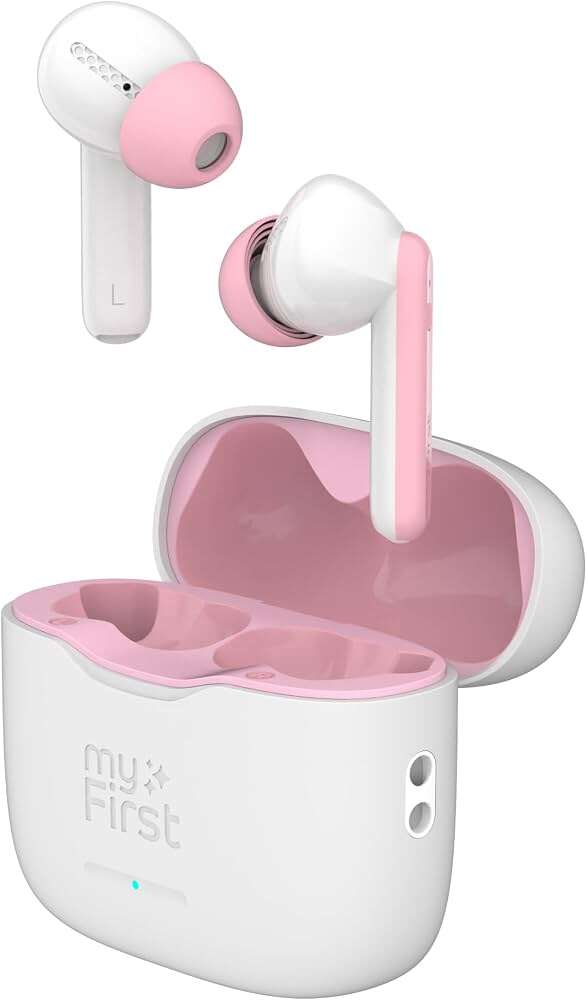
• Compact earbud housings
• Shorter nozzle lengths
• Lightweight construction
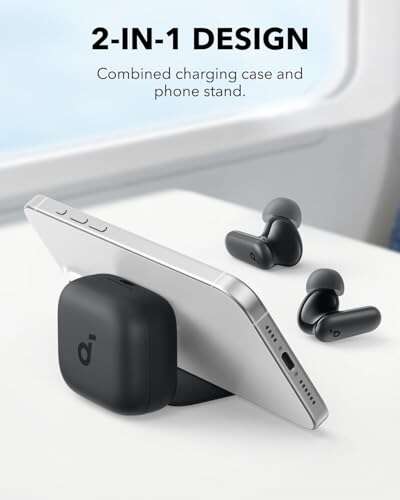
• Small charging case designs
• Optional stability wings or ear hooks
• Several tip shapes, not just several sizes
Low-profile earbuds sit closer to the ear. This can reduce pressure when you wear glasses, a hat, or a helmet. Stem-style earbuds may also work well because their main weight hangs outside the ear canal instead of filling the entire outer ear.
Foam tips can help some users, but they are not always ideal for very small ears. Foam expands inside the canal and may feel too tight. If you try foam, choose the smallest size and insert it gently after compressing it.
For many people, the best answer to how to make earbuds fit in small ears is choosing a model with a smaller physical body. Ear tip size alone cannot solve every design problem.
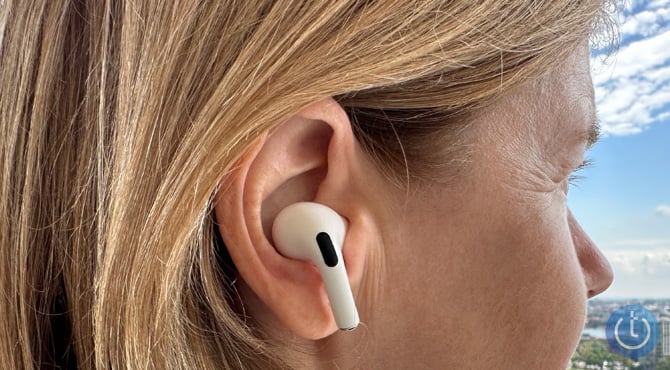
Use Ear Tips Made for Narrow Ear Canals
Replacement ear tips can transform the fit of otherwise useful earbuds. They are available in silicone, foam, double-flange, and specialized narrow-bore designs.
Silicone tips
Silicone tips are easy to clean and usually feel light. Extra-small silicone tips are often the safest starting point for small ears.
They also come in different shapes. Round tips, oval tips, and shallow tips may fit very differently even when their listed size is the same.
Foam tips
Foam tips can improve grip and passive noise reduction. They may work well for travel or office use, but they need regular cleaning and replacement.
Avoid pushing foam tips deep into the ear. If they cause pressure, itching, or soreness, switch back to silicone.
Double-flange tips
Double-flange tips have two layers that sit at different points in the ear canal. They can create a strong seal, but they may feel too deep for sensitive ears.
Use them only if they feel comfortable. A stronger seal is not automatically a better fit.
When selecting replacement tips, check that they match your earbud nozzle. A loose tip can remain in the ear when you remove the earbud, while an incompatible tip may not attach securely.

Improve Earbud Stability Without Increasing Pressure
A secure earbud should stay in place because of its shape and position, not because it is pushed tightly into the ear.
Try these adjustments:
• Place the earbud slightly higher in the outer ear.
• Rotate the earbud backward or forward by a few degrees.
• Keep the nozzle aligned with the ear canal rather than pointing downward.
• Use small stabilizing wings if the earbud has a wing slot.
• Choose ear hooks for exercise if standard earbuds keep slipping.
Ear hooks can be helpful for running, but they may add pressure around the ear. Stability wings are usually less noticeable and may be better for daily wear.
If you use earbuds during exercise, wipe away sweat before inserting them. Moisture can make silicone tips slippery. A clean, dry earbud often stays in place better than one covered with oil or sweat.
These techniques explain how to make earbuds fit in small ears without relying on excessive tightness. Think of the earbud as a small puzzle piece. The right angle matters as much as the size.

Clean Your Earbuds and Ear Tips
Wax, skin oil, and dust can change the way earbuds fit. They can also block the speaker opening and reduce sound quality.
Clean earbuds regularly with a soft, dry cloth. Use a dry, soft brush to remove debris from the speaker mesh. Do not pour water or cleaning liquid into the earbud.
Wash removable silicone tips with mild soap and water. Let them dry fully before putting them back on. Foam tips usually cannot be washed well and may need replacement.
Good cleaning habits support comfort and hygiene, but never insert cotton swabs deep into your ears. Earwax often moves outward on its own, and pushing it deeper can cause blockage or irritation.

Avoid These Common Fitting Mistakes
Many people make earbuds uncomfortable by trying to force a stable fit. Avoid these mistakes when learning how to make earbuds fit in small ears:
• Using large tips because they seem more secure
• Pushing earbuds deep into the canal
• Wearing painful earbuds for several hours
• Ignoring pressure on the outer ear
• Using the same tip size in both ears without testing
• Turning up the volume when the seal is poor
• Cleaning earbuds with sharp tools
• Applying tape or glue to the earbud
Pain is not a normal part of a good fit. Mild awareness is common when you first change ear tips, but sharp pain, throbbing, numbness, or lasting soreness means you should remove the earbuds.
If your ear feels blocked after removing the earbuds, give it time to recover. Seek medical advice if you have ongoing pain, discharge, hearing changes, dizziness, or repeated irritation.

Protect Your Hearing While Improving Fit
A better seal can make music sound louder and clearer. That is useful, but it can also tempt you to raise the volume too high.
A common hearing safety recommendation is to keep personal audio at a moderate level and take regular breaks. Noise-canceling earbuds can help in loud places because you may not need to compete with traffic, engines, or conversation.
Keep these habits in mind:
• Use the lowest volume that sounds clear.
• Take a break after long listening sessions.
• Avoid wearing earbuds through ear pain.
• Check the fit before increasing volume.
• Use transparency mode near traffic or when you need awareness.
A good fit should improve clarity, not encourage louder listening. Even the perfect solution for how to make earbuds fit in small ears cannot protect hearing if the volume stays too high.

A Simple Fit Test for Daily Use
Use this five-minute test when you change ear tips or buy new earbuds.
-
Insert the earbuds gently.
-
Play music at a low or moderate volume.
-
Speak, smile, and move your jaw.
-
Walk, bend, and turn your head.
-
Check for pain, slipping, or uneven sound.
If one earbud keeps falling out, do not immediately increase the tip size. Try a different angle first. You may also need a different tip size or a stabilizing wing on that side.
For phone calls, ask whether your voice sounds clear. For music, listen for balanced bass and vocals. For exercise, test the earbuds with the same movements you normally perform.
This fit test gives you a clear way to judge how to make earbuds fit in small ears instead of relying on guesswork.
When to Replace or Return Your Earbuds
Sometimes the best solution is to choose another design. Consider returning or replacing the earbuds if:
• Every tip causes pain.
• The outer housing presses against your ear.
• The earbuds fall out despite careful adjustments.
• You develop repeated redness or irritation.
• The earbuds feel heavy after a few minutes.
• You need to push them deep to hear clear bass.
Check the return policy before opening or using replacement tips. Fit is personal, and online product reviews cannot predict how every ear will respond.
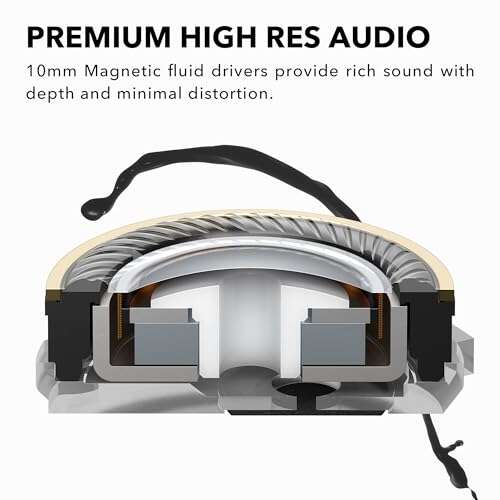
A smaller earbud may cost more, but comfort often matters more than extra features. Active noise cancellation, touch controls, and high-resolution audio are not useful if you cannot wear the earbuds comfortably.
Frequently Asked Questions About How to Make Earbuds Fit in Small Ears
What size ear tips are best for small ears?
Extra-small or small ear tips are usually the best starting point. However, the ideal size depends on your ear canal, so test each ear separately and choose the size that seals gently without pain.
Why do my earbuds keep falling out of my small ears?
They may have the wrong tip size, an unsuitable shape, or a poor insertion angle. Try rotating the earbuds, using smaller tips, or choosing a model with stabilizing wings.
Can I make large earbuds fit smaller ears?
You can improve the fit with smaller tips and careful positioning, but a large outer housing may still cause pressure. If the body presses against your ear, a compact earbud design is a better solution.
Are foam tips better for small ears?
Foam tips can improve grip, but they may feel too tight when they expand. Choose the smallest compatible foam tips and stop using them if they cause pressure, itching, or soreness.
Should earbuds hurt when they fit properly?
No. Properly fitted earbuds may feel noticeable, but they should not cause sharp pain, numbness, or lasting soreness. Remove them if discomfort continues.
Can I use different ear tip sizes in each ear?
Yes. Many people have slightly different ear canal sizes on the left and right sides. Using different tip sizes is safe when both earbuds remain comfortable and secure.
How deep should earbuds sit in small ears?
Earbuds should sit securely at the entrance of the ear canal without being forced deep inside. A gentle seal is enough for clear sound and stability.
Conclusion
The most effective way to make earbuds fit in small ears is to combine the right tip size, a gentle insertion angle, and a compact earbud design. Test each ear separately, rotate the earbuds into place, and check the fit while moving. Never accept pain as the price of a secure seal.
Clean your earbuds often, keep the volume moderate, and replace them if the housing remains uncomfortable. Try these steps today, then explore more earbud fitting guides or share your own tips and experience in the comments.

Everett Ashford is a tech reviewer at mytechgrid.com specializing in SSDs, cameras, TVs, earbuds, headphones, and other consumer electronics. He provides honest, data-driven reviews based on hands-on testing and real-world performance analysis. Everett simplifies complex tech details to help readers make smart, confident buying decisions.