For most listeners, an 8 to 10 mm dynamic driver offers a strong balance of sound, comfort, and cost.
The answer to what is a good driver size for earbuds depends on more than diameter. Driver type, tuning, ear fit, seal, sensitivity, and sound quality often matter just as much. This guide explains how earbud drivers work, which sizes suit different listeners, and how to choose with confidence.

What is a driver in an earbud?
An earbud driver is the small speaker inside the earbud. It changes electrical signals from your phone or music player into sound waves that you hear.
The driver usually contains a diaphragm, a voice coil, and a magnet. When music reaches the driver, the voice coil moves the diaphragm back and forth. This motion creates the bass, vocals, and treble in your music.
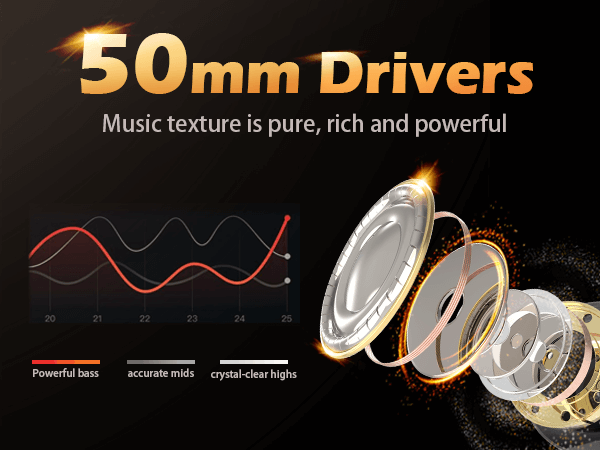
When people ask what is a good driver size for earbuds, they usually mean the diameter of this diaphragm. Manufacturers list driver size in millimeters, such as 6 mm, 8 mm, 10 mm, or 14.2 mm.
A larger driver can move more air. This may help produce deeper bass and a bigger sound. However, a large driver does not always sound better. Poor tuning can make a large driver sound muddy, while a smaller driver can sound clear and balanced.
What is a good driver size for earbuds?
For most people, a driver between 8 mm and 10 mm is a good driver size for earbuds. This range can deliver clear vocals, useful bass, and a comfortable fit without making the earbud too large.
An 8 mm driver often works well for balanced sound. It can provide enough bass for pop, rock, podcasts, and video content while keeping the earbud small.
A 10 mm driver may offer stronger bass and a fuller sound. It can suit listeners who enjoy hip-hop, electronic music, movies, and games.
Still, driver size is only one part of the design. A good 6 mm driver may sound better than a weak 12 mm driver if it has better materials and tuning.
Here is a simple guide:
• 5 mm to 7 mm: Small, light, and often good for compact earbuds and clear vocals.
• 8 mm to 10 mm: A strong all-around range for most listeners.
• 11 mm to 13 mm: Often suited to a warmer sound with more bass.
• 14 mm and larger: May create powerful bass and a broad sound, but fit and tuning become more important.
So, what is a good driver size for earbuds? For a safe general choice, start with an 8 mm to 10 mm dynamic driver.

Does a larger earbud driver sound better?
A larger driver can sound better in some areas, but size alone does not guarantee quality. It may move more air with less effort, which can support stronger bass and a more spacious presentation.
Think of the driver like a drum. A larger drum can create a deeper tone, but the final sound also depends on the drum material, shape, and how it is played. Earbud drivers work in a similar way.
A larger driver may help with:
• Deeper low bass
• Stronger impact in drums and bass guitars
• A fuller sound at lower volume
• A more open and powerful presentation
However, large drivers can also create problems. They may need more space inside the earbud shell. They can feel less comfortable, and poor tuning may cause too much bass or unclear vocals.
A smaller driver may offer:
• A lighter earbud design
• Better comfort for small ears
• Clear and focused midrange sound
• Lower weight during long listening sessions
The best driver size for earbuds is the one that works with the whole acoustic design. This includes the diaphragm material, chamber shape, ear tip, and software tuning.
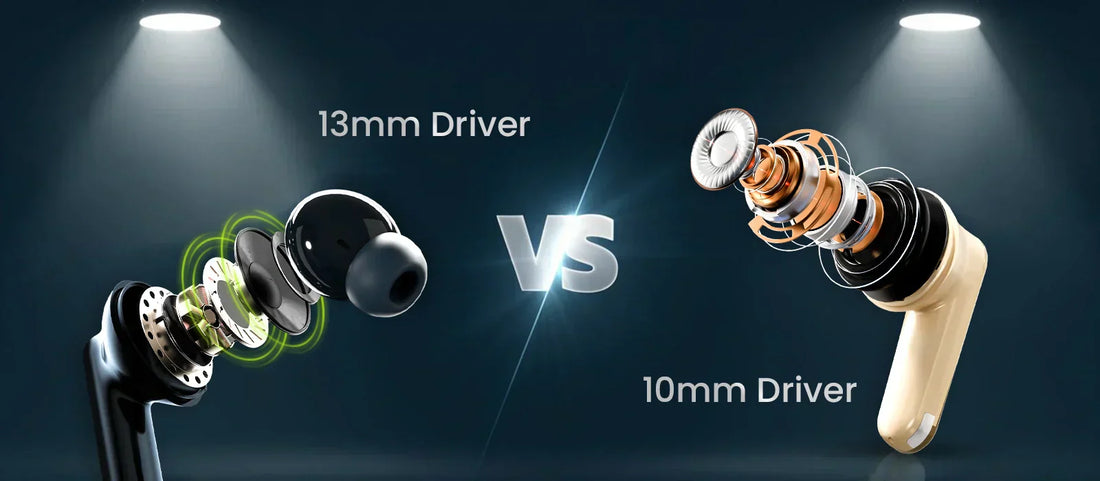
Driver size ranges explained
5 mm to 7 mm drivers
Small drivers are common in compact earbuds. They can work well for spoken audio, calls, classical music, and listeners who prefer a lighter sound.
These drivers may not create as much physical bass as larger models. Yet a good seal and smart tuning can still make them sound rich.
8 mm to 10 mm drivers
This is the most practical range for many people. It gives designers enough room to create a balanced sound without making the earbud too large.
If you listen to many types of music, an 8 mm to 10 mm driver is often a safe choice. It can handle vocals, acoustic instruments, bass lines, and movie effects with good balance.
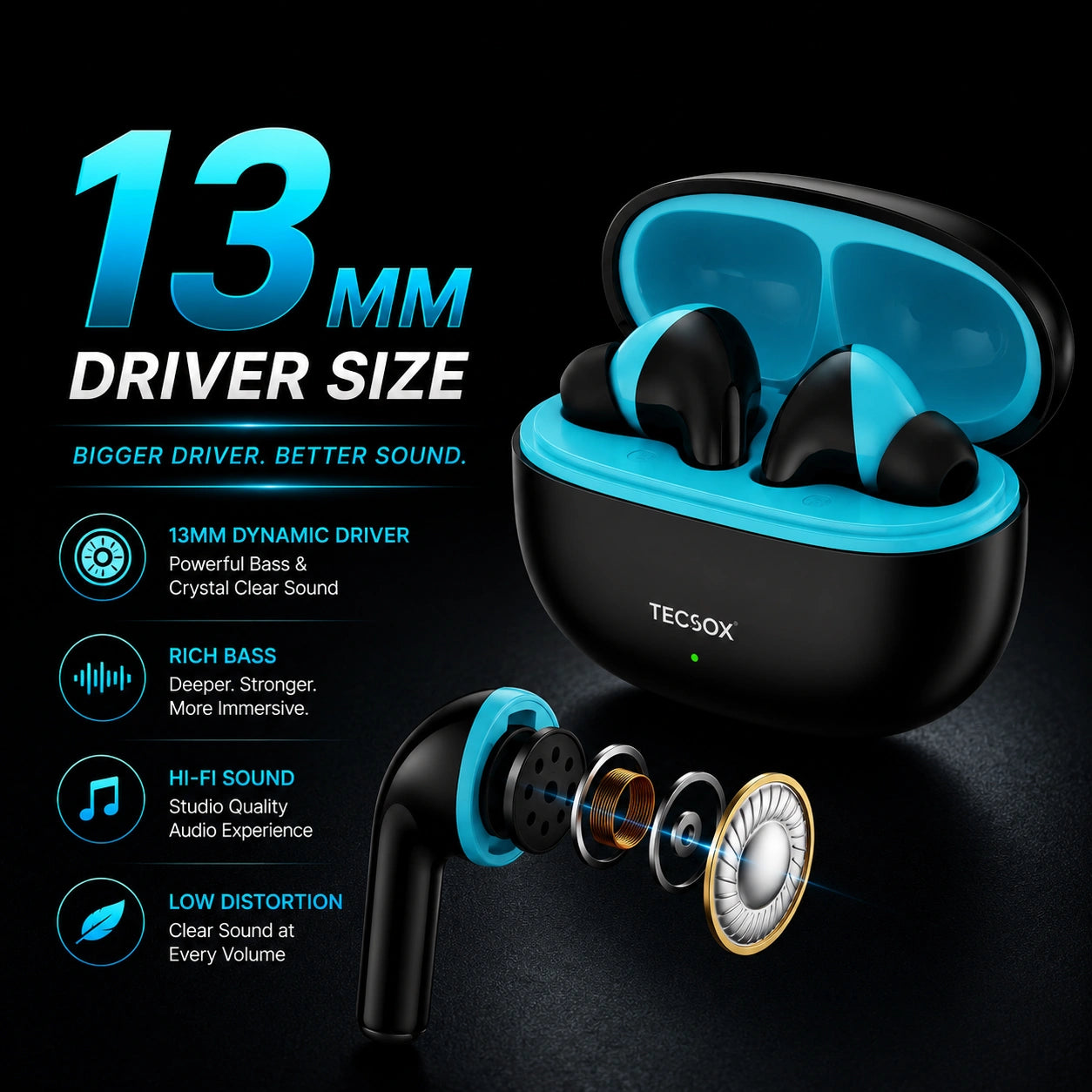
11 mm to 13 mm drivers
These drivers often appear in earbuds made for a warm or bass-heavy sound. They may suit modern music, action films, and gaming.
The main risk is excess bass. If the earbud has weak tuning, bass can cover vocals and make cymbals sound dull.
14 mm and larger drivers
Large drivers can produce an impressive first sound. Bass may feel strong, and the overall presentation may seem bigger.
They are not always the best option for small ears. A large shell may also reduce comfort or create a poor seal. Check the earbud shape and tip design before focusing on the driver measurement.

Driver type matters more than driver size
Driver type affects sound in major ways. This is why the answer to what is a good driver size for earbuds cannot rely on millimeters alone.
Dynamic drivers
Dynamic drivers are the most common choice in wireless earbuds. They use a moving diaphragm and magnet system.
Their strengths include:
• Strong and natural bass
• Smooth sound
• Simple design
• Good value
A well-tuned 8 mm or 10 mm dynamic driver can sound excellent for daily use.
Balanced armature drivers
Balanced armature drivers are small and efficient. They often reproduce midrange and treble detail well.
Many premium earbuds use several balanced armature drivers. One driver may handle bass, while others handle vocals and high notes. More drivers do not always mean better sound, though. Crossover design and tuning must be done well.
Planar magnetic drivers
Planar magnetic drivers use a thin diaphragm and magnetic force across a wider surface. They can provide fast detail and strong control.
They are often larger or more demanding than standard dynamic drivers. They may also make earbuds heavier or more expensive.
Hybrid drivers
Hybrid earbuds combine different driver types. A dynamic driver may handle bass, while balanced armature drivers handle the mids and highs.
A hybrid design can sound detailed and powerful. It can also sound uneven if the drivers do not blend smoothly.

What other specifications should you check?
Driver size is useful, but it should not be your only buying factor. These specifications often have a greater effect on your daily experience.
Frequency response
Frequency response shows the range of sound an earbud can reproduce. Many products list a range such as 20 Hz to 20 kHz.
This number does not tell you how balanced the sound is. Two earbuds can list the same range and sound completely different.
Sensitivity
Sensitivity shows how loudly the earbud can play with a set amount of power. Higher sensitivity can make an earbud easier to drive from a phone or laptop.
Do not use sensitivity alone to predict sound quality. It mainly helps you understand volume performance.
Impedance
Impedance is measured in ohms. Lower impedance usually works well with phones and portable devices.
Most wireless earbuds include their own amplifier, so impedance is less important than it is with wired headphones. For wired earbuds, it can still affect volume and device matching.
Ear tip seal
The seal between the ear tip and your ear canal has a major effect on bass. A loose seal can make even a large driver sound thin.
Try different tip sizes. Foam tips may improve isolation, while silicone tips may feel cleaner and cooler during long use.
Tuning
Tuning controls the balance between bass, mids, and treble. A neutral earbud may sound accurate. A bass-boosted earbud may sound more exciting.
No tuning is perfect for everyone. Your music taste should guide your choice.

How ear fit changes driver performance
Earbuds create sound inside a small space. This makes fit especially important.
If the earbud sits too far out, bass may weaken. If it presses too deeply, the sound may become boomy or uncomfortable. Even small changes in angle can affect the treble.
A good fit can improve:
• Bass response
• Noise isolation
• Voice clarity
• Call quality
• Listening comfort
I have seen many listeners replace earbuds because they sounded weak, only to discover that the ear tips were the wrong size. Before judging what is a good driver size for earbuds, test the fit with several tip options.
Use a simple fit check:
-
Play a song with steady bass.
-
Try the small, medium, and large tips.
-
Choose the tip that feels secure without pressure.
-
Compare bass and vocal clarity.
-
Keep the tip that gives the best seal and comfort.
A well-fitted 7 mm earbud can sound fuller than a poorly fitted 12 mm model.
Choosing the right driver size for your needs
Different listeners need different sound profiles. The best driver size for earbuds depends on how and where you listen.
For balanced music
Choose an 8 mm to 10 mm dynamic driver with neutral or mild warm tuning. This setup often works well for rock, jazz, pop, country, and acoustic music.
For strong bass
Look for a 10 mm to 13 mm dynamic driver. Also check reviews for bass control. Large bass does not help if it hides the vocals.
For podcasts and calls
Driver size is less important than vocal clarity, microphone quality, and fit. A 6 mm to 10 mm driver can work very well.
For classical music
Focus on clean mids, controlled bass, and detailed treble. A smaller dynamic driver or a balanced armature design may suit you.
For gaming
Look for clear footsteps, good imaging, and low delay. Driver size cannot guarantee accurate positioning. Software, tuning, and connection quality matter more.
For small ears
A 5 mm to 9 mm driver may allow a smaller shell. Check the full earbud shape, not just the driver size listed on the box.
Common mistakes when choosing earbud drivers
Many buyers make the same mistake: they assume the largest driver must be the best. This is a simple way to overspend.
Avoid these errors:
• Choosing a large driver without checking earbud size
• Assuming more drivers always mean better sound
• Ignoring the ear tip seal
• Judging quality only by bass strength
• Buying without checking comfort reviews
• Treating frequency response numbers as a full sound report
• Ignoring codec support, battery life, and microphone quality
One lesson I have learned from comparing earbuds is that comfort often beats impressive specifications. If an earbud hurts after 20 minutes, its driver size no longer matters.
Also remember that a large driver can increase power use in some designs. Wireless earbuds manage this with amplifiers and digital signal processing, but battery life still depends on the full circuit.
How to test earbud driver quality at home
You can test earbuds without special equipment. Use familiar music with clear vocals, deep bass, cymbals, and quiet sections.
Try these steps:
-
Listen at a safe, moderate volume.
-
Play a vocal track and check if words sound natural.
-
Play a bass track and listen for punch without buzzing.
-
Use an acoustic song to check detail.
-
Compare left and right channels.
-
Wear the earbuds for at least 30 minutes.
Do not test only with loud music. High volume can make almost any earbud seem exciting. It can also cause hearing damage.
For a more reliable comparison, use the same phone, music service, ear tips, and volume. Small changes can affect your impression.
Research on hearing safety supports keeping personal audio at moderate levels and taking breaks. If your ears ring after listening, lower the volume and rest.
Frequently Asked Questions
Is a 10 mm driver good for earbuds?
Yes, a 10 mm driver is a good choice for many listeners. It can provide balanced sound with strong bass, clear vocals, and a comfortable size in many earbud designs.
Is a bigger driver better in earbuds?
Not always. A bigger driver may produce deeper bass, but tuning, fit, diaphragm quality, and the acoustic chamber have a greater effect on the final sound.
What is a good driver size for wireless earbuds?
An 8 mm to 10 mm dynamic driver is a good starting point for wireless earbuds. It offers a useful balance of bass, clarity, efficiency, and compact size.
Are 6 mm earbud drivers too small?
No, 6 mm drivers are not automatically too small. With good tuning and a tight seal, they can provide clear sound and enough bass for many listeners.
Do more drivers make earbuds sound better?
More drivers can improve separation when the design is well tuned. They can also create uneven sound if the crossover and driver integration are poor.
What is a good driver size for bass?
A 10 mm to 13 mm dynamic driver may suit listeners who want stronger bass. The earbud must still have controlled tuning and a good seal to avoid muddy sound.
Does driver size affect earbud volume?
Driver size can affect efficiency, but it does not directly decide maximum volume. Sensitivity, amplifier power, impedance, and software limits also play important roles.
Conclusion
For most listeners, 8 mm to 10 mm is a good driver size for earbuds. It offers a practical balance of bass, clarity, comfort, and price. Larger drivers can add fullness, while smaller drivers can support compact and comfortable designs.
Do not choose by millimeters alone. Check driver type, tuning, ear tip fit, sensitivity, comfort, and real listening reviews. Try earbuds with familiar music, use a safe volume, and choose the model that sounds good and feels secure.
Use these tips the next time you shop, and share your favorite earbud driver size or listening experience in the comments.

Everett Ashford is a tech reviewer at mytechgrid.com specializing in SSDs, cameras, TVs, earbuds, headphones, and other consumer electronics. He provides honest, data-driven reviews based on hands-on testing and real-world performance analysis. Everett simplifies complex tech details to help readers make smart, confident buying decisions.