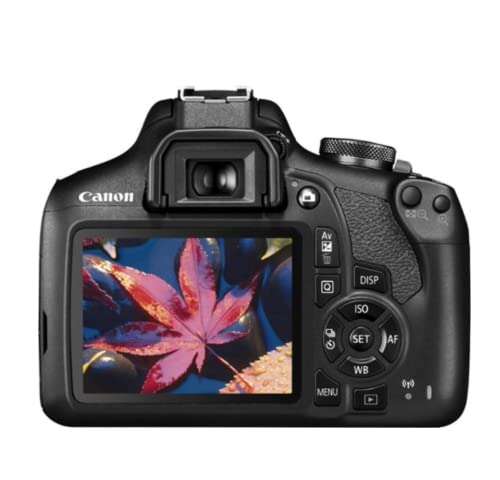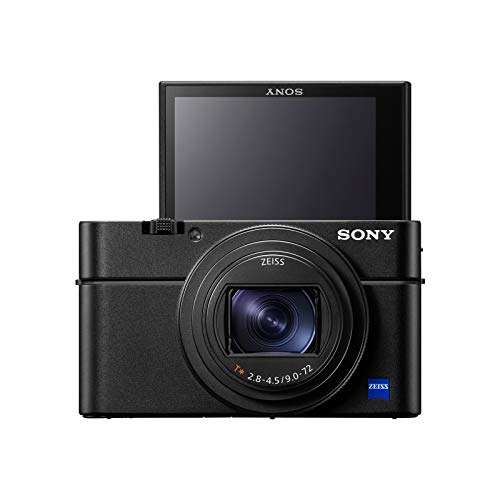
You can buy cameras from trusted online stores, local camera shops, brand websites, major retailers, and used gear marketplaces.
Knowing where can you buy cameras is only the first step. The best place depends on your budget, camera type, warranty needs, and whether you want expert advice or the lowest price. This guide explains the safest buying options, how to compare sellers, and how to avoid costly mistakes.
Where Can You Buy Cameras Online?
Online stores offer the widest camera selection. You can compare prices, read customer reviews, check stock, and find detailed product specifications from home.
When deciding where can you buy cameras online, focus on seller reputation instead of price alone. A deal that looks cheap may exclude a local warranty, charger, battery, or return protection.
Reliable online options include:
• manufacturer websites, such as Canon, Nikon, Sony, Fujifilm, Panasonic, and OM System
• Authorized camera retailers with new, used, and refurbished gear
• Large retailers with clear return policies and fast shipping
• Reputable used-camera marketplaces with condition grades
• Local photography stores that sell online and offer expert support
Brand websites often include official warranties and current product bundles. However, they may not always have the lowest price. Authorized dealers can sometimes offer better packages, trade-in deals, or educational support.
Before placing an order, check the following:
• Is the seller listed as an authorized dealer?
• Does the camera include a US warranty?
• Is the return period long enough for testing?
• Are the battery, charger, strap, and manuals included?
• Are taxes, shipping fees, and restocking fees clearly shown?

Where Can You Buy Cameras in a Local Store?
Local camera shops remain one of the best answers to where can you buy cameras, especially for first-time buyers. You can hold the camera, test the controls, compare sizes, and ask questions from someone who understands photography.
A good camera shop may let you test:
• Grip comfort
• Viewfinder brightness
• Autofocus speed
• Menu layout
• Lens weight
• Touchscreen response
This hands-on test matters. A camera can have excellent specifications but still feel uncomfortable in your hands. Photography becomes much easier when the camera feels natural to use.
Local stores may also provide services that online sellers cannot match. These can include sensor cleaning, repairs, trade-ins, printing, classes, and help with camera settings.
The main limitation is price. Small stores may have higher prices than large online retailers because they carry inventory and provide personal service. Still, the extra help can save money if it prevents you from buying the wrong camera or lens.
A practical approach is to visit a local shop, test several models, and ask for a written quote. You can then compare the total cost with trusted online sellers. If the local shop is close in price, buying there supports a real business and gives you a place to return for help.

Where Can You Buy Cameras From the Manufacturer?
Manufacturer websites are among the safest places to buy new cameras. They sell current models and usually explain warranty coverage, compatible lenses, firmware updates, and official accessories.
This option works well when you want:
• A new camera with a manufacturer warranty
• An official product bundle
• Access to trade-in programs
• Special holiday or education discounts
• Direct customer service
Buying directly can also reduce the risk of counterfeit products. The camera should come with the correct regional plug, warranty card, software, and instructions.
However, buying from a manufacturer may not provide the same personal advice as a local store. You also may not find every accessory at the best price. Compare the full package, not just the body price.
For example, a camera body may look affordable until you add a lens, memory card, spare battery, bag, and insurance. The real cost of a camera system is often much higher than the price printed on the product page.

Where Can You Buy Cameras at Major Retailers?
Major electronics and department retailers are another common answer to where can you buy cameras. These stores may carry entry-level cameras, mirrorless models, action cameras, instant cameras, and popular accessories.
Their advantages include:
• Easy online ordering
• Physical stores in many areas
• Flexible payment options
• Frequent sales
• Simple returns in some cases
• Bundles that include basic accessories
Major retailers can be useful for casual photographers who want a simple camera without visiting a specialty shop. They are also convenient when you need a memory card, tripod, or replacement battery quickly.
Still, check who actually sells the product. Some websites use third-party marketplace sellers. The website may look familiar, but the order could be shipped by a separate company with different warranty and return rules.
Look for phrases such as “sold and shipped by.” Read the seller rating and product description before buying. Avoid listings that use vague words such as “international model,” “new open box,” or “seller refurbished” unless you understand what they mean.
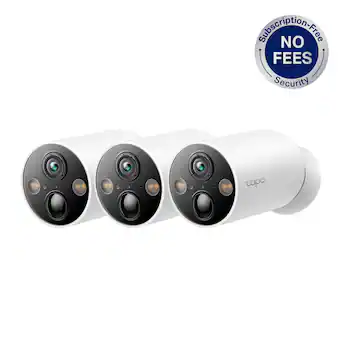
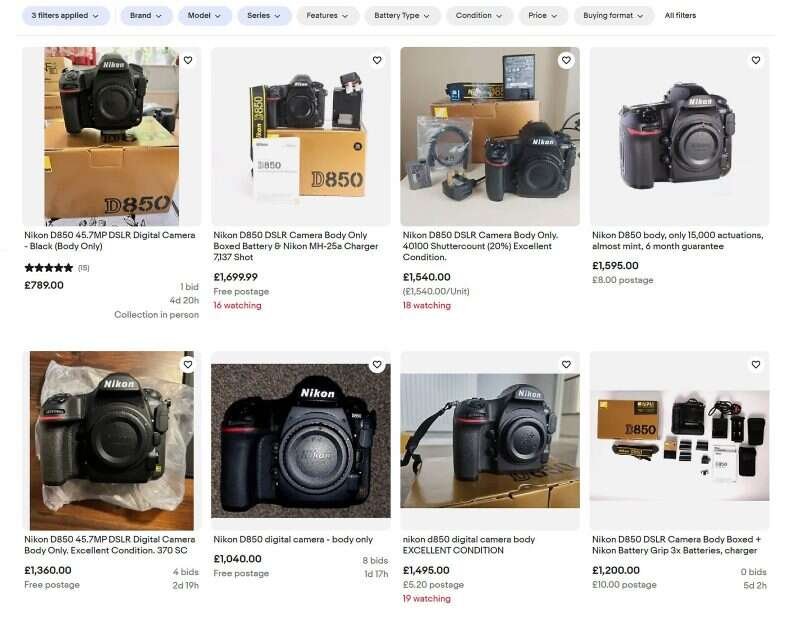
Where Can You Buy Used Cameras?
Used cameras can offer excellent value. Many photographers sell gear that has had light use, and older models often remain capable of producing professional-quality images.
When asking where can you buy cameras used, consider these options:
• Local camera stores with inspection policies
• Established used-gear departments
• Camera forums with trusted member ratings
• Online marketplaces with buyer protection
• Local photography clubs and community groups
A used camera should come with a clear condition description. Sellers may grade gear as excellent, good, or heavily used. These terms are not always identical, so read the details and inspect photos carefully.
Ask about:
• Shutter count for cameras that record it
• Sensor condition
• Scratches on the lens glass
• Fungus or haze inside lenses
• Battery health
• Original accessories
• Repair history
• Water or impact damage
• Return rights
Shutter count can help, but it is not the whole story. A low count does not prove that a camera was treated well, and a higher count does not automatically make it a bad purchase. Electronic shutters may also reduce the value of shutter-count comparisons.
My practical lesson is simple: never buy expensive used gear based on one attractive photo. I once compared a used lens that looked perfect online but had a small amount of internal haze in the description. That detail changed the purchase decision. Small defects can affect image quality and repair costs.
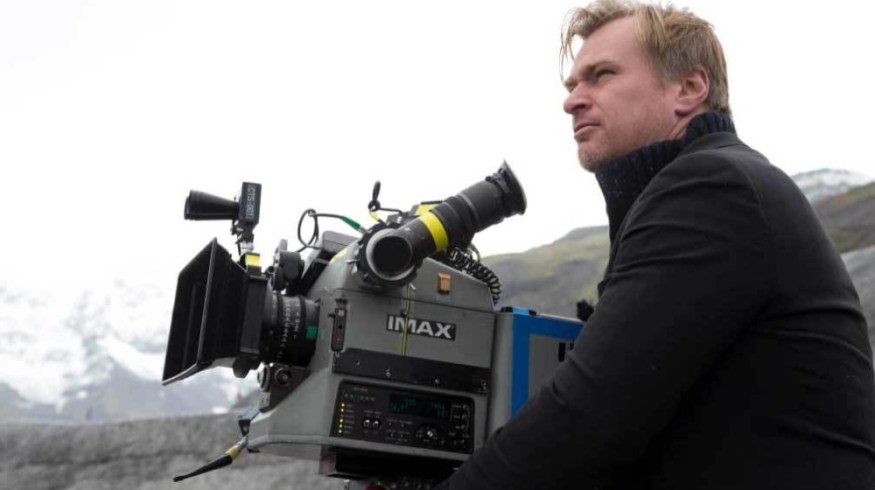
Where Can You Buy Refurbished Cameras?
Refurbished cameras are inspected and, in some cases, repaired before resale. They may come from a manufacturer, authorized retailer, or independent refurbisher.
A refurbished camera can be a smart middle ground between new and used. It may cost less than a new model while offering more confidence than a private sale.
Before buying refurbished gear, confirm:
• Who performed the refurbishment?
• Is there a written warranty?
• What does the warranty cover?
• Is there a return period?
• Has the camera passed a functional test?
• Are cosmetic marks explained?
Manufacturer-refurbished products usually offer the clearest process. Third-party refurbished listings require more care because inspection standards vary.
Avoid any seller that refuses to explain the product’s condition. A trustworthy listing should state whether the camera is refurbished, open box, returned, or previously repaired.

Where Can You Buy Cameras for the Best Price?
The lowest listed price is not always the best value. To find a fair deal, compare the complete purchase cost and the protection included.
Use this process:
-
Choose the camera model and required lens.
-
Check the manufacturer’s suggested price.
-
Compare authorized dealers.
-
Review used and refurbished versions.
-
Add tax, shipping, memory cards, batteries, and insurance.
-
Check warranty and return terms.
-
Confirm that the seller has the correct regional model.
Seasonal sales often appear around major holidays, product launches, and school periods. Older models may also fall in price when a replacement is announced.
Be cautious with prices that are far below the normal market range. The camera may be gray market, counterfeit, incomplete, or tied to a seller with poor support. Gray-market gear may be genuine but intended for another country, which can create warranty and service problems in the United States.
A good deal should feel clear, not confusing. If the listing hides the seller, warranty, or included accessories, the savings may not be worth the risk.

Where Can You Buy Cameras for Different Types of Photography?
The best answer to where can you buy cameras depends on what you plan to photograph. Different camera types suit different needs.
Cameras for beginners
Beginners can look at major retailers, local shops, and manufacturer websites. Entry-level mirrorless cameras, compact cameras, and used DSLR systems can all be good choices.
Focus on:
• Comfortable handling
• Simple controls
• A useful kit lens
• Reliable autofocus
• Affordable extra lenses
Do not spend your full budget on the camera body. A basic camera with a good lens often performs better than an expensive body with a poor lens.
Cameras for travel
Travel photographers may prefer compact mirrorless cameras, premium compact cameras, or action cameras. Look for low weight, strong battery life, image stabilization, and weather protection.
A local shop is useful here because size and weight are easy to misjudge online. A camera that feels light for five minutes may feel heavy after a full day of walking.
Cameras for sports and wildlife
Sports and wildlife photography often require fast autofocus, rapid burst shooting, long lenses, and good high-ISO performance. Specialist camera retailers are helpful because they can explain lens choices and tracking features.
Used gear can reduce the cost of a telephoto lens, but inspect the autofocus system and lens condition carefully.
Cameras for video
Video buyers should compare microphone inputs, overheating limits, stabilization, recording formats, battery life, and screen movement. Manufacturer websites and specialist stores usually provide the clearest specifications.
An action camera may be enough for outdoor clips. A mirrorless camera may be better for interviews, films, or controlled studio work.
How to Check Whether a Camera Seller Is Trustworthy
Knowing where can you buy cameras safely requires more than recognizing a familiar website. A trustworthy seller gives clear information and makes the buying process easy to understand.
Use this checklist:
• Confirm the business address and contact details.
• Read recent reviews from verified buyers.
• Check the return and refund policy.
• Confirm warranty coverage in the United States.
• Avoid pressure to pay outside the website.
• Use a payment method with buyer protection.
• Be careful with stock photos and vague descriptions.
• Compare the seller’s price with several trusted stores.
The Federal Trade Commission recommends checking seller policies and using caution with unusually low prices. Consumer protection agencies also advise keeping receipts, order confirmations, and communication records.
For expensive equipment, pay by credit card when possible. It may offer an additional dispute process if the item never arrives or does not match the listing. Never send cash, gift cards, or direct payment to an unknown seller.
What Should You Buy With a Camera?
A camera rarely works as a complete system by itself. The right accessories improve reliability and protect your investment.
Useful additions include:
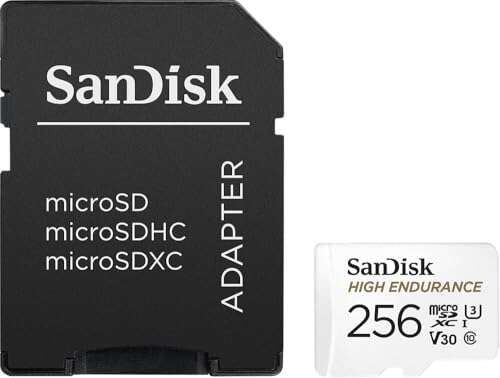
• A compatible memory card
• One spare battery
• A camera bag or protective case
• A lens cleaning cloth
• A small tripod
• A card reader
• A screen protector
• A basic insurance plan for expensive gear
Buy a memory card that matches the camera’s speed and capacity needs. For video, a card with the correct sustained writing speed is important. Cheap, counterfeit memory cards can corrupt files, so buy storage from a trusted seller.
You may not need every accessory at once. Start with the items that help you take and protect photos. Add a tripod, flash, filters, or extra lenses as your skills and needs grow.
Common Mistakes to Avoid When Buying a Camera
Many buyers focus only on megapixels. That can lead to poor choices. Image quality also depends on the sensor, lens, autofocus, lighting, stabilization, and how the camera fits your style.
Avoid these mistakes:
• Buying a camera that is too complex to use
• Spending the whole budget on the body
• Ignoring lens prices
• Assuming more megapixels always means better photos
• Buying from an unknown seller to save a small amount
• Forgetting to check warranty coverage
• Choosing a camera that is too heavy for regular use
• Skipping the return policy
The best camera is the one you will carry and use. A smaller camera that comes with you every day may produce better results than a powerful model left at home.
When I compare cameras, I first consider the person using them. A parent taking family photos needs different features from a wildlife photographer. Matching the camera to the user is more useful than chasing the longest feature list.
Frequently Asked Questions About Where Can You Buy Cameras
Where is the safest place to buy a camera?
The safest places are manufacturer websites, authorized camera dealers, and established local camera stores. These sellers usually provide clearer warranties, return policies, and customer support.
Is it better to buy a camera online or in a store?
Online shopping offers more choices and easier price comparison. A local store lets you test the camera and receive personal advice, so the better choice depends on your needs and experience.
Can you buy good cameras used?
Yes, used cameras can provide excellent value when purchased from a seller with accurate condition reports and buyer protection. Check the shutter count, sensor, lens condition, battery, accessories, and return policy.
Are refurbished cameras worth buying?
Refurbished cameras can be worth buying when they come from the manufacturer or a trusted dealer with a written warranty. Avoid listings that do not explain who inspected or repaired the camera.
How do you know if a camera deal is real?
Compare the price with several trusted sellers and check what the package includes. Be cautious if the price is far below normal or if the listing hides the warranty, seller identity, or return terms.
Should beginners buy a camera from a specialty store?
A specialty store can be a strong choice for beginners because staff can explain controls, lenses, and accessories. However, compare prices and avoid buying extras you do not yet need.
Conclusion
The best answer to where can you buy cameras depends on your budget, photography goals, and need for support. Manufacturer websites and authorized dealers offer strong warranty protection, local stores provide hands-on guidance, and used or refurbished markets can lower the cost.
Compare the full price, seller reputation, warranty, return policy, and included accessories before you buy. Choose a camera that feels comfortable and fits your real life, then start practicing with it often. Explore trusted retailers, test your options when possible, and share your camera-buying experience in the comments.

Everett Ashford is a tech reviewer at mytechgrid.com specializing in SSDs, cameras, TVs, earbuds, headphones, and other consumer electronics. He provides honest, data-driven reviews based on hands-on testing and real-world performance analysis. Everett simplifies complex tech details to help readers make smart, confident buying decisions.