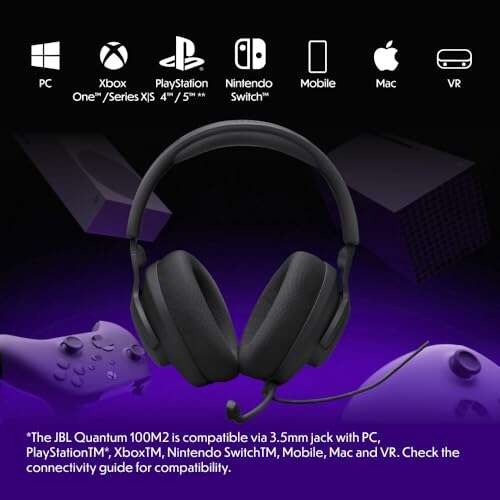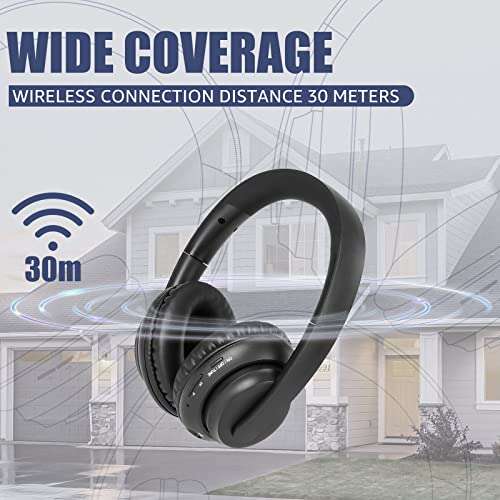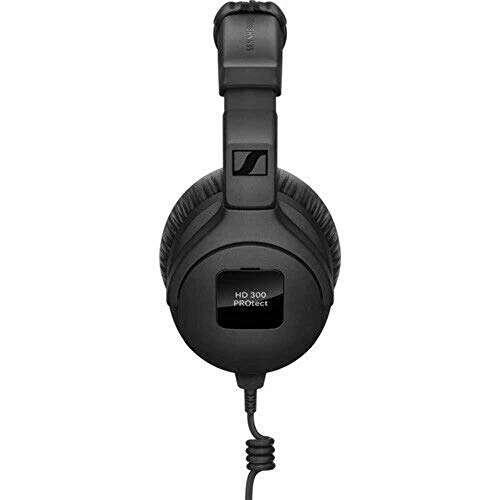
Over-ear headphones cover your ears with padded cups, delivering immersive sound and useful passive noise isolation.
If you are choosing your first pair, it helps to know more than the basic definition. This guide explains what are over ear headphones, how they work, their benefits and limits, and how to choose a comfortable pair for music, travel, work, or gaming.
What Are Over-Ear Headphones?
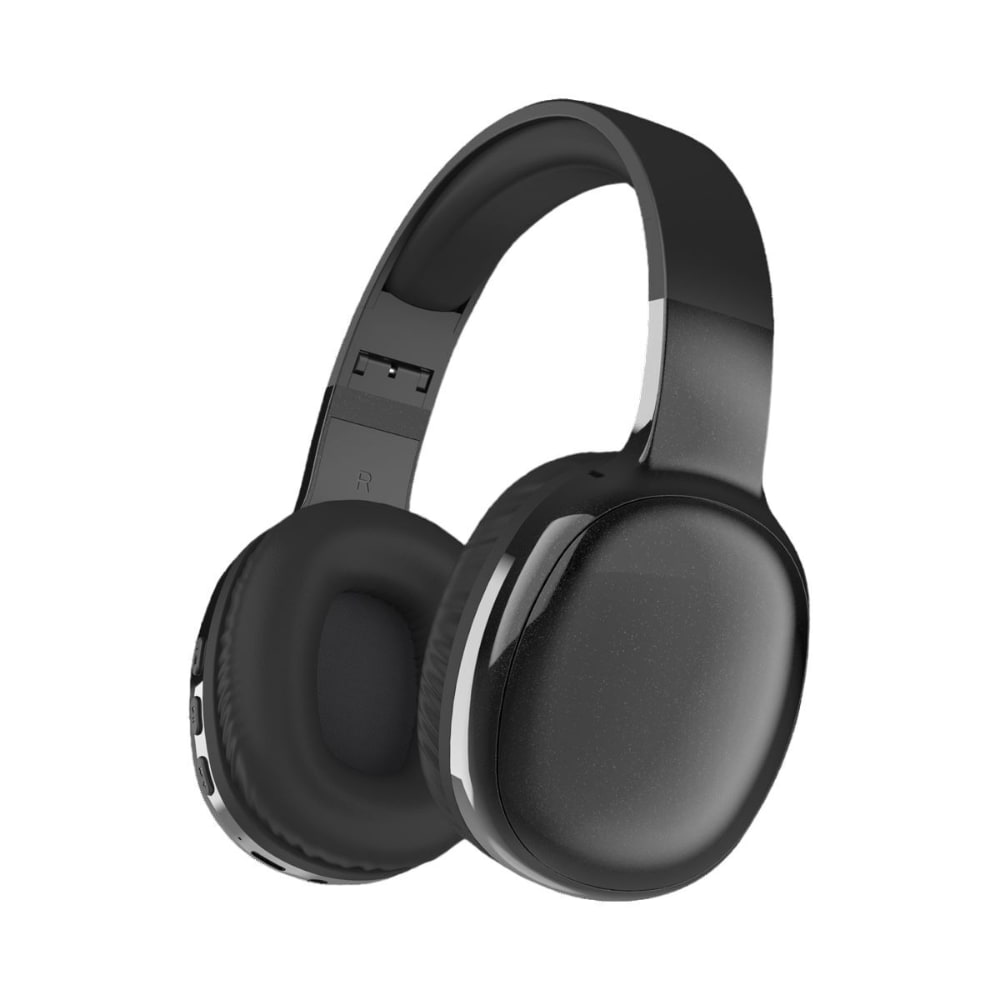
Over-ear headphones are headphones with large ear cups that surround your ears. The cups rest on the sides of your head instead of sitting directly on your ears. A padded headband connects the cups and helps hold them in place.
What are over ear headphones designed to do? They create a small listening space around each ear. This design can improve comfort, sound depth, and noise control compared with smaller headphone styles.


Most over-ear headphones include these parts:
• Ear cups: The outer shells that hold the speakers and other electronics.
• Ear pads: Soft cushions that surround your ears and form a light seal.
• Headband: The adjustable band that supports the headphones on your head.
• Drivers: Small speakers that turn electrical signals into sound.
• Cable or wireless system: The connection that carries audio from your device.


Over-ear headphones can be wired, wireless, or both. Some include active noise cancellation, a microphone, touch controls, and support for high-quality Bluetooth audio.

How Do Over-Ear Headphones Work?
Over-ear headphones use drivers to create sound waves. A driver moves back and forth when it receives an electrical audio signal. These movements create changes in air pressure that your ears hear as music, speech, or other sound.
The ear cups help direct these sound waves toward your ears. Their shape and seal can also reduce outside noise. This is one reason over-ear headphones often sound fuller than basic earbuds.
The main parts that affect sound include:
• Driver size: Larger drivers may create a wider sense of space, but size alone does not guarantee better sound.
• Driver type: Dynamic drivers are common and can deliver strong bass. Planar magnetic drivers may offer detailed, controlled sound but often cost more.
• Frequency response: This shows the range of tones the headphones can reproduce. A wider range does not always mean better sound quality.
• Ear cup design: Closed-back cups block more outside sound. Open-back cups can sound more natural but allow sound to enter and escape.
• Digital signal processing: Wireless headphones may use software to adjust the sound or reduce noise.
When people ask what are over ear headphones, they often focus on the size. Yet the driver, seal, tuning, comfort, and source device all shape the listening experience.

Over-Ear vs. On-Ear vs. In-Ear Headphones
The main difference is where each style sits on or around your ear.
Over-ear headphones surround the entire ear. On-ear headphones rest on the outer ear. In-ear headphones fit inside the ear canal or sit at its entrance.
Here is a simple comparison:


| Headphone type | How it fits | Main strengths | Common limits |
|---|---|---|---|
| Over-ear | Surrounds the ear | Comfort, soundstage, noise isolation | Larger and less portable |
| On-ear | Rests on the ear | Compact and light | Can press on the ear |
| In-ear | Fits in or near the ear canal | Very portable and convenient | Fit can be difficult for some users |
Over-ear headphones usually offer more room for large drivers and thick padding. They can feel less intrusive than in-ear models during long listening sessions.
Still, fit is personal. A lightweight pair of earbuds may feel better to one person than a premium over-ear model. The best choice depends on your ears, daily routine, climate, and listening habits.
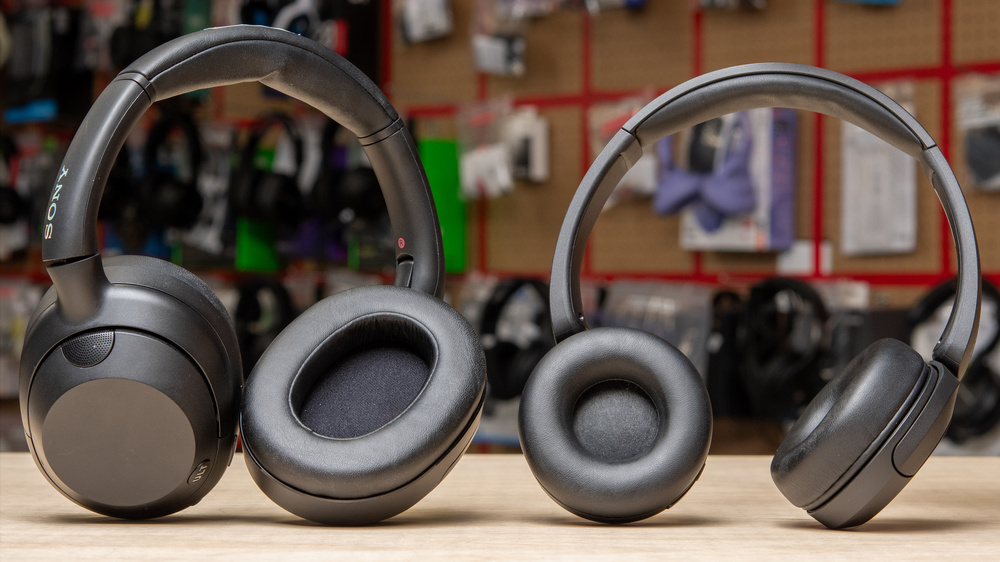
Benefits of Over-Ear Headphones
What are over ear headphones good for? They are useful when you want comfort, strong sound, and better separation from the outside world.
Comfortable listening
The ear pads spread pressure around your ears instead of pushing into the ear canal. A well-padded model can feel comfortable during a long flight, work session, or gaming match.
Comfort depends on more than padding. Weight, clamp force, headband shape, heat buildup, and ear cup depth also matter. If the cups are too shallow, your ears may touch the inside speaker grille.
Strong passive noise isolation
Closed-back over-ear headphones can block some outside noise without electronic processing. The ear pads act like a seal around your ears.
This works well against steady sounds such as air conditioner hum, office noise, or a train engine. It is less effective against sudden voices, alarms, or loud high-pitched sounds.
Immersive sound
The space around your ears can create a wider and more natural listening experience. Music may feel less like it is coming from two small points and more like it is surrounding you.
This effect is helpful for films, games, live recordings, and orchestral music. It does not mean every over-ear model has a wide soundstage, though. Tuning and design still matter.
Long battery life
Wireless over-ear headphones often have larger batteries than wireless earbuds. Many models can last for a full workday or longer, depending on volume, noise cancellation, and features.
Battery life varies by brand and use. Active noise cancellation, high volume, calls, and wireless codecs can reduce the stated playtime.
Useful features
Many current models offer:
• Active noise cancellation
• Ambient or transparency mode


• Multipoint Bluetooth connections
• Built-in microphones
• App-based equalizer controls
• Foldable hinges
• Wired listening through a 3.5-millimeter or USB connection
These features can make over-ear headphones useful at home, in the office, or while traveling.

Limitations of Over-Ear Headphones
Over-ear headphones are not perfect for every person or situation. Their large design creates a few practical drawbacks.
First, they take up more space than earbuds. Even foldable models need room in a backpack or travel case. They can also feel warm around the ears, especially in hot weather.
Second, some pairs are heavy. A heavy headset may cause neck or head fatigue after several hours. Strong clamp force can also create pressure near the temples or jaw.
Third, closed-back headphones may make your ears sweat. Open-back models feel cooler and more spacious, but they leak sound and provide little isolation.
Finally, high-quality over-ear headphones can be expensive. A higher price may bring better materials, but it does not guarantee the right fit or sound for you.

Open-Back and Closed-Back Over-Ear Headphones
The two main ear cup designs are open-back and closed-back.
Closed-back headphones
Closed-back headphones have sealed outer ear cups. They limit sound leakage and provide more passive noise isolation.


They are a strong choice for:
• Travel
• Offices
• Shared rooms
• Recording vocals
• Listening near other people
Closed-back headphones can sometimes produce a more direct or bass-heavy sound. Their sound may feel less airy than that of open-back headphones.
Open-back headphones
Open-back headphones have vents or grilles on the outside of the ear cups. Air can move through the cups, creating a more open sound.
They are often used for:
• Home music listening
• Audio mixing
• Critical listening
• Gaming in a quiet room
Open-back headphones are not ideal for public spaces. People nearby may hear your music, and outside sounds can reach your ears easily.
If you want privacy and noise control, choose closed-back. If you want a natural sound at home, open-back may be a better fit.
Wired and Wireless Over-Ear Headphones
Wired over-ear headphones receive audio through a cable. They do not need a battery when used with a standard analog connection, although some models still need power for noise cancellation or digital features.
Wired models can offer low delay, which is helpful for music production, video editing, and competitive gaming. They also avoid Bluetooth connection problems.
Wireless over-ear headphones connect through Bluetooth or another wireless system. They are easier to use with phones, tablets, and laptops because there is no cable to manage.
Consider these points before choosing:
• Wired models are often simple and reliable.
• Wireless models provide freedom of movement.
• Bluetooth headphones need charging.
• Wireless audio can have slight delay in some games or videos.
• Some wireless models support wired backup use.
A pair that supports both wired and wireless listening gives you more flexibility. It can work for travel, work calls, and home listening without forcing you to own two headsets.

How to Choose Over-Ear Headphones
Knowing what are over ear headphones is only the first step. The right pair should match your daily use.
1. Check the fit
Look for soft ear pads that fully surround your ears. Your ears should not press hard against the inner part of the cup.
The headband should feel secure without creating a painful hotspot. If possible, wear the headphones for at least 10 minutes before buying them.
2. Consider weight
A lighter pair may be better for long work sessions. A heavier model may use stronger materials or larger components, but weight is not always a sign of better quality.
3. Choose the right noise control
Active noise cancellation works best with steady, low sounds. It can reduce engine noise, fans, and air conditioners. It cannot remove every sound, and some people notice a mild pressure sensation when using it.
Transparency mode is useful when you need to hear announcements or speak with someone without removing the headphones.
4. Think about your device
Check whether your phone or computer supports the required Bluetooth features. For wired use, confirm that your device has the correct port or use a suitable adapter.
5. Match the sound to your taste
Bass-heavy headphones can make pop, hip-hop, and action films exciting. Balanced headphones may suit podcasts, classical music, jazz, and long listening sessions.
An equalizer app can adjust the sound, but it cannot fix poor comfort or a bad physical fit.
6. Check microphone quality
If you take calls or join online meetings, read microphone tests rather than trusting marketing terms. A headset may sound excellent but produce a weak or unclear voice signal.
7. Review repair and warranty options
Look for replaceable ear pads, a strong hinge, and a clear warranty. Replaceable parts can extend the useful life of your headphones and reduce waste.

Tips for Safe and Comfortable Listening
Any headphone can contribute to hearing damage if you listen too loudly for too long. A widely used safety approach is to keep the volume moderate and take regular breaks.
The World Health Organization recommends keeping personal listening devices at a safe level and limiting exposure time. A practical habit is to lower the volume in noisy places instead of turning it up to overpower the environment.
Try these habits:
• Keep the volume near a comfortable level.
• Take a short break every hour.
• Use noise cancellation in loud places so you do not need to raise the volume.
• Clean the ear pads and headband often.
• Stop listening if you notice ringing, pain, or muffled hearing.
In my experience testing headphones, comfort problems often appear after the first hour, not the first five minutes. I once chose a pair because it sounded excellent in a short store test, only to find that its strong clamp became tiring during a long flight. The lesson is simple: test comfort for time, not just sound for a moment.

Common Mistakes to Avoid
Many buyers focus on brand names or driver size and overlook the features they will use every day.
Avoid these mistakes:
• Buying without checking the return policy
• Assuming a higher price means better comfort
• Choosing heavy headphones for all-day work
• Ignoring microphone performance
• Using open-back headphones in shared spaces
• Forgetting to check battery life
• Turning up the volume to overcome background noise
• Judging sound quality from specifications alone
Product measurements are useful, but they do not tell the whole story. Reviews, fit tests, and your own listening preferences matter just as much.
Are Over-Ear Headphones Good for Gaming, Work, and Travel?
Over-ear headphones can work well for all three, but the best features differ.
For gaming, look for accurate sound positioning, low wireless delay, a clear microphone, and comfortable padding. A wired model may be useful for competitive play.
For work, prioritize comfort, microphone quality, multipoint connection, and noise cancellation. Multipoint allows some headphones to connect to two devices, such as a laptop and phone.
For travel, choose strong battery life, effective noise cancellation, a foldable design, and a protective case. Closed-back over-ear headphones are usually more practical on planes and trains than open-back models.
Frequently Asked Questions About Over-Ear Headphones
What are over ear headphones used for?
Over-ear headphones are used for music, films, gaming, calls, work, and travel. Their large cups can provide comfort, immersive sound, and passive noise isolation.
Are over-ear headphones better than earbuds?
Neither style is best for everyone. Over-ear headphones often provide stronger comfort and sound isolation, while earbuds are smaller and easier to carry.
Do over-ear headphones block all outside noise?
No. Passive isolation and active noise cancellation can reduce outside sound, but they cannot remove every noise. Voices, alarms, and sudden sounds may still be audible.
Are over-ear headphones safer for your ears?
They can be safer when they help you listen at a lower volume, especially in noisy places. However, loud volume over long periods can harm hearing with any headphone style.
Can you wear over-ear headphones all day?
You can wear them for long periods if they fit well and the volume stays moderate. Take breaks, and remove them if you feel heat, pressure, pain, or discomfort.
Are open-back over-ear headphones good for travel?
Usually, no. Open-back models leak sound and allow outside noise in, so closed-back headphones are generally better for planes, trains, and busy public areas.
Conclusion
Over-ear headphones surround your ears with padded cups, creating a comfortable and immersive way to hear music, films, games, and calls. They can offer strong passive isolation, long battery life, and useful features such as active noise cancellation and transparency mode.
Their size, weight, heat, and price may not suit everyone. Focus on fit, comfort, sound, battery life, microphone quality, and your main listening setting before you buy.
Use this guide to compare your options, test a pair for comfort, and choose headphones that fit your real life rather than relying on specifications alone. Explore trusted reviews, check return policies, and share your own headphone experience in the comments.

Everett Ashford is a tech reviewer at mytechgrid.com specializing in SSDs, cameras, TVs, earbuds, headphones, and other consumer electronics. He provides honest, data-driven reviews based on hands-on testing and real-world performance analysis. Everett simplifies complex tech details to help readers make smart, confident buying decisions.