Open back headphones have vented ear cups that let air and sound pass through the back.
If you want a natural, spacious listening experience, understanding what are open back headphones can help you choose the right pair. This guide explains how they work, where they excel, their limits, and how to use them safely in real life.

What are open back headphones?
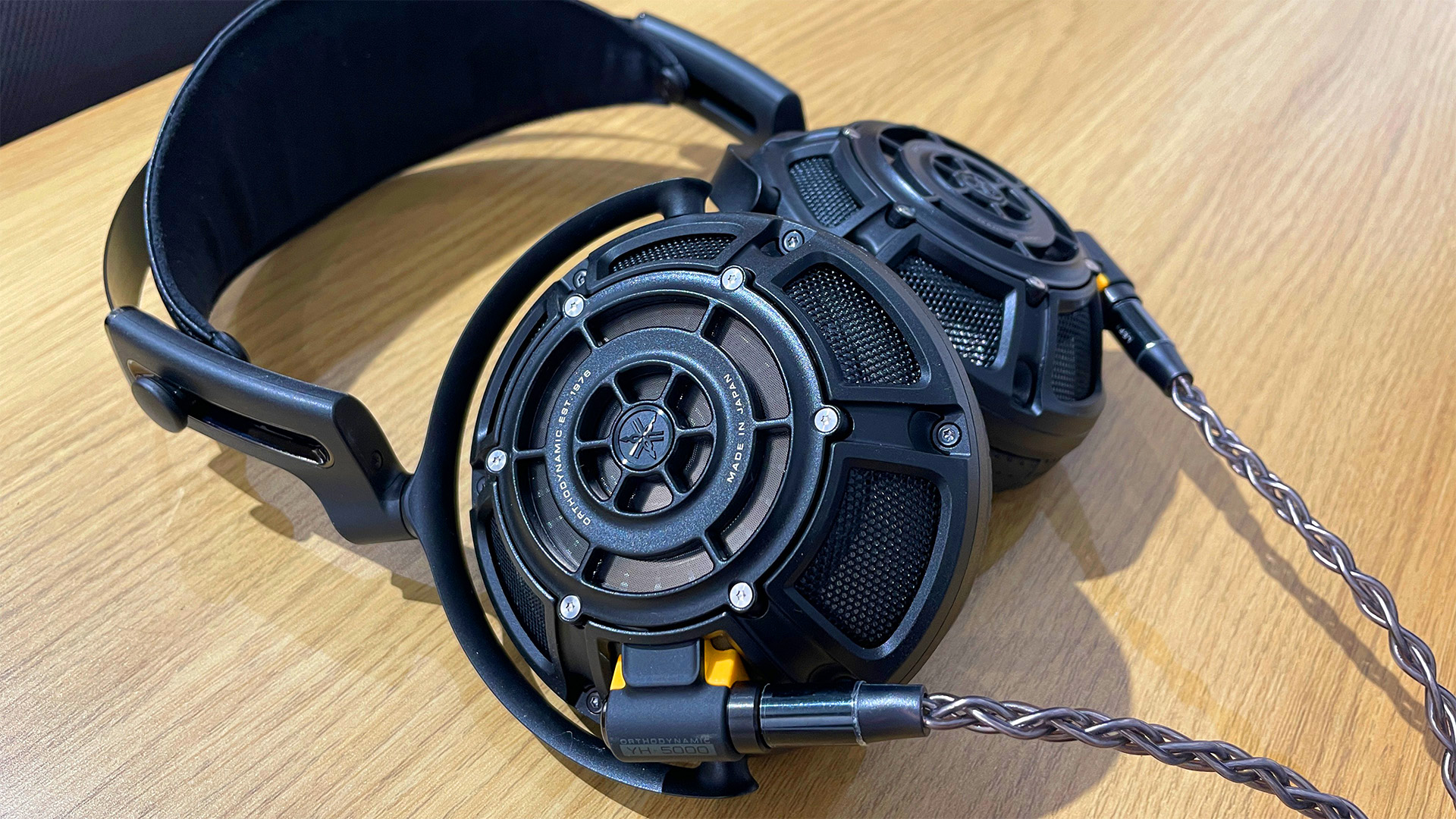
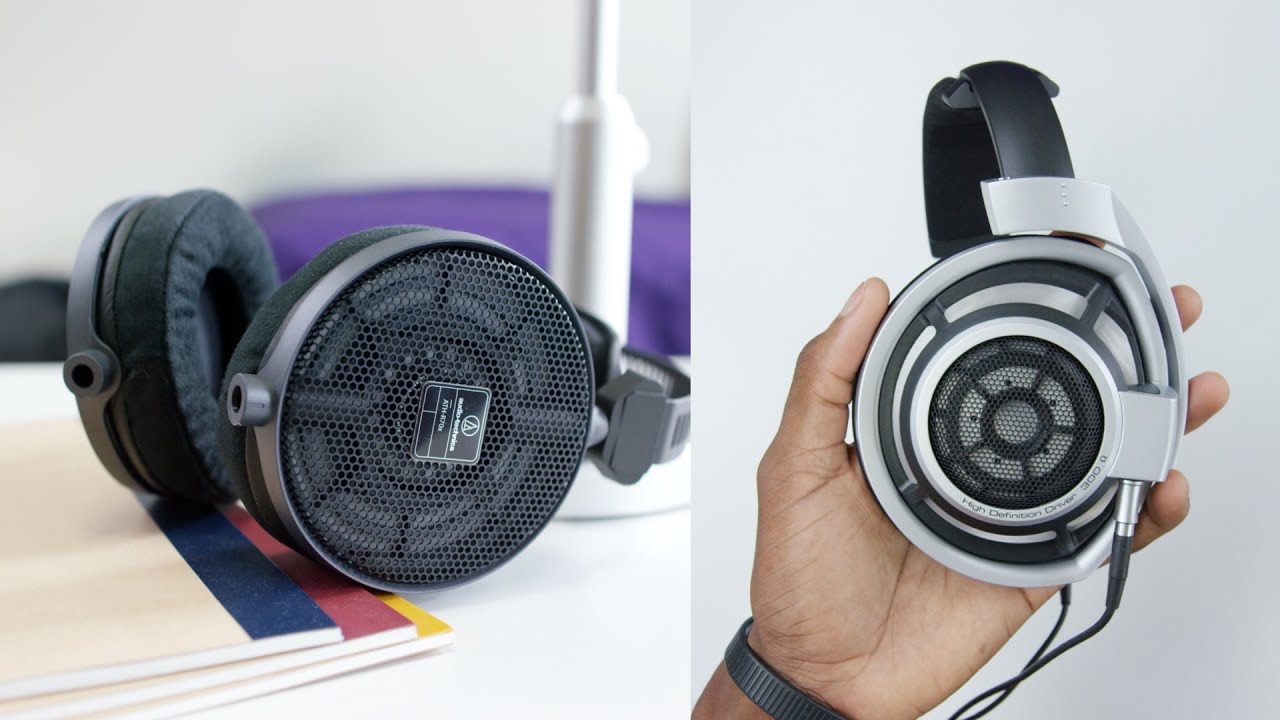
Open back headphones have ear cups with grilles, vents, or open panels on the outer sides. These openings allow air to move around the speaker drivers. They also let some sound travel in and out of the headphones.
That design creates a more open and natural sound. Music can feel wider, less boxed in, and more like it is happening in a room around you. This effect is often called a spacious soundstage.
By contrast, closed back headphones use sealed ear cups. They keep more sound inside and block more outside noise. The key difference is simple: open back headphones breathe, while closed back headphones contain the sound.
Open back headphones are most common in:
• Home listening
• Music mixing and mastering
• Gaming in quiet rooms
• Critical audio testing
• Casual listening where sound leakage is not a concern
They are usually wired, although a few wireless models use an open design. The wired connection helps reduce delay and supports the high-quality audio many listeners expect from this type of headphone.

How do open back headphones work?
Inside every headphone is a driver. The driver changes electrical signals into sound waves. In open back headphones, the rear of the driver is not sealed inside a solid ear cup.
This open structure affects how the driver moves air. Sound waves can travel through the rear grille instead of bouncing inside a closed chamber. As a result, the sound may feel less tight and more natural.
Think of a small room with the windows closed. Sound can become trapped and build up. Open the windows, and the room feels more relaxed. Open back headphones work in a similar way, although the exact sound depends on the driver, ear pads, tuning, and fit.
The open design does not automatically make every headphone sound better. It changes the type of sound you receive. A well-tuned closed back model can sound more accurate than a poorly tuned open model.
Important design features include:
• Driver type, such as dynamic, planar magnetic, or electrostatic
• Ear pad material and shape
• Frequency response
• Impedance and sensitivity
• Headband pressure and fit
• The quality of the amplifier or headphone output
This is why two pairs of open back headphones can sound very different. The open housing is only one part of the complete design.
What do open back headphones sound like?
Open back headphones often sound airy, spacious, and clear. Vocals may seem more separate from instruments. You may also notice more room ambience in live recordings, classical music, jazz, and acoustic tracks.
The soundstage is one of the biggest attractions. Instead of feeling like music is inside your head, it may seem to spread in front of you. This effect is not the same as listening to speakers, but it can feel more speaker-like than typical sealed headphones.
Open back headphones may also provide better instrument separation. You can hear the position of a guitar, drum, or vocal more easily. This quality can help when you want to study a song or check small details in a recording.
However, sound quality is subjective. Some listeners prefer the strong bass and close sound of sealed headphones. Others enjoy the relaxed and open presentation of open back headphones.
Your music choice also matters:
• Classical music can sound wider and more natural.
• Jazz can reveal room tone and instrument placement.
• Acoustic music can feel more lifelike.
• Rock can sound spacious but may have less bass impact.
• Electronic music may lose some physical bass pressure.
A useful approach is to listen for comfort over several hours, not just excitement during the first few minutes. A bright or highly detailed headphone may impress you at first but become tiring later.
Benefits of open back headphones
Open back headphones offer several advantages for home listeners and audio professionals. Their strengths come from the way the ear cups allow air and sound to move freely.
Natural sound and wide soundstage
The open design can produce a broad and relaxed presentation. Instruments may have more space around them. This can make complex music easier to follow.
Better awareness of detail
Many open back headphones are tuned for careful listening. They can reveal changes in recording quality, vocal texture, and instrument placement. This makes them useful for audio editing and mixing.
Less pressure around the ears
Vented ear cups may feel less warm than sealed cups. Air can circulate around the ears, which helps during long listening sessions. Comfort still depends on the pads and headband, but the design can reduce the feeling of heat.
A more speaker-like experience
Open back headphones can feel closer to listening to speakers in a quiet room. You still hear the music through drivers near your ears, but the sound may feel less enclosed.
Helpful for mixing and editing
Audio workers often use open back headphones to judge balance, detail, and stereo placement. They should not replace properly treated studio monitors in every situation, but they can be a useful tool.
My practical advice is to use them for focused listening at a desk. They often show their strengths when you sit quietly and listen to a full album rather than when you use them in a noisy place.

Limitations of open back headphones
The same openings that create a natural sound also create practical problems. Open back headphones are not ideal for every setting.