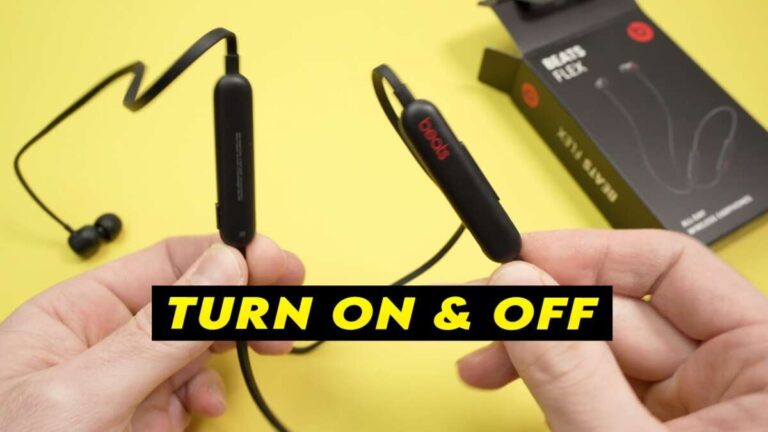
For most people, over-ear headphones are better for long listening, comfort, and lower sound exposure. Earbuds are better for portability, exercise, calls, and travel. Neither is always safer or healthier: the key factors are volume, listening time, fit, and how well you can hear your surroundings.
Introduction
In the United States, earbuds and headphones are part of daily life. People use them for work calls, music, podcasts, gaming, workouts, and travel on buses, trains, and airplanes.
The best choice depends on your needs. Earbuds are small and easy to carry, while headphones often feel more comfortable for long sessions. A good pair of noise-canceling headphones or earbuds may also let you listen at a lower volume in loud places.
This guide compares earbuds and headphones by sound quality, comfort, hearing safety, exercise, travel, calls, cost, and daily use. It also explains how to protect your hearing no matter which type you choose.
Earbuds vs. Headphones: The Short Answer
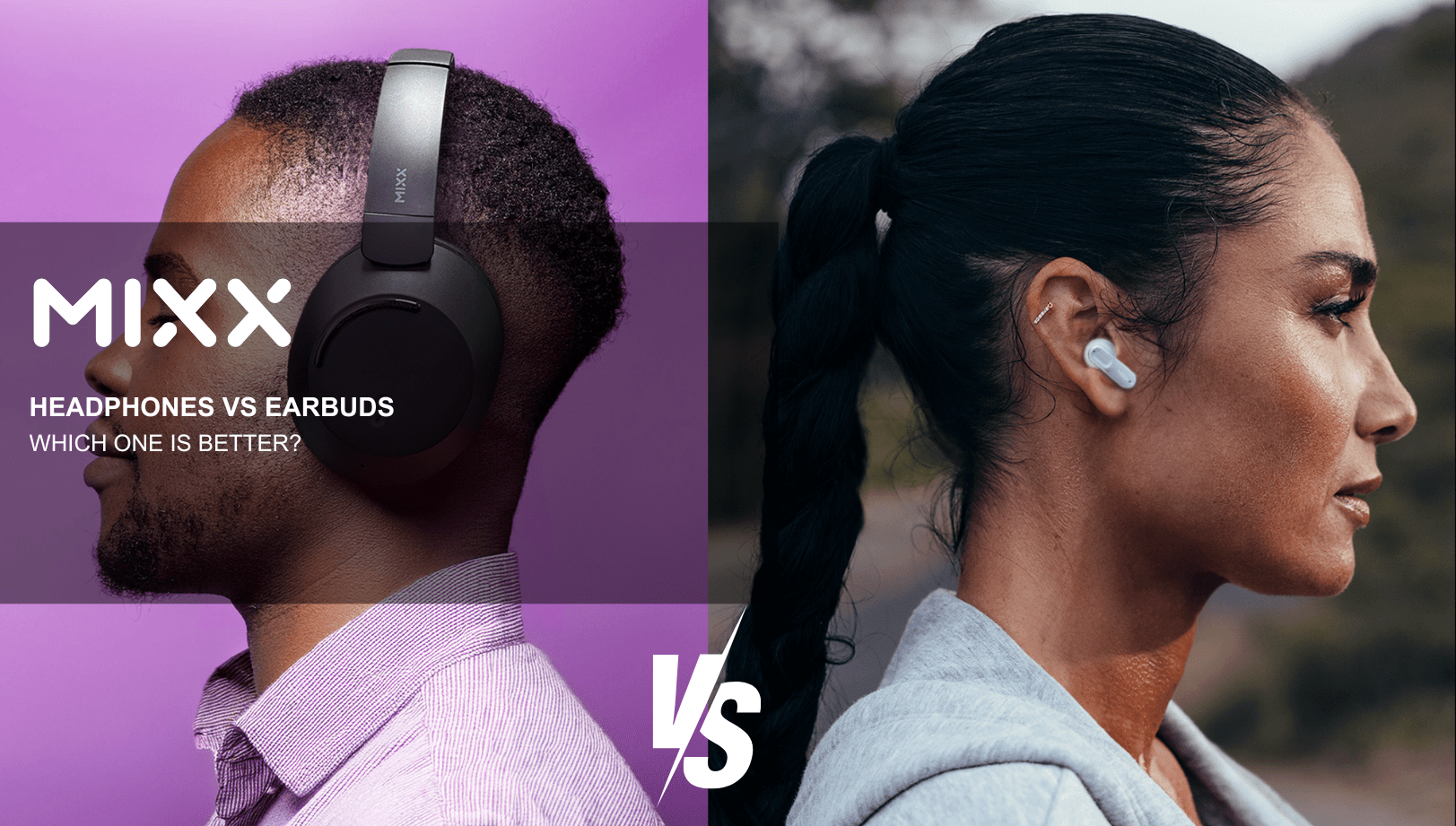
Choose headphones if you want comfort for long sessions, a wide soundstage, strong battery life, or less pressure inside the ear canal. Choose earbuds if you need a small, light device for commuting, exercise, or quick calls.
Here is a simple comparison:
| Factor | Earbuds | Headphones |
|---|---|---|
| Portability | Excellent | Fair to good |
| Long-session comfort | Depends on fit | Often better with over-ear models |
| Exercise | Usually better | Can feel hot or move during activity |
| Soundstage | Good on premium models | Often wider and more natural |
| Noise isolation | Strong with sealed in-ear tips | Strong with over-ear cups |
| Awareness of traffic | Often poor when sealed | Varies by design |
| Heat and sweat | Usually low | Higher, especially over-ear models |
| Battery size | Usually smaller | Often larger |
| Ear-canal pressure | Possible | Usually lower |
| Risk of hearing damage | Depends mainly on volume and time | Depends mainly on volume and time |
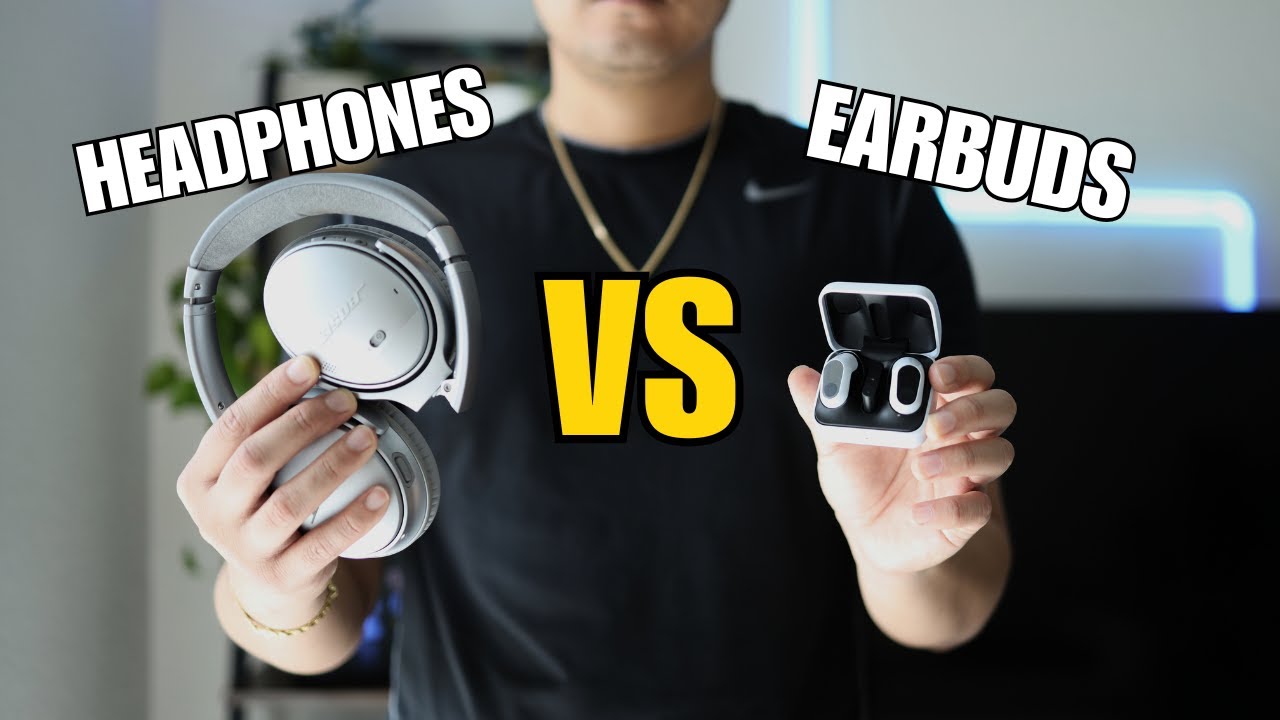
The word headphones can mean several designs. Over-ear headphones cover the whole ear. On-ear headphones rest on the outer ear. Earbuds sit in or near the ear opening. Open-ear headphones send sound toward the ear without fully blocking the ear canal.
That difference matters more than the broad label.

What Is the Difference Between Earbuds and Headphones?
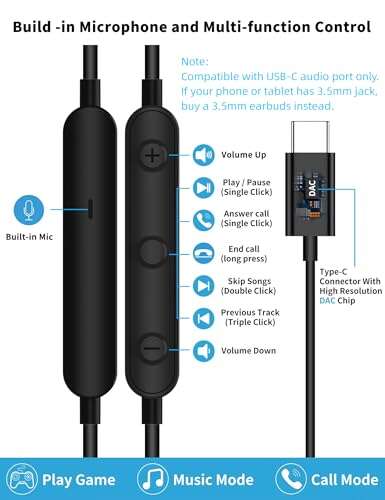
Earbuds sit in or near the ear canal, while headphones use speakers held outside the ear by a headband or ear hooks. Their design changes comfort, sound leakage, awareness, and how much outside noise reaches you.
Earbuds
Earbuds include two main types:
- In-ear earbuds: These use silicone or foam tips that seal part of the ear canal.
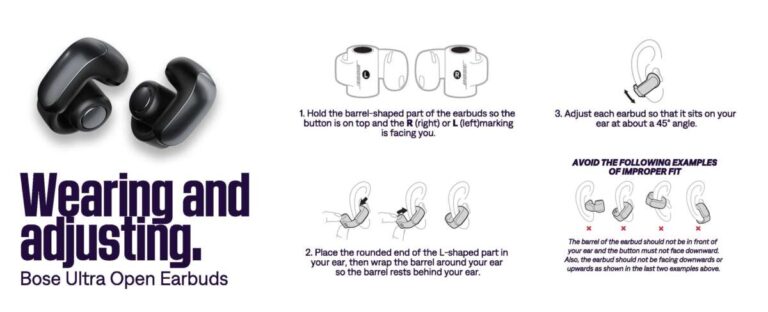
- Open-fit earbuds: These rest near the ear opening and do not form a tight seal.
In-ear earbuds can block outside noise well. This may help you hear music clearly without turning the volume up in a loud place. However, a poor seal may sound thin, slip out, or cause pressure and irritation.
Open-fit earbuds allow more outside sound to enter. They may feel more comfortable to some users, but they often provide less bass and less noise isolation.
headphones
headphones also come in several forms:
- Over-ear headphones: The ear cups surround the ears.
- On-ear headphones: The pads sit directly on the ears.
- Open-back headphones: The ear cups allow air and some sound to pass through.
- Closed-back headphones: The ear cups block more outside sound and reduce sound leakage.
- Open-ear headphones: The speakers sit outside the ear canal, often using air conduction or bone conduction designs.
Over-ear headphones spread pressure around the ear rather than placing a small device in the ear canal. That can make them a better fit for long workdays, study sessions, and home listening.
Still, a tight headband, heavy ear cups, or warm ear pads can create discomfort. Fit matters as much as the type.
Which Is Better for Hearing Health?
Neither earbuds nor headphones are automatically safe. Hearing risk comes mainly from the sound dose: how loud the sound is and how long you hear it.
The National Institute on Deafness and Other Communication Disorders says long or repeated exposure to loud sound can damage the sensitive cells in the inner ear. These cells do not repair themselves in the same way as many other body cells.
The Occupational Safety and Health Administration uses an exposure rule for workplace noise: as sound levels rise, the recommended exposure time falls. This rule is designed for occupational settings, not as a personal limit for every phone or music session. Still, it shows the basic principle clearly: louder sound requires less listening time.
Why earbuds sometimes create more risk
Earbuds place the speaker close to the eardrum. This does not mean they are inherently harmful. But people may turn them up to overcome traffic, office noise, gym music, or airplane noise.
A sealed earbud can also make music sound clear at a lower setting when it fits well. In that case, the earbud may reduce the need for high volume.
Why headphones sometimes help
Over-ear headphones can block outside noise through their ear cups. Active noise cancellation can reduce steady sounds such as an airplane engine or air conditioner. This may make lower listening levels practical.
Noise cancellation does not make loud listening safe. It reduces some outside sound, but it does not protect your ears from loud music played through the headphones.
Signs that your volume may be too high
Watch for these warning signs:
- Ringing or buzzing after listening
- Hearing that seems dull or muffled
- Needing to raise your voice to speak with someone nearby
- Pain, pressure, or unusual sensitivity
- Difficulty hearing speech after removing your device
Stop or lower the volume if these symptoms appear. If ringing, muffled hearing, pain, dizziness, or hearing loss continues, contact a health care professional or hearing specialist.

Are Earbuds or Headphones Better for Long Listening?
Over-ear headphones are usually better for long listening because they avoid pressure inside the ear canal and can feel less intrusive. A light, well-fitted earbud may still be comfortable for many people.
Comfort depends on several details:
- Ear shape
- Tip size and material
- Headband pressure
- Ear-cup depth
- Device weight
- Heat and sweat
- Glasses or earrings
- Listening time
- Whether one ear is more sensitive
An earbud that is too large may cause soreness. One that is too small may loosen, forcing you to push it deeper or raise the volume. Neither is a good sign.
Headphones can cause a different set of problems. Tight clamping force may cause jaw or temple discomfort. Warm ear pads may irritate skin. Wearing them for hours without a break can also make the outer ear sore.
How to improve comfort
Try these steps:
- Start with the smallest earbud tip that forms a stable seal.
- Do not push an earbud farther into the canal than needed.
- Adjust the headband so the ear cups sit evenly.
- Keep the ear pads and ear tips clean.
- Take quiet breaks during long sessions.
- Stop using the device if it causes pain, skin damage, or persistent pressure.
Comfort is not only a luxury. If a device hurts, you may adjust it poorly, increase the volume, or keep using it despite warning signs.

Which Is Better for Exercise and Outdoor Use?
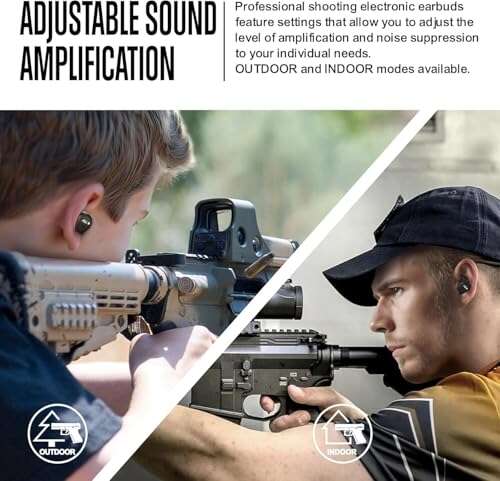
Earbuds are usually better for exercise because they are light and compact. Open-ear headphones may be a better choice when you need to hear traffic, people, or other hazards.
For indoor workouts, sealed earbuds can work well. They stay out of the way and do not trap as much heat as over-ear headphones.
For running or cycling near roads, awareness matters more than sound quality. Sealed earbuds and closed-back headphones can make it harder to hear vehicles, alarms, cyclists, or instructions. That creates a safety concern.
Consider these options:
- Indoor gym: Earbuds or headphones can work, depending on comfort and sweat resistance.
- Outdoor running: Open-ear audio can preserve more awareness.
- Cycling on public roads: Follow local traffic laws and avoid blocking important environmental sounds.
- Walking near traffic: Use low volume, one-ear listening where appropriate, or no audio.
- Heavy sweating: Check the device’s documented water or sweat resistance. Do not assume all sports earbuds are waterproof.
Water resistance ratings describe tested conditions. They do not mean a device is safe for swimming unless the manufacturer specifically says so.
Also clean earbuds after exercise. Sweat, oil, and dirt can irritate the ear canal and the outer ear.

Which Is Better for Travel and Commuting?
Noise-canceling headphones or well-fitted noise-isolating earbuds are often best for air travel and loud public transit. Use the lowest volume that lets you hear clearly.
Travel creates steady background noise. That noise can tempt you to turn up music or spoken audio. Noise cancellation may help by reducing low, constant sounds.
Over-ear headphones often offer:
- Strong passive isolation
- Large batteries
- Comfortable controls
- Less ear-canal contact
- A stable fit during long trips
Earbuds offer:
- Easy storage
- Less bulk in a carry-on bag
- Quick use for short trips
- Separate use of one earbud
- A lighter feel
Noise cancellation does not block every sound. It works best with steady low-frequency noise. It may not remove voices, alarms, announcements, or sudden sounds.
Keep one ear available when you need announcements or safety signals. Do not use audio in a way that prevents you from responding to airport staff, transit workers, emergency alerts, or people nearby.

Which Sounds Better: Earbuds or Headphones?
Headphones often provide a wider soundstage and stronger bass, but premium earbuds can sound excellent. Fit and tuning usually matter more than size alone.
A soundstage is the sense of space and position in audio. Over-ear headphones often create a more open impression because the speakers sit farther from the ear canal.
Earbuds can still provide clear detail and strong bass. In-ear models may create an effective seal, which helps low notes sound full. A poor seal has the opposite effect.
Sound quality depends on:
- Speaker design
- Digital signal processing
- Fit and seal
- Audio source quality
- Codec support
- Equalizer settings
- Hearing ability
- Room or outdoor noise
Open-back headphones can sound natural and spacious, but they leak sound and offer little isolation. They are better for quiet rooms than airplanes, offices, or shared spaces.
For calls, microphone design matters more than speaker size. Wind handling, background-noise processing, and microphone placement can change call quality.

Which Is Better for Work, Gaming, and Calls?
Headphones are often better for long work sessions and gaming, while earbuds are better for quick calls and a less noticeable setup. The right choice depends on comfort, microphone quality, and connection needs.
Work and video meetings
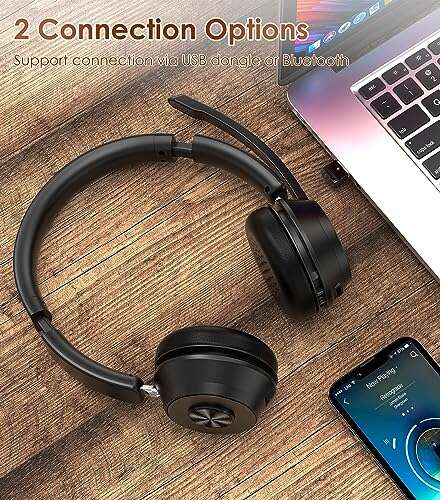
Over-ear headphones can reduce distractions and make speech easier to hear. They may also have a boom microphone that stays near your mouth.
Earbuds are easier to wear with glasses and do not cover your hairstyle or face. They may be more practical for short meetings or calls between tasks.
Check whether the device works with your computer, phone, or video platform. Bluetooth features can vary by operating system and model. Some devices support multipoint connections, while others connect to only one source at a time.
Gaming
Headphones often provide:
- A wider sound field
- Better positional audio
- A larger microphone
- Longer battery life
- More physical controls
Gaming earbuds can be useful when you want a light setup or do not like a heavy headset. Wired models may also reduce battery and wireless-delay concerns.
For competitive play, confirm the platform, connection type, microphone support, and audio delay before buying. A product’s general Bluetooth support does not guarantee every gaming feature.
Phone calls
Earbuds are convenient for calls on the move. Headphones may perform better in wind or busy places if they use a boom microphone and strong noise processing.
Before choosing, check independent call tests when possible. Manufacturer specifications can describe features, but they do not prove that the microphone will sound clear in every environment.

Do Earbuds Cause Ear Infections or Earwax Problems?
Earbuds do not automatically cause infections, but frequent use can trap moisture, push wax deeper, or irritate the ear canal. Clean them and stop use if your ears become sore, itchy, or wet.
Earbuds can block airflow and hold sweat or moisture near the ear canal. Dirty tips can also carry bacteria. Pushing earbuds into the canal may move wax deeper or create small areas of irritation.
To reduce problems:
- Clean ear tips according to the manufacturer’s instructions.
- Let earbuds dry after exercise.
- Do not share earbuds.
- Avoid inserting cotton swabs deep into the ear.
- Do not use earbuds in an irritated or infected ear.
- Replace damaged or dirty tips.
- Give your ears breaks during long use.
Do not try to remove impacted earwax with sharp objects. If you have pain, drainage, a blocked feeling, reduced hearing, fever, or repeated infections, seek medical care.
Headphones can irritate the outer ear and skin too. Wipe ear pads often, especially if several people use the same headset.
How Loud Is Too Loud?
A simple rule is to keep the volume as low as possible and take breaks. If someone beside you can hear your audio, or you must raise your voice to talk, the sound may be too loud.
Phone volume percentages are not a reliable measurement across devices. A 60% setting on one phone may not match 60% on another. The same setting can also produce different sound levels with different headphones.
Use these practical checks:
- Lower the volume before putting on the device.
- Raise it only enough to hear clearly.
- Use noise cancellation or a good seal in loud places.
- Take quiet breaks.
- Avoid falling asleep with loud audio.
- Turn down bass-heavy music if it makes you increase overall volume.
- Pay attention to ringing or muffled hearing afterward.
The World Health Organization’s safe-listening guidance uses exposure concepts based on sound level and time. The exact risk for a person depends on the actual sound reaching the ear, the duration, and repeated exposure. Because consumer devices do not always show a calibrated sound level at the eardrum, personal volume habits remain important.
How to Choose Between Earbuds and Headphones
Choose the design that fits your main setting, stays comfortable, and lets you hear clearly at a modest volume.
Use this decision guide:
| Your main need | Better starting choice | Why |
|---|---|---|
| Long work sessions | Over-ear headphones | Less ear-canal pressure and strong comfort potential |
| Daily commute | Noise-canceling earbuds or headphones | Helps reduce the urge to raise volume |
| Running near roads | Open-ear headphones | Preserves more outside awareness |
| Gym workouts | Sweat-resistant earbuds | Light and less bulky |
| Home music listening | Over-ear headphones | Wider soundstage and relaxed fit |
| Small bag or pocket carry | Earbuds | Compact charging case |
| Frequent video calls | Headset or earbuds with a good microphone | Better voice pickup and control |
| Gaming | Headphones or low-delay wired earbuds | Often better positional sound and connection stability |
| Sensitive ear canals | Over-ear headphones | Avoids inserting a device into the canal |
| Shared office | Closed-back headphones or low-leakage earbuds | Reduces sound leakage |
Before buying, check five things:
- Fit: Can you wear it for at least 30 minutes without pain?
- Volume control: Can you lower the sound easily?
- Awareness: Can you hear important sounds where you use it?
- Cleaning: Can you clean the tips or ear pads?
- Compatibility: Does it support your phone, computer, console, and call system?
The most expensive design is not always the best one. A simple device that fits well and encourages safer volume may serve you better than a feature-heavy model you avoid wearing.

Common Mistakes to Avoid
Most problems come from poor fit, excessive volume, dirty parts, or using the wrong design for the setting.
Mistake 1: Turning up the volume to block noise
Use a better seal or noise cancellation first. A louder setting can increase hearing risk even if the music sounds clear.
Mistake 2: Assuming noise cancellation protects hearing
Noise cancellation reduces some outside noise. It does not cancel the sound produced by the headphones.
Mistake 3: Wearing painful earbuds
Pain is a fit problem, not something to ignore. Try another tip size or a different design.
Mistake 4: Using sealed audio near traffic
Use open-ear audio, low volume, one-ear listening where safe, or no audio when awareness is essential.
Mistake 5: Cleaning ears with cotton swabs
Cotton swabs can push wax deeper and irritate the canal. Clean only the outer ear unless a clinician gives you other instructions.
Mistake 6: Ignoring temporary hearing changes
Ringing and muffled hearing after listening are warning signs. Stop the exposure and seek care if symptoms persist or recur.

Key Takeaways
- Headphones are often better for long listening and comfort.
- Earbuds are often better for portability, workouts, and quick calls.
- Open-ear models are useful when you need to hear your surroundings.
- Volume and listening time matter more than whether the device is an earbud or headphone.
- Noise cancellation may help you listen at a lower volume, but it does not make loud audio safe.
- Pain, ringing, drainage, or lasting muffled hearing should not be ignored.
Frequently Asked Questions
Are headphones safer than earbuds?
Not always. Headphones may make it easier to keep the volume low, especially in a comfortable, noise-isolating design. But loud headphones can damage hearing just as loud earbuds can.
Are wireless earbuds worse for your hearing?
Wireless technology itself is not the main hearing risk. The important factors are sound level, listening time, and fit. Wireless earbuds can still be harmful if you use them loudly for long periods.
Can I wear earbuds every day?
You can use earbuds daily if they fit well, stay clean, and you keep the volume moderate. Take breaks and stop if you develop pain, irritation, ringing, or muffled hearing.
Are open-ear headphones safer?
Open-ear headphones may improve awareness because they do not fully block the ear canal. They are not automatically safer for hearing, though. You can still play them too loudly, especially in a noisy place.
Should I use one earbud at a time?
One-ear listening can help you stay aware of your surroundings, but it may lead you to raise the volume in the earbud you use. Keep the level low and avoid audio when full awareness is needed.
Conclusion
The better choice depends on where and how you listen. Pick over-ear headphones for long sessions, home use, and a spacious sound. Pick earbuds for portability, exercise, and quick calls. Pick open-ear audio when hearing your surroundings is a priority.
No design removes the need for safe listening. Keep the volume low, take breaks, clean the parts that touch your skin, and stop using the device if it causes pain or lasting hearing changes.

Everett Ashford is a tech reviewer at mytechgrid.com specializing in SSDs, cameras, TVs, earbuds, headphones, and other consumer electronics. He provides honest, data-driven reviews based on hands-on testing and real-world performance analysis. Everett simplifies complex tech details to help readers make smart, confident buying decisions.