For most people in the United States, neither earbuds nor headphones is always better for your ears. Hearing safety depends more on volume, listening time, fit, and the sound around you than on the device type.
Over-ear headphones may be the better choice for long listening because they sit outside the ear canal. Earbuds can also be safe when they fit well and play at a low volume. The most important rule is simple: keep the sound low, take breaks, and stop if your ears ring or feel muffled.
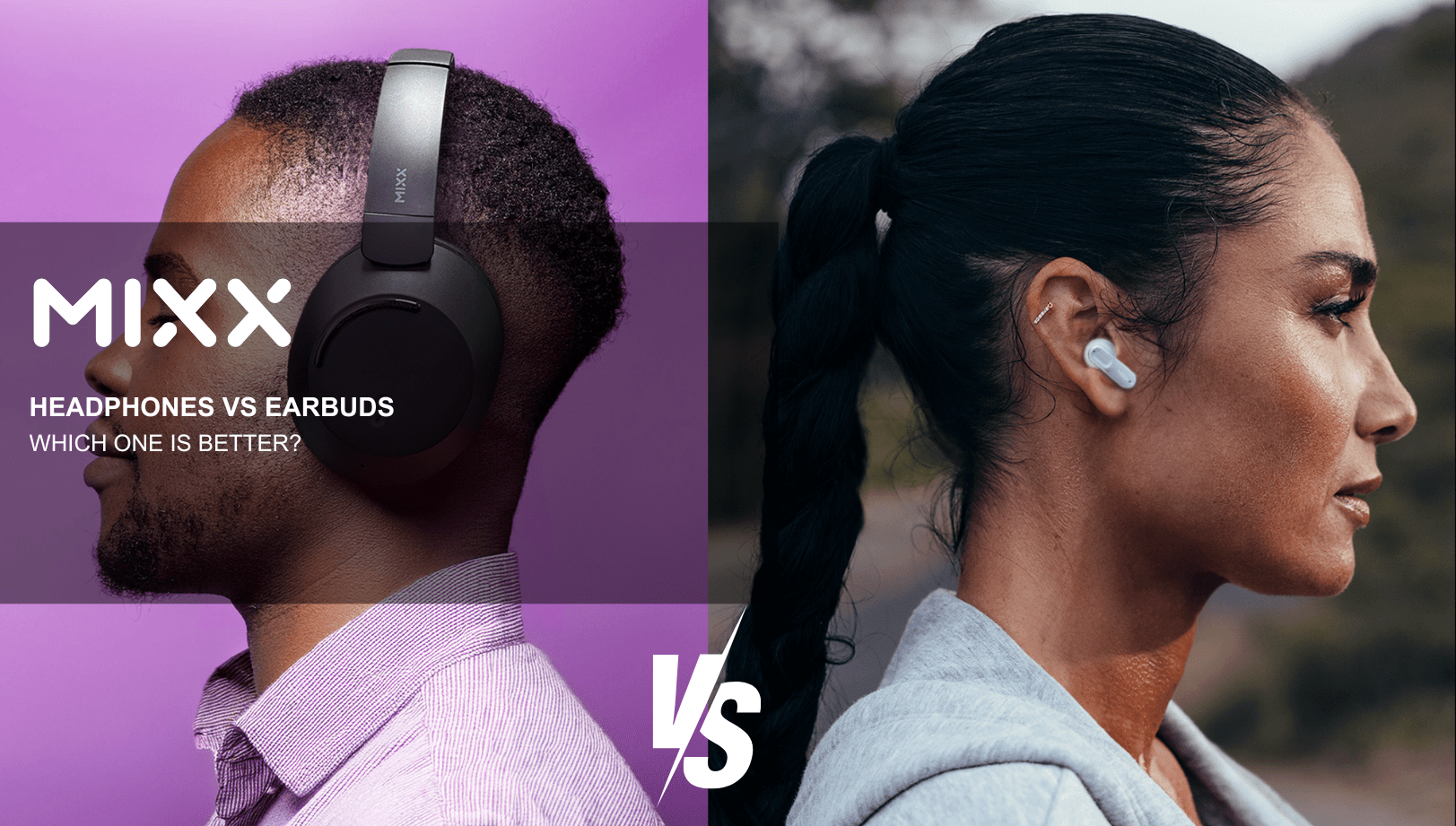
Earbuds vs. headphones: the short answer
Over-ear headphones are often the easier option for safer long listening, but well-fitted earbuds are not automatically harmful. Both can damage hearing when they deliver loud sound for too long.
Here is the basic comparison:
| Factor | Earbuds | Over-ear headphones |
|---|---|---|
| Where they sit | In or near the ear canal | Around or over the ears |
| Main safety concern | Sound is close to the eardrum; poor fit may cause higher volume | Users may turn them up in loud places |
| Noise isolation | Often good with a sealed fit | Can be good, especially with active noise cancellation |
| Comfort for long use | Varies by ear shape and tip size | Often more comfortable for extended use |
| Hygiene | Ear tips can collect sweat and earwax | Ear pads can also collect sweat and oils |
| Best safety feature | A secure fit at a low volume | Good isolation at a low volume |
| Common drawback | Easy to forget how loud they are | Bulky and warm for some users |
The device itself does not set a safe volume. Your phone, tablet, computer, or music app may show a volume percentage, but that percentage is not the same as a measured sound level for every pair of headphones.
How earbuds and headphones can affect hearing
Hearing damage comes from sound dose: how loud the sound is and how long your ears receive it. A short burst of very loud sound can be harmful. Lower sound for many hours can also create risk over time.
Loud sound can injure sensitive hair cells in the inner ear. These cells help turn sound into signals for the brain. Once they are damaged, the body cannot reliably repair them.
This risk applies to both earbuds and headphones. The difference is often practical:
- Earbuds may sit close to the eardrum, so a high setting can deliver a strong sound dose.
- Headphones may leak less sound into the room, but users can still turn them up too far.
- Noise-canceling headphones and earbuds can reduce the need to raise the volume near traffic, airplanes, gyms, and busy offices.
- A poor seal may make music sound weak. Some people respond by raising the volume, which increases risk.
- A good seal may improve sound at a lower setting, but it does not make loud listening safe.
The National Institute on Deafness and Other Communication Disorders explains that repeated exposure to loud sound can lead to noise-induced hearing loss. The World Health organization also recommends managing both listening level and listening time.
A useful way to think about it is this: your ears do not care whether the sound comes from a tiny earbud or a large headphone. They respond to the sound that reaches them.
Which is safer for long listening?
Over-ear headphones may be safer for long listening when they fit well and help you keep the volume down. This is a practical advantage, not a guarantee.
Over-ear models place the speaker outside the ear canal. They may also create a wider, less direct sound field. That can feel less tiring for some listeners. However, comfort does not prove that the volume is safe.
Earbuds can work well for long use if they:
- Fit securely without pressure or pain.
- Seal the ear well enough that you do not need high volume.
- Do not cause itching, soreness, or a blocked feeling.
- Are removed for regular breaks.
- Stay clean and dry.
Some people prefer earbuds because they are light and easy to carry. Others find that earbuds cause ear canal pressure or make their ears feel warm. Comfort matters because discomfort may lead to unsafe adjustments, such as pushing the earbuds deeper or increasing the volume.
For an airplane, train, or loud workplace, noise cancellation can be useful in either form. It may help you hear speech or music without competing with outside noise. Still, noise cancellation does not remove the sound dose from the music itself.
What about open-back headphones?
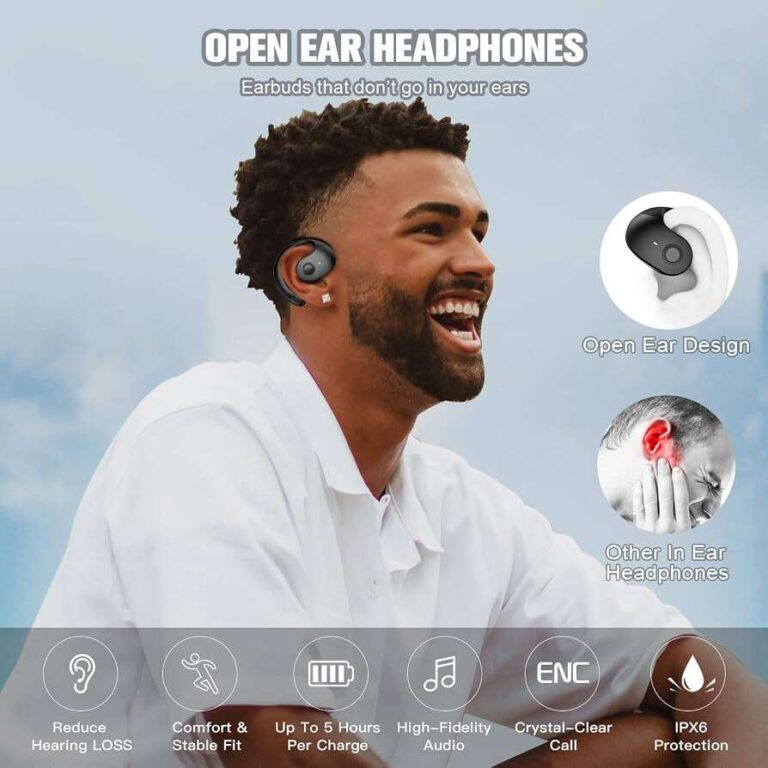
Open-back headphones let some outside sound pass through. They can feel more natural and may reduce the urge to raise the volume in a quiet room. They are not ideal in loud places because outside noise can mask the music.
Closed-back headphones block more outside sound. They may be more useful on a commute or near household noise, but their seal can encourage long, uninterrupted listening. Use either type at a moderate level.

Safe volume and listening time
There is no single volume percentage that is safe for every device. The same 50% setting can produce different sound levels with different phones, apps, headphones, and recordings.
Use these practical checks:
Use the 60/60 rule as a simple starting point
Try listening at about 60% of the maximum volume for no more than 60 minutes at a time, then take a quiet break. This is a simple habit, not a medical limit or a guarantee of safety.
If the sound is loud enough that you cannot hear someone speaking nearby, lower it. If people near you can clearly hear your music from your earbuds, it is probably too loud.
Watch for warning signs
Turn the volume down and give your ears a break if you notice:
- Ringing or buzzing after listening.
- Muffled hearing.
- Trouble understanding speech.
- Ear pain, pressure, or unusual sensitivity.
- A need to raise the volume over time.
- Dizziness or balance problems.
Temporary ringing or muffled hearing is not something to ignore. It may mean the sound was too loud, even if the feeling later goes away.
Use device safety controls
Many phones and music apps offer tools such as:
- Headphone audio limits.
- Loud-sound notifications.
- Hearing-health summaries.
- Volume locks for children.
- Automatic exposure alerts.
These tools can help, but they may not measure every listening situation perfectly. Check the setting after a software update or when you switch devices.
Take quiet breaks
A break gives your ears time away from sound. It does not erase damage from a loud session, but it can reduce your total daily exposure.
For long work, study, or travel sessions, remove the earbuds or headphones for a few minutes each hour. In a loud setting, use hearing protection that is designed for the environment rather than relying only on consumer headphones.

How fit and noise cancellation change the answer
A good fit can make either earbuds or headphones safer because it may reduce the need for high volume. Fit is one of the most overlooked parts of hearing safety.
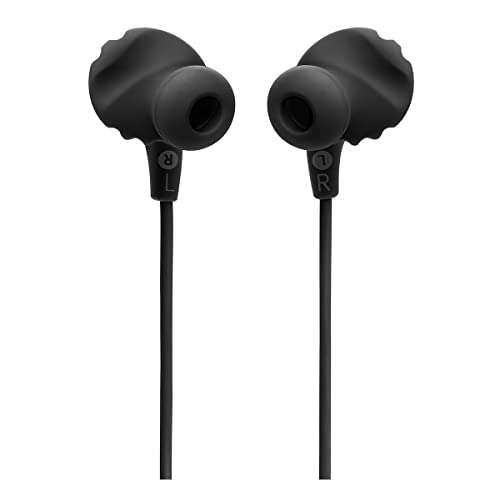
Earbuds should sit securely without being forced deep into the ear canal. Try a different tip size if the earbuds slip, hurt, or sound thin. A stable seal should improve bass and speech clarity without creating pain.
Headphones should cover the ears without pressing hard. If the ear pads leak sound, you may raise the volume to compensate. If they are too tight, you may remove them often or wear them incorrectly.
Noise cancellation can help in loud environments. Active noise cancellation produces a signal that reduces some outside noise. It does not make music harmless, and it may not block every sound, especially voices or sudden high-pitched noise.
Do not use noise-canceling earbuds as a way to stay unaware of traffic, alarms, bicycles, or other hazards. In public places, awareness may matter more than sound quality.
A simple fit test
- Start with a low volume.
- Play familiar speech or music.
- Move to a slightly noisier area.
- Raise the volume only enough to hear clearly.
- Stop if the sound becomes sharp, painful, or tiring.
- Ask someone nearby whether they can hear sound leaking from your earbuds.
If the earbuds keep falling out, replace the tips or choose another design. A poor fit is not a reason to keep turning the volume up.

Earbuds or headphones for specific situations
The better choice depends on where and how you listen.
| Situation | Usually better choice | Reason |
|---|---|---|
| Quiet home listening | Either type | Low background noise makes safe volume easier |
| Long desk sessions | Comfortable over-ear headphones | Less ear canal contact for many people |
| Exercise | Secure earbuds or sport headphones | They are lighter and less likely to move |
| Air travel | Well-fitting noise-canceling earbuds or headphones | Isolation may reduce the need for high volume |
| Shared office | Either type with good isolation | Helps avoid disturbing others |
| Awareness near roads | Open design or no headphones | You need to hear traffic and warnings |
| Children | Properly fitted child-size headphones with volume control | Smaller ears and longer listening can raise concern |
| Earwax or ear canal irritation | Over-ear headphones, if comfortable | Keeps pressure and objects out of the canal |
These are general choices, not medical rules. A person with hearing aids, frequent ear infections, tinnitus, ear surgery, or pain may need a different approach.
Children may need extra supervision. They may not recognize that sound is too loud or may wear headphones for many hours. Use parental volume controls and check the fit often.
At work, consumer headphones may not count as hearing protection. If an employer requires hearing protection, follow the workplace program and use approved protective equipment.
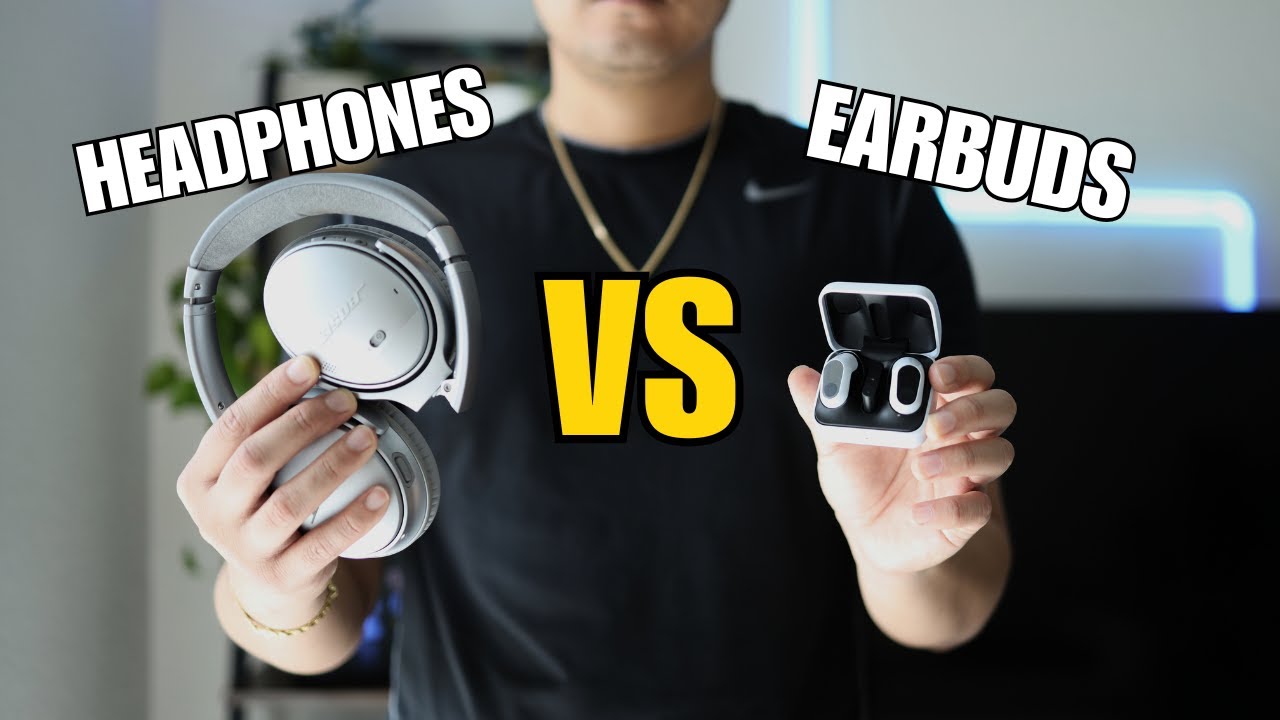
Ear health, hygiene, and comfort
Clean listening gear and dry ears reduce irritation, but cleaning does not prevent hearing damage from loud sound.
Earbuds can trap moisture, sweat, and wax in the ear canal. Clean the removable tips according to the manufacturer’s instructions. Let them dry before use. Do not share earbuds unless they have been cleaned properly.
For headphones, wipe the ear pads and headband. Replace cracked or peeling pads when possible. Dirty pads can irritate the skin and may worsen acne or dermatitis around the ears.
Avoid putting cotton swabs, hairpins, or other objects deep into your ear canal. The American Academy of Otolaryngology—Head and Neck Surgery warns that objects can push wax deeper or injure the ear.
Give your ears air if they feel damp or sore. Stop using a device that causes pain. Persistent itching, discharge, swelling, or pain needs medical advice.
When to seek care
Contact a health professional if you have:
- Sudden hearing loss in one or both ears.
- Severe or persistent ringing.
- Ear drainage or bleeding.
- Ongoing pain or pressure.
- Dizziness or balance problems.
- Hearing changes that last after a loud event.
Sudden hearing loss can require urgent treatment. Do not wait for it to resolve on its own.

Common mistakes that make listening less safe
Many hearing problems come from habits, not from choosing the “wrong” device.
Turning up the volume in noisy places
This is one of the most common problems. Move to a quieter place, use better-fitting equipment, or pause the audio instead of competing with the noise.
Using a poor fit
Loose earbuds often sound weak. Tight headphones may cause pain. Choose equipment that stays in place without force.
Wearing audio gear all day
A comfortable headset can make long exposure easy to overlook. Schedule breaks, even when your ears feel fine.
Assuming noise cancellation protects hearing
Noise cancellation can reduce outside noise. It does not protect you from loud music or podcasts.
Cleaning ears too aggressively
Earwax is normal and often protects the ear canal. Do not try to remove deep wax yourself. Ask a health professional if wax blocks hearing or causes symptoms.
Ignoring ringing
Ringing after listening is a warning sign. Lower the volume and rest your ears. Seek care if it continues or comes with hearing loss or dizziness.

How to choose the better option for your ears
Use this quick decision process:
- Check your setting. If the area is loud, choose a device with a secure seal or noise reduction, but keep the audio moderate.
- Check comfort. Choose the style that does not cause pain, pressure, heat, or itching.
- Check stability. If earbuds slip, try another tip or a different style.
- Set a volume limit. Use your device’s headphone safety controls.
- Plan breaks. Do not wait for discomfort before removing the device.
- Check your symptoms. Ringing, muffled hearing, and pain mean you should stop and reassess.
- Protect awareness. Do not block important sounds near traffic, machinery, or other hazards.
If both options feel comfortable, over-ear headphones are a reasonable choice for long, quiet listening. If portability and exercise matter most, earbuds may be more useful. In either case, the safer choice is the one that lets you hear clearly at the lowest comfortable volume.

Frequently asked questions
Are earbuds worse for your ears than headphones?
Not always. Earbuds sit closer to the ear canal, but headphones can also deliver damaging sound. Volume, time, fit, and breaks matter more than the label on the device.
Are wireless earbuds safe?
Wireless earbuds are generally not a special hearing risk simply because they use Bluetooth. The main concern is the sound level reaching your ears. Keep the volume moderate and take breaks.
Are noise-canceling headphones better for hearing?
They may help you avoid raising the volume in a noisy place. They do not make loud audio safe. Keep music and calls at a moderate level.
Can headphones cause ear infections?
Headphones and earbuds do not automatically cause infections. Sweat, moisture, dirty surfaces, skin irritation, and prolonged ear canal blockage may contribute to problems for some people. Clean the gear and stop use if pain or discharge develops.
How long should I wear earbuds each day?
There is no universal safe daily time for every volume and device. Shorter sessions, lower volume, and regular quiet breaks reduce exposure. If your ears ring or hearing feels muffled, stop listening and seek advice if the symptoms persist.
Should I use earbuds or headphones with tinnitus?
Some people find that loud sound worsens tinnitus, while others use soft background sound for relief. Keep any audio low and stop if symptoms increase. A hearing professional can help you choose a safe plan.
Evidence and source notes
This guide is based on public guidance from:
- National Institute on Deafness and Other Communication Disorders: Noise-Induced Hearing Loss
- World Health Organization: Make Listening Safe
- World Health Organization: Global Standard for Safe Listening Devices and Systems
- American Academy of Otolaryngology—Head and Neck Surgery: Earwax and Care
These sources support the central safety point: hearing risk depends on sound level, exposure time, and repeated exposure. They do not establish that every earbud is more dangerous than every headphone, or that one product style is safe at any volume.
Conclusion
For most listeners, over-ear headphones are often the better option for long listening, while earbuds are fine when they fit well and stay at a low volume. Neither choice protects your hearing if the sound is too loud or used for too long.
Choose the device that gives you clear sound without volume strain. Set a volume limit, take regular breaks, keep the equipment clean, and pay attention to ringing, muffled hearing, or pain. If those symptoms persist, contact a qualified hearing or medical professional.

Everett Ashford is a tech reviewer at mytechgrid.com specializing in SSDs, cameras, TVs, earbuds, headphones, and other consumer electronics. He provides honest, data-driven reviews based on hands-on testing and real-world performance analysis. Everett simplifies complex tech details to help readers make smart, confident buying decisions.