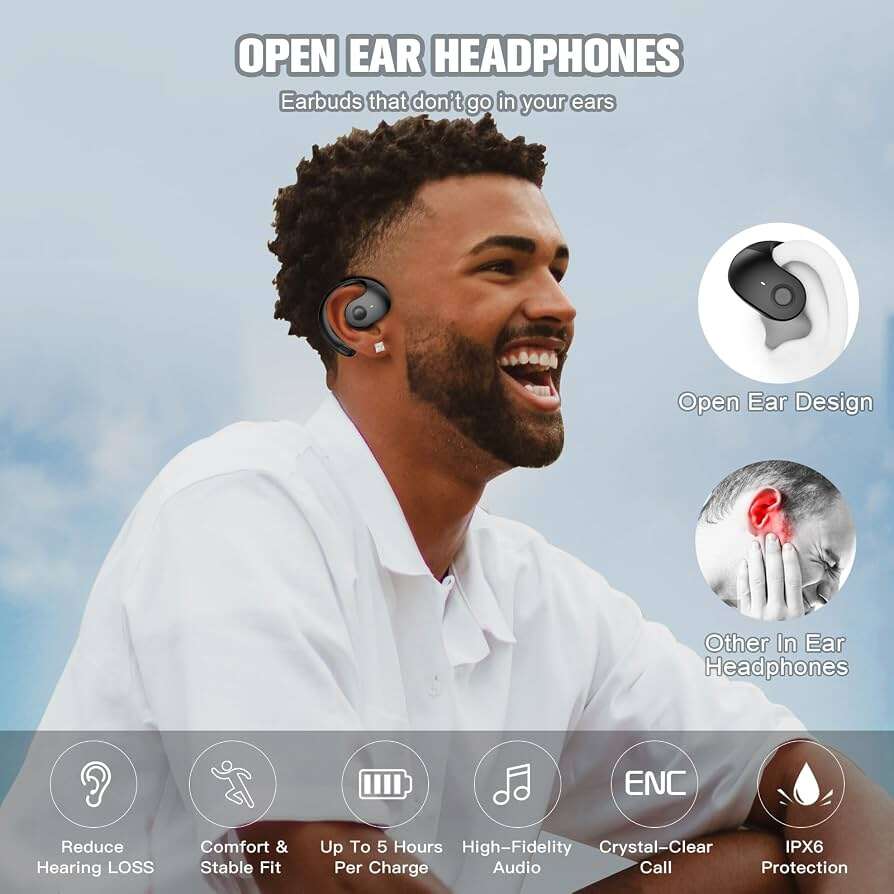
If you wonder what do you call earbuds that wrap around your ear, the usual term is ear-hook earbuds.
The phrase “what do you call earbuds that wrap around your ear” usually points to wireless earbuds with a small hook that rests behind the ear. These earbuds blend the comfort of in-ear audio with extra support, making them popular for running, work, travel, and active daily use. This guide explains the correct names, how they work, their benefits, their limits, and how to choose the right pair.
What do you call earbuds that wrap around your ear?
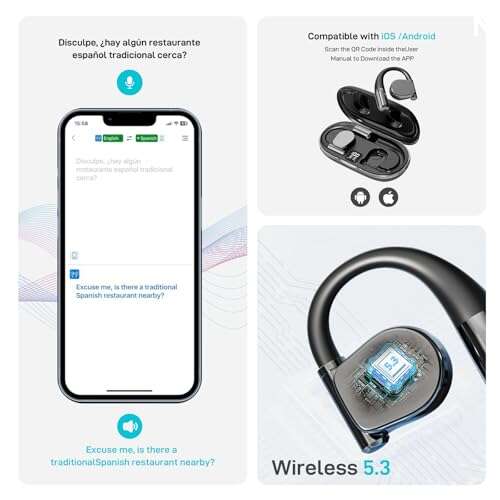
The most common name is ear-hook earbuds. You may also see them called ear-hook headphones, over-ear earbuds, sport earbuds, or behind-the-ear earbuds.
The hook does not usually cover the entire ear. Instead, it rests around the outer ear to help hold the earbud in place. The speaker tip still sits inside the ear canal or at the ear opening.
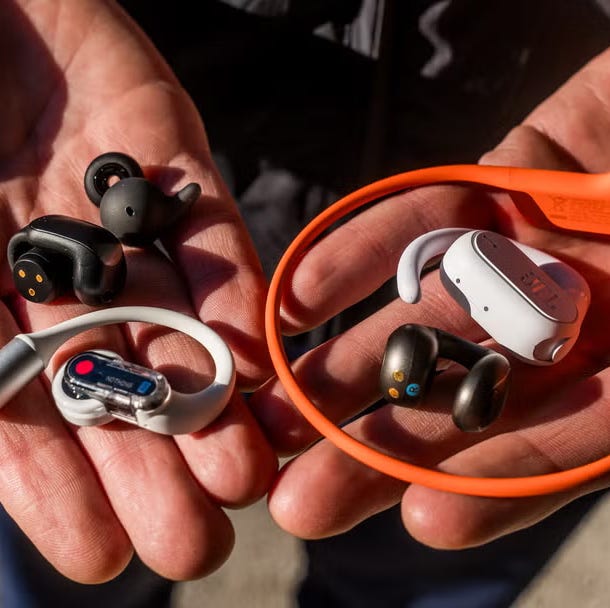
Retailers may use different terms for similar designs, so product names can feel confusing. In most cases, these phrases describe earbuds with a support hook:
- Ear-hook earbuds
- Sport earbuds
- Behind-the-ear earbuds
- Over-ear wireless earbuds
- Secure-fit earbuds
- Running earbuds
The clearest and most widely understood term is ear-hook earbuds. If you search for that phrase, you will usually find the right type of product.
How ear-hook earbuds work
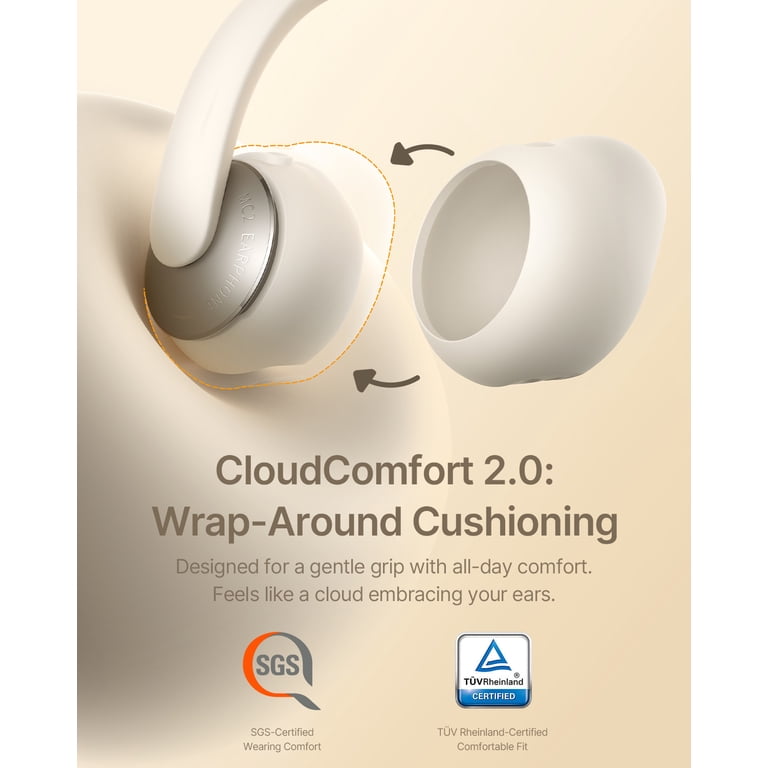
Ear-hook earbuds use two points of contact. The silicone tip or speaker rests in your ear, while the hook rests behind or around the outer ear. This creates a more secure fit than standard earbuds that rely only on the ear canal.
Think of the hook as a seat belt. It does not provide the sound, but it helps stop the earbud from falling when you move. This design is useful during running, cycling, gym workouts, and outdoor jobs.
Most models include one of two hook styles:
Flexible ear hooks
Flexible hooks are often made from silicone, rubber, or soft plastic. They bend slightly and can feel comfortable during long workouts.
They are a good choice if you wear glasses or have sensitive skin behind your ears. However, a very soft hook may not hold firmly during fast movement.
Rigid ear hooks
Rigid hooks keep their shape and provide stronger support. They may feel more secure during intense exercise, but they can press against the ear if the shape does not match your head.
Rigid hooks can also compete for space with eyeglass frames, helmets, masks, or earrings. Fit matters more than firmness.
Ear fins and stabilizer wings
Some earbuds do not have a full hook. Instead, they use a small rubber fin that fits into the folds of the outer ear. These are often called secure-fit earbuds or sport earbuds.
Ear fins are less visible than hooks. They can work well for people who want stability without a large behind-the-ear frame.

Ear-hook earbuds versus regular earbuds
Regular earbuds depend on the ear tip and the shape of your ear canal. If the tip is too small, the earbud may loosen. If it is too large, it may feel sore or create too much pressure.
Ear-hook earbuds add support outside the ear. This makes them less dependent on the ear canal alone. They can stay in place even when sweat, motion, or small changes in fit affect the ear tip.
Here is a simple comparison:
| Feature | Regular earbuds | Ear-hook earbuds |
|---|---|---|
| Main support | Ear tip and ear canal | Ear tip plus outer-ear hook |
| Stability | Moderate to high | Usually high |
| Exercise use | Depends on fit | Often well suited |
| Appearance | Small and discreet | More visible |
| Glasses compatibility | Usually easy | May need careful fitting |
| Storage size | Often smaller | May be larger |
| Long-wear comfort | Varies by tip | Varies by hook and ear shape |
The best option depends on your ear shape and daily use. A regular earbud may feel perfect for an office worker, while an ear-hook model may be better for someone who runs or works outdoors.

Benefits of earbuds that wrap around your ear
When people ask what do you call earbuds that wrap around your ear, they are often looking for a more secure alternative to standard wireless earbuds. The design offers several practical benefits.
Better stability during movement
The biggest benefit is a more stable fit. The hook helps reduce the chance of losing an earbud during a jog, workout, or commute.
This does not make every model impossible to dislodge. A poor ear tip or badly shaped hook can still move. However, the extra support usually improves security.
Useful for sports and outdoor work
Ear-hook earbuds are popular with runners, gym users, hikers, and cyclists. They can also help people who move often at work.
A secure design can reduce the need to push the earbuds back into place. That small convenience matters during a long workout.
Less pressure inside the ear
Some of the support comes from the hook rather than the ear tip. As a result, you may not need to use a very tight or large ear tip.
This can make the earbuds more comfortable for people who dislike a deep seal. Still, in-ear models may cause pressure if the tip is too large.
Easier to find after removal
Small wireless earbuds can disappear on a desk, in a bag, or under a car seat. Ear-hook earbuds are usually larger and easier to see.
Their larger shape may also make them easier to handle if you have limited finger movement.
Extra room for controls and batteries
The hook or outer body gives manufacturers more space for buttons, microphones, and batteries. Some sport models offer physical controls that are easier to press than tiny touch surfaces.

Limitations of ear-hook earbuds
Ear-hook earbuds are not perfect for everyone. Understanding their drawbacks can help you avoid an expensive mistake.
They may interfere with glasses
The hook and eyeglass temple may compete for the same space behind your ear. This can cause pressure during long wear.
If you wear glasses, look for a slim, flexible hook. Try both items together before judging comfort.
They can be less discreet
Standard earbuds often sit close to the head. Ear-hook models are more visible because part of the design extends around the ear.
That is not a problem for many users, but it may matter if you want a simple, low-profile look.
The fit is highly personal
Ear shapes vary more than many shoppers expect. A hook that feels perfect for one person may rub or slide on another person.
A return policy is valuable. Comfort cannot always be predicted from product photos or reviews.
Some models are not fully waterproof
Sweat resistance and water resistance are not the same as waterproofing. Check the product’s IP rating and the manufacturer’s instructions.
An IPX4 rating generally indicates protection from splashes, while stronger ratings offer more protection. Do not assume that a water-resistant earbud is safe for swimming.
They may be larger than regular earbuds
The hook adds structure and size. This can make the charging case larger and less convenient for a small pocket.

Ear-hook earbuds, bone-conduction headphones, and over-ear headphones
People sometimes use these terms interchangeably, but they describe different products.
Ear-hook earbuds place a speaker in or near the ear canal. They usually block some outside sound, especially when they use sealed silicone tips.
Bone-conduction headphones rest near the cheekbones and send sound through vibrations in the bones. They leave the ear canal open, which can help users hear traffic and nearby voices. They do not usually qualify as earbuds that wrap around your ear.
Over-ear headphones have large ear cups that surround the ears. They provide a different fit, stronger passive isolation, and often larger speakers. They are not the same as ear-hook earbuds.
You may also find open-ear earbuds with a small hook. These sit near the ear canal without sealing it. They are useful when awareness matters, but sound quality and bass can differ from sealed in-ear models.
How to choose the right ear-hook earbuds
If you are searching what do you call earbuds that wrap around your ear, you may already know that security is important. The next step is to match the design to your ears and routine.
1. Check the ear-hook shape
Look for a hook that follows the curve behind your ear. It should rest gently rather than pinch the skin.
A flexible hook is often better for glasses and long wear. A firm hook may suit intense exercise.
2. Select the correct ear tips
Many models include small, medium, and large silicone tips. Test each size while walking and speaking.
The right tip should create a stable seal without pain. If the earbud feels loose, do not assume a larger tip is always the answer. A smaller tip may sit more naturally.
3. Consider the water-resistance rating
For light sweat, basic splash resistance may be enough. For heavy workouts, choose a model designed for sweat and moisture.
Follow care instructions. Wipe away sweat after use and let the earbuds dry before placing them in the case.
4. Decide between physical buttons and touch controls
Physical buttons are often easier to use during exercise. They also reduce accidental commands when adjusting the earbud.
Touch controls may look cleaner, but sweat, hair, and hats can sometimes cause unwanted taps.
5. Check battery life
Compare the listening time of the earbuds with the total time provided by the charging case. Manufacturers often list maximum battery life under controlled conditions.
High volume, phone calls, noise cancellation, and cold weather can reduce actual battery life.
6. Think about microphone quality
If you take calls outside, look for multiple microphones and noise-reduction features. Read reviews that discuss real calls in wind and traffic.
Marketing terms do not always predict call quality. User tests can offer useful practical clues.
7. Confirm device compatibility
Most modern wireless earbuds use Bluetooth. Still, check compatibility with your phone, tablet, computer, or smartwatch.
Some features, such as an equalizer or firmware updates, may require a companion app.
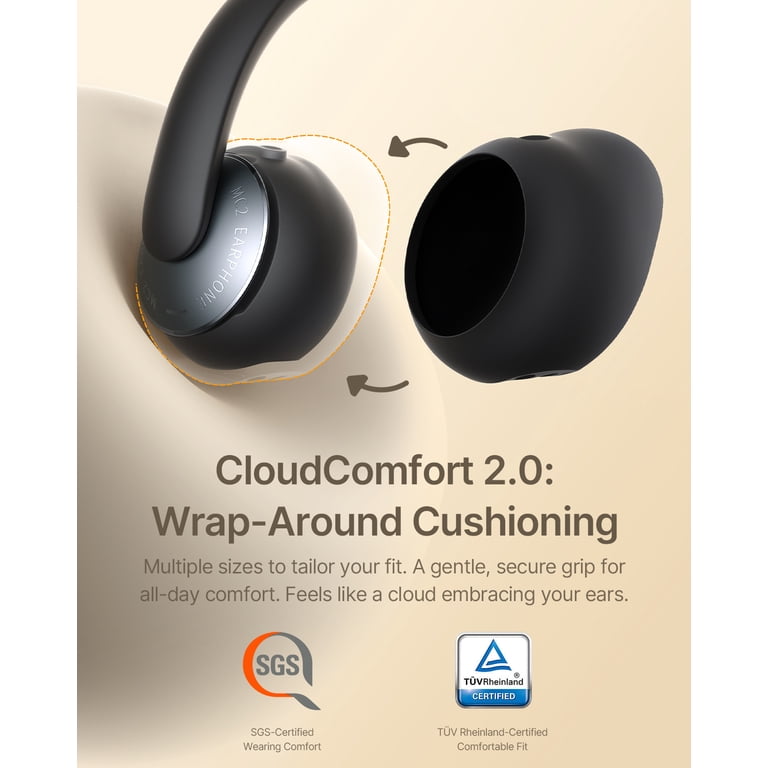
Practical fit and comfort tips
In my experience testing different sport-style earbuds, the most common mistake is judging comfort after only two minutes. A hook may feel fine while standing but rub the skin after an hour of walking.
Use this simple fitting process:
- Clean the earbuds and your ears.
- Try the smallest ear tip first.
- Place the hook behind the ear without pulling it tight.
- Turn your head, smile, and walk for several minutes.
- Try the next tip size if the earbud shifts.
- Remove the earbuds if you feel sharp pain, numbness, or lasting pressure.
Avoid forcing a hook into place. A secure earbud should feel steady, not trapped. If the skin becomes red or sore, stop using the earbuds and try a different shape.
A second lesson is to avoid judging sound before achieving a proper seal. A poor seal can make bass seem weak and outside noise seem loud. Fit comes first; sound tuning comes second.

Are earbuds that wrap around your ear safer?
The hook itself does not make earbuds safer or less safe. Hearing safety depends mainly on volume, listening time, and your surroundings.
Health agencies commonly recommend keeping personal audio at a moderate level and taking listening breaks. A useful warning sign is difficulty hearing someone nearby or ringing in your ears after listening.
Ear-hook earbuds may stay in place better, but that stability can tempt users to listen for longer. Use transparency or awareness modes near traffic when available, and never depend on earbuds to block important warning sounds.
For noisy places, noise cancellation can help you avoid raising the volume. It does not replace attention, safe behavior, or hearing protection designed for loud workplaces.

Common mistakes to avoid
When deciding what do you call earbuds that wrap around your ear, many shoppers focus only on the name. The product details matter more than the label.
Avoid these common errors:
- Buying a model without checking the return policy
- Choosing the largest ear tip for maximum security
- Ignoring pressure from glasses or helmets
- Assuming sweat resistance means waterproofing
- Wearing earbuds at high volume to cover background noise
- Cleaning the earbuds with too much water
- Leaving moisture inside the charging case
- Using only battery-life claims from the product box
- Forgetting to update the companion app or firmware
A good pair should fit your real life. If you run with glasses, test the combination. If you commute by bike, consider awareness features. If you work in rain, study the water-resistance rating carefully.
What do you call earbuds that wrap around your ear? Frequently asked questions
Are ear-hook earbuds good for running?
Yes. Ear-hook earbuds are often good for running because the hook adds stability during movement. Choose a sweat-resistant model with a comfortable, flexible fit.
Do ear-hook earbuds hurt your ears?
They can hurt if the hook is too tight, the ear tip is too large, or the design does not match your ear shape. Adjust the fit and stop wearing them if pain or numbness continues.
Are behind-the-ear earbuds the same as ear-hook earbuds?
Usually, yes. Both terms often describe earbuds with a support piece that rests behind or around the outer ear, though product designs can vary.
Can you wear ear-hook earbuds with glasses?
Often, yes, but comfort depends on the hook and frame shape. Slim, flexible hooks usually work better with glasses than thick or rigid hooks.
Do ear-hook earbuds fall out?
They are less likely to fall out than many standard earbuds, but no design is universal. Correct ear tips, proper placement, and a hook that matches your ear are essential.
Are ear-hook earbuds better than AirPods-style earbuds?
Neither design is best for everyone. Ear-hook earbuds usually offer more stability, while small stem-style earbuds may feel lighter and look more discreet.
Can ear-hook earbuds be used for phone calls?
Yes. Many include microphones for calls, video meetings, and voice assistants. Call quality depends on microphone placement, wind control, Bluetooth connection, and the surrounding noise.
Conclusion
So, what do you call earbuds that wrap around your ear? The standard term is ear-hook earbuds, although retailers may also use ear-hook headphones, sport earbuds, or behind-the-ear earbuds.
These earbuds add outer-ear support for a more secure fit, especially during exercise and active work. They can still cause pressure, interfere with glasses, or feel too large, so fit, comfort, water resistance, battery life, and microphone quality deserve careful attention.
Start with the correct ear tip, test the hook while moving, and keep the volume moderate. Compare a few well-reviewed models, use the return period wisely, and share your experience or questions in the comments.

Everett Ashford is a tech reviewer at mytechgrid.com specializing in SSDs, cameras, TVs, earbuds, headphones, and other consumer electronics. He provides honest, data-driven reviews based on hands-on testing and real-world performance analysis. Everett simplifies complex tech details to help readers make smart, confident buying decisions.