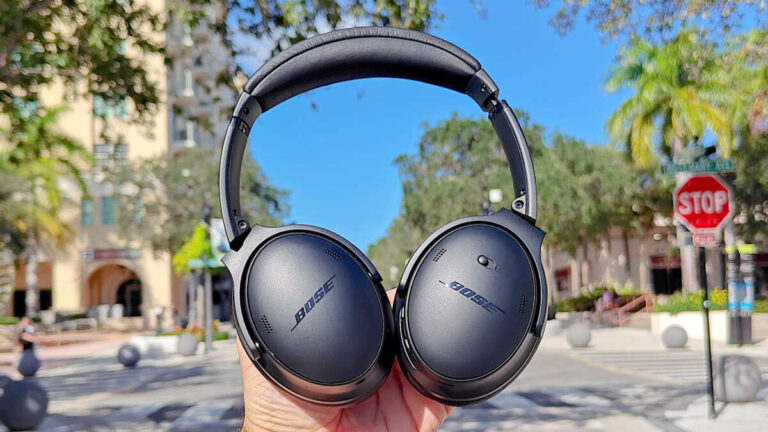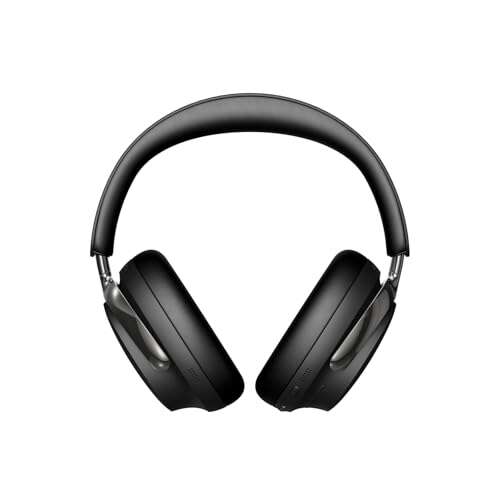
My pick: Audio‑Technica ATH‑M50X — the best studio headphones for mixing overall.
I’ve been in small rooms and pro suites, chasing clarity and balance. When a mix sounds muddy on monitors but clear on headphones, you need gear that tells the truth. I’ll walk you through picks that solve bass bloom, harsh highs, and poor imaging. These picks aim to help you finish mixes that translate across systems and save you hours of guesswork.

Audio-Technica ATH-M50X Professional Studio Monitor…
Critically acclaimed sonic performance praised by top audio engineers and pro audio reviewers Proprietary 45 millimeter large aperture drivers with rare earth magnets and copper clad aluminum wire voice coils…

Audio-Technica ATH-M20x Professional Studio Monitor…
Advanced build quality and engineering; Designed for studio tracking and mixing 40 mm drivers with rare earth magnets and copper clad aluminum wire voice coils Tuned for enhanced low frequency…

Sony MDR7506 Professional Large Diaphragm…
Neodymium magnets and 40 millimeter drivers for powerful, detailed sound.Specific uses for product : Professional audio system,Home audio system Closed ear design provides comfort and outstanding reduction of external noises…
Audio-Technica ATH-M50X

I use the ATH-M50X when I need a flat, dependable reference in a tight room. The drivers give a punchy low end without excess boom. The midrange sits forward so vocals and guitars cut through. These headphones are built for long sessions with firm padding that still breathes.
The ATH-M50X isolates well, which helps when I track in less-than-ideal spaces. The detachable cable is handy for quick swaps. I find their sound useful when I want mixes that translate to small speakers and earbuds. They remain a solid choice for many engineers in 2026.
Pros:
- Accurate midrange for vocal and instrument clarity
- Controlled bass that avoids muddy low end
- Good isolation for tracking in noisy rooms
- Detachable cable and durable build
- Comfortable for long mixing sessions
Cons:
- Slightly colored highs on some units
- Closed-back design limits natural imaging
My Recommendation
I recommend the ATH-M50X for mix engineers who want a reliable, affordable reference. It works well for quick mixes and edits when I need to check balances fast. If you need one of the best studio headphones for mixing without open-back bleed, this is a top pick.
| Best for | Why |
|---|---|
| Quick reference | Punchy mids and clear lows speed mixing decisions |
| Tracking | Good isolation keeps spill low during recording |
| Budget-conscious pros | Durable at a fair price point |
Audio-Technica ATH-M20x

The ATH-M20x is my pick when budget matters but I still need a clear mix map. The sound is slightly warm, which can help hide very harsh room reflections. I use them for rough mix passes and editing. They are light and easy to wear for hours.
They won’t replace a high-end reference, but the ATH-M20x gives honest feedback on frequency balance. For simple tasks and tracking, they perform well. I often use them in tandem with a second reference to confirm choices.
Pros:
- Very affordable for home studios
- Comfortable and lightweight
- Shows clear midrange for vocal work
- Good for long editing sessions
- Durable enough for road use
Cons:
- Limited detail in high frequencies
- Not as precise for final mastering
My Recommendation
I suggest the ATH-M20x for beginners and home producers. It’s one of the best studio headphones for mixing on a tight budget. I use them for editing, tracking, and as a secondary reference when I need a quick sanity check.
| Best for | Why |
|---|---|
| Home studios | Affordable clarity for tracking and editing |
| Beginners | Simple, forgiving sound for learning mixes |
| On-the-go use | Lightweight and durable for travel |
Sony MDR7506

The Sony MDR7506 has been a studio staple for decades. I rely on it when I need clear highs and tight bass. The treble detail helps me spot sibilance and harsh EQ choices. Its folding design and reliability make it a go-to for field work.
I use the MDR7506 for final checks and quick edits. They reveal mid-high intricacies that some headphones hide. If I want mixes that translate to TVs and lightweight earbuds, these help me make the right trims.
Pros:
- Very detailed highs for spotting issues
- Consistent, stable frequency response
- Comfortable for many users
- Portable and foldable design
- Trusted by pros worldwide
Cons:
- Can sound bright to some ears
- Closed-back imaging feels narrower than open backs
My Recommendation
I recommend the Sony MDR7506 for engineers who need to catch harshness and sibilance. They are great companions for tracking and quick mix checks. For anyone building a set of best studio headphones for mixing, the MDR7506 deserves a spot.
| Best for | Why |
|---|---|
| Sibilance spotting | High-end detail reveals harsh sounds |
| Field work | Reliable and portable for location mixes |
| Trusted reference | Long history of consistent performance |
OneOdio Pro 50mm

The OneOdio wired 50mm headphones give big sound for little money. The drivers deliver a wide low end that helps me feel low-frequency balance. They are great for rough mixes and tracking beats. The swap-out cables and jack adapters make setup easy.
I keep these as a backup reference in my kit. They show bass weight clearly and add a fun sense of space to mixes. For anyone who needs a cheap but useful check, they fit the bill.
Pros:
- Large 50mm drivers for strong bass presence
- Affordable and easy to replace
- Includes adapters for studio gear
- Comfortable padding for hours
- Good isolation for tracking
Cons:
- Bass can be exaggerated for critical mastering
- Detail retrieval lags behind pro models
My Recommendation
I suggest the OneOdio 50mm headphones as a budget reference for beat makers and podcasters. They are useful when I need to feel the low end quickly. If you want an affordable entry on the list of best studio headphones for mixing, these are a solid add-on.
| Best for | Why |
|---|---|
| Beat production | Big drivers emphasize low-frequency feel |
| Budget setups | Low cost for decent studio use |
| Mobile recording | Adapters for field gear make it flexible |
beyerdynamic DT 990 Pro 250Ω

The DT 990 Pro 250Ω is an open-back classic. I use this pair for detailed mixing and critical listening. Their soundstage gives a roomy, natural feel that helps when panning and reverb decisions matter. The treble is clear and extended, so I catch air and detail easily.
Because they are 250Ω, you need a good headphone amp to drive them. When driven properly, they reward with excellent imaging and low distortion. I often switch to these when I finalize mixes that require precise spatial placement.
Pros:
- Wide, natural stereo image for accurate panning
- Clear highs that reveal subtle detail
- Comfortable velour pads for long sessions
- Low distortion at reasonable volumes
- Excellent for mastering and critical listening
Cons:
- Needs a quality amp for best performance
- Open-back design leaks sound and won’t isolate
My Recommendation
I recommend the DT 990 Pro 250Ω for engineers who mix in quiet rooms and want a natural soundstage. These are among the best studio headphones for mixing when detail and spatial accuracy matter. If you have a solid amp, they give reliable, revealing results.
| Best for | Why |
|---|---|
| Critical listening | Open soundstage reveals tiny details |
| Mixing classical or acoustic | Natural timbre and spacious imaging |
| Mastering drafts | High resolution helps final tweaks |
beyerdynamic DT 990 Pro X 48Ω

The DT 990 Pro X 48Ω keeps the open-back clarity but runs easily from most interfaces. I use these when I want the DT 990 character but need portable compatibility. Their playback feels airy and fast, which helps with reverb tails and stereo width decisions.
I like them for mixing sessions that change locations. They pair well with interfaces and portable amps. For mixing and editing, they provide a transparent view of the soundstage that I trust.
Pros:
- Lower impedance for easy driving by common gear
- Open and natural stereo imaging
- Detailed highs and quick transient response
- Comfortable for long sessions
- Great for spot checks on different systems
Cons:
- Open-back leaks sound—poor for tracking
- May sound bright to some listeners
My Recommendation
I advise the DT 990 Pro X 48Ω for traveling engineers and home mixers who want open-back clarity without an amp. These are excellent on the list of best studio headphones for mixing when you need accurate imaging on the go. They bring a natural feel to panning and depth.
| Best for | Why |
|---|---|
| Portable mixing | Lower impedance pairs with common gear |
| Spatial work | Open soundstage aids reverb/pan decisions |
| Long sessions | Velour pads stay comfortable for hours |
beyerdynamic DT 770 Pro 80Ω
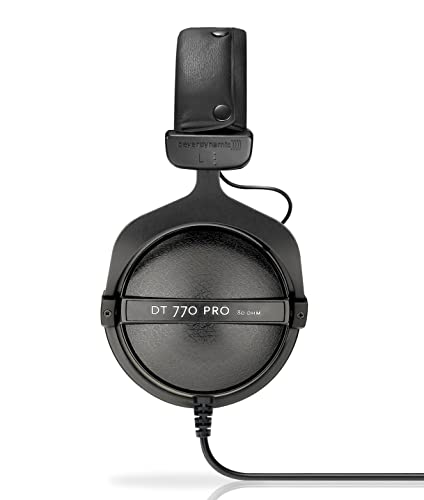
The DT 770 Pro 80Ω is my go-to closed-back model when I need isolation and comfort. The bass is tight and controlled. The mids remain clear, and the highs are smooth. I use them for tracking and reference listening when open-back isn’t an option.
They strike a nice balance between comfort and accuracy. I can sit with them for long edits without fatigue. If you work in shared spaces or need isolation, these are hard to beat among best studio headphones for mixing.
Pros:
- Great isolation for noisy environments
- Tight, controlled bass for accurate low-end work
- Durable build and long-term comfort
- Good midrange clarity for vocals
- Trusted in broadcast and studio settings
Cons:
- Closed-back can feel less spacious
- Some find the clamping force strong initially
My Recommendation
I recommend the DT 770 Pro 80Ω to tracking engineers and anyone who needs isolation. I pick these when I want accurate low-end control and minimal bleed. They deserve a place among the best studio headphones for mixing for those specific needs.
| Best for | Why |
|---|---|
| Tracking | Closed-back isolation prevents spill |
| Long sessions | Comfortable for extended wear |
| Low-end mixing | Tight bass control aids decisions |
MAONO MH601

The MAONO MH601 gives a balanced sound at a modest price. I use these for podcast work and simple mix previews. The 50mm drivers render vocals with warmth and body. They feel sturdy and come with an adapter for studio gear.
They are not ultra-analytic, but they provide a pleasant and usable sound for everyday tasks. I often reach for them when I need a comfortable, reliable pair for long podcast sessions or quick mixing checks. They belong in many starter kits.
Pros:
- Warm, pleasant sound for vocals
- Sturdy construction at a low price
- Includes adapter for common gear
- Comfortable pads for long wear
- Good isolation for recording
Cons:
- Lacks extreme detail for mastering tasks
- May underrepresent very high frequencies
My Recommendation
I recommend the MAONO MH601 for podcasters and content creators who mix casually. They work well as a secondary check in my workflow. For the best studio headphones for mixing setup, these are a practical, low-cost option to keep on hand.
| Best for | Why |
|---|---|
| Podcasting | Warm mids help voice clarity |
| Starter studios | Affordable and durable for new setups |
| Backup reference | Good for quick sanity checks |
Audio-Technica ATH-M30x
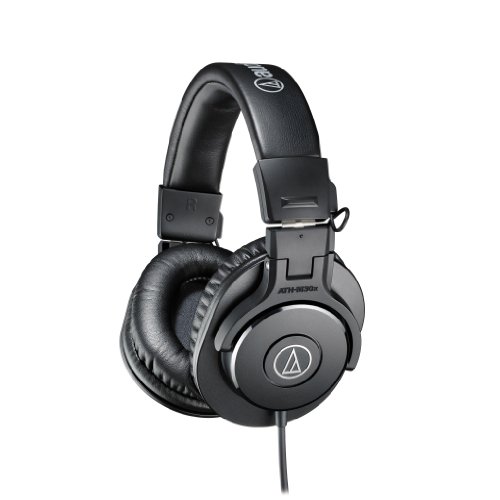
The ATH-M30x sits between the M20x and M40x for me. It offers tighter bass than the M20x and a bit more detail. I use it when I want an inexpensive listen that leans toward accuracy. It is comfortable and built to last in home settings.
These headphones work well for editing and reviewing tracks. I find them especially useful as a stepping stone when upgrading from entry-level gear. They provide a clearer picture of the mix than cheaper cans.
Pros:
- Good step-up in accuracy from very budget models
- Balanced sound for editing and tracking
- Durable build for regular use
- Comfortable for medium-length sessions
- Useful for quick reference checks
Cons:
- Less refined than higher-end studio phones
- Not ideal for critical mastering
My Recommendation
I recommend the ATH-M30x for home producers who want better feedback than entry-level phones. They are a good choice on the path to finding the best studio headphones for mixing. I use them for editing, demos, and as a secondary check during mix passes.
| Best for | Why |
|---|---|
| Upgrading from entry-level | Better clarity without big cost |
| Editing | Balanced response aids cuts and fades |
| Secondary reference | Good for quick checks between monitors |
Audio-Technica ATH-M40x

The ATH-M40x delivers a more neutral sound than many closed-back models. I reach for it when I want accurate frequency balance without shelling out for higher-end cans. The swivel earcups help when I need single-ear monitoring during tracking. Build quality feels pro-grade for the price.
They provide a trustworthy midrange and flatter bass than many budget options. I use them for editing and as a control pair during mix checks. They make a strong case as one of the reliable best studio headphones for mixing in cost-conscious studios.
Pros:
- Neutral, flat-ish response for accurate mixes
- Swiveling earcups for single-ear monitoring
- Solid build quality for studio life
- Comfortable for long use
- Affordable for their accuracy
Cons:
- Less bass punch than consumer models
- Closed-back limits natural imaging
My Recommendation
I recommend the ATH-M40x for engineers who want a neutral closed-back option. I use them for balance checks and quick edits. They are a practical entry into the set of best studio headphones for mixing for studios watching budgets but seeking accuracy.
| Best for | Why |
|---|---|
| Neutral listening | Balanced sound helps truthful mix choices |
| Tracking | Closed-back isolation reduces bleed |
| Budget studios | Pro features at a modest price |
FAQs Of best studio headphones for mixing
Which headphones are best for tracking versus mixing?
Use closed-back models like DT 770 or ATH-M50X for tracking to cut bleed. For mixing, open-back models like DT 990 give better imaging and space. I switch between both to confirm choices.
Do I need a headphone amp for high-impedance cans?
Yes. High-impedance headphones (250Ω) need a quality amp to reach proper levels and dynamics. I always pair 250Ω headphones with an amp or interface that has ample headroom.
How do I make sure mixes translate from headphones to speakers?
I check mixes on at least two references: one neutral headphone and one speaker or another common consumer device. I also take short breaks to reset my ears and compare levels carefully.
Are open-back headphones better for mixing?
Open-back headphones often offer more natural imaging, which helps with panning and depth. They leak sound and won’t isolate, so they’re best in quiet rooms. I use them for final touches and critical listening.
Final Verdict: Which Should You Buy?
If you need an all-around studio reference, the Audio-Technica ATH-M50X is my top pick among the best studio headphones for mixing. It offers balance, comfort, and durability for most mixing tasks.
For open, detailed mixes, consider beyerdynamic DT 990 models. For tracking or budget setups, the DT 770 Pro and various Audio-Technica M-series provide excellent options. Pick the one that fits your workflow and room.

Everett Ashford is a tech reviewer at mytechgrid.com specializing in SSDs, cameras, TVs, earbuds, headphones, and other consumer electronics. He provides honest, data-driven reviews based on hands-on testing and real-world performance analysis. Everett simplifies complex tech details to help readers make smart, confident buying decisions.