Wear wider, well-padded headphones, adjust clamping force, and use soft covers to avoid dents.
I’ve spent years testing headsets and helping people stop headphone dents. This guide on how to wear headphones without getting a dent walks you through causes, fixes, and daily habits that work. You’ll get clear steps, real-life tips from my experience, and practical accessories that reduce marks on your skin and hair. Read on to learn simple changes you can make today.

Why headphones leave dents
Headphone dents form when pressure concentrates on soft skin or hair. The cup edge and narrow headband press into tissue. Over time, that pressure causes a visible mark or a crease in your hair. Materials, clamp force, and how long you wear a pair all affect dent size and depth.
Common causes include:
- Tight clamp force that squeezes the sides of your head.
- Thin padding or worn ear pads that don’t spread pressure.
- Narrow headband edges that focus pressure on a small area.
- Long sessions without breaks that allow skin to compress.
I’ve seen this on commute riders and studio pros alike. Small fixes often stop dents without changing your favorite headphones.
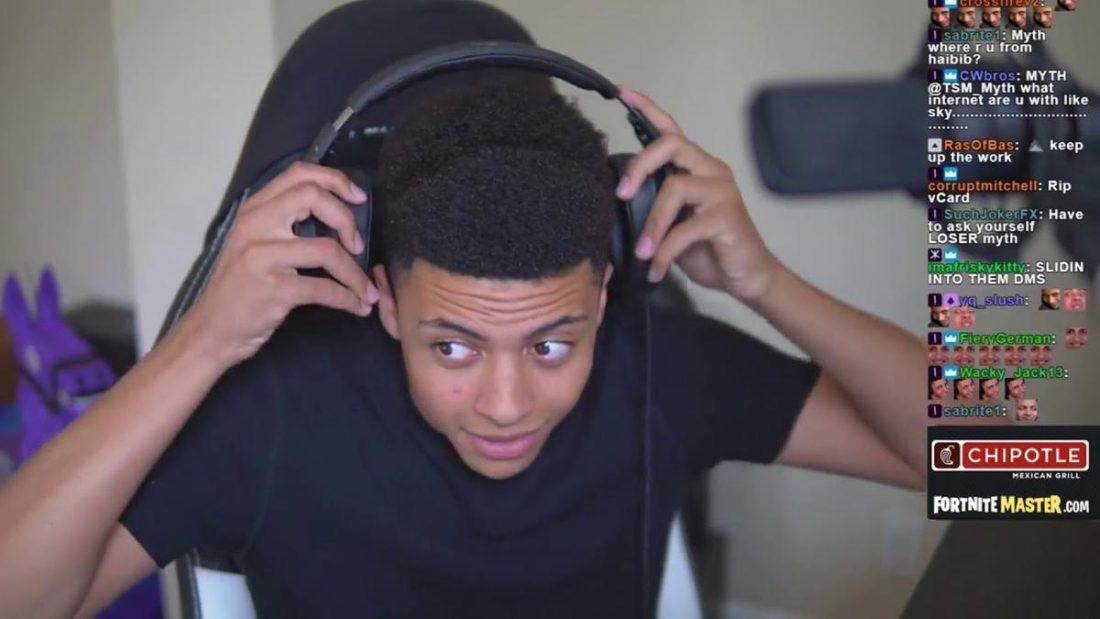
Headphone choices that reduce dents
Choosing the right model is the first defense in how to wear headphones without getting a dent. Pick options that spread the load and use soft materials.
Look for these features:
- Wide headband with soft padding to spread pressure over the top of the head.
- Thick, memory foam ear pads that distribute force across a larger area.
- Lower clamp force or adjustable tension so you can fine-tune fit.
- Soft or fabric-covered headband materials instead of hard plastic edges.
- Over-ear designs that sit around the ear rather than pressing on it.
If you already own a tight pair, try swapping pads for thicker versions. Upgrading padding often makes the biggest difference.

Proper fit and adjustment: step-by-step
A correct fit helps you learn how to wear headphones without getting a dent. Follow these simple steps every time.
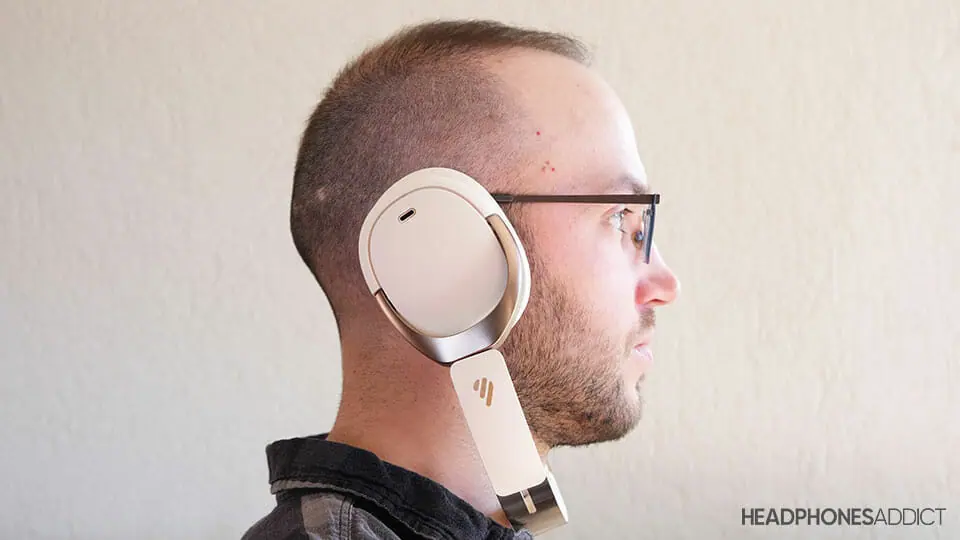
- Center the cups over your ears so edges don’t cut into your skin.
- Place the band on top of your head and let the cups settle naturally.
- If the clamp feels too strong, gently pull the ear cups apart and stretch the band for a few minutes to reduce tension.
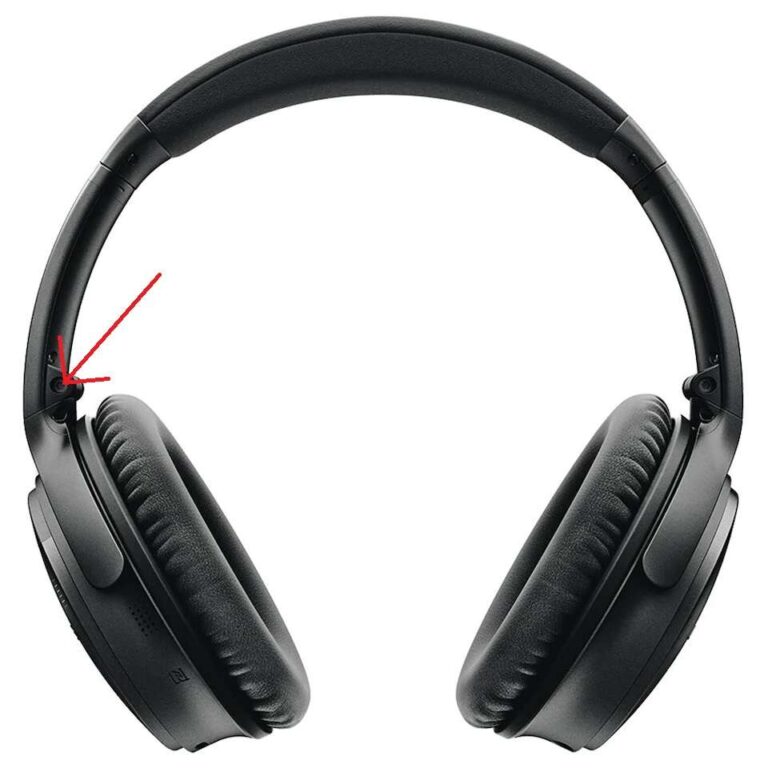
- Adjust the vertical sliders so the cups sit level with your ears, not tilted.
- Use a headband pad or cover to soften contact on the top of your head if needed.
Do a quick feel test. Move your jaw and smile. If the cups dig in when you move, fit needs more adjustment.
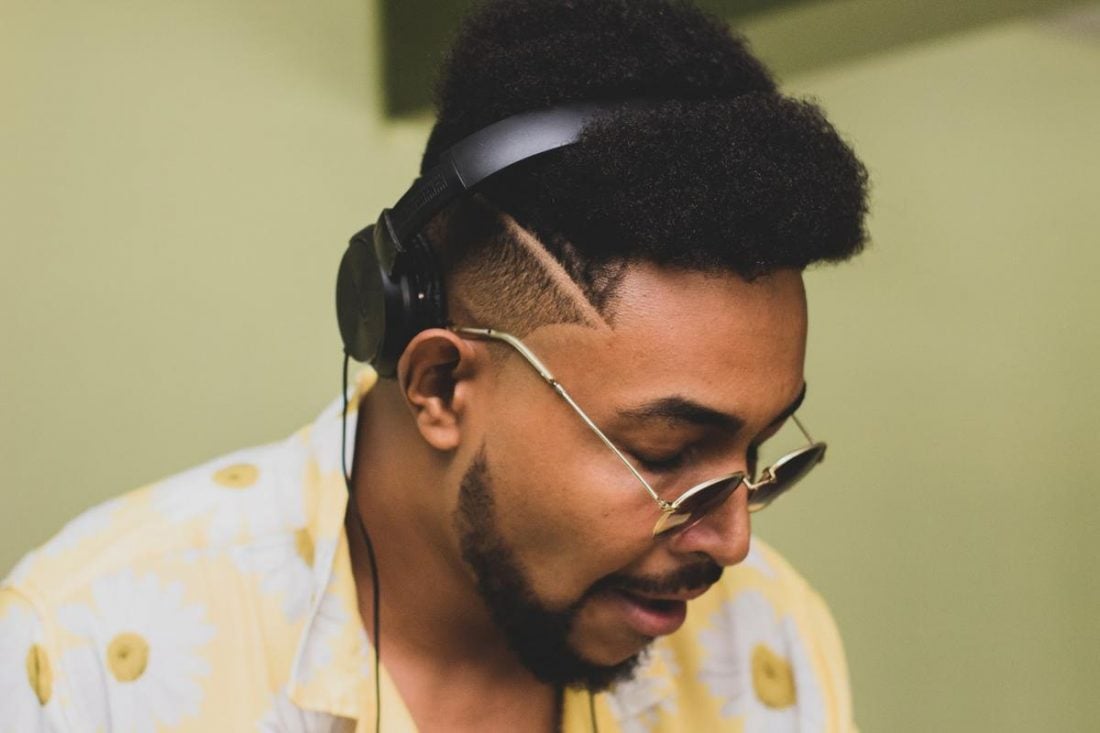
Daily habits and wearing techniques
Small behavior changes matter for how to wear headphones without getting a dent. Habits can prevent dents even with budget gear.
Try these habits:
- Take a 10-minute break every hour to relieve pressure.
- Shift the cups slightly forward or backward every 20–30 minutes to change pressure points.
- Use loose hairstyles. A bun or thick braid spreads pressure more than a tight ponytail.
- Avoid wearing glasses with heavy frames at the same time as tight headphones. Glasses add pinching points.
- Alternate headphone types—use earbuds or on-ear models occasionally to give your head a break.
From my experience, regular micro-shifts prevent deep, long-lasting dents more effectively than constant tight wear.
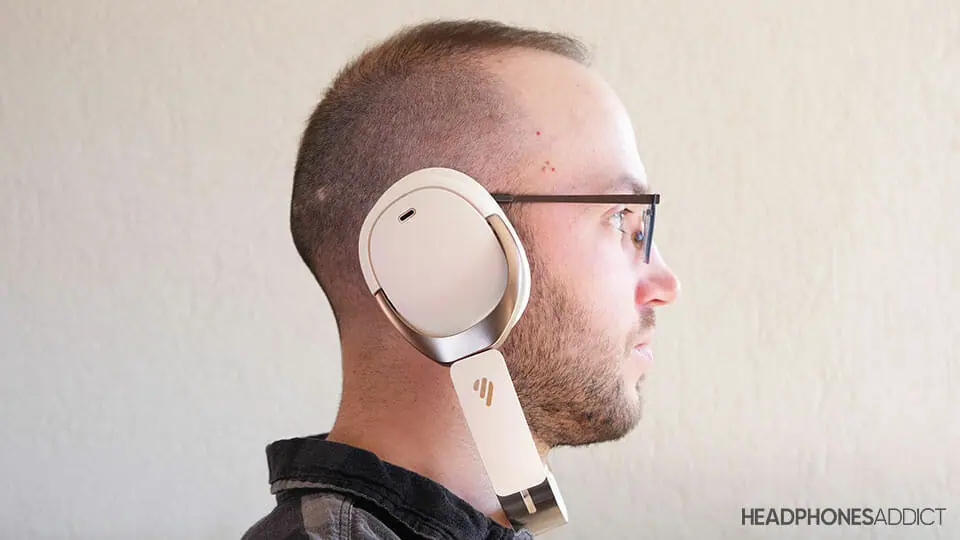
Accessories and DIY fixes
You don’t need a new pair to learn how to wear headphones without getting a dent. Accessories and small mods work fast.
Useful options:
- Add a headband cover made from soft fabric or fleece to cushion the top of your head.
- Swap original pads for thicker memory foam ear pads or gel pads to spread pressure.
- Try clip-on silicone or foam edge covers for ear cups to soften the rim.
- Use a thin, soft liner under the headband for extra comfort.
- If comfortable, wrap the headband in athletic tape and a cloth layer to increase width and softness.
DIY tip from my tests: a soft headband cover plus thicker pads cut noticeable dents within a day.

Care, maintenance and long-term prevention
Good upkeep keeps padding effective and lowers dent risk. Worn-down cushions concentrate pressure and make dents worse.
Maintenance steps:
- Replace ear pads every 12–24 months or when they flatten.
- Clean and dry pads to prevent breakdown of cushioning materials.
- Store headphones on a stand, not hung by a single cup, to keep shape.
- If clamp force is high, heat the band gently (hair dryer on low) then flex it open to soften the memory of the material. Do this carefully.
- Consider a professional adjustment if your headphones have metal or spring bands that can be tuned.
Being proactive about replacement and care extends comfort and prevents repeat dents.

Personal experience and lessons learned
I’ve tested studio, commuting, and gaming headphones for years. I once used a popular closed-back pair that left marks after two hours. I swapped pads, added a fleece headband cover, and reduced clamp by stretching the band. The marks disappeared. The lesson: small changes add up.
Mistakes to avoid:
- Don’t rely only on earbuds to fix dents—they can cause ear fatigue.
- Avoid DIY fixes that compress padding further, like adding thin hard layers.
- Don’t ignore breaks—pressure over time causes longer-lasting dents.
Trust my trial-and-error. The simplest fixes work best for most people.
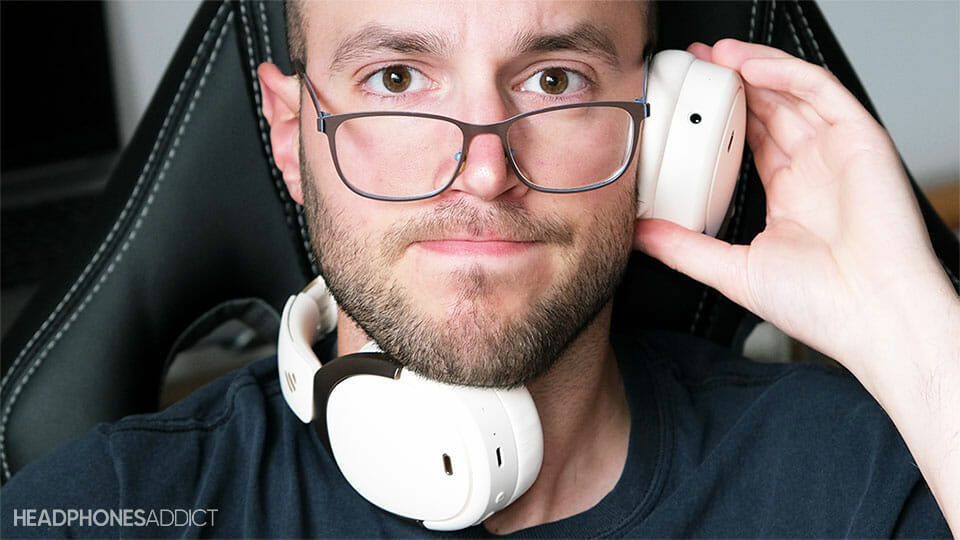
Frequently Asked Questions of how to wear headphones without getting a dent
How long does it take for headphones to leave a dent?
Most dents appear after 30–60 minutes of continuous wear with a tight or narrow headset. Longer sessions make dents deeper and slower to fade.
Can changing pads stop dents completely?
Yes, switching to thick memory foam or gel pads often removes dents by spreading pressure. If the clamp is extremely tight, you may need additional adjustments.
Are over-ear headphones better to avoid dents than on-ear models?
Generally, over-ear headphones are better because they disperse force around the ear instead of pressing directly on it. Proper padding and fit still matter.
Will headband covers really help?
A soft headband cover can reduce pressure on the crown and prevent marks. They are cheap and effective as a first step.
Is it safe to bend the headband to loosen clamp force?
Gently stretching the band can lower clamp force. Do it slowly and avoid damaging internal springs. Some models tolerate this better than others.
Conclusion
You can learn how to wear headphones without getting a dent by choosing wider, padded models, adjusting fit, using simple accessories, and practicing short breaks. Small changes make a big difference. Try one change at a time—swap pads, add a cover, or adjust the clamp—and you’ll see quick results. If you found this helpful, try the tips and share your experience in the comments or subscribe for more hands-on gear advice.

Everett Ashford is a tech reviewer at mytechgrid.com specializing in SSDs, cameras, TVs, earbuds, headphones, and other consumer electronics. He provides honest, data-driven reviews based on hands-on testing and real-world performance analysis. Everett simplifies complex tech details to help readers make smart, confident buying decisions.