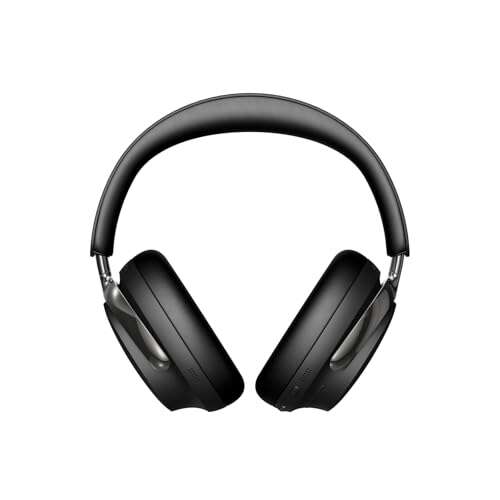
Yes. Bone conduction headphones are generally safe for most healthy adults when used at a moderate volume and for a reasonable time. They do not send sound through the ear canal, but they still send vibrations to the inner ear. That means they can still contribute to hearing damage if the sound is too loud or used for too long.
Reddit is useful for finding real questions about bone conduction headphones. However, personal posts cannot prove that a product is safe or unsafe. The best answer comes from how bone conduction works, safe-listening research, product instructions, and advice from hearing professionals.
For most people, the main risks are excessive volume, long listening sessions, skin pressure, headaches, and false confidence about hearing nearby danger. Bone conduction headphones are not a substitute for hearing protection in loud places.
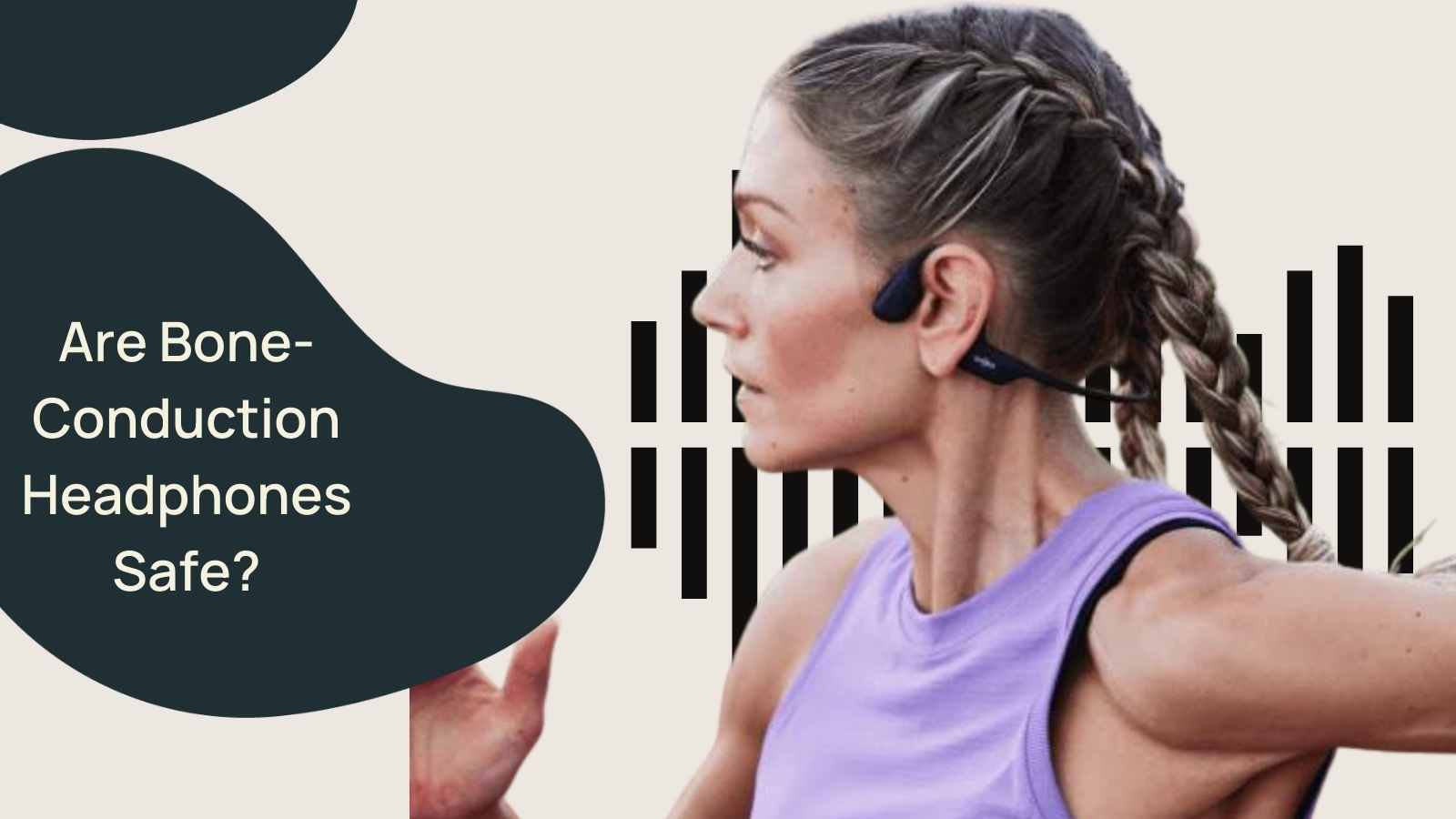
How bone conduction headphones work
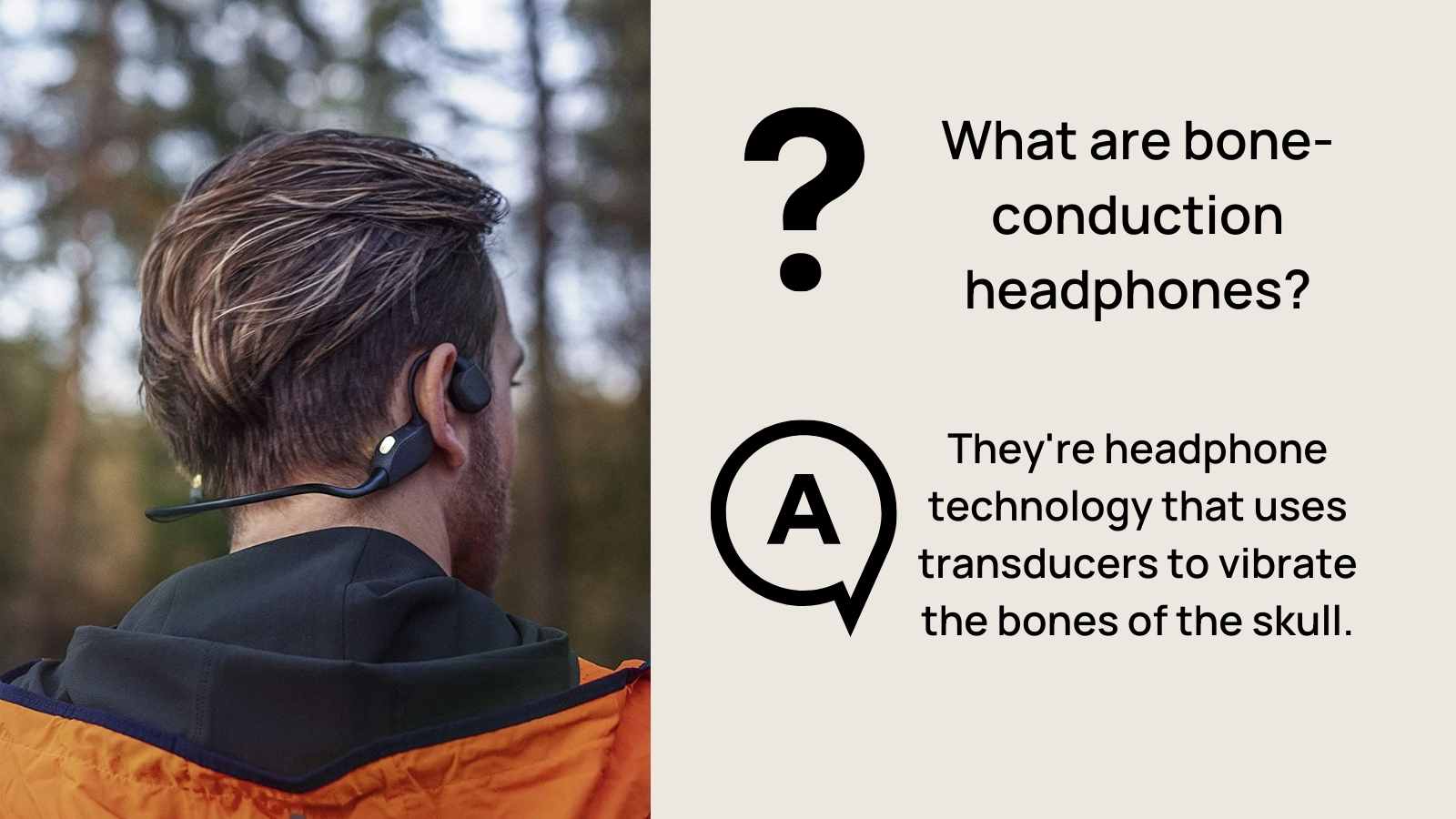
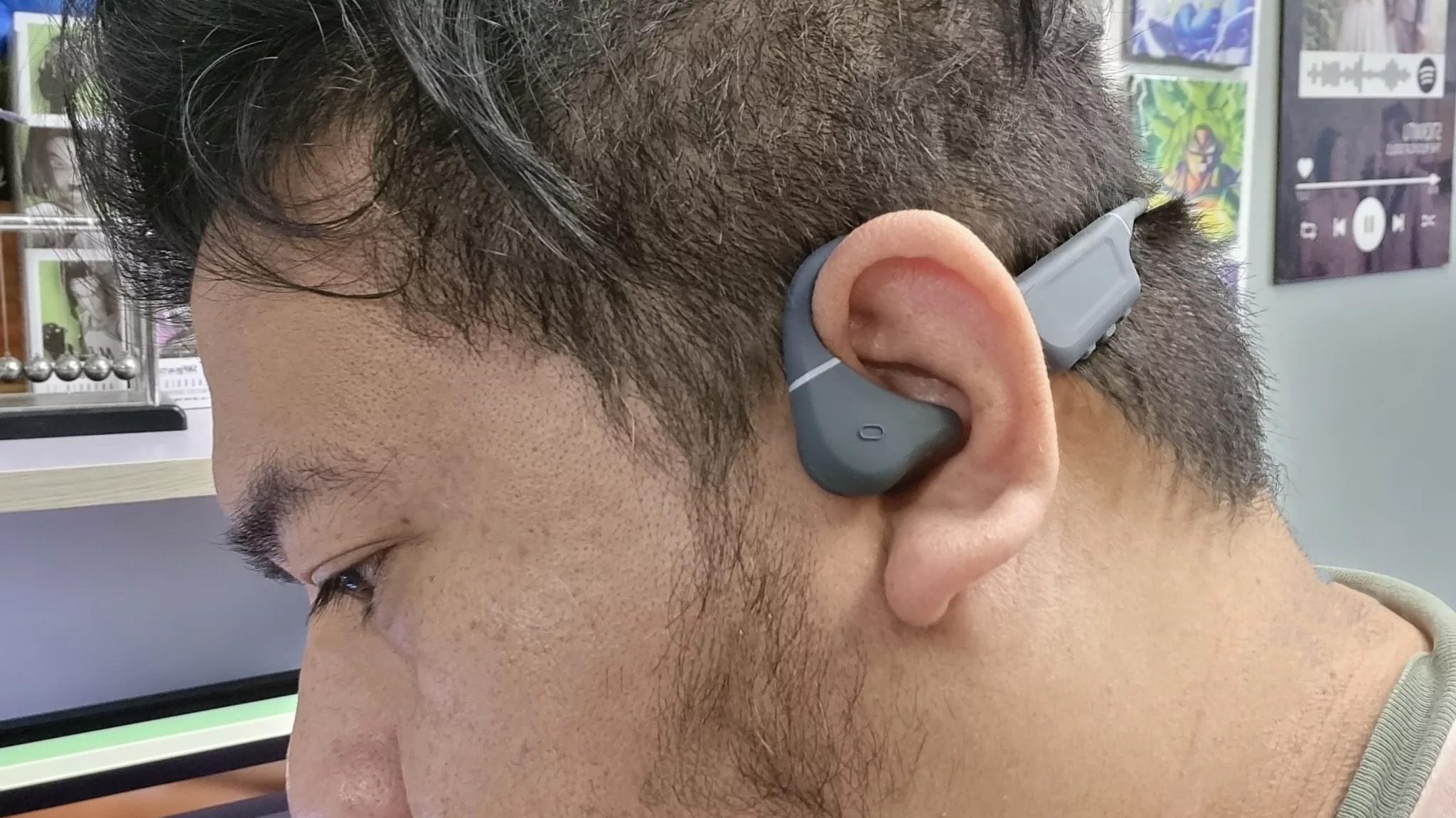
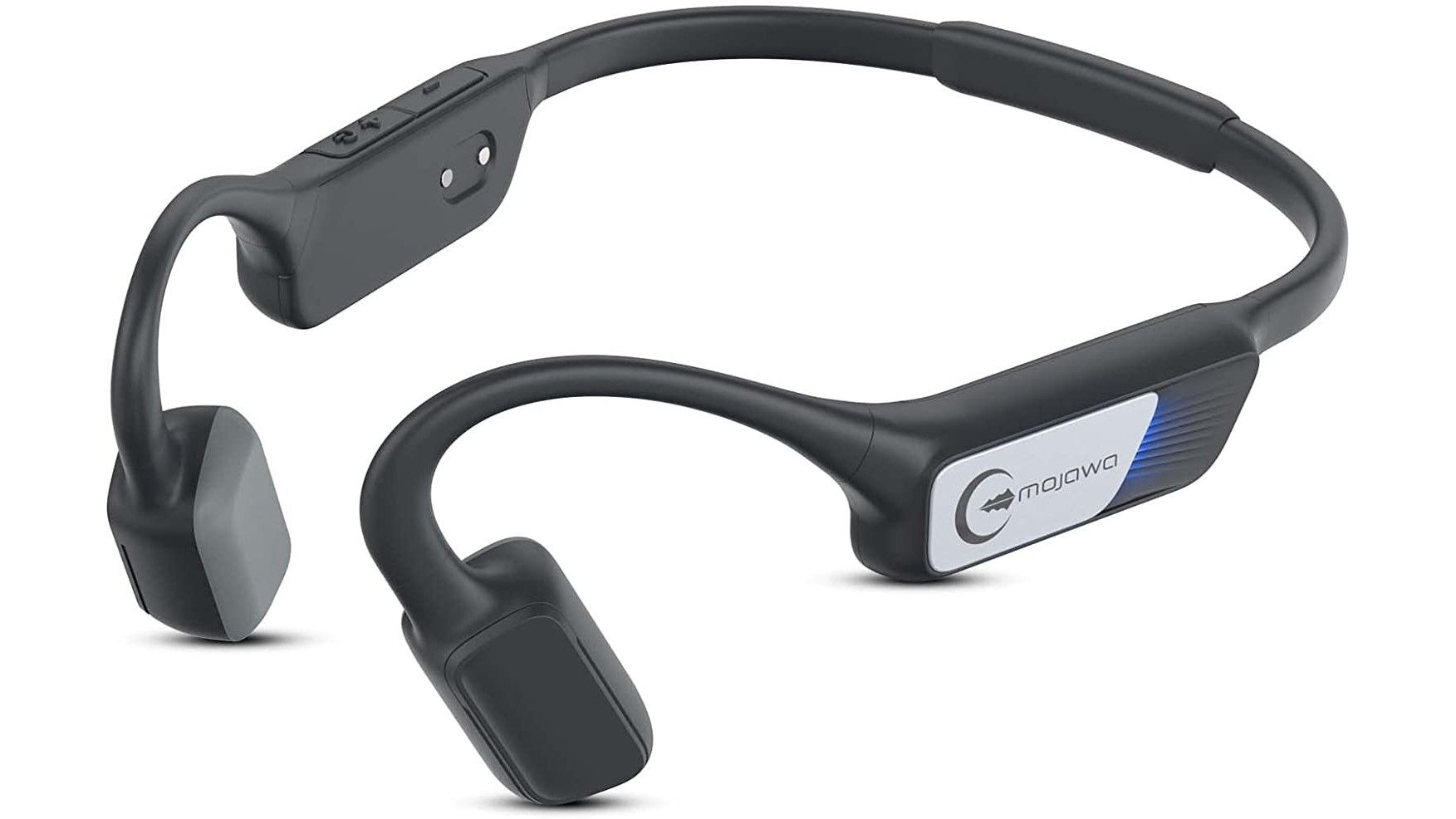
Bone conduction headphones sit near the cheekbones, usually in front of the ears. Small transducers create vibrations that travel through the skull to the cochlea, the hearing organ in the inner ear.
With regular headphones, sound travels through this path:
- Speaker
- Ear canal
- Eardrum
- Middle-ear bones
- Cochlea
With bone conduction headphones, the path is different:
- Transducer
- Skull vibration
- Cochlea
The bypassed parts are the ear canal, eardrum, and much of the middle ear. The cochlea and auditory nerve still receive the sound signal. This is why bone conduction headphones may help some people with outer- or middle-ear problems, but they do not remove the risk of inner-ear damage.
Bone conduction is not the same as hearing without sound
The name can sound reassuring, but “bone conduction” does not mean the sound avoids the hearing system. It only changes the route.
A simple comparison is a road detour. If a car avoids one bridge, it still reaches the same town. In the same way, bone conduction avoids the eardrum but still reaches the cochlea.
That distinction answers one of the most common Reddit questions: bone conduction headphones are not automatically safer than regular headphones at the same effective loudness.
Can bone conduction headphones damage your hearing?
They can, especially when used at high volume for long periods. The risk depends more on the sound level reaching the cochlea and the length of exposure than on whether the sound arrives through air or bone.
The World Health Organization recommends keeping personal listening devices below about 60% of maximum volume and taking breaks. Its safe-listening guidance also uses weekly exposure limits based on sound level. The National Institute for Occupational Safety and Health uses 85 dBA for eight hours as a recommended occupational exposure limit, with allowable exposure time falling as volume rises.
These figures are guides, not a guarantee. Actual exposure varies by:
- Headphone model
- Fit and placement
- Phone or music-player settings
- Audio content
- Background noise
- Listening time
- Individual hearing sensitivity
- Whether the device boosts sound automatically
Consumer bone conduction headphones often do not provide a reliable sound-level reading at the cochlea. A phone’s volume percentage is not the same as a measured decibel level.
What the evidence does and does not show
Research on bone conduction hearing devices supports their ability to deliver sound through vibration. But that does not prove that every consumer model is safer for hearing than every in-ear or over-ear model.
Long-term, head-to-head safety research on consumer bone conduction headphones is limited. The strongest general conclusion is this:
Loud sound can harm the inner ear regardless of whether it reaches the cochlea through air conduction or bone conduction.
That is why safe listening habits matter more than the headphone category.
Are bone conduction headphones safer than earbuds?
They may be safer in some situations, but not in every way.
Bone conduction headphones leave the ear canals open. This can reduce some problems linked to in-ear earbuds, such as:
- Ear-canal blockage
- Moisture trapped in the canal
- Earwax pushed deeper
- Pressure from a sealed ear tip
- Irritation from a poor-fitting earbud
They may also feel more comfortable for people who cannot tolerate objects inside their ears.
However, open ears do not guarantee safe listening. People may turn up the volume in traffic, on a train, at a gym, or near construction noise. That can create a high sound dose even though the ear canals remain open.
| Concern | Bone conduction headphones | In-ear earbuds |
|---|---|---|
| Blocks the ear canal | Usually no | Usually yes |
| Can cause loud-sound hearing damage | Yes | Yes |
| May irritate the ear canal | Less likely | More likely for some users |
| Works well in loud places | Often limited without earplugs | Noise-canceling models may help |
| Preserves awareness of surroundings | Often, but not always | Depends on fit and noise cancellation |
| May cause skin or pressure discomfort | Yes | Less common on the cheek, but fit varies |
| Suitable hearing aid replacement | No, unless prescribed as part of a clinical device | No |
The practical trade-off is clear: bone conduction may reduce ear-canal discomfort, but it does not remove loudness risk.
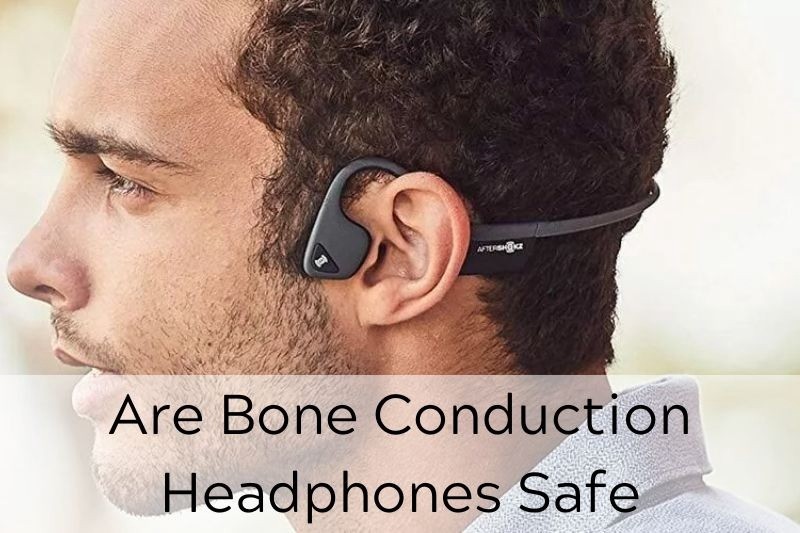
Do bone conduction headphones protect your hearing?
No. Most consumer bone conduction headphones are not hearing protection.
They may let you hear traffic, coworkers, or announcements more easily than sealed earbuds. That is an awareness benefit, not a noise-control benefit. In a loud setting, the music and background noise can still combine into a harmful exposure.
Do not treat bone conduction headphones as protection at:
- Shooting ranges
- Concerts
- Airports
- Construction sites
- Factories
- Motor-racing events
- Near lawn equipment
- During emergency response work
Use hearing protection made for the hazard. Depending on the setting, that may include properly fitted earplugs, earmuffs, or both. If you also use headphones, make sure you can still hear required alarms and instructions.
A common mistake is to wear bone conduction headphones under earplugs and assume the setup is automatically safe. It may reduce the music reaching you, but the result depends on the sound level, earplugs, fit, and noise source. It should not replace an employer’s hearing-conservation program or a qualified safety assessment.
What side effects can bone conduction headphones cause?
Most side effects are mild and relate to sound, pressure, skin contact, or fit. Stop using the headphones if symptoms continue or worsen.
Common complaints
Users may report:
- Headaches
- Tenderness near the temples or cheekbones
- A tight or pressing feeling
- Tingling or numbness
- Skin redness
- Sweating or irritation
- Tinnitus, such as ringing or buzzing
- Temporary muffled hearing
- Dizziness or discomfort
Pressure-related discomfort usually comes from a tight band, poor placement, or wearing the device for too long. Moving the transducers slightly, lowering the volume, taking breaks, or changing the fit may help.
Symptoms that need more caution
Do not push through:
- New or worsening ringing in the ears
- Muffled hearing after listening
- Ear pain
- Sudden hearing change
- One-sided hearing loss
- Drainage or signs of infection
- Repeated dizziness
- Severe or persistent headache
If hearing suddenly drops, especially in one ear, seek urgent medical care. Sudden sensorineural hearing loss can be time-sensitive. A primary-care clinician, audiologist, or ear, nose, and throat specialist can help assess ongoing symptoms.
Skin and sweat issues
Bone conduction headphones press against the skin for much of the listening session. Sweat, salt, dirt, and friction can cause irritation. Clean the contact points according to the manufacturer’s instructions. Do not share a device without cleaning it first.
Water resistance also has limits. A rating such as IP55, IP66, or IP67 describes specific test conditions. It does not mean every device is safe for swimming. Follow the exact product manual.
How to use bone conduction headphones more safely
Use the lowest volume that lets you follow the content. Then limit the total listening time.
A practical safety routine is:
- Start below half volume. Increase it only if you cannot hear the content clearly.
- Choose quieter places when possible. A quiet room reduces the need to raise the volume.
- Take regular breaks. Remove the headphones and give your ears quiet time.
- Stop after warning symptoms. Ringing, muffled hearing, or pain means the exposure may be too much.
- Keep the transducers in the correct position. Follow the manual rather than pressing them harder against your head.
- Clean the contact areas. This helps reduce skin irritation.
- Check the device before exercise. Sweat, movement, and a loose fit can change comfort and sound.
- Do not use them as work-site hearing protection. Use approved protection for hazardous noise.
A useful volume and time example
Imagine two listening sessions:
- Session A: Moderate volume for 30 minutes in a quiet room
- Session B: High volume for two hours beside heavy traffic
Session B is the greater concern, even if the headphones feel comfortable and leave the ears uncovered.
The sound dose builds over time. Comfort is not a reliable measure of safety. The inner ear does not always hurt while loud sound is causing injury.
Can a decibel app measure the risk?
A phone app may offer a rough estimate of room noise, but it usually cannot measure the exact sound level reaching your cochlea through a specific bone conduction device.
Use an app as a general warning, not as a medical measurement. For workplace decisions, use equipment and methods suited to occupational noise assessment.
Are bone conduction headphones safe for children?
They can be used by children only with close adult supervision and conservative volume limits. Children may not notice or report early signs of overexposure.
The American Academy of Pediatrics advises parents to manage children’s exposure to loud sound and to use volume-limiting features when available. A volume limiter is helpful, but it may not be exact across every device, app, or connection.
Parents should:
- Set the limit before handing over the headphones.
- Avoid maximum volume.
- Limit long listening sessions.
- Teach children to report ringing or muffled hearing.
- Avoid headphones in loud environments unless hearing protection is being used correctly.
- Choose a fit that does not press hard against the head.
A child with hearing loss, ear disease, developmental differences, tinnitus, or a hearing device should receive individualized advice from an audiologist or physician.

Are bone conduction headphones safe for people with hearing loss?
That depends on the type and cause of the hearing loss. Bone conduction products may help some people with conductive hearing loss, but ordinary consumer headphones are not a replacement for a medically fitted bone-anchored hearing system or hearing aid.
A clinician may consider bone conduction when sound has trouble passing through the outer or middle ear. This is different from sensorineural hearing loss, which involves the cochlea or auditory nerve. If the cochlea cannot process sound well, simply sending vibration to it may not solve the problem.
People with hearing loss should consider a hearing evaluation before using bone conduction as a workaround. An audiologist can check:
- Whether the loss is conductive, sensorineural, or mixed
- Whether one ear is affected more than the other
- Whether the device is loud enough or too loud
- Whether another hearing technology would work better
- Whether symptoms suggest a medical condition
Do not use a consumer product to delay care for worsening hearing, ear pain, discharge, or sudden hearing loss.
Do bone conduction headphones affect situational awareness?
They may improve awareness compared with sealed earbuds, but they do not guarantee it.
Open ears can make it easier to hear a car horn, a person speaking, or a public announcement. Still, music, podcasts, wind, road noise, and the user’s attention can mask important sounds.
For walking, cycling, or running in the United States:
- Keep volume low.
- Stay alert at crossings and driveways.
- Do not assume drivers can see you.
- Follow local laws on headphone use while cycling or driving.
- Remove or pause the headphones when crossing busy roads or handling traffic.
- Never use headphones as a reason to ignore a safety signal.
Bone conduction may improve awareness, but visual checks and safe behavior remain essential.
What Reddit discussions get right about bone conduction safety
Reddit often raises useful real-world issues that product pages may not explain well. Common questions include whether the headphones cause headaches, whether they work with earplugs, whether they damage hearing, and whether they help with tinnitus.
Those are valid questions. But Reddit comments have limits:
- A user may not know the sound level they used.
- Symptoms may come from another cause.
- One model may differ from another.
- A short personal experience cannot show long-term safety.
- A lack of symptoms does not prove a lack of hearing damage.
- A dramatic story does not prove that every unit has the same fault.
Treat Reddit as a source of questions and user experiences, not as a controlled safety study. Look for details such as model, fit, volume, listening time, noise level, medical history, and whether the user sought professional testing.
A good rule is: use Reddit to identify what to investigate, then verify the answer through the product manual, public health guidance, and a qualified clinician when symptoms are involved.
Common mistakes to avoid
Mistake 1: Assuming open ears mean safe ears
Open ears may improve awareness and comfort. They do not stop loud vibrations from reaching the cochlea.
Mistake 2: Turning the volume up in noisy places
If the podcast is hard to hear, move to a quieter place or pause it. Raising the volume near traffic or machinery increases exposure.
Mistake 3: Using comfort as the safety test
A comfortable headset can still be too loud. Hearing damage may occur without pain.
Mistake 4: Confusing water resistance with swimming use
Only use a device in water if the manufacturer specifically supports that use. Sweat and rain are not the same as immersion.
Mistake 5: Ignoring ringing after listening
Temporary ringing is a warning sign. Stop listening, lower future exposure, and seek advice if it repeats or lasts.
Mistake 6: Treating consumer headphones as medical devices
A consumer bone conduction headset is not automatically suitable for hearing loss. Medical hearing needs require testing and fitting.
A quick decision guide
| Situation | Safer approach |
|---|---|
| Quiet room, short session, low volume | Usually reasonable for most users |
| Long workout with loud music | Lower volume and add breaks |
| Busy street or traffic | Keep volume low and pause at crossings |
| Construction or industrial noise | Use approved hearing protection |
| Ringing or muffled hearing | Stop and reassess; seek care if persistent |
| Ear-canal irritation from earbuds | Bone conduction may reduce canal contact |
| Known hearing loss | Ask an audiologist before relying on the device |
| Child use | Use limits, supervision, and short sessions |
| Swimming | Only if the exact model is designed for it |
| Sudden hearing loss or severe symptoms | Seek urgent medical attention |
Frequently asked questions
Are bone conduction headphones safer for tinnitus?
Not necessarily. Some people find them more comfortable because they do not seal the ear canal. Others may notice that sound worsens their tinnitus. There is no general rule that bone conduction headphones treat tinnitus. Use a low volume and stop if ringing increases.
Can I wear earplugs with bone conduction headphones?
Often, yes, but the combination does not automatically make listening safe. Earplugs may reduce background noise and may allow lower headphone volume. They also reduce awareness of speech and alarms, so use them only when appropriate for the setting.
Can bone conduction headphones cause vertigo?
They may cause discomfort or dizziness in some users, although many people tolerate them well. Stop using them if dizziness occurs. Persistent vertigo needs medical assessment because it can have causes unrelated to headphones.
How long can I wear bone conduction headphones?
There is no single safe time for every person or device. Volume, background noise, fit, and individual sensitivity all matter. Use short sessions, take breaks, and stop when you notice ringing, muffled hearing, pain, or pressure.
Do bone conduction headphones damage the skull or brain?
There is no good evidence that ordinary consumer use damages the skull or brain. The more relevant safety concern is excessive sound exposure to the inner ear, along with pressure, skin irritation, and reduced awareness in hazardous settings.
Bottom line
Bone conduction headphones are generally safe when used at a low or moderate volume, for limited periods, and in suitable environments. They may reduce ear-canal irritation and help users remain aware of surrounding sounds. They are not automatically safer for hearing than regular headphones, and they are not hearing protection.
Use them at the lowest useful volume, take breaks, and stop if you notice ringing, muffled hearing, pain, or dizziness. If you have hearing loss or ongoing symptoms, ask an audiologist or ear, nose, and throat specialist before relying on them.
References and evidence
- World Health Organization: Safe listening
- National Institute for Occupational Safety and Health: Criteria for a Recommended Standard—Occupational Noise Exposure
- American Academy of Pediatrics: Noise exposure and hearing protection guidance
- National Institute on Deafness and Other Communication Disorders: Noise-induced hearing loss
- U.S. Occupational Safety and Health Administration: Occupational noise exposure


Everett Ashford is a tech reviewer at mytechgrid.com specializing in SSDs, cameras, TVs, earbuds, headphones, and other consumer electronics. He provides honest, data-driven reviews based on hands-on testing and real-world performance analysis. Everett simplifies complex tech details to help readers make smart, confident buying decisions.