Pick the shape, sound, and features that match your needs, budget, and comfort.
I have tested and reviewed headphones for years. I know what matters and what does not. This guide shows you how to choose headphones with clear steps. Read on to match the right style, sound, and features to your life and budget.
Why choosing the right headphones matters
The right headphones can change how you enjoy music, work, and travel. Bad fit or wrong sound wastes money and hurts your ears. Choosing well gives better sound, comfort, and longer life. This guide walks you through the key choices and trade-offs so you pick with confidence.

Types of headphones and what they do
Know the basic types before you buy. Each type fits a use case.
- Over-ear: Large cups that sit around the ear. They offer strong bass, comfort, and good soundstage.
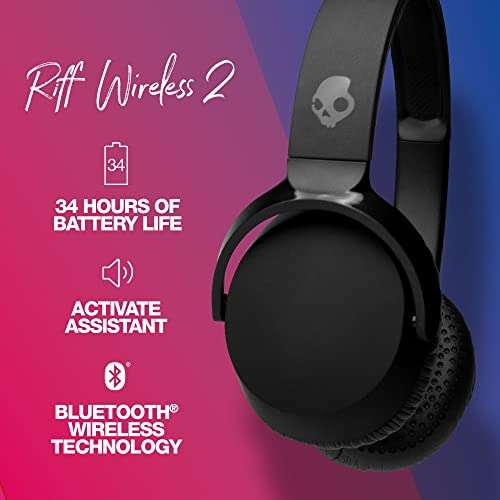
- On-ear: Sit on the ear. They are smaller and lighter but can press on ears.
- In-ear (wired): Fit in the ear canal. Great for noise isolation and portability.
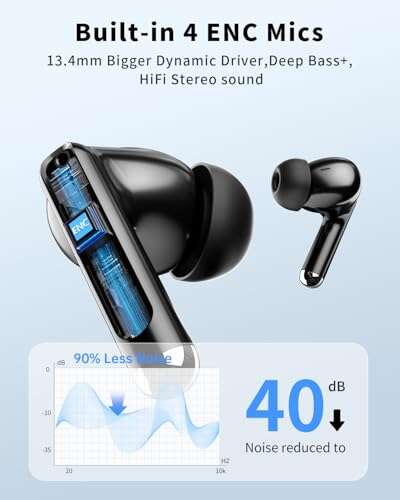
- True wireless earbuds: No wires at all. Best for freedom and commuting, but battery matters.
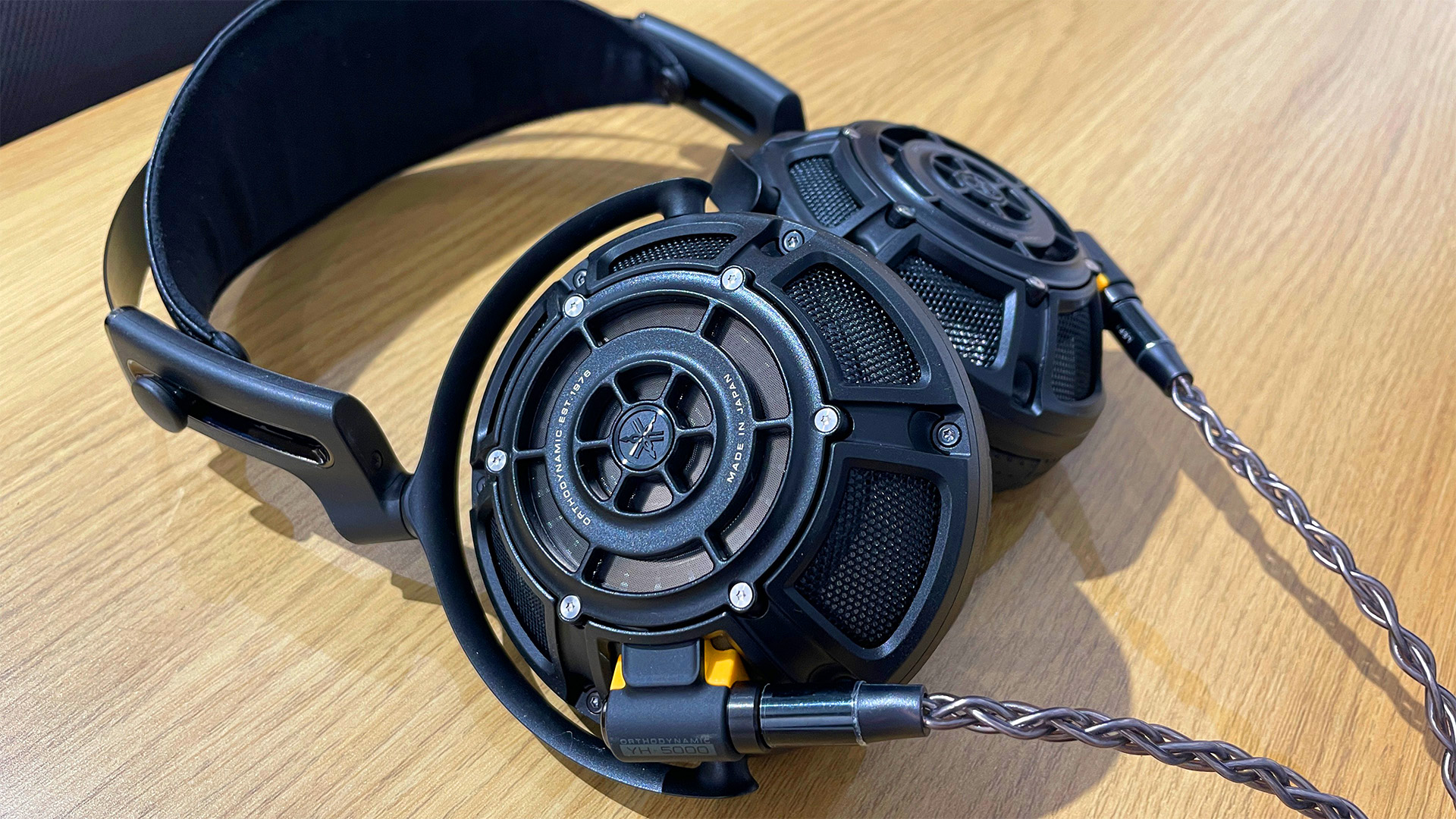
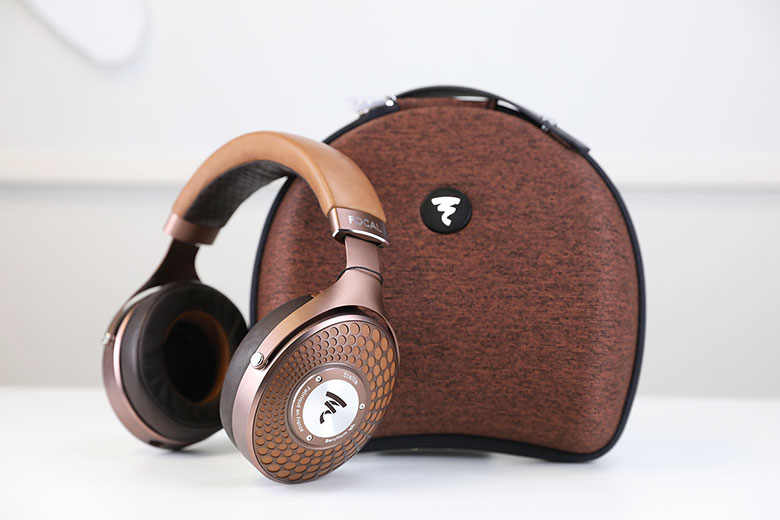
- Open-back vs closed-back: Open-back gives airy sound for home listening. Closed-back isolates and blocks noise.
How to choose headphones starts with picking the type that fits your daily life. Think about where you will use them the most.

Key sound terms made simple
You don’t need to be an audio engineer to choose well. Know these terms.
- Sound signature: The overall balance of bass, mids, and treble. Choices affect music style enjoyment.
- Frequency response: Range of sound a headphone can reproduce. Wider is not always better.
- Drivers: The parts that make sound. Bigger drivers often mean fuller bass for over-ear models.
- Impedance and sensitivity: Affect volume and pairing with devices. Phone-friendly gear has low impedance and good sensitivity.
- Soundstage and imaging: How wide and clear the sound feels. Important for movies and live recordings.
These terms help you read reviews and compare models when you decide how to choose headphones.
Match headphones to your use case
Ask what you’ll use them for. Match features to that need.
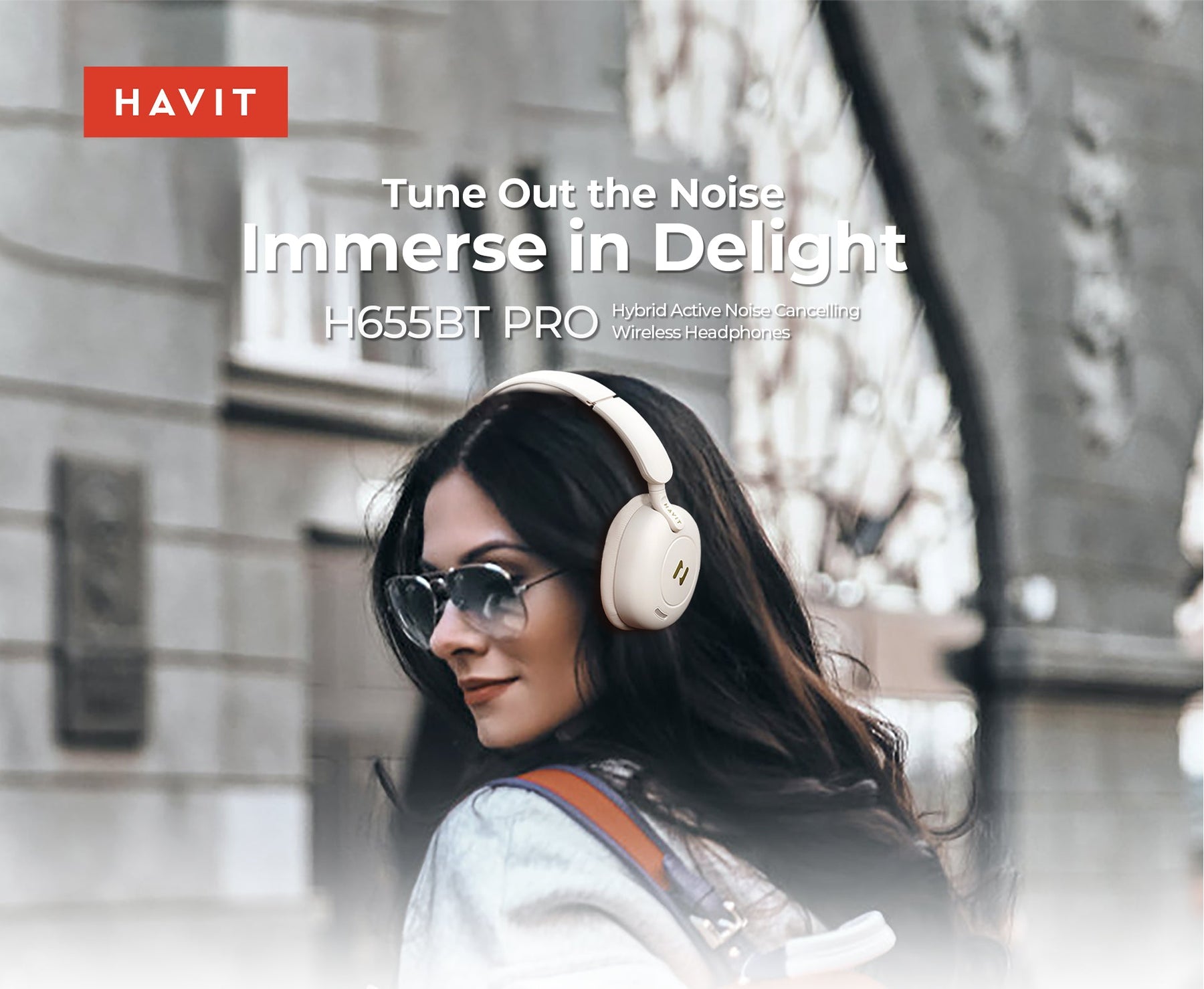
- Commuting and travel: Choose noise isolation or active noise cancellation and long battery life.
- Work and calls: Prioritize clear mics, stable Bluetooth, and comfort for long wear.
- Gaming: Look for low latency, a good mic, and positional audio support.
- Studio or mixing: Use wired, flat-sounding models with wide frequency response.
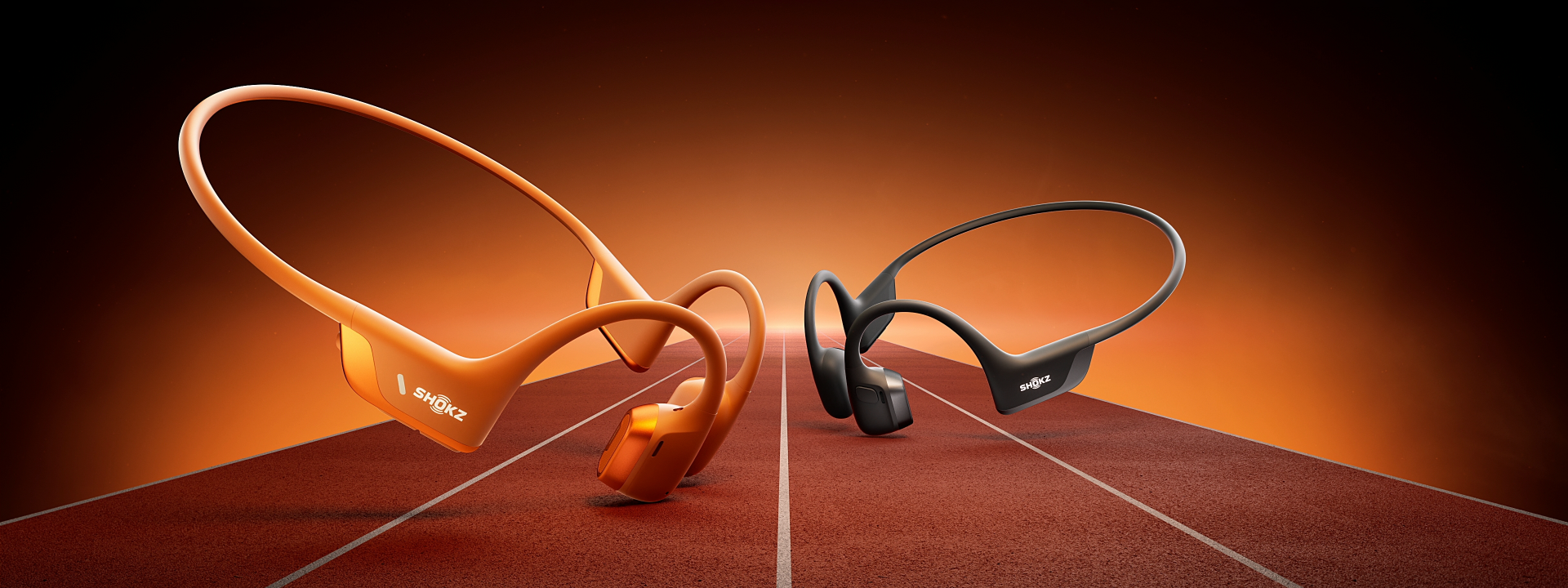
- Fitness: Pick sweat-resistant, secure-fit earbuds or small on-ear models.
Decide the main use first. That narrows choices fast and makes how to choose headphones much easier.

Wired vs wireless and active noise cancellation
Pick the connection and noise control that suits you.
- Wired benefits: No lag, no battery, sometimes better raw sound.
- Wireless benefits: Freedom of movement and modern features like multipoint pairing.
- Active noise cancellation (ANC): Cuts steady noise like engines. Good for travel but can change the sound tone.
- Latency: Wireless codecs matter. Use aptX or LDAC for lower lag where supported.
If you need portability and daily convenience, wireless is the usual pick. If pure sound or studio work matters, wired often wins.
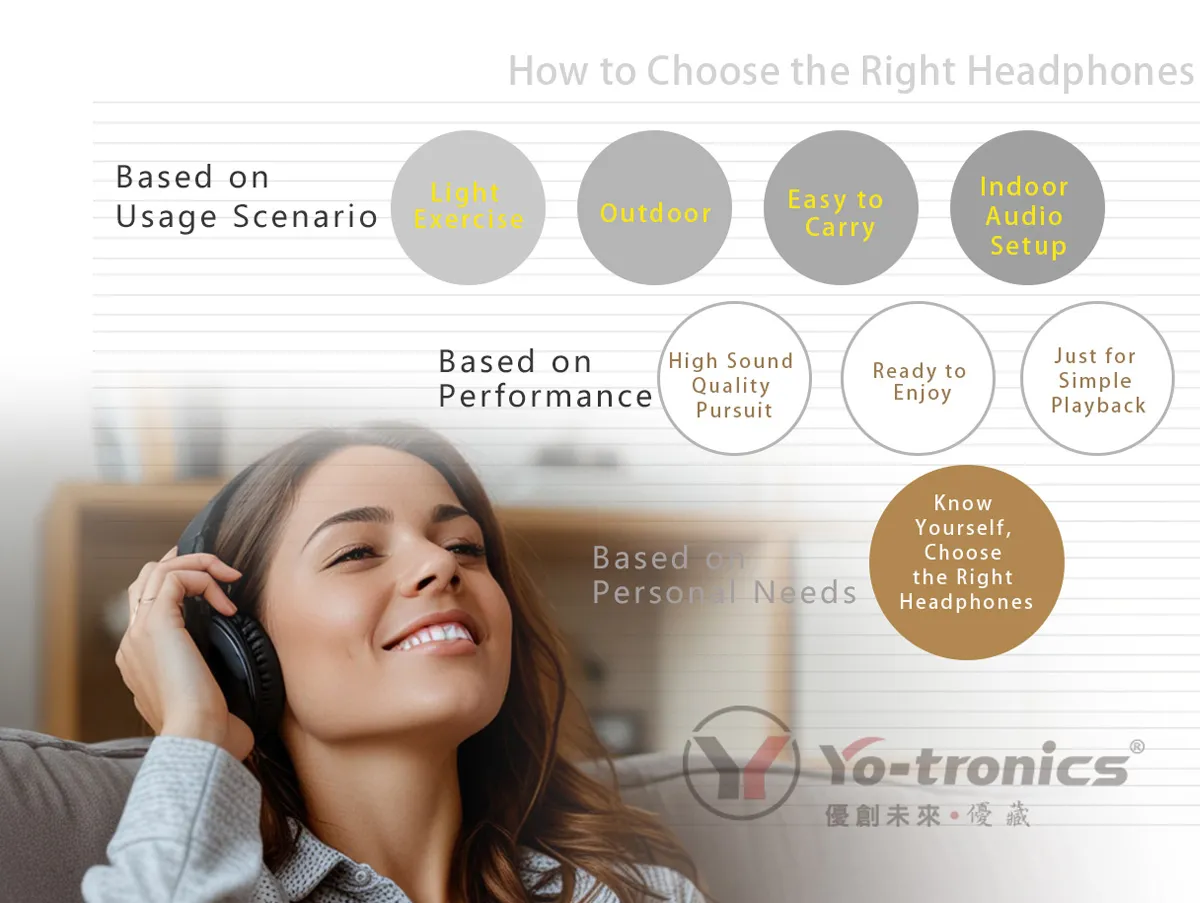
Comfort, fit, build, and mic quality
A good fit keeps you listening longer and protects your ears.
- Fit: Try different ear tips or headband padding. Comfort beats small sound gains.
- Seal: For in-ears, a tight seal improves bass. For over-ears, cup size and clamping force matter.
- Build: Metal frames last longer; plastic saves weight. Check hinges and cable quality.
- Microphone: Look for wind reduction and clarity for calls. Test voice pickup before buying if possible.
I once returned a set with great sound because it hurt after 20 minutes. Comfort should be as important as sound when you decide how to choose headphones.
How to test headphones before buying
A quick test beats buyer’s remorse.
- Bring familiar tracks: Use 2–3 songs you know well.
- Try different volumes: Check distortion at high and low levels.
- Test the mic: Call a friend to check voice quality.
- Move around: If wireless, test range and dropouts.
- Check comfort: Wear them for 15–30 minutes.
If you can’t test in person, read multiple reviews and watch listening demos. Look for measurements and consistent impressions across reviewers.
Price ranges and value tips
Price does not always equal better for your needs.
- Budget (under $75): Good for daily casual use, many solid earbuds and wired cans.
- Mid-range ($75–$300): Better comfort, sound tuning, and active features.
- High-end ($300+): Premium materials, refined sound, and long-term support.
Buy features you will use. Don’t pay extra for audiophile tweaks if you mainly use headphones on a phone during commute.

Maintenance and care
Simple care keeps headphones working longer.
- Store in a case: Protects cups and cables.
- Clean ear tips and pads: Use a soft cloth and mild cleaner.
- Replace parts: Many brands sell pads and cables.
- Charge wisely: For wireless, avoid deep discharges often.
Proper care reduces cost over time and keeps sound quality steady.
Personal experience: lessons and common mistakes
Here are honest lessons from years of testing gear.
- Mistake: Buying only on specs. I bought an expensive set for bass and found them harsh for vocals.
- Lesson: Try before you buy. Stores and return policies save money.
- Tip: Start with one trusted brand for a while to learn your preferred sound.
- Note: Ear shape matters. Two people can react very differently to the same model.
These real bits of experience make the process of how to choose headphones easier and less risky.
PAA-style questions (quick answers)
Will ANC hurt sound quality?
ANC can change the tone slightly. High-quality ANC has little impact, but cheap units may sound muffled.
Do higher price headphones always sound better?
Not always. Higher price often brings comfort and build quality. Sound preference is personal.
Are wired headphones better than wireless for sound?
Wired can offer lower latency and direct power. Modern wireless codecs have closed the gap for many users.
Frequently Asked Questions of how to choose headphones
How do I pick between over-ear and in-ear headphones?
Pick over-ear for comfort and roomier sound. Choose in-ear for portability and better isolation on the move.
What sound signature should I choose for rock and pop?
A balanced signature with a tad of bass works well. Avoid overly bright treble unless you like extra sparkle.
How important is impedance for phone users?
Low impedance and good sensitivity are best for phones. High impedance needs a dedicated amp or a powerful source.
How long should battery life be for daily use?
Aim for at least 20 hours with ANC off for all-day use. For short commutes, 6–8 hours can be okay.
Can I use noise cancelling headphones on planes?
Yes. ANC works well on planes for steady engine noise. Combine ANC with a good seal for best results.
Conclusion
Choosing headphones is about matching type, sound, comfort, and budget to your life. Start with use case, then test fit and sound. Prioritize comfort, real-world tests, and features you will use daily. Take action: try favorites in store, read multiple reviews, and buy from a retailer with a good return policy. Share your picks or questions below, subscribe for more guides, or leave a comment with your main use case.

Jamie Lee is a seasoned tech analyst and writer at MyTechGrid.com, known for making the rapidly evolving world of technology accessible to all. Jamie’s work focuses on emerging technologies, product deep-dives, and industry trends—translating complex concepts into engaging, easy-to-understand content. When not researching the latest breakthroughs, Jamie enjoys exploring new tools, testing gadgets, and helping readers navigate the digital world with confidence.