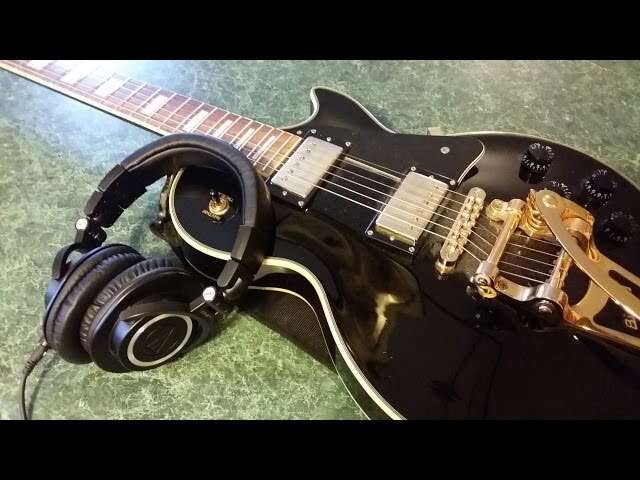
You can play an electric guitar with headphones by routing the amp or interface output into headphones.
I’ve taught players and toured with bands, and I know how important quiet practice is. This guide covers everything you need to know about how to play electric guitar with headphones. I’ll explain the gear, show clear step-by-step setups, dig into tone and latency, and share real tips from my own practice sessions. Read on to get confident, quiet, and great-sounding headphone guitar sessions.

Why play electric guitar with headphones
Playing with headphones keeps noise down. It lets you practice at odd hours. It also helps you hear detail in your tone. For many players, headphones equal focused, efficient practice.
My experience: I switched to headphone practice during late-night tours. My tone improved. My chops got tighter. I recorded ideas quietly on the road.

Gear options for playing electric guitar with headphones
There are several simple ways to play an electric guitar with headphones. Each option fits different budgets and goals.
-
Audio interface
- Plug your guitar into a USB audio interface. Use amp simulation software or a DAW. Plug headphones into the interface.
- Pros: great tone, recording ready. Cons: needs a computer or tablet.
-
Headphone-ready practice amp
- Many small amps have a headphone jack. Plug headphones directly in.
- Pros: simple, portable. Cons: limited tone shaping on basic models.
-
Multi-effects pedal with headphone output
- Many multi-FX units include a headphone output and amp models.
- Pros: many sounds, no computer. Cons: learning curve.
-
Amp with line-out or FX loop
- Use the amp’s line-out into a headphone amp or interface.
- Pros: keeps your amp’s natural tone. Cons: needs extra gear.
-
Headphone amp or adapter
- Small headphone amps take speaker-level or line-level signals and drive headphones.
- Pros: cheap and simple. Cons: may color tone.
How to play electric guitar with headphones starts by choosing one of these setups. Match the gear to your goals: tone, portability, or recording.
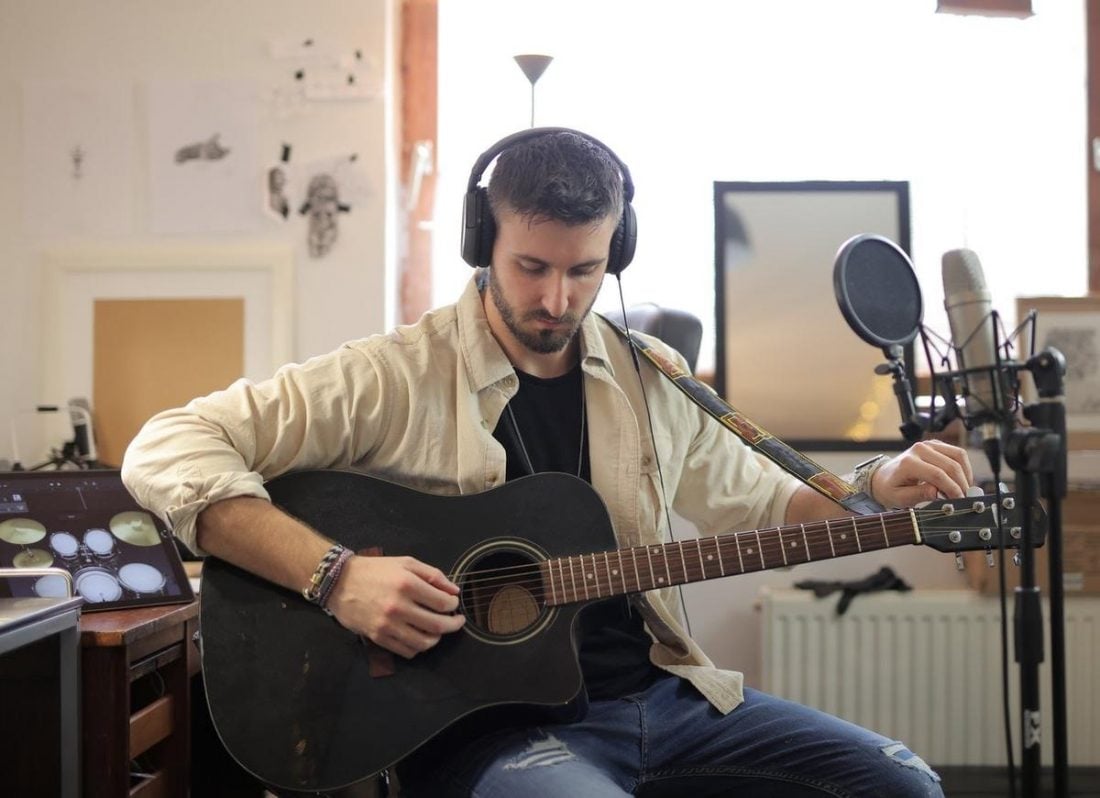
Step-by-step: how to play electric guitar with headphones (basic setups)
Below are clear steps for three common setups. Follow the one that fits your gear.
- Using a headphone-ready practice amp
- Plug your guitar into the amp input.
- Plug headphones into the amp’s headphone jack.
- Set master volume low. Set gain and EQ to taste.
- Play and adjust headphone volume.
- Using a USB audio interface and amp sims
- Connect your guitar to the interface input.
- Open your amp-sim software or DAW.
- Select the interface as input and output device.
- Insert an amp-sim preset. Put headphones into interface output.
- Lower input gain to avoid clipping. Play and tweak tone.
- Using a multi-effects unit
- Plug guitar into the multi-FX input.
- Set the unit to output to headphones or direct monitoring.
- Plug headphones into the unit.
- Choose an amp model or preset. Adjust volume and effects.
How to play electric guitar with headphones in any setup requires checking input gain, monitoring latency, and keeping volumes safe.
Tone, latency, and volume: practical tips
Tone matters. Latency can ruin tight playing. Volume can harm your ears. Here’s how to manage each.
-
Tone tips
- Use amp sims or multi-FX to get realistic amp behavior.
- Add a touch of reverb and compression for more natural feel.
- EQ your headphones. Small boosts or cuts can mimic speaker response.
-
Latency tips
- Use direct monitor on interfaces if possible. This gives zero-latency monitoring.
- In software, reduce buffer size to lower latency. Beware CPU strain.
- Wired connections are faster than Bluetooth. Avoid Bluetooth for low-latency playing.
-
Volume and ear safety
- Keep headphone volume at a level where you can hear external noise.
- Follow the 60/60 rule: 60% volume for 60 minutes max, then rest.
- Use headphones with a flat response for better mixing decisions.
From experience, a short low-latency signal chain leads to better timing and faster progress. If your latency feels laggy, simplify the chain.

Practice routines and techniques while using headphones
Headphone practice opens doors. Use it to build skill faster.
-
Warm-up routine
- 5 minutes of finger stretching.
- 10 minutes of chromatic runs or scales.
- 10 minutes of timing exercises with a metronome.
-
Tone-focused drills
- Spend 10 minutes dialing a tone for a song.
- Record short loops and compare settings.
-
Song and technique practice
- Break songs into 30–60 second sections.
- Practice slowly with a metronome.
- Use headphone clarity to focus on articulation, dynamics, and timing.
I often record a noisy idea through an amp-sim in 10 minutes and refine it later. Headphones help you hear small mistakes right away.
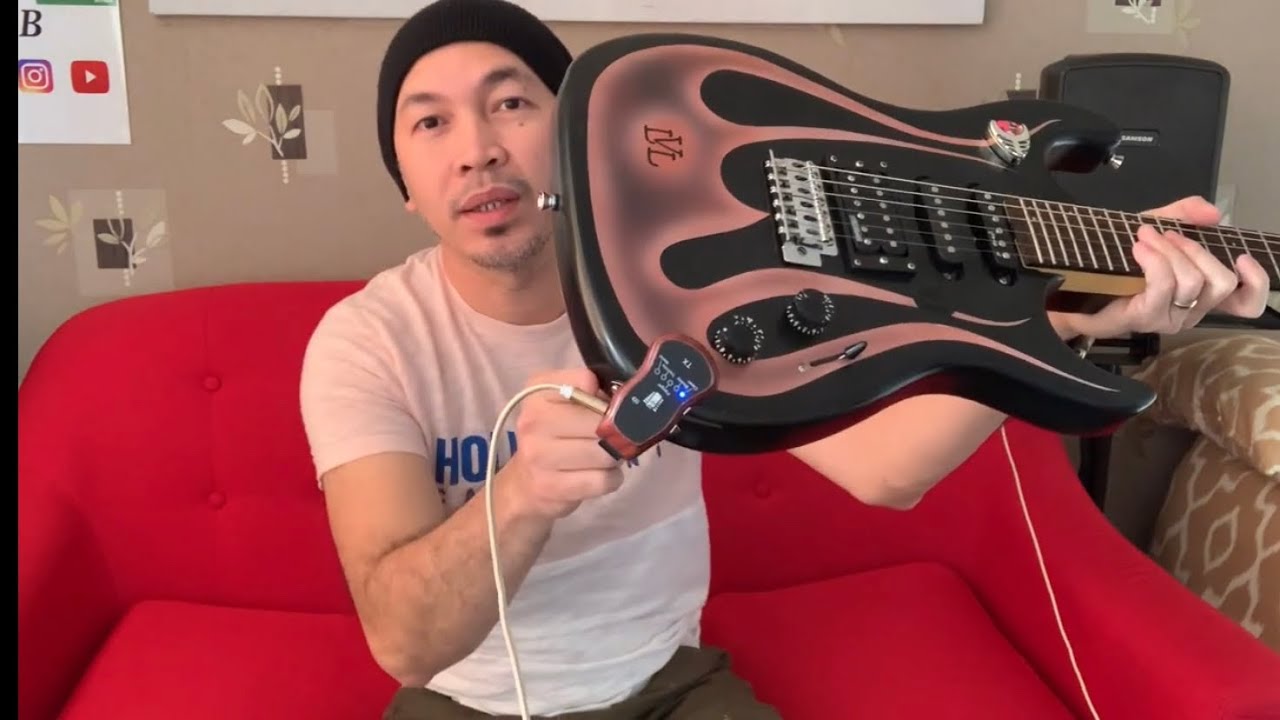
Troubleshooting common problems
If you run into issues, try these quick fixes.
-
No sound in headphones
- Check cable connections and headphone jack.
- Verify interface or amp output selection.
- Lower headphone volume and test again.
-
Excessive latency
- Enable direct monitoring on the interface.
- Reduce buffer size in your audio settings.
- Close background apps that use CPU.
-
Thin or harsh tone
- Add low-end with EQ or change guitar pickup selector.
- Use a different amp model or speaker simulation.
- Try different headphones; closed-back vs open-back change the feel.
-
Distortion when not wanted
- Lower input gain or pickup volume.
- Reduce amp gain or use cleaner preset.
How to play electric guitar with headphones becomes simple after you learn these fixes.
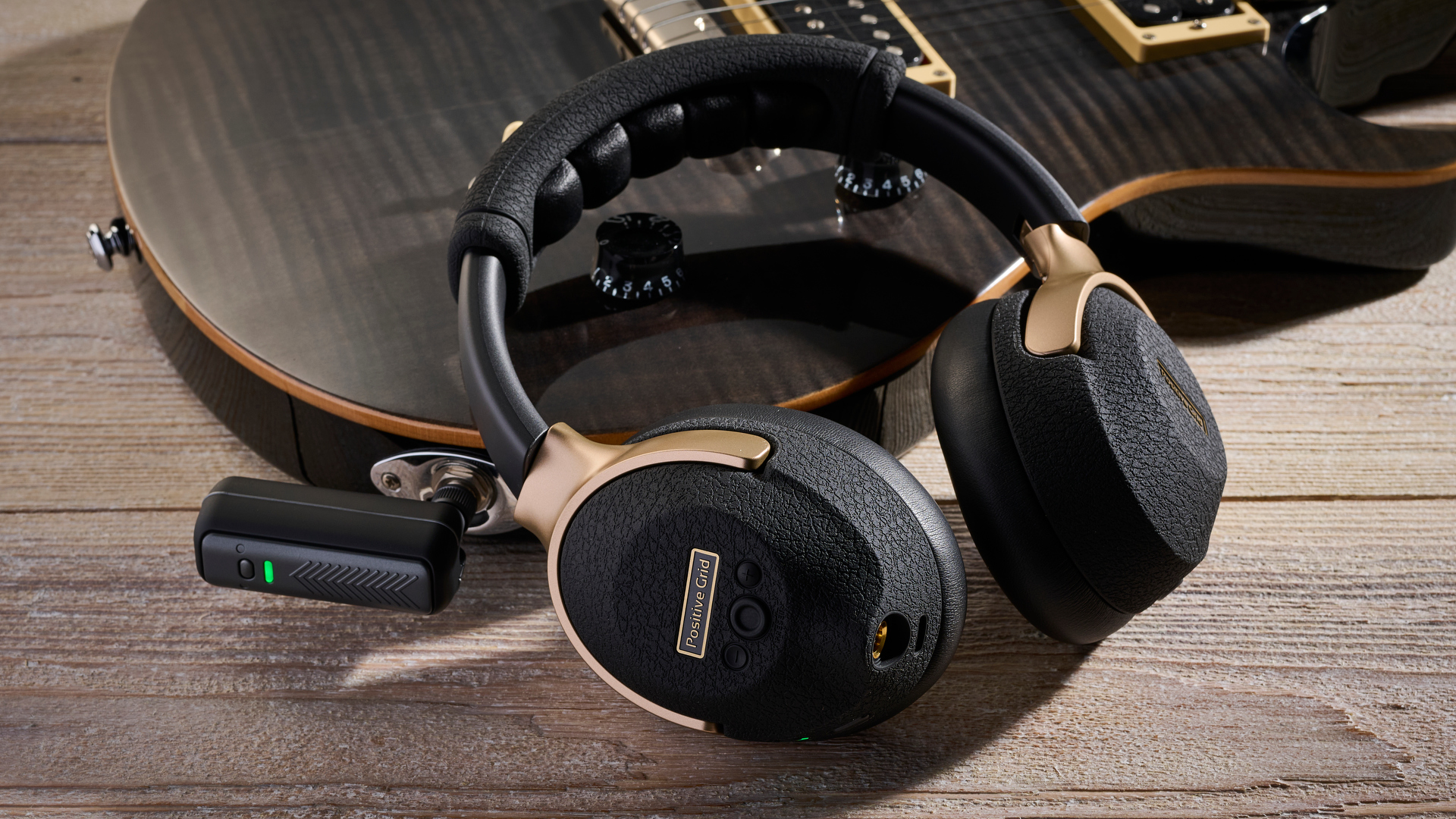
Common questions while setting up (PAA-style)
Do I need a special cable to use headphones with a practice amp?
Most practice amps use a standard 1/4" headphone jack. If your headphones use 1/8", use a 1/8" to 1/4" adapter.
Can I plug headphones directly into a regular guitar amp?
Yes, if the amp has a headphone jack. If it doesn’t, use the amp’s line-out into an interface or a headphone amp.
Is Bluetooth okay for guitar practice?
No. Bluetooth usually adds too much latency. Use wired headphones for tight timing and feel.
Will I lose tone when using headphones instead of a speaker?
You may hear differences, but good amp sims and quality headphone amps can produce a convincing tone for practice and recording.
How loud should I set headphone volume?
Keep volume comfortable. Use the 60/60 rule: 60% volume for up to 60 minutes, then rest your ears.

Personal lessons and mistakes to avoid
I learned a few things by trial.
- Mistake: practicing with high latency. Fix: simplify chain and use direct monitor.
- Mistake: using only heavy effects. Fix: practice clean and with light effects to hear technique.
- Lesson: small, focused sessions beat long unfocused ones.
- Lesson: record and listen back through headphones; you’ll hear what needs work.
These tips saved me hours of frustration and improved my tracking and timing.
Accessories and upgrades worth investing in
Small upgrades make a big difference.
- Decent audio interface with direct monitoring
- Closed-back studio headphones for isolation
- Quality instrument cable
- Simple headphone amp for amp-only setups
- Power conditioner or surge protector for stable gear
Invest where it matters: the interface and the headphones. They shape your immediate experience.
Frequently Asked Questions of how to play electric guitar with headphones
What gear do I absolutely need to play electric guitar with headphones?
At minimum, you need your guitar, headphones, and a way to connect them such as a headphone-ready amp, audio interface, or multi-effects unit.
Can I use my phone or tablet to play guitar with headphones?
Yes. Use an audio interface or a multi-FX device that supports mobile devices. Avoid Bluetooth for low latency.
Will headphone practice damage my technique compared to speaker practice?
No. Headphone practice can improve technique by revealing detail. Still, play through speakers occasionally to learn how tone interacts with a room.
How do I avoid latency when using an audio interface?
Use the interface’s direct monitoring and lower the buffer size. Choose a fast, quality interface for best results.
Are there recommended headphones for electric guitar practice?
Closed-back studio headphones are a great choice for isolation and accurate tone. Comfort matters for long sessions.
Conclusion
You can practice quietly and effectively once you know how to play electric guitar with headphones. Choose the setup that fits your goals. Watch latency, protect your ears, and make tone choices that help your ears learn. Start small: set up a reliable chain, run short focused sessions, and record what you play. Try one of the setups here tonight and see immediate gains in clarity and focus. If you found this helpful, leave a comment, share your setup, or subscribe for more tips.

Everett Ashford is a tech reviewer at mytechgrid.com specializing in SSDs, cameras, TVs, earbuds, headphones, and other consumer electronics. He provides honest, data-driven reviews based on hands-on testing and real-world performance analysis. Everett simplifies complex tech details to help readers make smart, confident buying decisions.