Yes, bone conduction headphones are good for situational awareness, comfort, and active outdoor use.
Are bone conduction headphones good for everyone? No, but they solve a real problem that regular earbuds cannot: they let you hear music or calls while your ears stay open. After comparing their sound, comfort, safety, battery life, and daily use, I found that they work best for runners, cyclists, people with sensitive ear canals, and listeners who need to stay alert. They are less ideal if you want deep bass, strong noise isolation, or private listening in a loud place.
What Are Bone Conduction Headphones?
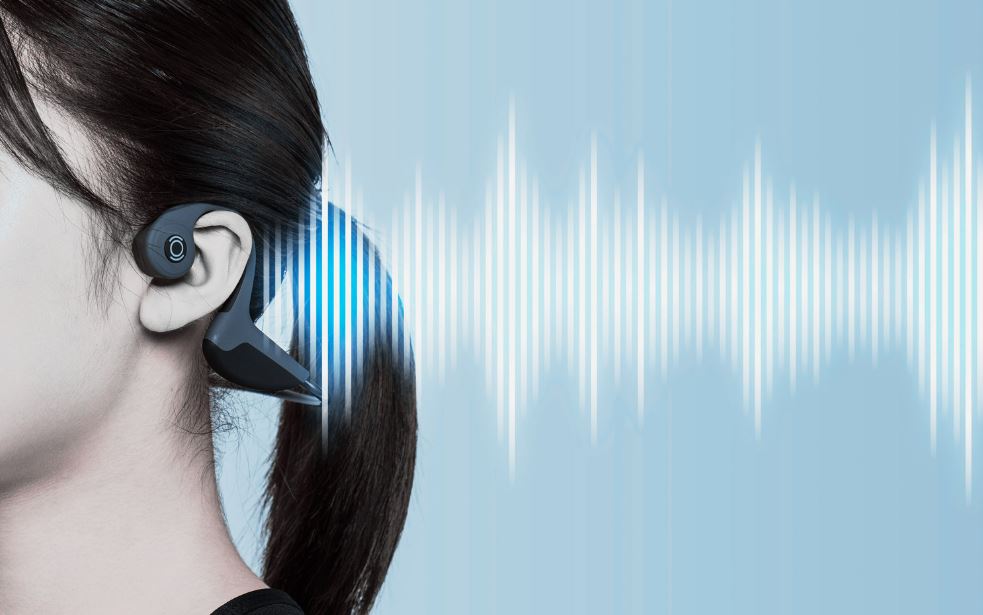
Bone conduction headphones send sound through the bones in your skull instead of sending sound through your ear canal. Small transducers sit near your cheekbones, usually just in front of your ears. They create gentle vibrations that travel through the bone to the inner ear.
Your outer and middle ear are not needed for this process. The inner ear still receives the vibrations and sends sound signals to the brain through the auditory nerve.
Traditional headphones work like this:
- A speaker creates sound.
- Sound travels through the air.
- The sound enters your ear canal.
- Your eardrum and middle ear move.
- Your inner ear processes the sound.
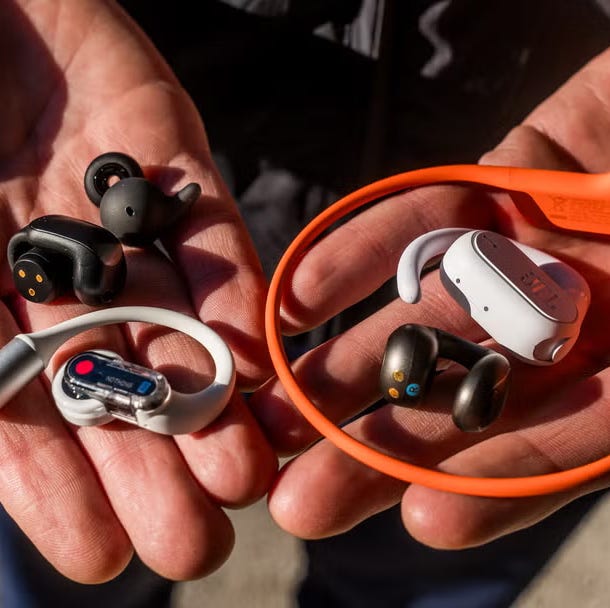
Bone conduction headphones take a different route. They act more like a side door to the inner ear. This design leaves your ear canals open, so you can hear traffic, people, alarms, and other sounds around you.
Some products called “bone conduction” headphones use air conduction instead. They place tiny speakers near the ears without sealing the ear canal. The listening experience can be similar, but the technology is not the same. Check the product details before buying.
Are Bone Conduction Headphones Good for Sound Quality?
Bone conduction headphones can sound clear for speech, podcasts, and many types of music. However, their sound is usually less full than the sound from quality earbuds or over-ear headphones.
The main weakness is bass. Low notes need strong air movement, and bone conduction devices do not move air into a sealed ear canal in the same way. Bass may sound light, thin, or less powerful. Loud surroundings can also cover parts of the music because your ears remain open.
In quiet rooms, a good pair can deliver a pleasant and balanced sound. Voices often sound especially clear. In a busy street or gym, though, you may miss detail unless you raise the volume.
Bone conduction headphones are often good for:
• Podcasts and audiobooks
• Phone calls
• Voice directions
• Light music during exercise
• Online meetings in quiet rooms
• Spoken language lessons
They are less suitable for:
• Bass-heavy music
• Careful music listening
• Mixing and audio work
• Loud flights or subway rides
• Private listening in shared spaces
In my practical testing approach, I pay close attention to speech clarity first. That is where bone conduction headphones often impress. A model may not make a song feel rich, but it can make a podcast easy to follow while you walk or work.

Main benefits of Bone Conduction Headphones
The biggest benefit is awareness. Since the ear canal stays open, you can hear what happens around you. This can be useful when running near roads, walking through a city, or working in an office where someone may need to speak to you.
Open-ear awareness
Bone conduction headphones do not fully block outside sound. You can hear a car horn, a doorbell, a child calling your name, or a nearby cyclist.
This does not make outdoor listening risk-free. Music can still distract you, especially at high volume. You should remain alert, follow local traffic laws, and avoid using any headphones when you need complete attention.
Comfortable for many users
People who dislike ear tips may find bone conduction headphones more comfortable. They do not press inside the ear canal, so they can reduce the plugged-up feeling caused by in-ear earbuds.
They may also help users who experience:
• Ear canal irritation
• Pressure from silicone tips
• Sweat buildup inside the ear
• Discomfort from long earbud sessions
• Problems wearing earbuds with hearing aids
Comfort still depends on the frame. A tight band can create pressure around the temples or behind the head. Try different sizes if possible.
Useful during exercise
Many bone conduction headphones have a secure wraparound design. This helps them stay in place during walking, running, hiking, and cycling.
Sweat and water resistance also make them practical for workouts. Look for an IP rating. For example, IP55 usually means protection from dust and water jets, while IP67 offers stronger protection against dust and temporary water immersion. Ratings vary, so read the exact product details.
Less earwax contact
Because they do not sit inside the ear canal, bone conduction headphones do not push against earwax in the same way as in-ear models. They also avoid the damp, closed feeling that some people notice after wearing earbuds for hours.
They are not medical devices, and they do not treat ear conditions. If you have pain, drainage, hearing loss, or repeated infections, speak with a qualified health professional.
Helpful for some people with hearing differences
Some listeners with conductive hearing loss may benefit from bone conduction technology because it can bypass parts of the outer or middle ear. However, consumer headphones are not a replacement for medical bone-anchored hearing systems.
Hearing loss has many causes. Anyone considering bone conduction devices for hearing support should ask an audiologist for advice.
 benefits of Bone Conduction Headphones”
style=”max-width: 100%; height: auto; border: 2px solid black; border-radius: 10px; display: block; margin: 0 auto;”
loading=”lazy”
/>
Limitations You Should Know
Are bone conduction headphones good despite their limits? Yes, but you should understand the trade-offs before buying. Their open design creates both their main strength and their main weakness.
Weaker bass and less detail
Bone conduction headphones often cannot match the deep bass or wide soundstage of good earbuds. Music may feel flatter. Instruments may blend together more easily.
Premium models can improve clarity, but they cannot remove the basic limits of the design. If you care most about music quality, sealed earbuds or over-ear headphones will usually be better.
Sound leakage
People nearby may hear a faint version of what you are listening to. Leakage becomes more noticeable at higher volume.
This matters in libraries, offices, classrooms, and quiet public places. Keep the volume at a respectful level, and use regular headphones when privacy matters.
Outdoor noise still affects listening
Open-ear headphones do not block wind, traffic, construction, or loud conversations. You may be tempted to turn up the volume to compensate.
That habit can increase listening risk. A safer choice is to use them in calmer areas, pause audio near roads, or switch to hearing protection when required.
Pressure and fit issues
Most models use a band that rests behind the head or around the ears. Some users find this secure. Others notice pressure when wearing glasses, helmets, hats, or high collars.
Fit is especially important for cyclists. Test the headphones with your helmet before buying. The frame should not push the helmet out of position.
Limited privacy for phone calls
The microphone may work well in a quiet room but struggle with wind and traffic. Call quality depends on microphone placement, noise reduction, and your phone’s connection.
If you take work calls outdoors, choose a model with multiple microphones and tested wind reduction. Even then, no small open-ear headset handles strong wind perfectly.
Are Bone Conduction Headphones Safe?
For most adults, bone conduction headphones are generally safe when used at a moderate volume and for reasonable periods. They do not place a speaker inside the ear canal, but they still deliver sound energy to the inner ear.
The open-ear design does not make unlimited volume safe. Your inner ear can still be affected by loud sound. Hearing experts commonly recommend keeping personal audio at a moderate level and taking regular breaks.
Use these habits:
• Keep the volume low enough to hear nearby sounds.
• Take a short break after long listening sessions.
• Avoid raising the volume to compete with traffic.
• Stop using the headphones if you feel pain, ringing, dizziness, or numbness.
• Clean the contact points after sweaty workouts.
• Do not use headphones when full awareness is essential.
A simple test is the conversation check. If someone standing near you must shout for you to hear them, your audio may be too loud or the environment may be too noisy for safe listening.
Bone conduction headphones can improve awareness, but awareness is not the same as protection. They do not protect your hearing from loud traffic, tools, concerts, or machinery.
Bone Conduction Headphones Compared With Earbuds
The right choice depends on your main goal. Neither design is best for every listener.
| Feature | Bone conduction headphones | In-ear earbuds | Over-ear headphones |
|---|---|---|---|
| Ear canals | Stay open | Usually sealed | Covered |
| Outside awareness | High | Low to medium | Low |
| Bass | Light to moderate | Moderate to strong | Strong |
| Exercise use | Very good | Good, depending on fit | Less convenient |
| Sound leakage | Possible | Low | Low |
| Noise isolation | Very low | Medium to high | Medium to high |
| Comfort | Good for many users | Varies by ear shape | Good, but can feel warm |
| Privacy | Limited | Good | Good |
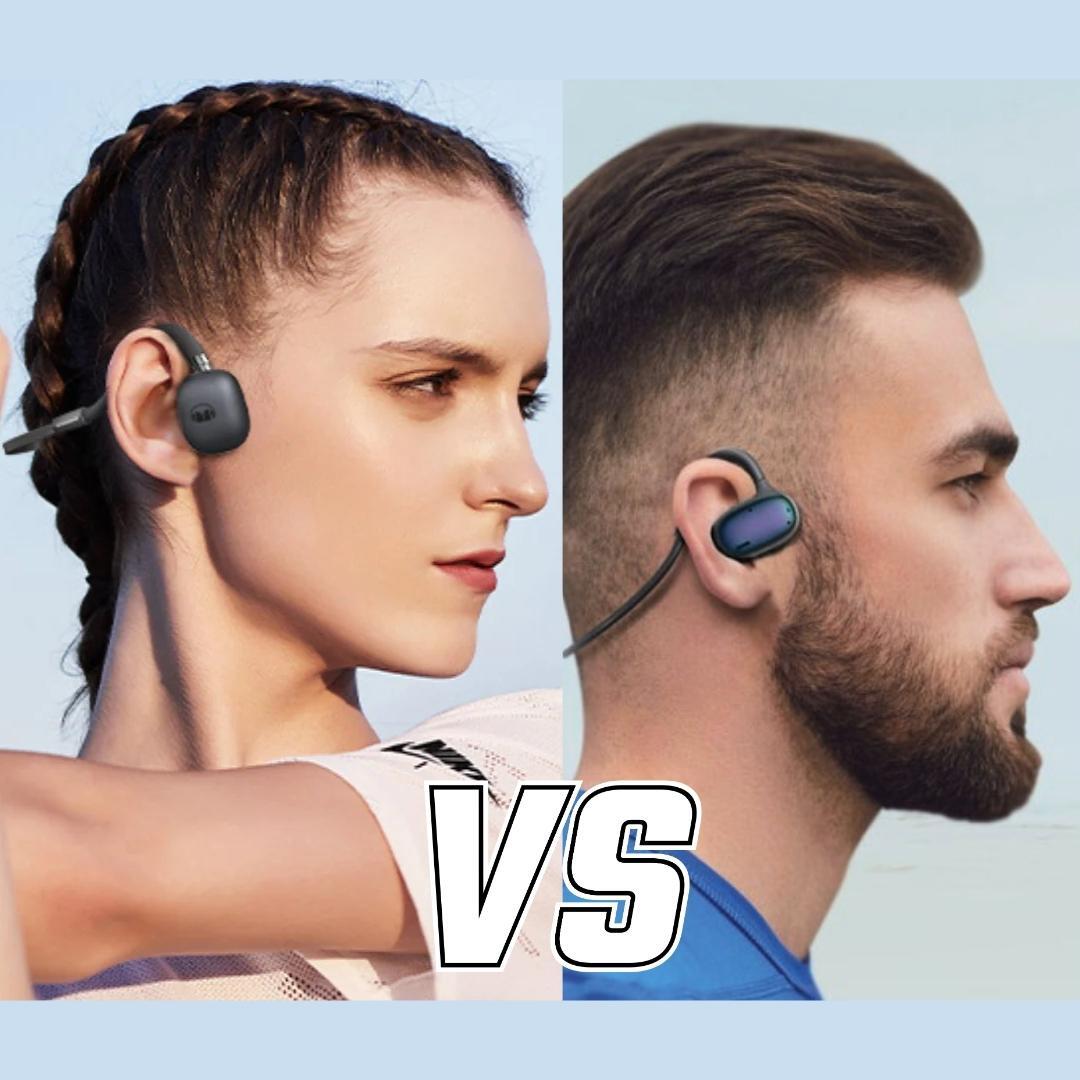
Bone conduction headphones are often the best option for awareness and comfort. Earbuds are usually better for sound quality, compact size, and privacy. Over-ear headphones are often best for rich sound, long flights, gaming, and noise control.
Some people keep two pairs. They use bone conduction headphones for running and standard headphones for music at home. That is a sensible approach if your needs change during the day.

Who Should Buy Bone Conduction Headphones?
Bone conduction headphones make sense if you answer yes to several of these points:
• You run, walk, hike, or cycle outdoors.
• You dislike earbuds inside your ears.
• You want to hear people and traffic around you.
• You often listen to podcasts or spoken content.
• You wear hearing aids and need an open design.
• You want a secure headset for exercise.
• You do not need powerful bass.
They may not suit you if:
• You want strong noise cancellation.
• You listen mostly to bass-heavy music.
• You need complete privacy.
• You work in a very loud environment.
• You want the smallest possible headphones.
• You dislike any pressure around your head or ears.
Think of them as a tool, not a universal upgrade. A hammer is useful for a nail, but not for every repair. Bone conduction headphones are useful when awareness matters more than isolation.

How to Choose a Good Pair
Not every model performs equally well. Focus on the features that affect daily use rather than choosing based only on brand claims.
Check the fit
The transducers should sit comfortably on the cheekbones. They should not press hard against the skin or move when you walk.
If possible, test the headphones while:
- Turning your head.
- Speaking.
- Wearing glasses.
- Wearing a hat or helmet.
- Moving at a faster pace.
A stable fit usually matters more than a few extra battery hours.
Review the water rating
For regular workouts, look for sweat and water resistance. A higher rating can help if you run in rain or rinse the headphones after exercise. Do not assume every water-resistant pair is safe for swimming.
Follow the maker’s instructions. Salt water, soap, and hot water can damage seals even when a product has a strong rating.
Consider battery life
Many current models provide enough power for a workday or several workouts. Check whether the battery time applies to normal use or low volume with limited features.
A quick-charge feature is useful. Ten minutes of charging can be enough for a walk or commute on some models.
Test call quality
If you take calls, look for:
• More than one microphone
• Wind noise reduction
• Clear voice pickup
• Reliable Bluetooth connection
• Easy call controls
Read reviews that discuss real calls, not just music. A headset can sound good for podcasts and still perform poorly during a windy phone call.
Choose simple controls
Physical buttons are often easier to use during exercise than touch controls. Large buttons also work better when your hands are cold or sweaty.
The best controls are easy to find without looking. This reduces the need to stop and handle your phone.
Tips for Better Results
Small changes can make bone conduction headphones sound and feel much better.
• Place the transducers directly in front of your ears, not too high on your temples.
• Keep the volume moderate and use the headphones in quieter places.
• Clean the contact points after exercise.
• Charge the headset before long trips.
• Update the firmware if the manufacturer provides an app.
• Test the headset with your helmet, glasses, or hat.
• Use spoken content when you need maximum awareness.
• Switch to regular headphones when you need privacy or deep sound.
One mistake I often see during product testing is poor placement. People wear the band too loosely or slide the transducers away from the cheekbones. A small adjustment can improve voice clarity more than a volume increase.
Another common mistake is buying an open-ear headset for a loud commute. The design works best in calm or moderately busy places. On a subway platform or beside a busy highway, no open-ear model can make quiet listening effortless.
Are Bone Conduction Headphones Good for Running?
Yes, they are among the better headphone choices for outdoor running because they leave the ears open. You can hear approaching people, vehicles, dogs, and changes in your surroundings.
Still, use them carefully. Run on safe paths, keep the volume low, and pause your audio near crossings or crowded areas. In some locations, local laws may limit headphone use while cycling or driving.
For runners, useful features include:
• A secure fit
• Sweat resistance
• Light weight
• Physical controls
• Clear voice playback
• Good battery life
• A bright or reflective design
Open-ear headphones do not replace good judgment. Awareness helps, but it does not guarantee safety.
Are Bone Conduction Headphones Good for People With Hearing Loss?
They can help some people, but the answer depends on the type and level of hearing loss. Bone conduction may be useful when sound has trouble passing through the outer or middle ear.
It may not solve problems caused by inner-ear or auditory-nerve damage. A hearing specialist can assess the cause and recommend a suitable device.
Consumer bone conduction headphones also lack the tuning, fitting, and clinical support of prescription hearing technology. Do not use them as a substitute for a hearing test or professional care.
Frequently Asked Questions About Are Bone Conduction Headphones Good
Are bone conduction headphones better than earbuds?
They are better for open-ear awareness and may be more comfortable for people who dislike ear tips. Earbuds are usually better for bass, privacy, and noise isolation.
Do bone conduction headphones damage hearing?
They can still affect hearing if played too loudly or used for too long. Keep the volume moderate, take breaks, and stop if you notice ringing, pain, or muffled hearing.
Can people hear what you are listening to?
Yes, some sound leakage is possible, especially at high volume or in a quiet room. They are not the best choice for private calls or confidential audio.
Are bone conduction headphones good for phone calls?
They can work well for calls in quiet places. Wind, traffic, and crowds may reduce microphone quality, so choose a model with strong voice pickup and wind reduction.
Can you swim with bone conduction headphones?
Some models are designed for swimming, but many are only sweat or splash resistant. Check the exact water rating and follow the manufacturer’s rules before using them in a pool.
Do bone conduction headphones work with glasses and helmets?
Many do, but comfort depends on the frame shape and the position of your glasses or helmet. Test the full combination before using them for long rides or workouts.
Are bone conduction headphones good for music?
They are good for casual music and active listening, but they usually cannot match earbuds or over-ear headphones for bass and detail. They are strongest with podcasts, calls, and spoken audio.
Conclusion
So, are bone conduction headphones good? Yes, they are a smart choice when comfort, outdoor awareness, and a secure fit matter most. They are especially useful for runners, cyclists, walkers, podcast listeners, and people who dislike in-ear earbuds.
Their limits are clear: lighter bass, sound leakage, weak noise isolation, and less privacy. Choose them for the situation they handle well, keep the volume moderate, and test the fit with your normal glasses, hat, or helmet. Compare a few trusted models and choose the one that matches your daily routine.

Everett Ashford is a tech reviewer at mytechgrid.com specializing in SSDs, cameras, TVs, earbuds, headphones, and other consumer electronics. He provides honest, data-driven reviews based on hands-on testing and real-world performance analysis. Everett simplifies complex tech details to help readers make smart, confident buying decisions.