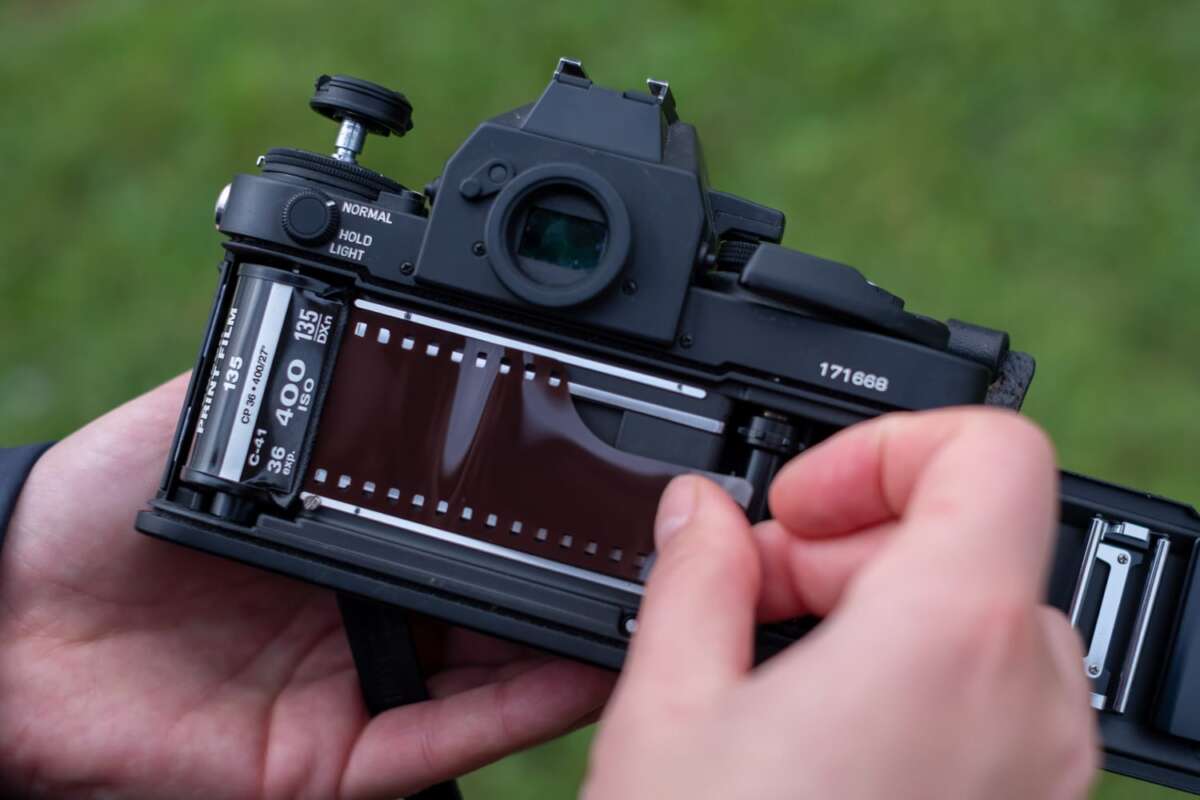
Load film by opening the back, seating the cartridge, pulling the leader, and advancing to the first frame.
I’ve loaded thousands of rolls in many cameras. I know how to put film in a film camera step by step. In this guide I explain tools, exact steps, and practical tips. You’ll learn to load 35mm and medium format film with confidence and avoid common mistakes.

Why film still matters and which camera to choose
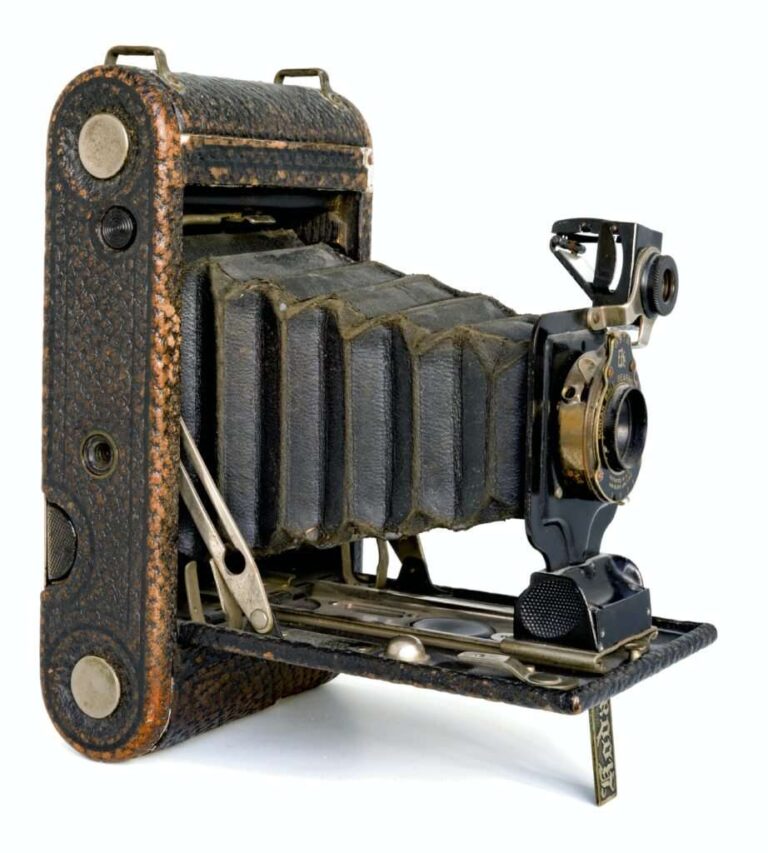
Film makes photos with unique grain and color. Many pros and hobbyists choose film for its look and feel. Knowing how to put film in a film camera helps you get reliable results. Choosing the right camera matters for how you load film. Point-and-shoots, SLRs, rangefinders, and medium format backs all load film a bit differently.
What you need before you load film
Have these items ready.
- A fresh roll of film. Check ISO and type.
- Your camera and a clean work surface. Work in low light if possible.
- A light meter or camera meter, if needed.
- Patience and clean hands. Avoid touching the film surface.
Knowing how to put film in a film camera starts with the right gear. A dead battery can stop auto-advance. Keep one handy.
Source: youtube.com
How to put film in a film camera: step-by-step for 35mm
This section shows a clear process for how to put film in a film camera. Follow each step slowly the first few times.
- Check the chamber and back latch. Make sure the camera is closed.
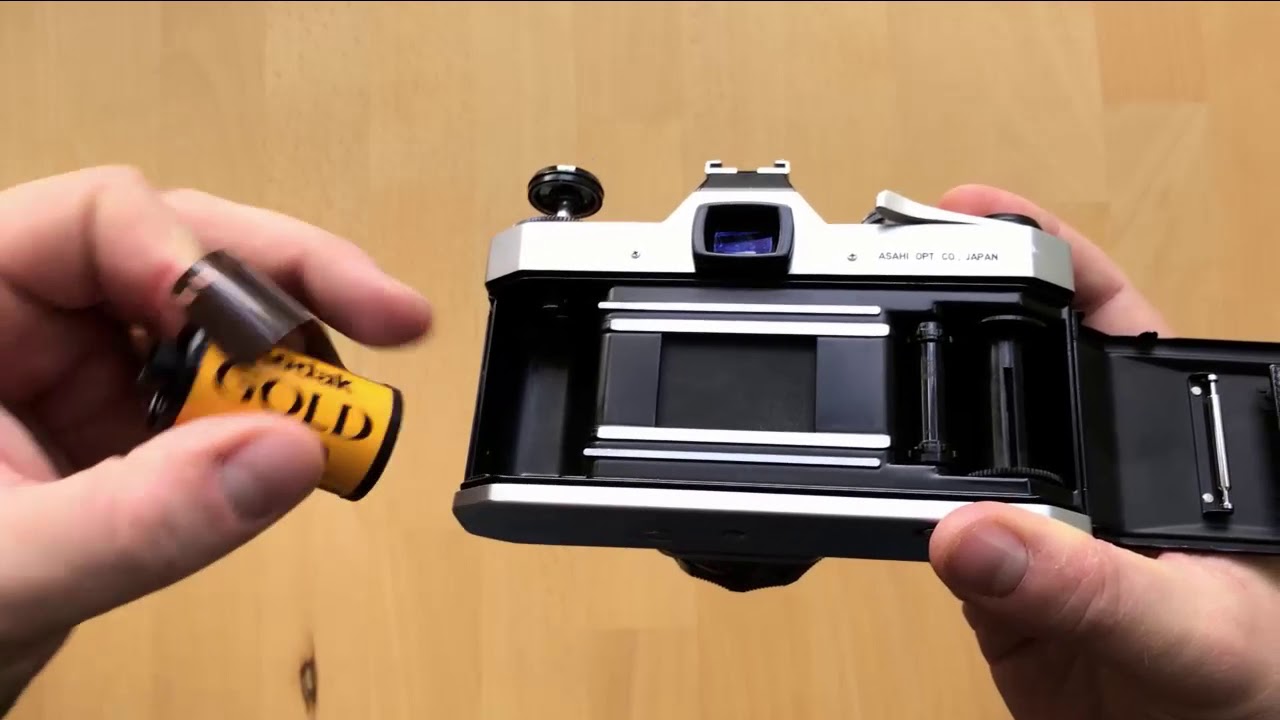
- Open the back. Use the release or latch. Do this in dim light or indoors.
- Remove the film canister seal. Work quickly.
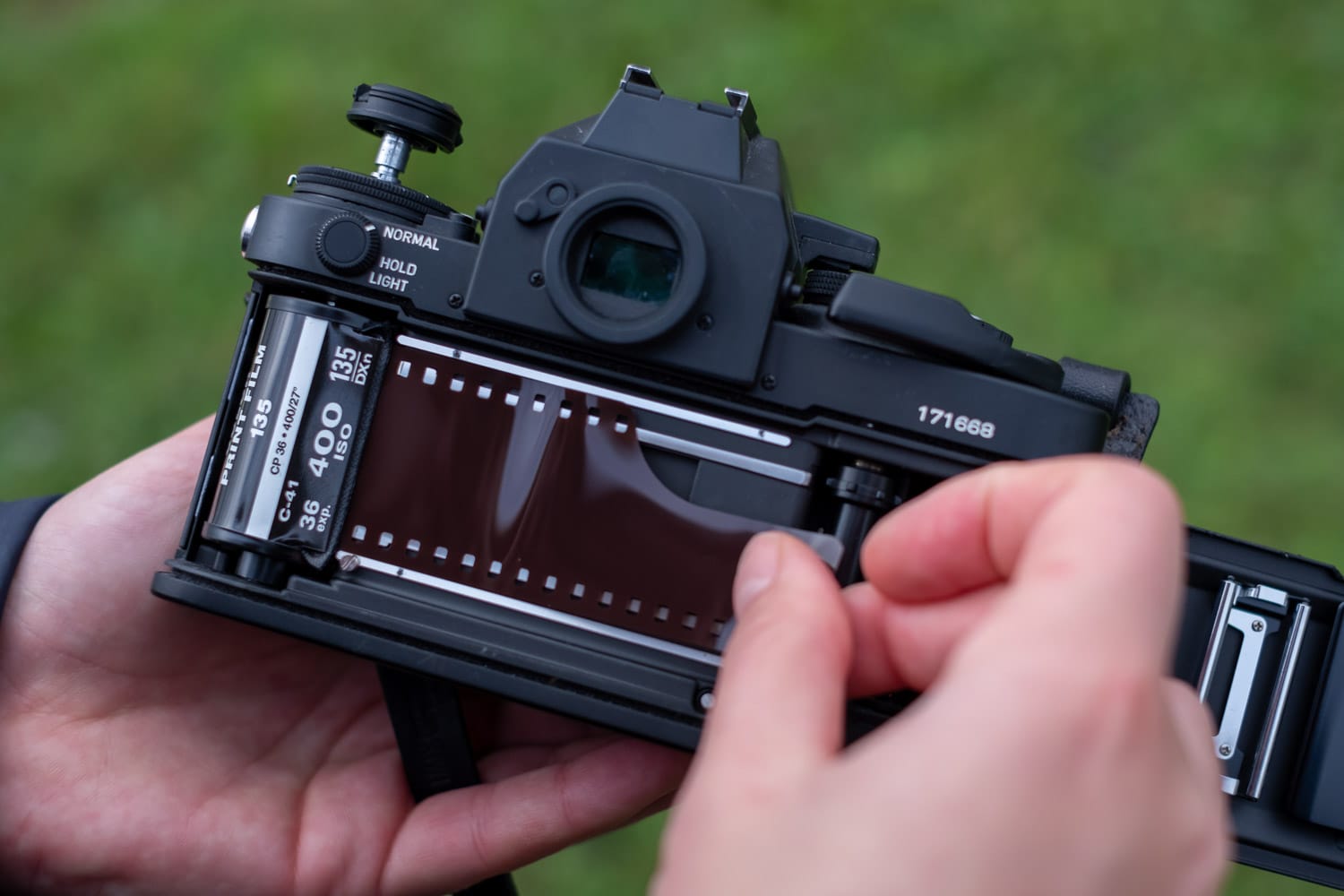
- Insert the cartridge into the supply chamber with the flat side down. The spool should sit in the slot.
- Pull the leader out gently. Do not touch the shiny side.
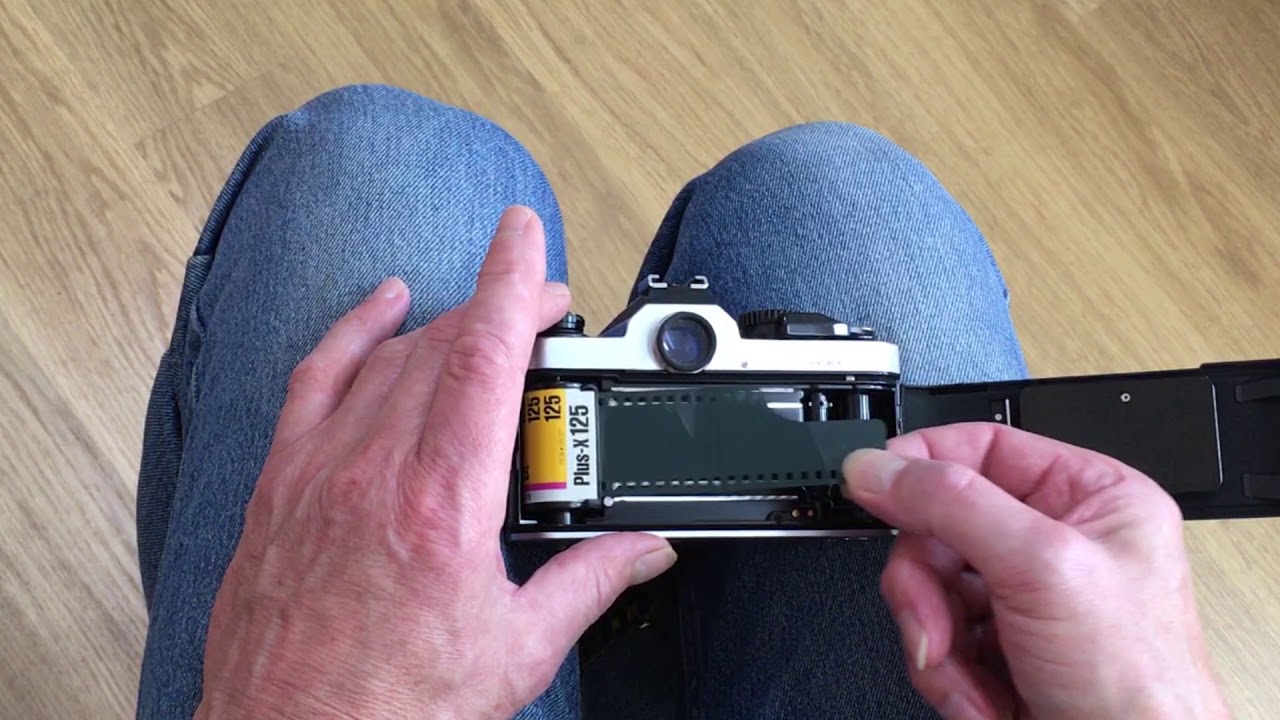
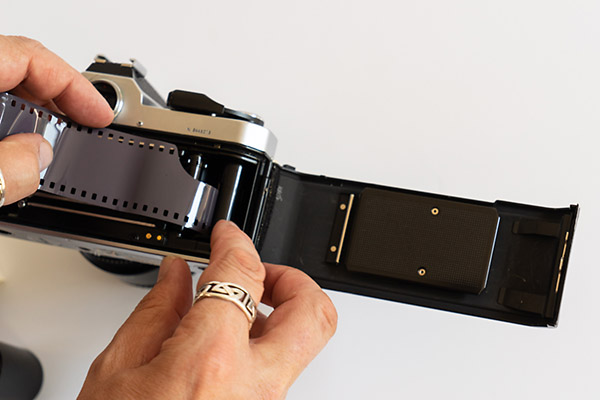
- Lay the leader across the film plane and insert the leader tip into the take-up spool slot. Some cameras have a clip or slot.
- Turn the take-up spool or advance lever slightly until the film teeth catch the perforations. Confirm the film lies flat.
- Close the back and latch it securely. Do not force it.
- Advance the film and fire the shutter until the frame counter shows frame one. Some cameras require two advances. This completes how to put film in a film camera for 35mm.
- Set ISO on the camera to match the film speed. Lock the setting if available.

Source: co.uk
How to put film in a film camera: medium format and other formats
Medium format cameras load differently. The same care applies.
- 120 roll film: Open the back and remove the empty take-up spool if present.
- Insert the new roll on the supply side with the printed label facing out.
- Pull the paper backing leader across and fit it to the take-up spool. Some systems require aligning red marks.
- Wind until the start marker aligns with the film gate. Close the back and wind to the first frame number.
Instant and other formats have unique steps. Read the camera manual. Practice helps. This is another common way to put film in a film camera when not using 35mm.
Common mistakes and how to avoid them
Many errors are avoidable. I’ve made these mistakes and learned from them.
- Putting the leader in backward. The film won’t advance. Always check the emulsion side.
- Touching the film surface. Finger oils cause spots. Use clean hands and avoid pressing on the film.
- Not seating the cartridge. The spool can slip. Make sure the cartridge sits snugly.
- Forgetting to set ISO. Your exposures will be off. Always set the camera to the film speed.
- Loading in bright light. Film can fog in strong light. Work indoors or in shade.
These tips make loading smoother and reduce wasted frames. Knowing how to put film in a film camera includes avoiding these traps.
Source: youtube.com
Troubleshooting and quick fixes
If the film won’t advance, try these checks.
- Check that the leader is correctly engaged on the take-up spool. Reopen and re-seat if needed.
- Make sure the take-up spool teeth align with the film sprockets. Small misalignments will stop the film.
- Confirm the back is fully latched. A loose back won’t allow proper tension.
- If frames overlap, the camera’s advance mechanism may slip. Inspect the advance lever or motor.
- For blank frames, verify ISO and exposure settings. Use a test roll if unsure.
PAA-style Q&A:
Q: Will a short leader cause problems? A: Yes. If the leader is too short, it may not reach the take-up spool. Re-cutting the leader is not recommended; reloading is safer.
Q: Can I rewind partially to fix alignment? A: You can but be careful. Rewinding and reloading can expose frames. If possible, finish the roll and reload later.

My experience, tips, and lessons learned
I started with a cheap SLR. I ruined two rolls by loading in bright sunlight. I learned fast. Treat film like a fragile print.
Practical tips I use daily:
- Check the camera back and seals before shooting a roll.
- Always set ISO twice: on the camera dial and in the menu if digital metering is present.
- Keep a small film changing bag or a cloth when shooting outdoors.
- Label partially used rolls. Note the camera and frame number.
These small habits cut waste and boost success when you learn how to put film in a film camera.

Source: wikihow.com
Environment, storage, and handling
Proper storage keeps film fresh. Heat and humidity age film fast.
- Store unused film in a cool, dry place. Use the fridge for long storage.
- Let refrigerated film reach room temperature before loading to avoid condensation.
- Do not store exposed film in direct sunlight. Keep it in a light-tight container until developed.
- Note expiration dates. Expired film can still work but expect color shifts and lower contrast.
Good care makes the process of how to put film in a film camera reliable and repeatable.
Frequently Asked Questions of how to put film in a film camera
How do I know which way the film leader goes?
The emulsion side is usually dull. Insert the leader so the emulsion faces the lens. If unsure, follow the camera manual or look for sprocket alignment.
How many times do I need to advance after loading?
Most 35mm cameras need one or two advances to reach frame one. Watch the frame counter or listen for tension in the advance.
Can I load film in daylight?
Short answers: try to avoid bright sun. Low indoor light is best to prevent fogging and mistakes.
What if the film doesn’t catch on the take-up spool?
Open the back and re-seat the leader. Insert it deeper into the spool slot and advance slowly until you feel tension.
How long can I store unused film?
Store it for months in cool conditions. Refrigerated storage extends life. Use within a year for best results.
Final thoughts and next steps
Mastering how to put film in a film camera is simple with practice. Start with one roll and take your time. Check settings and handle film gently. If you feel unsure, practice with expired film first. Try different cameras to learn their quirks and keep a small kit for safe loading. Share your first successful roll or ask a question below. Subscribe or comment to learn more tips and get help from the community.

Everett Ashford is a tech reviewer at mytechgrid.com specializing in SSDs, cameras, TVs, earbuds, headphones, and other consumer electronics. He provides honest, data-driven reviews based on hands-on testing and real-world performance analysis. Everett simplifies complex tech details to help readers make smart, confident buying decisions.