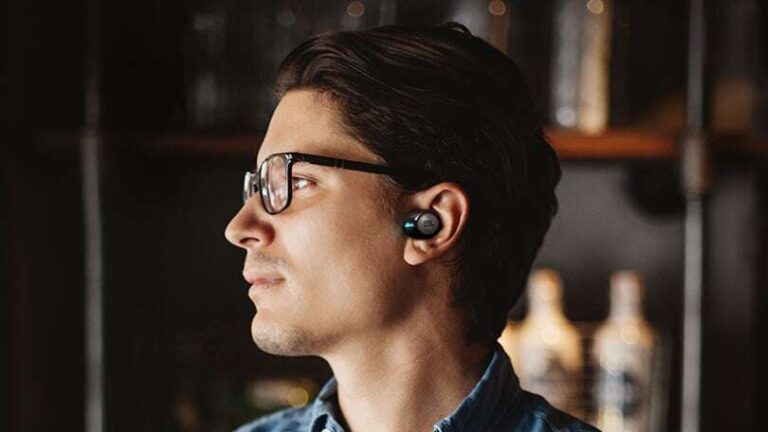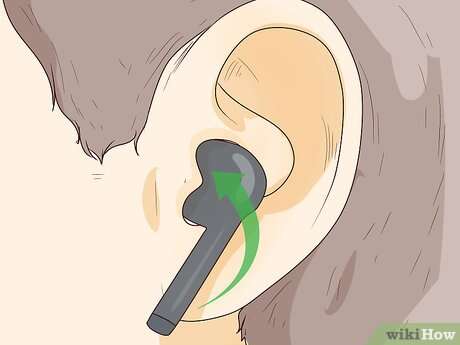
Place earbuds in your ear, twist slightly, and adjust the tip for a snug, sealed fit.
I’ve spent years testing and using every style of in-ear headphone, so I know the small moves that make sound clearer, calls crisper, and comfort last. This guide on how to put on earbuds explains step-by-step techniques, differences between types, common mistakes, and real-life tips I learned the hard way. Read on to get a perfect fit fast and avoid pain, dropouts, and muffled sound.

Why proper fit matters
A good fit affects sound, comfort, and safety. When you know how to put on earbuds correctly, bass sounds fuller and background noise drops. A secure seal keeps earbuds from falling out during walks or workouts. Poor fit causes discomfort, weak bass, and frequent readjusting.
I test earbuds in real life, in gyms and on commutes. I’ve seen cheap foam tips outperform stock silicone when fitted well. Proper fit also reduces the need to turn volume up, which protects hearing.

Types of earbuds and ear tips
Understanding types helps you pick the right method for how to put on earbuds.
- True wireless in-ear buds
- Small, independent left and right pieces. Each has its own battery and controls.
- Wired in-ear earbuds
- Tethered by a cable. They can feel more secure because of the cable’s mild pull.
- Over-ear hook or sport earbuds
- Have extra hooks or fins for active use. They change how you wear and secure the bud.
- Ear tip materials
- Silicone tips: durable and washable. Fit varies by size.
- Foam tips: compress to fit and expand in the ear canal for a strong seal.
- Triple-flange tips: layered flanges that can work well for deep insertion.
Pick the right tip size and material before learning how to put on earbuds. Foam often gives the best seal for bass and noise isolation. Silicone is low-maintenance and comfortable for many people.
Step-by-step: how to put on earbuds
Follow these simple steps to get a secure, comfortable fit.
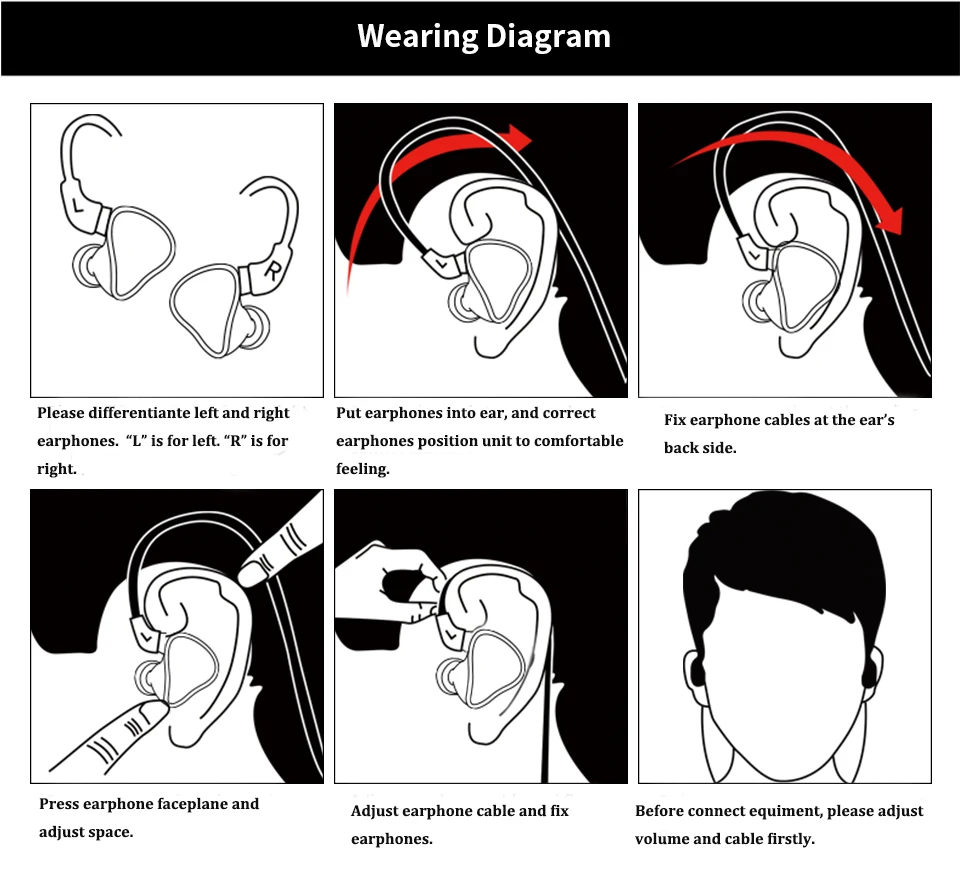
- Identify left and right
- Look for L and R markings on each bud. This ensures stereo sound is correct.
- Select the right tip size
- Try small, medium, and large tips. The best fit blocks outside noise and stays comfortable.
- Position your ear
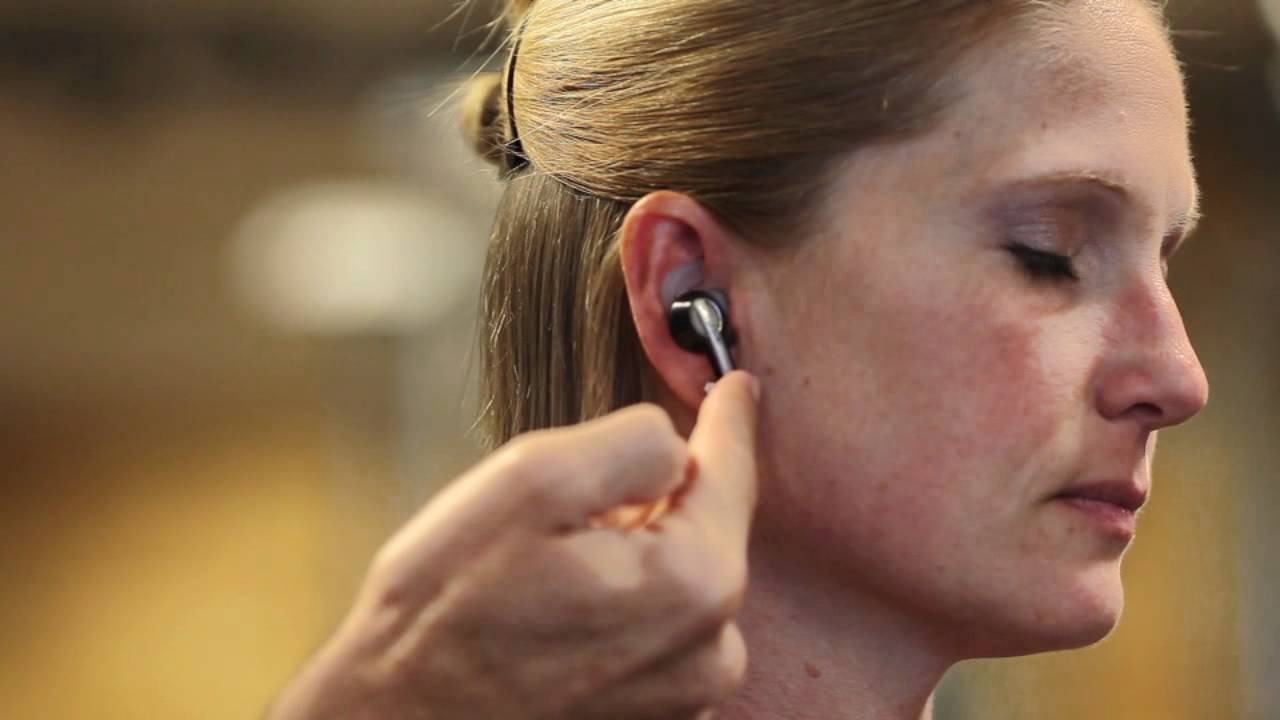
- Lightly pull your earlobe down or back to open the ear canal. This helps insertion.
- Insert and twist
- Gently insert the bud with the tip toward the ear canal. Twist slightly to seat it.
- Adjust for seal
- If using foam tips, push in and hold for a second while the foam expands. For silicone, nudge until the seal feels snug.
- Secure cables or stems
- For wired earbuds, wrap the cable over the ear or under your jaw to reduce tug. For wireless, tuck bulky stems behind the ear if supported.
- Test with audio
- Play a familiar track. You should feel bass and hear clear mids. If sound is weak, try a different tip size or reinsert.
If you wear glasses, insert earbuds first, then put glasses on. This reduces pressure between frames and buds. When exercising, use ear hooks or wings if your earbuds include them.

Troubleshooting common fit and sound issues
Here are quick fixes when things don’t feel or sound right.
- Earbuds feel loose
- Try a larger tip size or use foam tips. Also check that you’re twisting while inserting.
- Muffled or tinny sound
- The seal is likely poor. Reinsert and test different tip sizes for a tight fit.
- Ear pain after short use
- Switch to softer tips or smaller size. Don’t push deeply; comfort matters.
- Earbuds keep falling out while running
- Use fins or ear hooks if available. Tuck cables behind your ears for wired models.
- One side quieter than the other
- Check for earwax or debris on the tip and clean. Also confirm left-right channel assignment.
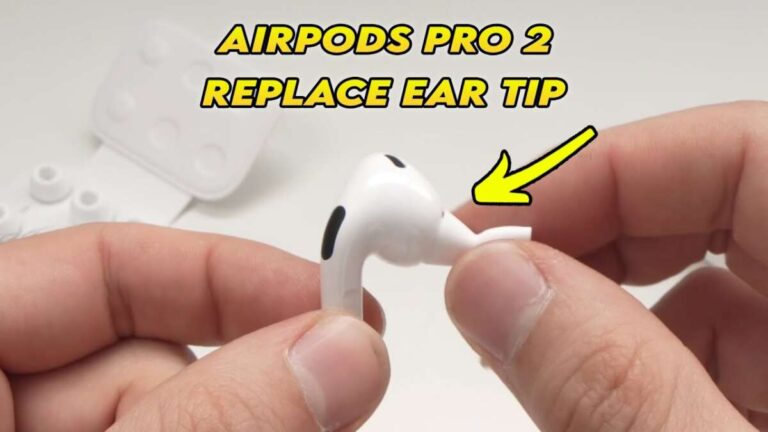
I once fought constant dropouts until I realized my foam tips had worn out. Replacing tips fixed both sound and fit immediately. Small fixes often make the biggest difference.

Maintenance and safety tips
Keeping earbuds clean and charging them properly improves performance and lifespan.
- Clean tips weekly
- Wipe silicone tips with a damp cloth and mild soap. For foam, follow the maker’s cleaning instructions.
- Inspect for wear
- Replace worn tips every few months. Foam compresses and loses its seal over time.
- Store properly
- Use the case or a soft pouch. Avoid leaving buds in high heat or direct sun.
- Mind volume and time
- Use safe listening levels. A good seal reduces the urge to crank volume, which protects hearing.
- Charge and update firmware
- Keep firmware current for wireless buds. Charge regularly but avoid battery extremes.
When traveling, pack extra tips. I keep a small kit with two sizes and a microfibre cloth. That habit saved me from a muffled flight playlist.

Personal experience and practical tips
I’ve worn earbuds on city trains, long flights, and runs. These lessons helped me learn how to put on earbuds quickly and well.
- Try before you commit
- Test tips in store or order extra sizes. Comfort varies by ear shape.
- Use the right motion
- Insert, twist, and hold for a second, especially with foam. That small pause matters.
- Be patient with new buds
- New foam tips need breaks to conform. Wear them in short sessions first.
- Keep backups
- A spare pair of tips and a charging cable saved me during a business trip.
One simple trick that works for many is to insert the bud and rotate it toward the top of your ear. That often locks the tip into a better seal. My hearing clarity and call quality improved after I adopted this habit.
Frequently Asked Questions of how to put on earbuds
How do I choose the right ear tip size?
Try small, medium, and large sizes. The right size blocks outside noise and feels comfortable without pushing deeply into the ear.
Why does one ear sound quieter than the other?
Check for earwax or debris on the tip. Also confirm proper insertion and that the left-right labels are correct.
Are foam tips better than silicone for bass?
Foam tips often provide a better seal and stronger bass response. Silicone is more durable and easier to clean, so choice depends on preference.
How should I wear earbuds with glasses?
Insert earbuds first, then put on glasses. This reduces pressure and prevents the frames from pushing the buds out.
Can earbuds cause ear pain?
Yes, if tips are too large or you insert too deeply. Try softer or smaller tips and limit wearing time until comfortable.
How often should I replace ear tips?
Replace foam tips every few months and silicone tips as they wear or show damage. Routine inspection keeps sound and hygiene optimal.
Conclusion
Mastering how to put on earbuds is a small skill that yields better sound, comfort, and safety. Use the right tip, insert with a gentle twist, and test audio to confirm a proper seal. Keep spare tips, clean regularly, and adjust your method when switching styles. Try these steps next time you wear earbuds and notice immediate improvements. If this helped, leave a comment or subscribe for more practical audio tips and gear advice.

Everett Ashford is a tech reviewer at mytechgrid.com specializing in SSDs, cameras, TVs, earbuds, headphones, and other consumer electronics. He provides honest, data-driven reviews based on hands-on testing and real-world performance analysis. Everett simplifies complex tech details to help readers make smart, confident buying decisions.