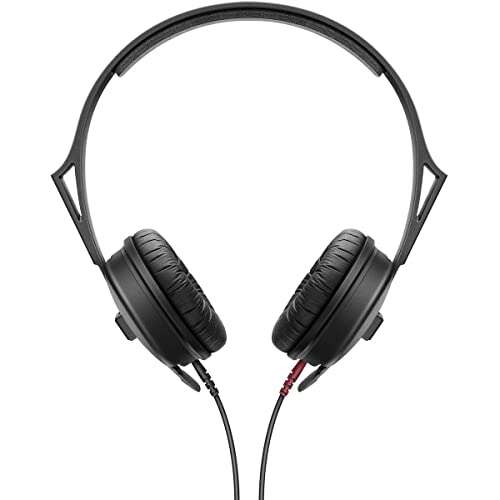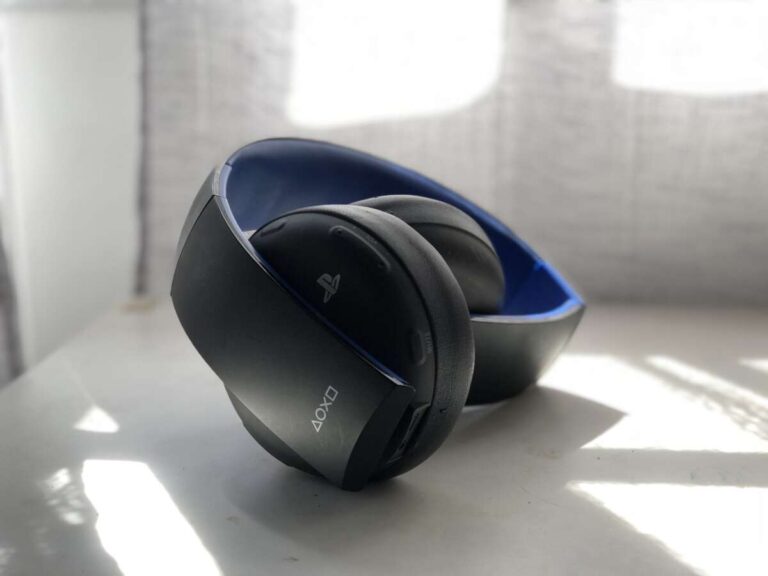

Wear the earcups over your glasses’ temples, pad the frame, and adjust for even pressure.
I’ve spent years testing gear and helping people fit audio on-the-go. This guide explains how to wear headphones with glasses in clear steps, backed by hands-on tips and simple fixes. Read on for proven tricks to cut pressure, keep sound tight, and protect your frames while using headphones every day.
Why wearing headphones with glasses matters
Wearing headphones with glasses affects comfort, sound quality, and frame health. If you don’t fit them right, you get sore temples, warped frames, and muffled sound. Learning how to wear headphones with glasses stops pain and keeps your gear working longer.
You’ll learn what to choose, how to adjust fit, and common mistakes to avoid. I’ll share tested fixes I use when traveling, in the studio, or at my desk. This helps you enjoy music and calls without trade-offs.

Pick the right headphones for glasses
Choosing the right model is the first step in how to wear headphones with glasses well. Some designs are naturally friendlier to glasses than others.
-
Over-ear closed-back headphones
These often press less on the temples and give strong bass. Look for soft, deep earpads and flexible headbands. -
On-ear headphones
These sit on the ear and can push frames into your head. If you prefer on-ear, pick models with thin, soft pads and light clamping force. -
Lightweight over-ear or memory-foam models
Memory foam molds around frames and reduces hotspots. Lightweight rings lower overall pressure on glasses. -
True wireless earbuds
Earbuds avoid temple pressure but may press on ears around the frame. They are the best option if glasses and headphones frequently clash.
When you shop, test with your glasses if possible. Try different headband tightness and earpad materials while wearing your frames. This hands-on check is the most reliable indicator of comfort.

Step-by-step: how to wear headphones with glasses properly
These steps help you fit most headphones over glasses for daily use.
-
Place your glasses on first
Set your glasses in their normal position. Ensure the temples sit comfortably behind the ears. -
Tilt earpiece slightly outward before lowering
Angle the earcup so the temple slides into its natural spot without pinching. This reduces sudden pressure. -
Center the earcup over your ear, not the temple
Place the cup so it surrounds the ear. The temple should rest between the ear and the cup edge. -
Adjust headband tension
Use the least tension that keeps cups sealed. Too tight increases pressure on the temples and frame. -
Use additional padding if needed
A thin fabric or foam pad where the temple meets the cup can absorb pressure and friction. -
Reposition during long sessions
Shift the frames or cups every 20–30 minutes. Small changes prevent soreness and frame bends.
I test this method with multiple frames. It works for thin titanium temples and thick acetate frames. Try the steps and tweak them for your face and glasses.
 discomfort and pressure”
style=”max-width: 100%; height: auto; border: 2px solid black; border-radius: 10px; display: block; margin: 0 auto;”
loading=”lazy”
/>
Tips to reduce discomfort and pressure
Minor changes can make a big difference when learning how to wear headphones with glasses.
-
Swap or add earpad covers
Soft cloth covers or thin foam cutouts cushion the temple. They are cheap and replaceable. -
Loosen the headband slightly
Less clamping force lowers pressure on frame arms. Aim for a secure fit, not a tight one. -
Use cable or strap routing carefully
If you use wired headphones, route the cable away from the temples to avoid pulling the frames. -
Replace worn earpads with thicker foam
Thicker pads can create more space for frames and reduce contact. -
Choose frames with slender temples for frequent headphone users
Narrow temples reduce the gap between ear and cup and cut pressure points.
A practical trick I use: wrap a single layer of soft tape around the temple where it touches the cup. It absorbs friction and prevents scratches. It’s subtle and easy to remove.

Care, maintenance, and troubleshooting
Caring for both your glasses and headphones extends their life and keeps fit consistent.
-
Inspect frames after long headphone use
Check for warping at the temple bend. Tight headphones can slowly change temple shape. -
Clean contact points regularly
Sweat and oils collect where frames and cups meet. Wipe pads and temple tips with a soft cloth. -
Replace earpads on schedule
Old foam compresses and increases pressure. New pads restore space and comfort. -
Use frame protectors or silicone sleeves
These add a soft buffer between temple and cup. They also shield frames from scratches.
If you feel repeated discomfort, try alternate glasses with thinner temples or switch to earbuds temporarily. Minor changes to how you wear headphones with glasses can avoid costly repairs.

Common mistakes and how to avoid them
Avoid these pitfalls when learning how to wear headphones with glasses.
-
Forcing a tight fit
Many people think tighter is better for sound. Too tight causes pain and frame damage. Aim for a gentle seal. -
Ignoring pad condition
Old, thin pads reduce space and pinch frames. Replace them sooner rather than later. -
Skipping adjustment breaks
Long, unbroken sessions increase soreness. Pause to reposition every half hour. -
Using bulky temple designs with closed, small cups
Large temple cross-sections need roomy earpads. Match frame style to headphone type. -
Neglecting testing before purchase
Buying without trying can lead to avoidable discomfort. Always test with your glasses when possible.
I learned these lessons after bending one pair of vintage frames. A short break and better pads would have saved them. Learn from that mistake and protect your eyewear.

Quick questions people ask (PAA-style)
Will headphones scratch my glasses?
Soft pads or covers prevent most scratches. Use a protective sleeve or tape at contact points to be safe.
Are earbuds better than over-ear for glasses?
Earbuds avoid temple pressure but may not match soundstage. Choose them if comfort is your top priority.
How often should I replace earpads?
Replace earpads when they feel thin or uneven, usually every 1–2 years with regular use. New pads restore comfort quickly.
Frequently Asked Questions about how to wear headphones with glasses
How can I reduce pressure on my temples while wearing headphones with glasses?
Loosen the headband and add thin padding where the temple meets the cup. Changing to thicker memory-foam earpads also helps.
Are over-ear headphones worse for glasses than earbuds?
Over-ear headphones can press on temples, but they usually give better sound. Earbuds are gentler on frames and can be a good alternative.
Should I wear sunglasses under headphones the same way as prescription glasses?
Yes. The same fit rules apply: center the earcup over the ear, and pad the temple contact point to prevent pressure and scratches.
Can headphone clamps permanently warp my glasses?
Prolonged heavy pressure can slowly bend thin metal frames. Check frames regularly and reduce headband tension to avoid permanent warp.
What padding material works best between temples and headphones?
Soft cloth, thin foam, or silicone sleeves work well. Use materials that don’t slip and that you can remove for cleaning.
How do I test a new headphone with my glasses in store?
Bring your glasses and wear them as you would normally. Try different headband adjustments and move around to test for pressure points.
Conclusion
Wearing headphones with glasses can be simple and pain-free with the right choices and small adjustments. Pick suitable headphones, center cups over your ears, ease headband tension, and add soft padding where needed. Test gear before you buy and check frames often to prevent damage. Try these tips today and focus on comfort and sound quality. If this helped, leave a comment or subscribe for more practical gear advice.

Everett Ashford is a tech reviewer at mytechgrid.com specializing in SSDs, cameras, TVs, earbuds, headphones, and other consumer electronics. He provides honest, data-driven reviews based on hands-on testing and real-world performance analysis. Everett simplifies complex tech details to help readers make smart, confident buying decisions.