Yes, an 18-megapixel camera is good for everyday photos, travel, portraits, and many professional tasks.
If you are asking, “is 18 megapixel camera good,” the answer depends on more than the pixel count. Sensor size, lens quality, autofocus, image processing, and your final use all matter. An 18MP camera can produce sharp, detailed images, but it may not suit every photographer or every type of large print.
This guide explains what 18 megapixels really means, where it performs well, where it falls short, and how to decide if it matches your needs.
What Does 18 Megapixels Mean?
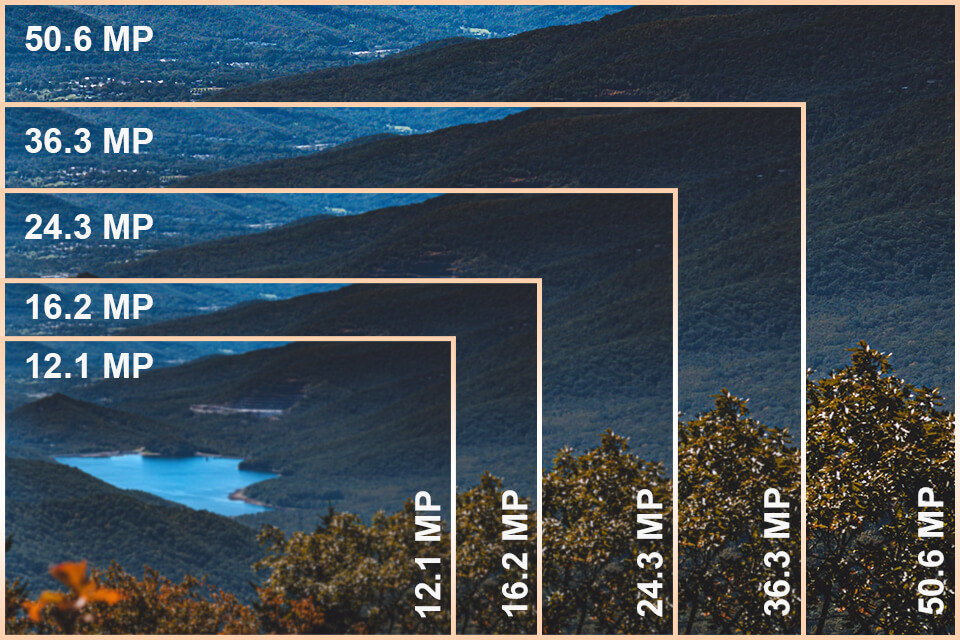
A megapixel equals one million pixels. An 18-megapixel camera captures images with about 18 million pixels. A common 18MP image has a resolution close to 5184 × 3456 pixels, depending on the camera’s aspect ratio and image settings.
That resolution gives you enough detail for most daily photography. You can print clear 8 × 10-inch photos, create strong 12 × 18-inch prints, and crop images moderately without losing too much quality.
However, megapixels do not tell the whole story. Think of them as the number of tiles in a floor. More tiles can create more detail, but the quality of the tiles, the light, and the way they are arranged also matter.

Is 18 Megapixel Camera Good for Everyday Photography?
Yes, an 18MP camera is good for everyday photography. It can capture family moments, pets, food, landscapes, street scenes, and travel photos with plenty of detail.
For social media, an 18MP camera often offers more resolution than you need. Most websites and apps shrink large photos before displaying them. A well-focused 18MP image can look excellent on a phone, tablet, or computer screen.
An 18MP camera is also useful when you want to crop a photo. For example, you may capture a person from a distance and crop the image later. You still need a sharp lens, good light, and accurate focus, but 18MP gives you a useful amount of room.
An 18MP camera is especially good for:
• Family and vacation photos
• Portraits with a suitable lens
• Nature and landscape images
• Product photos for small businesses
• School events and community activities
• Online stores and social media
• Scanned documents and artwork
• Beginner photography practice
In real-world use, camera handling often matters more than the jump from 18MP to 24MP. A steady hand, clean lens, and good light can improve an image more than six extra megapixels.
How Image Quality Depends on More Than Megapixels
When people ask, “is 18 megapixel camera good,” they often focus only on resolution. Resolution matters, but several other features can have a bigger effect on the final image.
Sensor size
A larger sensor usually collects more light. This can improve detail, color, and image quality in dark places. It can also create softer background blur.
An 18MP camera with a large APS-C or full-frame sensor may produce better images than a 24MP camera with a very small sensor. Sensor design and pixel quality also affect noise and dynamic range.
Lens quality
a sharp lens can make an 18MP image look far better than a weak lens. The lens controls sharpness, contrast, distortion, and the amount of light reaching the sensor.
A good 18MP camera paired with a quality lens can outperform a higher-resolution camera with a poor lens. This is one of the most important lessons for new photographers.
Autofocus
Fast and reliable autofocus helps you capture sharp photos of people, children, sports, and animals. A high megapixel count cannot fix a blurry subject.
Look for features such as:
• Face detection
• Eye detection
• Continuous autofocus
• Subject tracking
• Multiple focus points
Image processing
A camera processor reduces noise, improves color, and helps create clean JPEG files. Modern processing can make an 18MP image look bright and natural, even when the lighting is not ideal.
Photographer technique
Camera shake, poor focus, bad exposure, and dirty lenses can reduce image quality. In many cases, better technique creates a bigger improvement than higher resolution.

Is 18 Megapixel Camera Good in Low Light?
An 18MP camera can be good in low light, but its performance depends mainly on the sensor and lens. The number of megapixels alone does not decide how clean a night photo will look.
A camera with a larger sensor and a bright lens, such as an f/1.8 lens, can perform well indoors or at night. A small-sensor camera with an 18MP rating may show more grain, weaker color, and less detail in the same scene.
To improve low-light results:
- Use a lens with a wide aperture.
- Keep the camera steady.
- Raise the ISO only as much as needed.
- Shoot in RAW when you plan to edit.
- Use a tripod for still subjects.
- Add soft light when possible.
Modern cameras often use noise reduction to make high-ISO photos look cleaner. Still, aggressive noise reduction can remove fine detail. This is why a lower-resolution camera with larger pixels may sometimes perform better at night.
Is 18 Megapixel Camera Good for Printing?
Yes, an 18MP camera is good for most common photo prints. It can produce detailed prints for albums, frames, gifts, and wall displays.
Print quality depends on pixels per inch, or PPI. A professional-quality print often uses around 300 PPI, while larger viewing-distance prints may look good at a lower density.
Approximate print sizes for an 18MP image include:
• 8 × 10 inches with strong detail
• 11 × 14 inches with very good quality
• 12 × 18 inches with good quality
• 16 × 24 inches when viewed from a normal distance
• Larger prints when the image is sharp and viewed from farther away
The source image matters. A clear, well-exposed photo can enlarge better than a blurry photo with a higher pixel count. Good editing software can also help prepare an image for printing, but it cannot restore detail that was never captured.
For large gallery prints, commercial photography, or heavy cropping, a 30MP, 40MP, or higher-resolution camera may provide more flexibility.
Is 18 Megapixel Camera Good for Video?
Megapixels and video resolution are related, but they are not the same thing. A camera can have an 18MP sensor and still record high-quality 4K video, depending on its processor and recording features.
Full HD video uses about 2 megapixels per frame. 4K video uses about 8.3 megapixels per frame. This means an 18MP sensor has enough resolution for both common video formats.
For video, pay attention to:
• 4K or Full HD recording
• Frame rates such as 24, 30, or 60 frames per second
• Autofocus tracking
• Microphone input
• Image stabilization
• Rolling shutter control
• Recording time limits
• Heat management
An 18MP camera can work well for YouTube videos, interviews, family films, travel clips, and online lessons. A newer camera may still be better if it offers stronger autofocus, better stabilization, or cleaner high-ISO video.
Is 18 Megapixel Camera Good for Professional Photography?
An 18MP camera can be good for professional work, depending on the job. Resolution is only one part of a professional camera system.
For example, 18MP may be enough for:
• Weddings and events
• Portrait sessions
• Real estate listings
• Website photography
• News and editorial work
• Small product catalogs
• School and sports photography
• Social media campaigns
Some professional photographers prefer moderate resolution because files are smaller and easier to store, edit, and send. Smaller files can also speed up workflow when handling hundreds of event photos.
However, 18MP may not be ideal for fashion campaigns, large commercial posters, fine art prints, or wildlife work that requires heavy cropping. In these areas, extra resolution can provide more editing freedom.
The best question is not simply, “is 18 megapixel camera good?” Ask instead: “How large will my photos be displayed, and how much will I crop them?”

Advantages of an 18-Megapixel Camera
An 18MP camera offers a useful balance between image detail, file size, and camera performance. It is not an extreme resolution, but it remains practical for many users.
Main benefits include:
• Enough detail for most photos
• Smaller files than high-resolution cameras
• Faster transfers and backups
• Lower storage needs
• Good performance for online sharing
• Useful cropping flexibility
• Often lower camera and computer demands
• Easier editing on older computers
Smaller files can be a real advantage. If you shoot a wedding or sports event, you may return with thousands of images. An 18MP camera can make that workflow less demanding than a 45MP or 60MP model.
It can also help photographers learn. You can focus on light, composition, exposure, and timing instead of constantly managing huge files.
Limitations of an 18-Megapixel Camera
An 18MP camera is not perfect. Its limits become clear when you need very large prints, extreme crops, or detailed commercial images.
Common limitations include:
• Less room for heavy cropping
• Fewer details in very large prints
• Older models may have weaker autofocus
• Some 18MP cameras use small sensors
• High-ISO quality may vary
• Older cameras may lack modern video tools
• Digital cropping can reduce final image quality
You should also check whether the camera is old. An older 18MP DSLR may have excellent image quality but lack wireless transfer, touchscreen controls, eye autofocus, or strong video features.
Still, age does not automatically make a camera bad. Many older cameras use large sensors and produce beautiful images. A camera’s condition, lens, and shooting situation often matter more than its release date.

18MP vs. 24MP: Is the Difference Noticeable?
The difference between 18MP and 24MP is real, but it is not dramatic in every photo. A 24MP image has more pixels, yet the increase in linear detail is modest.
An 18MP image may measure about 5184 × 3456 pixels. A 24MP image may measure about 6000 × 4000 pixels. Both can produce sharp images for online use and common print sizes.
You may notice the 24MP advantage when:
• You crop a large part of the image
• You print very large photos
• You need fine texture detail
• You photograph distant subjects
• You work with commercial layouts
You may not notice much difference when:
• You share photos online
• You print small or medium images
• You use a sharp lens
• You view photos on a phone
• You compose the image correctly in camera
A sharp 18MP photo can look better than a soft 24MP photo. Always compare the complete camera system, not just the megapixel number.
How to Get Better Photos From an 18MP Camera
If you already own an 18MP camera, you can improve your results without buying a new body. Small habits often create a large difference.
Use the right shutter speed
A fast shutter speed helps freeze movement. For people, try a speed around 1/125 second or faster. For sports and active pets, you may need 1/500 second or faster.
Keep the lens clean
Fingerprints and dust can make images look hazy. Use a soft lens cloth and avoid touching the glass with your fingers.
Choose a sharp aperture
Many lenses are sharpest around the middle of their aperture range, often near f/5.6 or f/8. This varies by lens, so test your own equipment.
Focus on the subject’s eyes
For portraits, the eyes should usually be sharp. Check focus at full size on your camera screen before moving to the next photo.
Use RAW when editing
RAW files preserve more information than JPEG files. They give you more control over highlights, shadows, white balance, and color.
Avoid unnecessary digital zoom
Digital zoom crops the image and lowers the final resolution. Optical zoom or moving closer usually gives better detail.
Stabilize the camera
Use a tripod, brace the camera against a solid surface, or keep your elbows close to your body. Stability is especially important with longer lenses and slow shutter speeds.
From a practical standpoint, these habits often improve an 18MP image more than upgrading to a camera with only a few extra megapixels.

How to Choose an 18MP Camera
If you are considering an 18MP camera, inspect the full specification sheet. The sensor and lens mount may matter more than the megapixel count.
Check these features:
• Sensor type and size
• ISO performance
• Autofocus speed
• Continuous shooting rate
• Lens availability
• RAW support
• Video resolution
• Image stabilization
• Battery life
• Wireless connectivity
• Weather protection
• Used-camera condition
For a used camera, inspect the shutter count, sensor condition, battery health, ports, buttons, and memory card slot. Take test photos at different ISO settings. Also check for dead pixels, focus problems, and unusual marks on the sensor.
A good 18MP camera with a strong lens can be a smart value choice. It may give you more money for lighting, memory cards, spare batteries, or a better lens.
When Should You Buy a Higher-Resolution Camera?
You may want more than 18MP if your work requires extreme detail or large files. Higher resolution offers more room for cropping and enlargement.
Consider a higher-resolution model when you:
• Create large wall art
• Photograph distant wildlife
• Shoot commercial product images
• Need heavy cropping
• Work in fashion or advertising
• Produce detailed artwork reproductions
• Want extensive editing flexibility
Do not upgrade only because a newer camera has a larger number. First identify the problem with your current camera. If your photos are blurry, dark, poorly composed, or out of focus, more megapixels may not solve the issue.
In many cases, a better lens, more light, or improved technique offers a clearer path forward.

Frequently Asked Questions About Is 18 Megapixel Camera Good
Is an 18MP camera enough for photography?
Yes, 18MP is enough for everyday photography, travel, portraits, events, and online sharing. It also supports high-quality prints at common sizes when the photo is sharp and well exposed.
Is 18 megapixels good for professional photography?
An 18MP camera can work well for events, portraits, news, real estate, and web content. Professionals who need large commercial prints or heavy cropping may prefer a higher-resolution model.
Is 18MP enough for a large print?
It can be enough for prints around 16 × 24 inches when viewed from a normal distance. For very close viewing or large fine-art prints, a higher-resolution image provides more detail and cropping room.
Is an 18MP camera good in low light?
It can perform well in low light if it has a large sensor, a bright lens, and good noise control. Sensor size and lens aperture usually matter more than the 18MP rating.
Is 18MP better than 12MP?
An 18MP camera offers more detail and cropping space than a 12MP camera. The actual image quality still depends on the sensor, lens, autofocus, lighting, and image processing.
Should I buy an 18MP camera today?
An 18MP camera can be a smart choice if it is affordable, in good condition, and meets your shooting needs. Compare its autofocus, sensor performance, lens options, and video features before deciding.
Conclusion
So, is 18 megapixel camera good? Yes, it is good for most everyday photographers and many professional uses. It provides enough detail for online sharing, common prints, travel, portraits, events, and video.
The camera’s sensor, lens, autofocus, lighting, and your technique often matter more than the megapixel number. Choose a higher-resolution camera only when you need very large prints, extreme crops, or specialized commercial detail.
If you already own an 18MP camera, use it fully before upgrading. Clean the lens, learn exposure, improve your lighting, and practice steady shooting. Then compare cameras based on real needs, and explore more photography guides to keep improving your results.

Everett Ashford is a tech reviewer at mytechgrid.com specializing in SSDs, cameras, TVs, earbuds, headphones, and other consumer electronics. He provides honest, data-driven reviews based on hands-on testing and real-world performance analysis. Everett simplifies complex tech details to help readers make smart, confident buying decisions.