Use the right tips, insert correctly, and add foam or wings to keep earbuds secure.
I’ve spent years testing earbuds and fixing fit problems for friends and clients. In this guide I’ll explain how to get earbuds to stay in ear with clear steps, real-life tips, and simple fixes you can try today. You’ll learn why earbuds slip, how to choose the right tips, insertion tricks, accessories that work, cleaning and maintenance, and when to pick a different earbud style. Read on and start getting a snug, reliable fit fast.

Why earbuds fall out and what it means for fit
Ear shape varies a lot. That makes fit the main reason earbuds slip. Movement, sweat, and wrong tips also cause slippage. Understanding these causes helps you fix them fast.
- Ear anatomy influences how earbuds sit in ear. A shallow ear canal needs different tips than a deep canal.
- Wrong tip size leaves gaps that let sound escape and earbuds fall out.
- Sweat and oil make tips slippery. That reduces friction and causes loosening.
- Active motion like running or head turns pushes poorly seated buds out.
I’ve seen cheap silicone tips fail for runners. Foam tips often solve this. Try simple tests at home to reproduce the problem before buying new gear.

Choose the right ear tips: size, material, and shape
Picking the correct ear tips is the biggest win. The right tip seals, grips, and isolates sound.
- Size options — small, medium, large. Test all sizes for a snug seal without pain.
- Materials — foam expands to fill the canal; silicone is durable and easy to clean.
- Shapes — triple-flange or conical tips can fit different anatomies better.
- Aftermarket options — memory foam and hybrid tips often improve fit and comfort.
How I test tips: try each size for one song. Move your jaw and head. If the earbud shifts, swap tip type. I usually prefer medium memory foam for daily wear and silicone for quick use.
Insertion and wearing technique that helps earbuds stay put
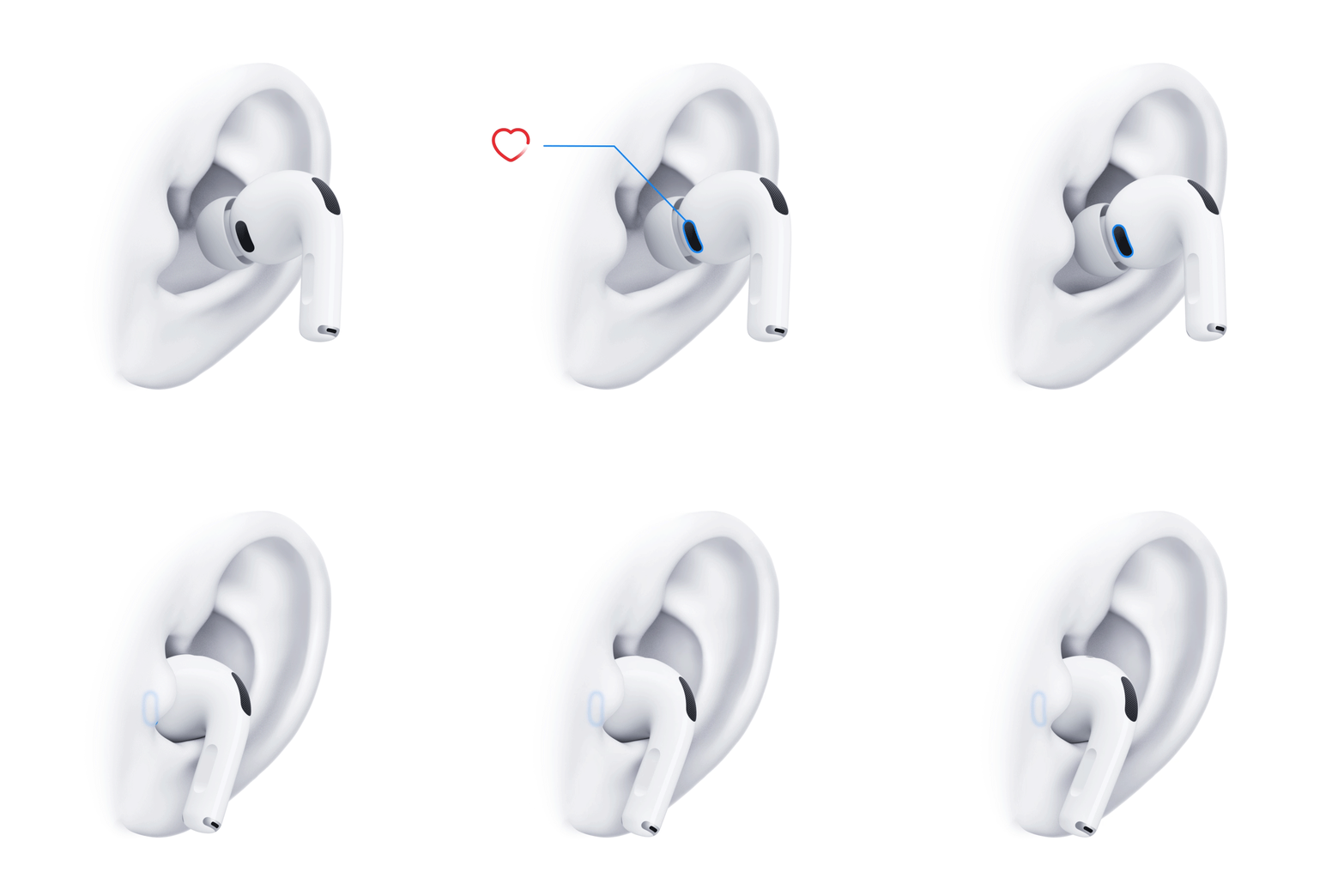
How you insert earbuds matters as much as the tip. A small twist or a gentle pull on the ear lobes can lock them in place.
- Clean ears and tips first. Dry surfaces create better grip.
- Slightly pull your ear up and back to open the ear canal.
- Insert the bud gently and twist it 45–90 degrees until you feel a seal.
- Test by nodding and jogging in place for 10 seconds to confirm stability.
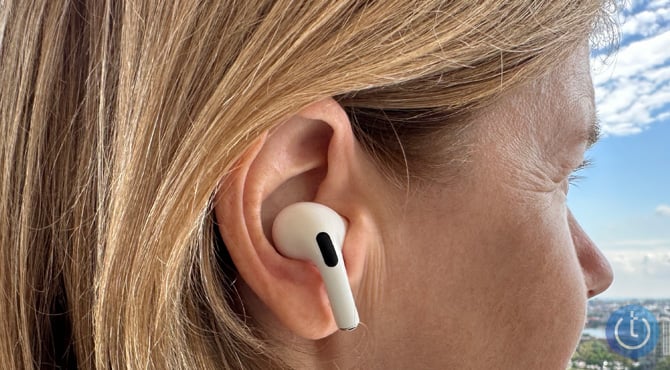
If you use true wireless earbuds, tuck the stem or cable behind the ear for extra support. I learned the twist method after failing many times; it’s the fastest fix for most people.
Accessories and hacks to keep earbuds in ear
Small add-ons make a big difference. Use accessories tailored to the activity.
- Ear wings — provide extra hook points inside the concha for stability.
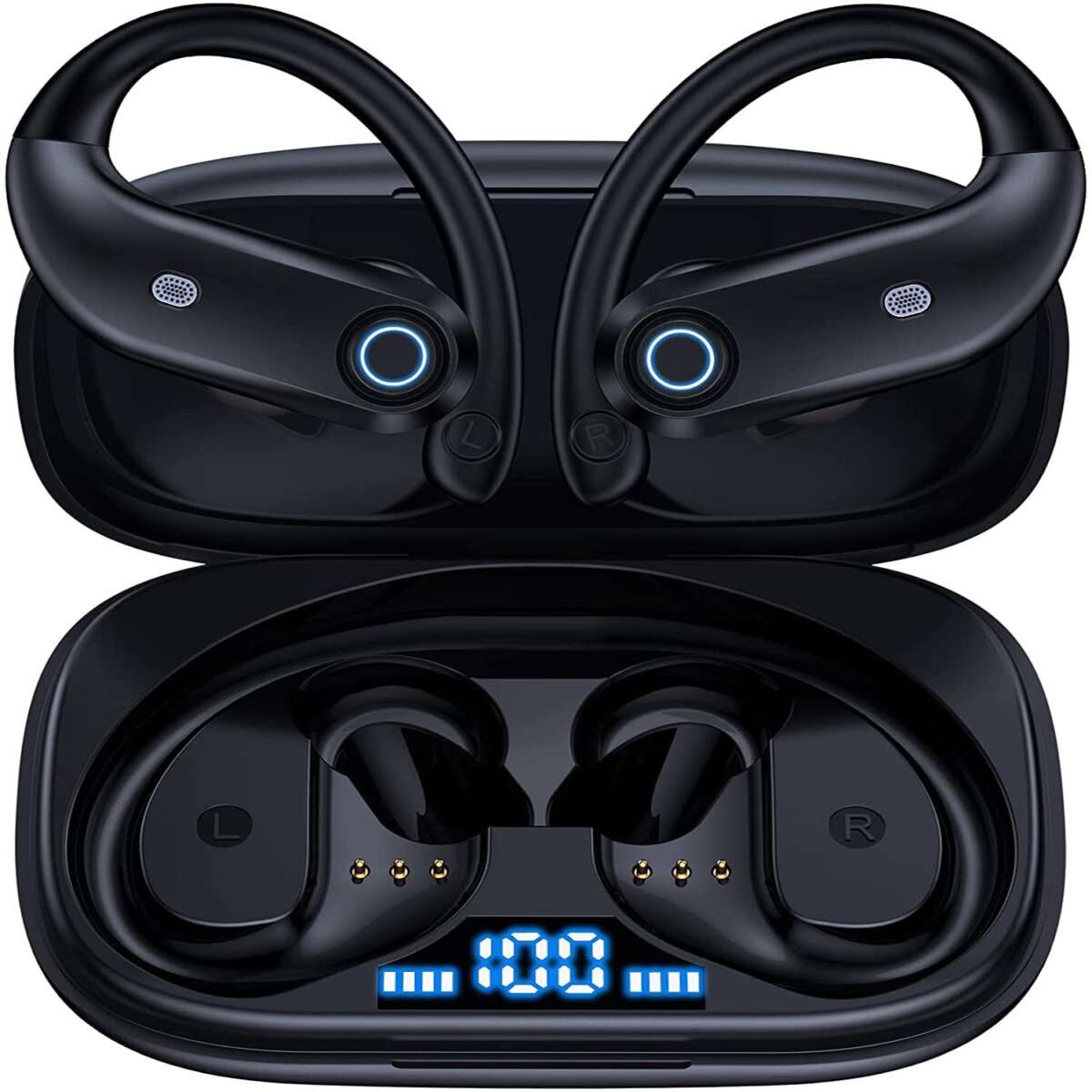
- Ear hooks or over-ear loops — great for high-motion workouts.
- Memory foam covers — increase surface contact and reduce movement.
- Retainer cables and straps — prevent loss and add gentle downward tension.
- Custom molds — the best long-term solution for perfect fit and comfort.
I once ran a half-marathon with standard buds and swapped to ear hooks mid-race. The change eliminated distractions and improved pace. For daily commuters, a thin retainer cable works great and keeps buds secure when getting on and off trains.

Clean, maintain, and replace ear tips regularly
Grime reduces friction and the seal. Cleaning keeps the fit consistent.
- Weekly wipe — use a dry cloth or alcohol wipe on silicone tips.
- Foam care — follow manufacturer directions; foam can be rinsed and air-dried.
- Inspect for wear — cracked or compressed tips must be replaced.
- Replace schedule — foam tips often need replacement every 3–6 months depending on use.
I’ve found that a dusty tip can make a well-fitted earbud slip within minutes. Regular cleaning kept my buds stable and sound quality steady.

When to switch earbud style: know your options
Some ears need a different earbud type entirely. Choose by activity and comfort.
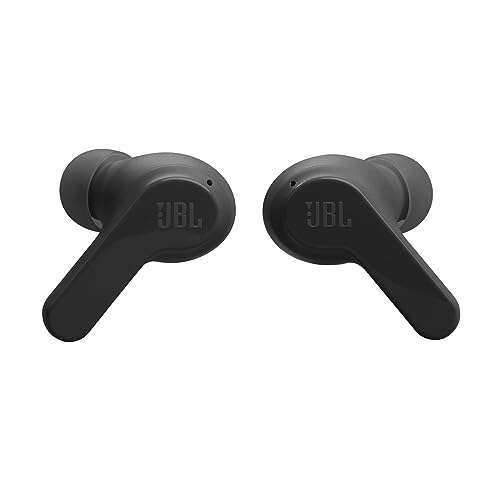
- In-ear canal (true earbuds) — best seal and bass, needs correct tips to stay.
- Earbuds with hooks — ideal for running and gym use.
- Over-ear headphones — best for zero-slip and long wear, but bulkier.
- Custom-molded in-ear monitors — premium comfort and perfect fit for long-term use.
If you try tips, accessories, and technique and still struggle, consider switching style. Custom molds are worth it for regular performers and commuters.

Simple troubleshooting checklist
Use this quick checklist when earbuds won’t stay in ear.
- Try a different tip size and material.
- Reinsert using the twist-and-seal method.
- Clean tips and ear canals.
- Add wings, hooks, or a retainer strap.
- Test a different earbud style if problems persist.
This checklist solves most fit issues in minutes. Keep it handy when you shop or pack for travel.

People also ask
Will foam tips make earbuds fit better?
Yes. Foam tips expand to fill your ear canal and create a snug seal, which reduces slippage and improves bass. They work well for many users, especially during movement.
How do I stop earbuds from falling out while running?
Use ear wings or over-ear hooks and choose memory foam tips. Also insert with a twist and test with short jogs before long runs.
Can I modify earbuds to make them fit?
Minor mods like adding covers, using straps, or swapping tips are safe and effective. Avoid cutting or gluing parts, which can damage the earbud or void warranties.
Frequently Asked Questions of how to get earbuds to stay in ear
How do I choose the right tip size?
Try all sizes provided by the manufacturer and pick the one that seals without pain. A proper seal blocks outside noise and stays put during movement.
Are foam tips better than silicone tips?
Foam tips often provide a better seal and grip for active use, while silicone tips last longer and are easier to clean. Pick based on comfort and activity level.
Can sweat make earbuds fall out?
Yes. Sweat reduces friction and can break the seal. Use moisture-wicking accessories or choose tips that handle moisture well.
Do ear hooks work for small ears?
Yes. Ear hooks add external support and can help small or shallow ears keep earbuds stable. Try adjustable hooks for the best fit.
How often should I replace ear tips?
Replace foam tips every 3–6 months with regular use and silicone tips when they show damage or no longer seal well. Regular replacement maintains fit and hygiene.
Conclusion
Getting earbuds to stay in ear is mostly about fit, simple technique, and the right accessories. Test different tip sizes, use the twist-and-seal insertion, keep parts clean, and add wings or hooks for active use. If problems persist, choose a different earbud style or consider custom molds for the best long-term comfort. Try one tip change or accessory today and see the improvement — then share what worked for you or ask questions below to get tailored advice.

Jamie Lee is a seasoned tech analyst and writer at MyTechGrid.com, known for making the rapidly evolving world of technology accessible to all. Jamie’s work focuses on emerging technologies, product deep-dives, and industry trends—translating complex concepts into engaging, easy-to-understand content. When not researching the latest breakthroughs, Jamie enjoys exploring new tools, testing gadgets, and helping readers navigate the digital world with confidence.