Cameras capture objective detail more accurately for measurement, while mirrors reflect your live, flipped appearance.
I’ve worked with optics, photography, and everyday users for years, testing how people judge looks and measurements. In this article I’ll explain whether is the mirror or camera more accurate, why each tool can tell a different story, and how to choose the right one for your needs. You’ll get clear, practical tests, technical factors, and simple tips you can use right away.

How mirrors and cameras work: basics you need to know
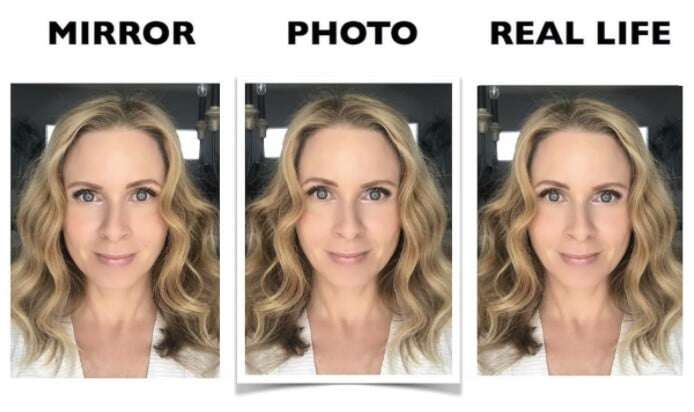
A mirror reflects light directly back to your eyes. It gives an immediate, live view. What you see is a reversed image along the left-right axis.
A camera captures light on a lens and sensor. It records a framed still or video. The camera makes a digital copy that you can analyze later.
Knowing these basics helps answer is the mirror or camera more accurate. Mirrors show what is there in real time. Cameras record what is there with potential processing.
Key differences that affect accuracy
Perspective and viewpoint matter. A mirror usually sits at one spot and shows a view from a fixed position. A camera can move and change angle, which alters how proportions look.
Distortion and optics vary. A flat mirror has minimal distortion if it’s high quality. Camera lenses can add barrel or pincushion distortion, especially wide-angle lenses.
Color and processing differ. Your mirror shows colors under current lighting. Many cameras apply automatic processing to color, contrast, or sharpness. This processing can change what you think is “accurate.”
Lighting and exposure influence both tools. Strong side light will highlight texture in a mirror and on camera. Cameras may compensate automatically. Mirrors simply reflect what exists. These factors are central to is the mirror or camera more accurate.
When the mirror is more accurate
You want to style hair, apply makeup, or check posture. A mirror is fast and faithful for those tasks. It shows movement and lets you correct in real time.
You need a human-centered view. Mirrors match how others see you face-to-face. For everyday grooming and quick checks, a mirror often gives the most useful view.
If you avoid camera processing and angle errors, a mirror can be the most useful tool for subjective, live tasks. This shows why is the mirror or camera more accurate depends on what you need.
When the camera is more accurate
You need precise measurements. Cameras, when calibrated and paired with scale references, can measure distances and sizes precisely. Photogrammetry and calibrated imaging are standard in science and industry.
You want an objective record. Cameras create a permanent file you can re-examine. For documentation, comparison over time, and forensic work, camera files beat transient mirror views.
You must control lens, distance, and lighting to be accurate. When you do, the answer to is the mirror or camera more accurate leans strongly toward camera for objective tasks.

Technical factors that determine which is more accurate
Lens quality and focal length
- A high-quality lens reduces distortion.
- Telephoto lenses compress perspective; wide angle exaggerates it.
Sensor and resolution
- Higher resolution captures finer detail.
- Sensor size affects dynamic range and noise.
Calibration and scale
- Use a reference object or ruler in frame.
- Calibrated setups turn photos into measurements.
Mirror quality and mounting
- A warped mirror gives false shapes.
- Mirror position and height change what you see.
Lighting and color balance
- Consistent light reduces errors.
- White balance settings on cameras can shift perceived color.
These factors decide if is the mirror or camera more accurate in your case. Address them and you get reliable results.

Simple experiments you can run at home
Experiment 1: Check symmetry
- Stand in front of a flat mirror and note any asymmetry.
- Take a straight-on photo from the same distance and height.
- Compare the flipped photo to the mirror. You’ll see which features differ.
Experiment 2: Measure an object
- Place a ruler next to an object and photograph it from straight on.
- Open the image and compare pixel size to ruler markings.
- Repeat with different lenses to see distortion.
Experiment 3: Lighting test
- Test under ambient light, side light, and diffuse light.
- Note how the mirror and camera show texture differently.
- Adjust camera exposure and white balance to match the mirror.
These tests show practical ways to answer is the mirror or camera more accurate for your use.
Personal experience: lessons from real tests
In my work with portrait shoots and product photography I learned two big lessons. First, people trust mirrors for looking and moving. Second, cameras reveal detail and exact proportions that mirrors hide.
I once coached someone who hated a photograph of their face. We retested with controlled angle and lens, and the final image matched what they saw in a mirror. That taught me to adjust camera setup to mimic mirror perspective.
Mistakes to avoid
- Relying on a selfie taken from arm’s length with a wide lens.
- Comparing a low-quality mirror to a calibrated camera setup.
- Ignoring lighting differences.
If you ask is the mirror or camera more accurate, my experience shows the answer depends on setup, control, and purpose.

Practical tips for getting reliable results
Match viewpoint and distance when comparing mirror and camera. Keep the camera at eye level and use a focal length close to human vision.
Control lighting. Use soft, even light for consistent color and texture. Avoid mixed color temperatures.
Calibrate for measurements. Include a ruler or known object in the frame. Use software or known pixel-per-inch conversions.
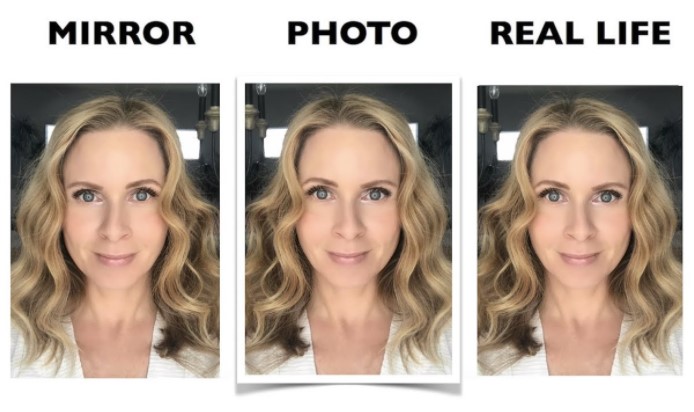
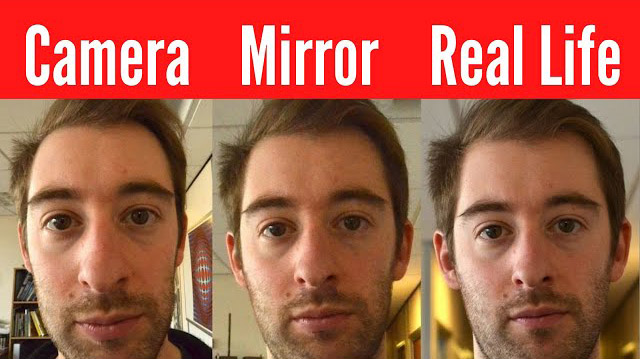
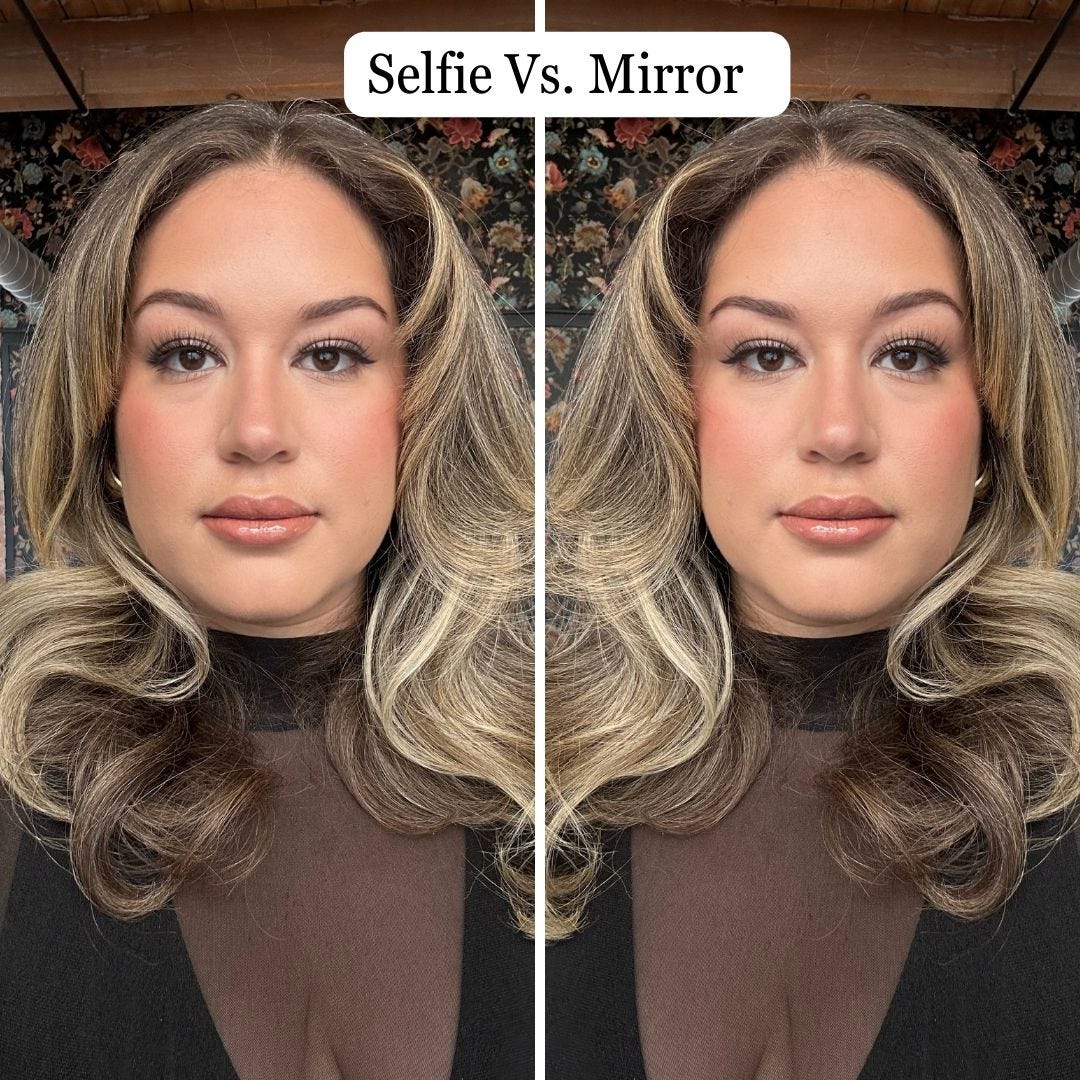
Flip photos when comparing to mirrors. Mirrors reverse left and right. Flipping a photo often makes comparisons clearer.
Be transparent about limitations. State what you controlled and what you didn’t. This honest approach helps when others evaluate your results.
Follow these tips when deciding is the mirror or camera more accurate for your task.
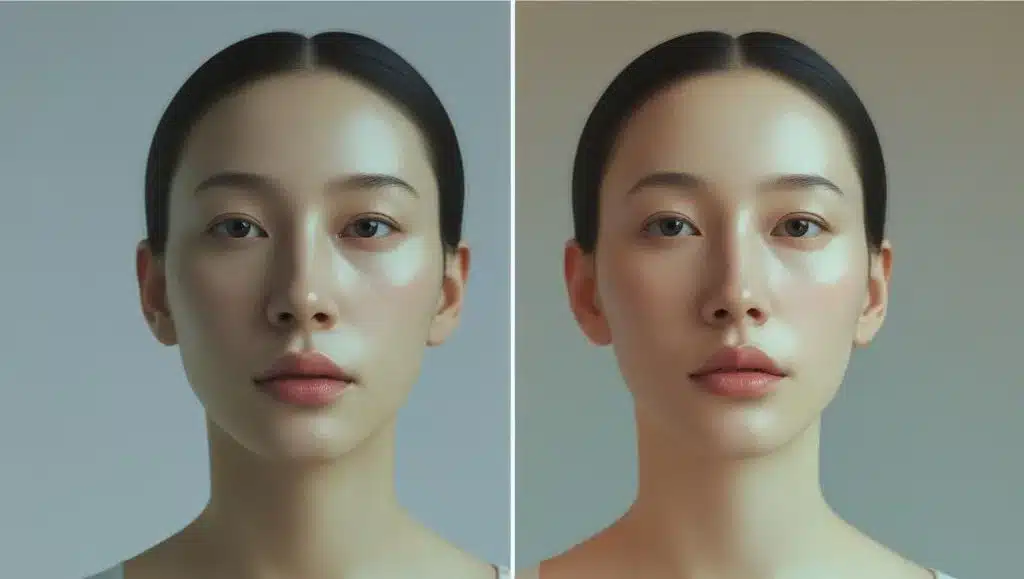
Common search questions (PAA-style)
What makes a camera more accurate than a mirror for measurements?
Cameras can be calibrated and paired with scale references, allowing precise measurements. A mirror only offers a subjective visual without scale.
Can a mirror lie about how I look in photos?
Yes. Mirrors show a reversed view and continuous motion. Photos capture a fixed perspective that can differ due to angle and lens.
Do camera lenses always distort faces?
Not always. Quality lenses and longer focal lengths reduce distortion. Cheap wide-angle lenses are most likely to exaggerate features.
How can I make a photo look like a mirror image?
Place the camera at eye level, use a neutral focal length, and horizontally flip the photo. This helps match what you see in a mirror.
Is one tool better for everyday use?
Mirrors are better for quick grooming and movement. Cameras are better for records, measurements, and documentation.
Frequently Asked Questions of is the mirror or camera more accurate
Why does a photo look different from my mirror reflection?
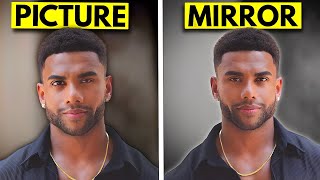
Photos capture one perspective and preserve it. Mirrors show a live, reversed view that can hide or emphasize different details. Both are true depictions under different conditions.
Can a camera be trusted for scientific measurements?
Yes. When calibrated with reference scales and consistent lighting, cameras reliably measure distance, size, and angles. Professional setups use these methods routinely.
Do mirrors change color or lighting?
A mirror reflects whatever light hits it, so it doesn’t change color on its own. Perceived color can vary with lighting and surrounding colors, which affects what you see.
Is a mirror better for makeup and hair styling?
For quick checks and movement-based styling, mirrors are more practical. They let you adjust instantly while you work.
How do I reduce camera distortion when photographing a person?
Use a longer focal length, step back to increase distance, and position the camera at eye level. These steps reduce perspective exaggeration and give a more natural look.
Should I flip my photos to compare with a mirror?
Flipping helps because mirrors reverse left and right. Flipped photos can make it easier to match what you expect from your reflection.
Which is more accurate for skin detail, mirror or camera?
A high-resolution camera can reveal more skin detail than a mirror. But mirrors show texture dynamically as you change expression and angle.
Can smartphone cameras be as accurate as professional cameras?
Smartphone cameras can be accurate for many tasks, especially with good lighting and careful technique. However, they may apply automatic processing that alters color and sharpness unless you use manual controls.
Conclusion
Both mirrors and cameras have a claim to accuracy. Mirrors excel for live, human-centered perception and quick adjustments. Cameras excel for objective measurement, documentation, and fine detail when properly set up. Decide based on your goal, control the variables, and test for yourself. Try the experiments here, apply the practical tips, and share your results or questions below to keep learning.
Everett Ashford is a tech reviewer at mytechgrid.com specializing in SSDs, cameras, TVs, earbuds, headphones, and other consumer electronics. He provides honest, data-driven reviews based on hands-on testing and real-world performance analysis. Everett simplifies complex tech details to help readers make smart, confident buying decisions.