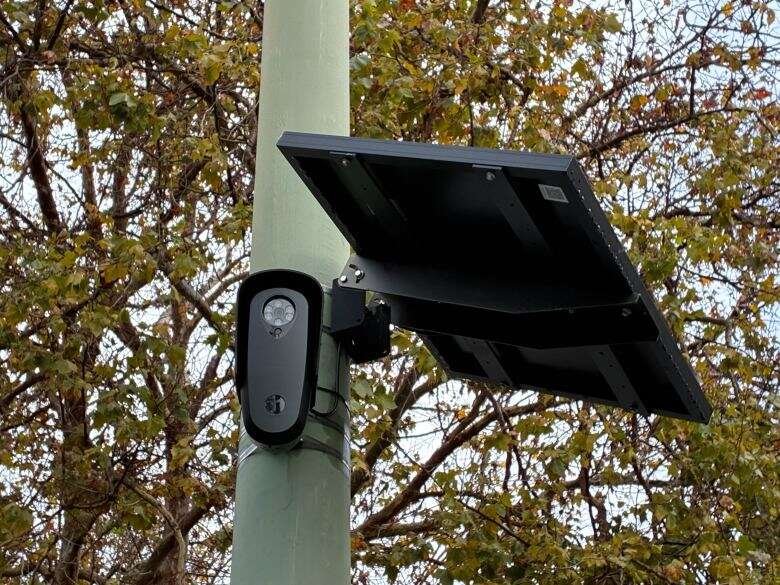
Flock cameras capture vehicle movements and license plates to aid law enforcement and traffic analysis.
I’ve worked with public-safety camera systems and criminal-justice data for years, and I can say clearly what are flock cameras used for: they record and analyze where cars go, when they go there, and which cars connect multiple locations. This article explains how flock cameras work, the main uses, benefits and limits, real-world examples, and practical guidance to help you decide if these systems should be part of public safety or planning efforts.

What are flock cameras?
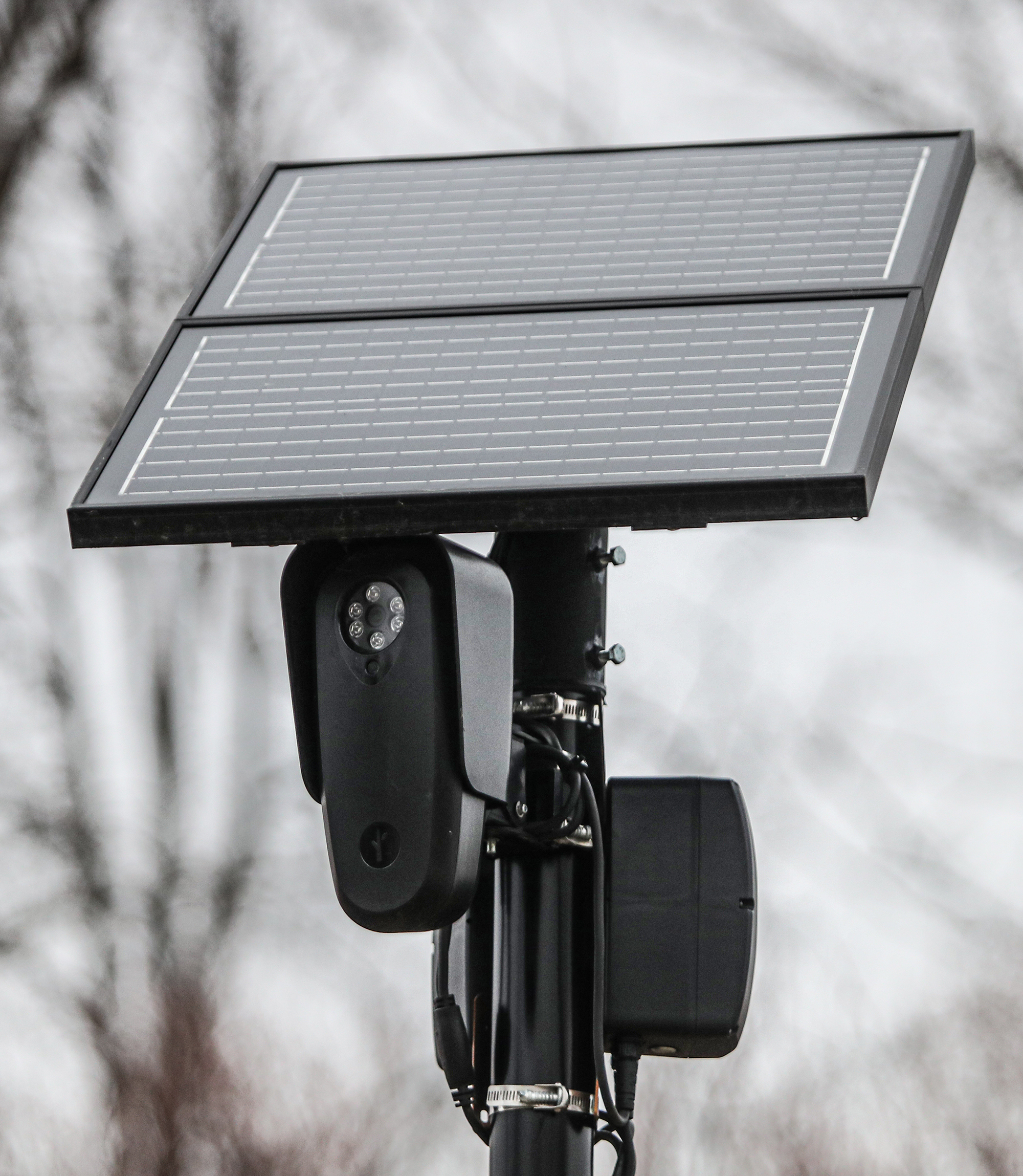
Flock cameras are a networked camera system that uses license-plate reading software and video to track vehicles across locations. They combine high-resolution cameras, automatic license plate recognition (ALPR) software, and a centralized database to log plate reads, timestamps, and GPS coordinates. The system then allows searches across time and place to find movement patterns or link vehicles to incidents.
Flock camera systems can store raw images, plate text, and metadata. They often use cloud servers for search and sharing with law enforcement partners. This mix of optics, software, and databases is why flock cameras are powerful for investigations and traffic work.

Primary uses of flock cameras
Flock cameras serve many real-world tasks. Here are the most common uses:
- Traffic and roadway safety monitoring: They help spot dangerous patterns and high-accident corridors by showing vehicle flow and speed trends.
- Criminal investigations: They link vehicles to crimes, show travel routes, and provide time-stamped evidence.
- Stolen vehicle recovery: They increase the chance of finding a stolen car by flagging plate matches in near real time.
- Amber Alerts and silver alerts: They help locate missing persons when a vehicle plate is known.
- Parking enforcement and load zone monitoring: They verify violations and support ticketing or towing decisions.
- Urban planning and traffic engineering: Planners use aggregated movement data to design safer roads and transit.
- Event and venue security: They monitor vehicle entry and exit during large gatherings to manage access and respond to incidents.
When readers ask what are flock cameras used for, they usually mean public safety and traffic needs. The answer is that these systems are broadly used wherever vehicle location data helps solve time-sensitive problems.

How flock camera systems work
Flock cameras use three main parts: camera hardware, ALPR software, and a data backend.
- Camera hardware: High-speed, high-resolution cameras capture plates at various angles and speeds. Infrared and wide-dynamic-range tech help in low light.
- ALPR software: The software converts plate images into text, filters false reads, and assigns confidence scores. Many systems also log vehicle color, make, or model when possible.
- Backend and search: Plate reads are stored with time and GPS. Authorized users can search by plate, time window, or geographic area. Alerts can push matches if a plate is on a watchlist.
Data flow is simple: capture → recognition → storage → search/alert. Accuracy depends on camera placement, lighting, and software tuning. Many agencies tune thresholds to reduce false positives but still review images before action.

Benefits of using flock cameras
Flock cameras offer practical advantages for agencies and planners:
- Faster investigations: They cut the time to locate a suspect vehicle from days to hours.
- Higher recovery rates: Stolen vehicles are often found sooner when plate reads are visible across a camera network.
- Scalable monitoring: Cameras can cover many streets and junctions without a constant human presence.
- Data-driven planning: Aggregated data supports better road design and signal timing.
- Audit trails: Time-stamped plate reads create a record that stands up well in cases when properly handled.
From my experience, the biggest operational win is speed. A single confirmed plate hit can unlock an investigation that otherwise stalls.
Limitations, risks, and ethical concerns
Flock cameras also bring limits and concerns you must know about.
- Privacy risks: Continuous vehicle tracking creates a detailed movement history for drivers. Laws and policies vary on retention and sharing.
- False positives: License-plate reads can be wrong. Proper human review is essential before enforcement.
- Data security: Centralized plate databases are attractive targets for misuse and hacking. Strong encryption and access controls are needed.
- Bias and scope creep: These systems may be used beyond original promises, increasing surveillance in sensitive communities.
- Legal limits: Many jurisdictions have rules about retention, warrants, and audit trails. Agencies must follow local law and court rulings.
I’ve seen projects stall when privacy policies were unclear. A transparent policy and limited retention go a long way to building trust.

Real-world examples and lessons from experience
Here are short, concrete examples and lessons from hands-on work:
- Case example: A car linked to a series of burglaries was identified within hours because multiple cameras recorded the same plate across neighborhoods. That single link provided timelines and corroborated witness statements.
- Planning example: Aggregated flow data helped a city retime signals and reduce congestion on a busy corridor by 12 percent over three months.
- Lesson learned: Don’t overspec camera locations. Better placement, not just more cameras, improves read rates and cuts costs.
- Mistake to avoid: Treating raw ALPR reads as facts. Always keep human review and audit logs before arrests or fines.
- Practical tip: Use short retention windows for identifiable data and longer windows for aggregated, anonymized statistics.
These experiences show what are flock cameras used for in both enforcement and planning roles, and how thoughtful policy shapes outcomes.

Best practices for deploying and using flock cameras
If you’re considering flock cameras, follow these guidelines:
- Define clear goals: State whether the system is for safety, investigations, or planning. Goals shape retention and access rules.
- Privacy and retention policy: Keep plate-level data only as long as needed. Consider 30–90 days for general holds and longer only for active cases.
- Limit access: Use role-based permissions and multi-factor authentication for users. Log every search and action.
- Public transparency: Publish a plain-language policy describing how data is used, retained, and shared. Invite community feedback.
- Regular audits: Conduct internal and external audits for misuse and accuracy. Release audit summaries publicly.
- Training and review: Train officers and staff on accuracy limits. Require image review before enforcement.
- Technical maintenance: Schedule camera calibration, lens cleaning, and software updates to keep read rates high.
These steps help balance the strong utility of flock cameras with the ethical duty to protect privacy and civil rights.
Frequently Asked Questions of what are flock cameras used for
What data do flock cameras collect?
Flock cameras collect license-plate reads, timestamps, GPS coordinates, and sometimes vehicle make, model, or color. They may also store plate images and low-resolution scene video.
Can anyone access flock camera data?
No. Access is normally restricted to authorized users like law enforcement or city staff, and governed by policy. Proper systems require authentication, logging, and role-based controls.
How long is data kept from flock cameras?
Retention varies by policy. Many agencies keep identifiable plate reads 30–90 days, with longer retention only for active investigations. Aggregated stats may be stored longer.
Are flock cameras accurate at night or in bad weather?
Read accuracy drops in heavy rain, snow, glare, or if a plate is dirty. Infrared and good placement help, but no system is perfect—human review is recommended for critical decisions.
Do flock cameras track people inside vehicles?
No. Flock cameras focus on external vehicle data like plates and sometimes vehicle descriptors. They are not designed to identify individuals inside a car.
Can flock camera data be used in court?
Yes, when collected and handled according to law and chain-of-custody rules. Courts examine collection methods, accuracy, and any potential for tampering.
How do flock cameras differ from standard CCTV?
Flock cameras integrate ALPR to turn images into searchable plate data. Standard CCTV captures video but usually lacks automated plate recognition and large-scale searchable databases.
Conclusion
Flock cameras are a powerful tool for linking vehicles to places and times. They speed investigations, aid recovery of stolen cars, and provide useful traffic data when used with strong policies. At the same time, they raise real privacy and security concerns that require transparent rules, limited retention, and independent audits. If you’re involved in procurement or policy, start with clear goals, write tight access rules, and engage the community before deploying cameras. Want to learn more or share your views? Subscribe, leave a comment, or review local policies to see how your community handles plate-reading technology.

Everett Ashford is a tech reviewer at mytechgrid.com specializing in SSDs, cameras, TVs, earbuds, headphones, and other consumer electronics. He provides honest, data-driven reviews based on hands-on testing and real-world performance analysis. Everett simplifies complex tech details to help readers make smart, confident buying decisions.