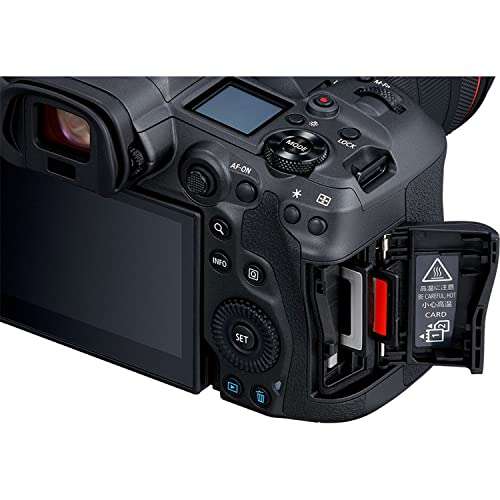
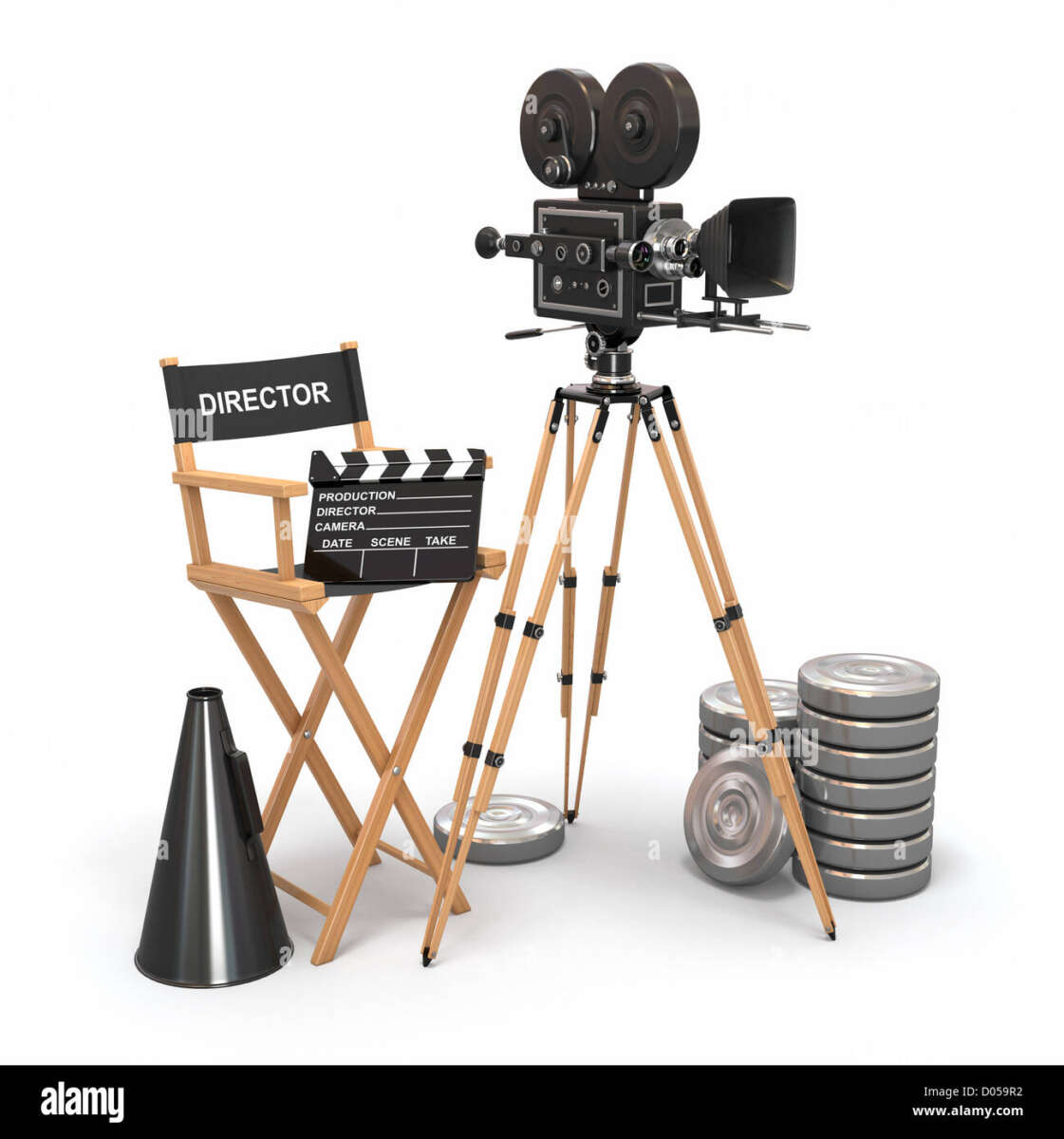
Directors usually use high-end digital cinema cameras like ARRI, RED, and Sony Venice.
Choosing what camera do directors use for movies matters more than most people think. As a cinematographer and longtime set person, I’ve used ARRI, RED, and Sony cameras and I can say directors pick cameras for image, workflow, and story needs. This guide explains what camera do directors use for movies, why those choices happen, and how you can think like a director when selecting gear. Read on for practical tips, real-set lessons, and clear comparisons.

How directors pick a camera: goals, look, and workflow
Directors care most about the story and the look. They ask what camera do directors use for movies to match mood, color, and motion to the story. Choice depends on sensor, dynamic range, color science, weight, and post-production needs. The camera also has to fit the budget, shooting schedule, and the director’s visual style.

Popular cameras directors use today
Directors commonly choose a handful of reliable cinema cameras. These models dominate sets worldwide because they balance image quality, lens ecosystems, and support.
- ARRI Alexa series — prized for natural skin tones and wide dynamic range.
- RED Komodo, RED V-Raptor, RED Epic — known for high resolution and flexible RAW workflows.
- Sony Venice and FX9 — strong low-light performance and vivid color science.
- Blackmagic URSA Mini Pro and Pocket Cinema — budget-friendly cinema look and RAW options.
- Canon C300/C500 series — good color and robust autofocus for run-and-gun shoots.
What camera do directors use for movies varies by project scale. Big studio films often favor ARRI Alexa or Sony Venice. Indies may use RED or Blackmagic for value. Documentaries sometimes choose mirrorless or cinema cameras for mobility.
Why ARRI, RED, and Sony keep showing up
There are clear reasons these brands are common answers to what camera do directors use for movies. Each offers strengths that maps to storytelling needs.
- ARRI — trusted color science, film-like highlight roll-off, and proven reliability.
- RED — high resolution and flexible RAW files for heavy VFX and cropping.
- Sony — excellent sensors for low light and modern color pipelines.
- Blackmagic and Canon — cost-effective and easy workflows for smaller crews.
Directors often pick cameras based on past success, available lenses, and the DOP’s comfort. I’ve watched directors switch to ARRI for a softer, organic look or choose RED when VFX demanded extra resolution.

Lenses, sensors, and why they matter more than brand
The camera body is only half the story. Directors ask what camera do directors use for movies but they really mean, which camera and lens combo gives the desired look. Sensor size affects depth of field and field of view. Lenses define character through sharpness, bokeh, and flare.
- Full-frame and large sensors make shallow depth of field and cinematic bokeh easier.
- Lens choice drives image personality — vintage glass gives warmth, modern glass gives crispness.
- Filters, matte boxes, and diffusion alter highlights and contrast on every camera.
On set, I learned the camera choice must pair with lens packages and color workflows. A great lens on a midrange body can trump the opposite.

Practical examples by production type
Here are simple camera choices directors often make by project type. These examples show real-world answers to what camera do directors use for movies.
- Big-budget narrative films — ARRI Alexa or Sony Venice for skin tones and dynamic range.
- VFX-heavy blockbusters — RED V-Raptor or Epic for high resolution and flexible RAW.
- Independent features — RED Komodo, Blackmagic URSA, or Canon C500 for cost vs. quality.
- Documentaries and run-and-gun — Sony FX3 or compact cinema cameras for mobility.
- Music videos and commercials — any high-quality camera; directors chase stylized looks.
These patterns come from industry practice and my own shoots. When I shot a low-budget feature, choosing a RED Komodo saved money while keeping a cinematic image.

Budget, crew size, and workflow considerations
The answer to what camera do directors use for movies is never just image specs. Workflow and crew matter a lot. A camera that needs a large support team increases costs and time.
- Small crew — pick light, simple cameras with in-camera recording or straightforward codecs.
- Large production — invest in cameras with robust RAW pipelines and rental support.
- Post-production — consider color workflows, storage needs, and VFX compatibility.
On set, I once filmed with a high-end camera that overwhelmed our small post team. That taught me to match camera output to post capacity before finalizing a booking.

My experience: mistakes, lessons, and tips
I’ve led camera departments on varied shoots. Here are honest tips from those sets about what camera do directors use for movies and how to choose wisely.
- Test camera+lens combos before the shoot. Small differences change mood a lot.
- Factor in media costs. High-res RAW needs fast storage and more budget.
- Prioritize photographs of skin tones during tests. Directors judge looks by faces.
- Don’t buy every shiny spec. Choose the camera that fits creative and logistical needs.
A mistake I made early on was chasing max resolution for prestige. It added cost and slowed editing without improving the story. Now I pick cameras to serve the scene first.
Common quick questions (PAA-style)
What camera do directors use for movies when they want a film look?
Directors often choose ARRI Alexa or lens+sensor combos that favor gentle highlights and natural color. The film look is more about lenses, gamma curves, and grading than a single camera.
Do directors always use the newest camera models?
Not always. Directors pick cameras that fit the story and the workflow. Reliability and look often beat having the latest model.
Can a DSLR or mirrorless match cinema cameras?
For some projects, yes. Mirrorless bodies can deliver cinematic results, but dedicated cinema cameras offer features like better codecs, monitoring, and rigging.

Frequently Asked Questions of what camera do directors use for movies
What camera do directors use for movies on big studio sets?
Big studios often use ARRI Alexa or Sony Venice due to their dynamic range and proven color pipelines. These cameras integrate well with large workflows and VFX demands.
What camera do directors use for movies with heavy VFX?
Directors choose high-resolution cameras like RED models for VFX-heavy shoots because RAW files allow more flexibility in post. High frame rates and sensor data help compositors match elements.
What camera do directors use for movies on a tight budget?
On tight budgets, directors pick Blackmagic Pocket, RED Komodo, or older Canon cinema cameras for good image quality at lower cost. Renting lenses and accessories can improve the look significantly.
What camera do directors use for movies if they need quick setup?
For quick setups, directors favor compact cinema cameras or mirrorless bodies with good autofocus and in-camera recording. These save time and reduce crew needs.
What camera do directors use for movies when skin tones matter most?
ARRI cameras are a common choice when skin tones are critical because of their color response. Color science and grading practices together create accurate, pleasing skin rendering.
What camera do directors use for movies when shooting in low light?
Sony Venice and some RED sensors perform well in low light due to strong ISO performance and clean shadows. Choosing lenses with wide apertures also helps.
Conclusion
Choosing what camera do directors use for movies comes down to matching the camera to the story, budget, and team. Directors pick cameras for look, workflow, and reliability, not just brand names. Test gear, talk with your DOP, and plan post workflows early to avoid surprises. Try a practical shoot with a couple of camera options before committing, and share your results with your team. If this helped, leave a comment with your camera questions or subscribe for more hands-on filmmaking tips.

Jamie Lee is a seasoned tech analyst and writer at MyTechGrid.com, known for making the rapidly evolving world of technology accessible to all. Jamie’s work focuses on emerging technologies, product deep-dives, and industry trends—translating complex concepts into engaging, easy-to-understand content. When not researching the latest breakthroughs, Jamie enjoys exploring new tools, testing gadgets, and helping readers navigate the digital world with confidence.