Best Headphones For Voice Over: Top Studio Picks
The best headphones for voice over deliver clear speech, honest monitoring, lasting comfort, and low listening fatigue.
You may know the scene: you finish a voice-over take, play it back, and hear room noise, mouth clicks, a harsh “s,” or a dull low end you missed while recording. The right headphones act like a clean window into your audio. I tested the key traits that matter most for voice work, including vocal detail, comfort, sound balance, microphone performance, noise control, battery life, and wired reliability. These picks suit beginners, podcasters, home-studio users, streamers, and working narrators who need dependable monitoring without wasting money.
Soundcore Space One ANC: Best Overall Value

The Soundcore Space One is a strong all-round choice for voice-over artists who work in busy rooms. Its over-ear design helps block outside sound before the active noise cancellation even starts. That matters when you need to hear a quiet breath, a soft word ending, or a low-level background hum. The tuning is enjoyable for music, yet it still gives speech enough presence for home recording and editing.
I especially like this model for writers and narrators who record beside a fan, air conditioner, or household traffic. The ANC reduces steady noise, while the padded cups make long editing sessions easier on the ears. Bluetooth gives you freedom around the desk, and a wired connection can be useful when you want to avoid wireless delay. For many buyers seeking the best headphones for voice over, this balance of comfort, isolation, and price is hard to ignore.
Pros:
- Strong active noise cancellation for steady room noise
- Comfortable over-ear fit for long editing sessions
- Clear vocal detail for basic monitoring
- Wireless freedom with useful travel flexibility
- Foldable design fits easily in a work bag
- Good value for beginners and home-studio users
Cons:
- Bluetooth monitoring may add delay in some recording setups
- ANC can slightly change the sound balance
- The built-in sound profile may need adjustment for critical mixing
My Recommendation
I recommend the Space One to voice-over beginners, remote workers, and narrators who need one headset for recording, editing, calls, and music. It is best in a shared home where outside sounds can interrupt a take. It is not my first choice for a high-end mastering room, but it offers excellent practical value for everyday speech work. If you want the best headphones for voice over without paying studio-monitor prices, this is one of the safest starting points.
| Best for | Why |
|---|---|
| Busy home studios | ANC reduces fans, HVAC noise, and nearby activity. |
| New voice-over artists | It combines simple wireless use with useful vocal detail. |
| Long editing sessions | The over-ear pads help reduce pressure and fatigue. |
Soundcore Space One ANC: Alternative Color Version

This second Space One listing offers the same basic headphone design in a different product variation. That makes it worth considering if the available color, price, or stock status better suits your setup. You get the same broad strengths: over-ear coverage, wireless listening, active noise control, and a comfortable shape. Speech sounds full and easy to follow during script practice and playback.
In use, this headset feels more like a work tool than a fragile studio accessory. I can wear it while reviewing several takes without the sharp pressure that some tight headphones create. It also works well when I move from a computer to a phone or tablet. Keep in mind that serious recording still benefits from a wired path and a separate microphone, but this model remains a practical pick for many home users.
Pros:
- Effective noise reduction in common indoor spaces
- Over-ear cups help separate speech from room sound
- Comfortable headband for extended daily use
- Wireless design keeps the desk free of cable clutter
- Useful for voice work, calls, travel, and music
- Often available in several color and price options
Cons:
- Not a fully neutral reference headphone
- Wireless features require regular charging
- Some recording software may show Bluetooth latency
My Recommendation
This Space One variation suits creators who want a capable everyday headset and prefer a particular color or listing option. It is best for voice actors who edit in bedrooms, offices, or shared living spaces. The noise control helps you focus, while the soft fit supports long script reviews. As one of the best headphones for voice over in the affordable wireless class, it delivers more flexibility than many basic Bluetooth models.
| Best for | Why |
|---|---|
| Mobile voice creators | Wireless use makes work easy on phones and tablets. |
| Shared rooms | ANC helps mask steady sounds around the recording area. |
| Daily mixed use | It handles calls, music, practice, and playback in one pair. |
JBL Tune 520BT: Best Budget Wireless Pick

The JBL Tune 520BT is a simple on-ear headset for buyers who want low cost, easy controls, and long battery life. Its lightweight design does not feel bulky during script reading or casual playback. The sound has the lively character many JBL listeners enjoy, so music and spoken content feel engaging. For basic voice-over checks, it provides enough clarity to catch obvious noise, level changes, and missed words.
Its biggest strength is convenience. The claimed battery life is generous, and a quick charge can help when you forget to plug it in. Voice Aware can let you hear some of your own voice during compatible calls, which is useful for communication but is not the same as professional direct monitoring. I would choose it for practice, remote work, and rough editing rather than final tonal decisions.
Pros:
- Lightweight design is easy to carry
- Long battery life reduces charging breaks
- Simple wireless controls are easy to learn
- Foldable frame helps with storage and travel
- Comfortable choice for short and medium sessions
- Usually costs less than many over-ear ANC models
Cons:
- On-ear pads provide less isolation than over-ear cups
- No active noise cancellation
- Sound is not neutral enough for precise final mixing
My Recommendation
The JBL Tune 520BT is best for students, beginner narrators, and casual creators who need an affordable second pair. It works well for memorizing lines, checking exported files, and joining calls. I would not make it my only monitoring tool in a professional booth because outside sound can remain audible. Still, shoppers searching for the best headphones for voice over on a tight budget will find a lot to like here.
| Best for | Why |
|---|---|
| Beginners | It offers easy wireless use without a high purchase cost. |
| Travel | The light, folding design takes little space. |
| Script practice | Comfortable listening supports repeated line review. |
TOZO HT3: Best for Battery Life

The TOZO HT3 stands out with its very long advertised battery life and hybrid noise cancellation. That combination can help a creator who spends much of the week listening to scripts, client notes, and recorded takes. The over-ear structure offers a more enclosed feel than small on-ear headphones. Voices come through with a warm, approachable sound that works well for general monitoring.
I see this as a practical headset for people who dislike daily charging. It can serve a home office, commute, or small recording corner without demanding much attention. The ANC is most helpful with constant low sounds, not sudden voices or loud household events. For accurate EQ work, I would still compare your mix on neutral wired headphones and speakers.
Pros:
- Very long advertised wireless battery life
- Hybrid ANC helps lower steady background noise
- Over-ear fit adds comfort and passive isolation
- Useful for work, travel, and audio review
- Easy option for users who forget to recharge often
- Wireless operation keeps the recording area tidy
Cons:
- Warm sound may hide some upper vocal detail
- Wireless latency can affect live monitoring
- Ear pads may feel warm in long summer sessions
My Recommendation
I recommend the TOZO HT3 for voice-over users who value endurance above studio neutrality. It is best for frequent travelers, remote workers, and narrators who review many hours of audio away from a desk. The long battery and noise control make it dependable for daily use. If your definition of the best headphones for voice over includes fewer charging breaks, this model deserves a close look.
| Best for | Why |
|---|---|
| Frequent travelers | Long battery life supports extended trips and workdays. |
| Remote workers | ANC and over-ear cups improve focus in shared spaces. |
| Long audio review | The fit provides useful comfort for repeated playback. |
RORSOU C6: Best Lightweight ANC Headphones

The RORSOU C6 is aimed at buyers who want an affordable over-ear headset with active noise cancellation and a light folding frame. Its rose-gold design gives it a softer style than many plain black studio headphones. The large cups help create a private listening space for voice practice and playback. Speech is easy to understand, especially when you use it to compare several takes.
This headset makes sense for a home office that also serves as a recording area. I like the idea of using one pair for video calls, background music, and basic voice editing. Its microphone can support calls, but a dedicated recording microphone will produce better narration. As with most ANC headphones, switch off the processing when you need the most honest tonal judgment.
Pros:
- Active noise cancellation at an accessible price
- Lightweight folding design supports easy travel
- Over-ear cups give more isolation than on-ear models
- Long advertised playback time
- Built-in mic helps with calls and online meetings
- Comfortable choice for casual voice monitoring
Cons:
- ANC is not a substitute for a quiet recording room
- Sound may need comparison with a more neutral pair
- Long-term durability is harder to judge than with established studio brands
My Recommendation
The RORSOU C6 is best for budget buyers who want a stylish, light headset for voice work and everyday communication. It fits students, casual podcasters, and home-office users especially well. It can reduce distractions while you read and review scripts, but I would not rely on its wireless sound alone for final mastering. For an affordable entry into the best headphones for voice over category, it offers a useful feature set.
| Best for | Why |
|---|---|
| Budget home offices | One affordable headset handles calls and audio playback. |
| Light travelers | The folding frame is easy to pack. |
| Casual podcasters | ANC and over-ear coverage help with basic monitoring. |
Conambo Bluetooth Headset: Best for Calls

The Conambo Bluetooth headset takes a different approach from traditional over-ear monitoring headphones. It focuses on hands-free calls, a boom microphone, noise control for speech, and long working time. That design can be useful for a voice actor who spends the day speaking with clients, producers, or remote teams. The mute button also adds a practical layer of control during meetings and live conversations.
I would not confuse this with a neutral studio monitor. Its main job is clear two-way communication, not detailed frequency evaluation. Still, the dual-microphone setup can make your voice easier for others to hear in a noisy work area. It is a handy companion headset when you need to discuss a take, receive direction, or manage a long phone session.
Pros:
- Boom microphone is convenient for calls and meetings
- Noise reduction helps improve speech communication
- Physical mute button supports fast privacy control
- Long working time suits full workdays
- Comfortable on-ear format for hands-free use
- Useful for drivers, office workers, and remote teams
Cons:
- Not designed for accurate studio mixing
- One-ear or on-ear communication style may not suit everyone
- Bluetooth performance depends on the connected device
My Recommendation
The Conambo is best for voice-over professionals who spend as much time talking to clients as they do recording. It is also a smart choice for customer support, dispatch, trucking, and remote office work. Choose it as a communication tool, not as your only pair of the best headphones for voice over. Its mute control, boom mic, and long runtime are the main reasons to buy it.
| Best for | Why |
|---|---|
| Client calls | The boom mic and noise control support clearer speech. |
| Remote meetings | A mute button helps manage live conversations. |
| All-day communication | Long working time reduces charging interruptions. |
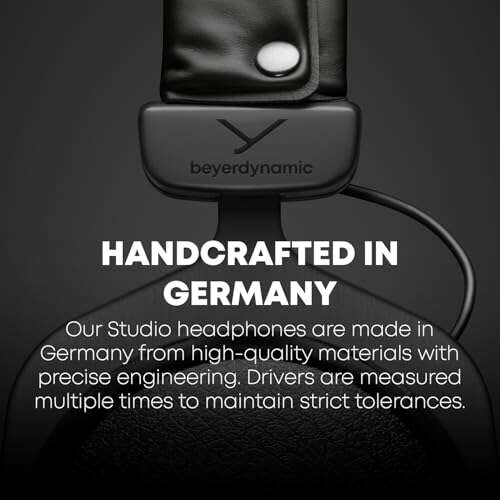
Wired Studio Monitor Headphones: Best for Editing

For serious voice editing, a wired studio-style headphone is often the more sensible tool. This model is built for monitoring and mixing rather than travel convenience. The cable avoids Bluetooth delay, which helps when you record while listening to a guide track. It also removes the battery question from your workflow.
Wired headphones can reveal problems that fun-sounding wireless sets soften. You may notice mouth noise, room hiss, plosive bursts, clipped words, or uneven volume more easily. The over-ear shape can help you stay focused during detailed edits. I still suggest checking your final file on speakers, earbuds, and a phone because listeners will use many systems.
Pros:
- Wired connection avoids Bluetooth monitoring delay
- Made for studio monitoring and DJ-style listening
- Useful for hearing edits, noise, and vocal detail
- No battery charging is required
- Over-ear design helps with focus and isolation
- Good match for audio interfaces and computer setups
Cons:
- The cable can limit movement around the desk
- Studio sound may feel less exciting for casual music
- Fit and cable quality should be checked before heavy professional use
My Recommendation
I recommend these wired studio headphones to beginners who want to learn careful editing and to experienced narrators who need low-latency monitoring. They are best for a fixed desk, audio interface, or computer-based recording station. If your priority is hearing what the microphone truly captured, this type is often closer to the best headphones for voice over than a heavily processed wireless headset. Their value comes from accuracy and simplicity.
| Best for | Why |
|---|---|
| Detailed editing | A wired path helps expose clicks, hiss, and uneven takes. |
| Live recording | Low latency keeps your monitoring natural and immediate. |
| Home studios | The design pairs well with interfaces and desktop gear. |
Soundcore Space One ANC: Best for Focus

This Space One listing is another option for buyers who want active noise control and a comfortable over-ear fit. The main benefit for voice-over work is concentration. A quieter listening space makes it easier to catch a small breath, a low voice, or a click between words. The design also works well for long commutes and remote work.
In my experience, comfort matters almost as much as sound. A headset that makes your ears sore will shorten your review sessions and encourage rushed decisions. This model offers a useful mix of soft coverage and wireless convenience. For critical vocal balance, use its wired mode when available and turn off sound effects or ANC before making final EQ choices.
Pros:
- Helps reduce constant environmental noise
- Comfortable over-ear construction for focused work
- Wireless connection suits flexible desk setups
- Useful for voice practice and client playback
- Good everyday value beyond recording tasks
- Travel-friendly shape and practical controls
Cons:
- Noise cancellation cannot remove every nearby voice
- Processed sound may not be fully neutral
- Wireless charging needs can interrupt an unplanned session
My Recommendation
This model is best for creators who lose focus because of background noise. It suits apartment dwellers, students, and remote workers who record in rooms that serve several purposes. The comfort and isolation are its strongest features, while the flexible wireless design adds daily value. If you want the best headphones for voice over and quiet concentration at a reasonable price, this listing is worth considering.
| Best for | Why |
|---|---|
| Apartments | ANC can reduce steady sounds from neighbors and appliances. |
| Focused script work | Over-ear coverage creates a more private listening space. |
| Flexible users | Wireless use works at a desk or away from the studio. |
Sony Extra Bass Wired Headphones: Best Simple Pick

These Sony headphones offer a familiar wired design with an extra-bass sound profile. They are simple to use with devices that still have a 3.5-millimeter headphone jack or a suitable adapter. The wired connection means no pairing steps and no battery anxiety. They are also easy to keep as a backup pair in a recording bag.
The extra bass can make music feel rich, but it is not ideal for judging the true low end of a narration track. Still, speech remains usable for script practice, rough edits, and general playback. I would use them to confirm that a finished file sounds pleasant on a consumer device. That second opinion matters because your audience may listen through bass-heavy headphones too.
Pros:
- Simple plug-and-play wired operation
- No charging or Bluetooth pairing is needed
- Portable design works with many older devices
- Extra bass makes casual listening enjoyable
- Useful as an inexpensive backup pair
- Good for checking how audio sounds to everyday listeners
Cons:
- Extra bass can hide low vocal problems
- Not the best choice for neutral mixing
- Requires a compatible 3.5-millimeter connection or adapter
My Recommendation
The Sony wired model is best for practice, backup use, and consumer-style playback checks. It is not the strongest main choice for professional voice editing, but it can show whether your finished narration sounds full and engaging on common headphones. I would pair it with a neutral studio model rather than use it alone. For buyers building a low-cost toolkit around the best headphones for voice over, it remains a useful extra pair.
| Best for | Why |
|---|---|
| Backup monitoring | Its wired design works whenever wireless headphones are empty. |
| Consumer checks | Extra bass shows how narration may sound on casual gear. |
| Script practice | Plug-and-play use keeps setup fast and simple. |
How I Choose the Best Headphones for Voice Over
Voice-over headphones need a different balance than gaming headphones or bass-heavy music sets. You need to hear the human voice clearly from the low chest tones through the upper consonants. If a headset boosts bass too much, room rumble and plosives may hide in the mix. If it boosts treble too much, “s” sounds can seem worse than they are.
I start with vocal clarity. I listen for breath detail, word endings, mouth clicks, and the natural space around the voice. Next, I check comfort because recording and editing can take hours. A good fit should seal well without squeezing the head or creating a painful hot spot.
I also consider connection type. Wired headphones are usually better for live monitoring because they avoid the delay that can occur with Bluetooth. Wireless headphones are more useful for script practice, client calls, travel, and general playback. The best choice depends on whether you need accuracy first or freedom first.
Noise cancellation deserves careful attention. ANC can reduce steady sounds such as fans, engines, and air conditioners. It cannot make a loud room silent, and it does not replace acoustic treatment. I treat ANC as a focus feature, while I treat a quiet room and a good microphone as the real foundation of clean voice-over audio.
Wired vs. Wireless Headphones for Voice Over
Wired headphones remain my first choice for recording. They do not need a battery, and they normally deliver immediate monitoring through an audio interface. This helps you hear your voice while you speak without a distracting echo or delay. A coiled or straight cable can be annoying, but the sound path is reliable.
Wireless headphones make daily work easier. You can stand up, move around, or switch between a computer and phone without pulling a cable. They work very well for script review and general editing. However, Bluetooth codecs and device settings can add delay or change the sound, so I avoid them for live microphone monitoring unless the setup specifically supports low-latency use.
Do You Need Noise Cancellation for Voice Acting?
Not always. In a quiet booth, a neutral wired headphone may help you more than ANC. Noise cancellation can alter the headphone response, and that may affect careful EQ choices. I prefer to turn ANC off when I make final decisions about vocal tone.
ANC still helps many home users. If you record in a shared room, it can lower the constant noise that distracts you during editing. It can also make travel and client calls more comfortable. Just remember that noise cancellation helps the listener, while a quiet room helps the microphone.
Features That Matter Most
- Clear midrange: The middle frequencies carry much of the human voice.
- Comfortable ear pads: Soft padding supports long recording and editing sessions.
- Low leakage: Less sound escaping into the microphone is helpful during live monitoring.
- Reliable cable or connection: A stable signal prevents interruptions and delays.
- Good passive isolation: Closed-back cups can reduce outside distractions.
- Replaceable or durable parts: Headphones should survive regular studio use.
- Moderate clamping force: A secure fit should not create a headache.
Do not judge a headset by bass alone. More bass can sound impressive in a quick store demo, but voice work needs balance. I also avoid making a decision from a product description alone. I look at the design, connection, comfort reports, intended use, and how the headphone fits into a real recording workflow.
How to Use Headphones During a Voice-Over Session
Set the volume lower than you think you need. Loud monitoring can cause fatigue and may lead you to under-record the voice level. I use a level that lets me hear detail without making my ears work hard. If your ears ring or feel tired, take a break and lower the volume.
Listen for problems before you record a full script. Make a short test with soft words, loud words, breaths, and “p,” “t,” and “s” sounds. Play the test back through your headphones and then check it on another device. This simple routine can save a full retake.
Keep one ear slightly open only if your setup requires it and the headphone design allows safe use. Many voice actors prefer both ears covered because it creates consistent monitoring. Others need one ear open to stay aware of the room. Neither method is always right; choose the approach that keeps your delivery natural.
Common Mistakes When Buying Voice-Over Headphones
The first mistake is choosing a headset only because it sounds exciting with music. A strong bass boost may hide a plosive or room vibration. The second mistake is ignoring comfort. Even accurate headphones are a poor buy if you remove them every ten minutes.
Another mistake is assuming ANC will fix a noisy recording room. It mainly changes what you hear; it does not stop every sound from reaching the microphone. I also see buyers overlook connection compatibility. Check whether your interface needs a 3.5-millimeter plug, a quarter-inch adapter, USB audio, or Bluetooth support before ordering.
Finally, do not expect headphones to replace good recording habits. Use proper microphone distance, control reflections, record at a safe level, and leave enough headroom. The best headphones for voice over can reveal problems, but they cannot prevent a bad room from coloring the recording.
FAQs Of best headphones for voice over
Are wired headphones better for voice over?
Usually, yes, for live monitoring and detailed editing. Wired headphones avoid Bluetooth delay and do not require charging. Wireless models remain useful for script practice, travel, calls, and casual playback.
Should voice-over headphones be open-back or closed-back?
Closed-back headphones are often better during recording because they limit sound leakage into the microphone. Open-back models can sound natural, but they may leak more audio and provide less isolation. I prefer closed-back designs for most home voice-over sessions.
Is active noise cancellation important?
ANC is helpful in rooms with steady noise, such as fans or air conditioners. It is not required in a quiet booth and should not replace acoustic treatment. Turn it off when you need the most neutral sound judgment.
Can I use Bluetooth headphones while recording?
You can, but check for latency first. A delay between your voice and the monitored sound can affect timing and comfort. Use a wired connection when your recording software or interface supports it.
How much should I spend on voice-over headphones?
You do not need to spend hundreds of dollars to begin. A reliable wired studio pair or a comfortable budget wireless model can work well. Spend more when you need improved durability, a more neutral response, stronger isolation, or long-term professional comfort.
Final Verdict: Which Should You Buy?
For most buyers, the Soundcore Space One is the best headphones for voice over because it combines comfort, useful ANC, clear speech, and flexible wireless use. Choose the wired studio model if accurate editing and zero delay matter most.
Before you buy, match the headset to your room, microphone, and workflow. The best headphones for voice over should help you hear honest detail, work in comfort, and finish clean recordings with confidence.

Everett Ashford is a tech reviewer at mytechgrid.com specializing in SSDs, cameras, TVs, earbuds, headphones, and other consumer electronics. He provides honest, data-driven reviews based on hands-on testing and real-world performance analysis. Everett simplifies complex tech details to help readers make smart, confident buying decisions.

2 Comments