The best sound cancelling headphones combine strong noise reduction, clear audio, comfort, long battery life, and useful smart features.
Choosing the best sound cancelling headphones is not only about buying the most expensive pair. The right model depends on where you listen, how long you wear it, your phone, and whether you prefer rich music, clear calls, or deep silence. This guide compares the leading choices, explains the technology, and shares practical buying advice based on real listening needs.
What are sound cancelling headphones?
Sound cancelling headphones use microphones and digital signal processing to reduce outside noise. Most models use active noise cancellation, often called ANC. The microphones hear sounds around you, then create an opposite sound wave to weaken them.
This works best with steady sounds. Engines, air conditioners, fans, and train noise are easier to reduce than sudden voices, claps, or crying children. Passive isolation also matters because the ear cups or ear tips block some sound before ANC begins.
The best sound cancelling headphones use both methods:
• Active noise cancellation reduces low and steady background noise.
• Passive isolation blocks some sound through the ear cups or ear tips.
• Transparency mode lets outside sound in when you need to hear traffic or people.
• Adaptive ANC changes its strength as your surroundings change.
A useful way to picture ANC is to imagine two waves meeting in water. If the waves move in opposite directions, they partly cancel each other. Headphones use this idea with sound, but the results depend on fit, microphone quality, software, and the type of noise around you.

The best sound cancelling headphones at a glance
The best sound cancelling headphones are not the same for every listener. These models stand out for different reasons.
Sony WH-1000XM5: Best overall for most people
The Sony WH-1000XM5 offers excellent noise control, strong sound, and many adjustment tools. It is a great choice for flights, offices, commuting, and home use.
Its main strengths include:
• Very effective ANC for plane and train noise
• Detailed sound with strong bass control
• Comfortable ear cups for long sessions
• Useful app controls and equalizer settings
• Good voice-call performance in most quiet and moderate settings
The design is light and modern. However, the headphones fold less compactly than some older Sony models. The touch controls may also feel too sensitive for some users.
Bose QuietComfort Ultra: Best for comfort and immersive sound
The Bose QuietComfort Ultra is one of the best sound cancelling headphones for people who value comfort and powerful noise reduction. Bose has long been known for a relaxed fit and strong ANC, and this model adds an immersive listening mode.
It works well for:
• Long flights
• Office work
• Podcasts and audiobooks
• People who dislike tight headbands
• Listeners who want a wide, room-like sound
The immersive mode can make music feel larger, but it may not suit every song. It can also use more battery power. The headphones are premium, so the price may be hard to justify if you only need basic ANC.
Apple AirPods Max: Best for Apple users
The Apple AirPods Max remains a strong option for people who use an iPhone, iPad, or Mac every day. Pairing is simple, switching between Apple devices is smooth, and spatial audio works well with supported content.
Key benefits include:
• Excellent integration with Apple devices
• Strong ANC and transparency mode
• Clear, natural sound
• Premium build quality
• Very good voice pickup in many conditions
The main drawbacks are weight, price, and the carrying case. Battery life is also less impressive than some rivals. Apple users may still prefer it because the overall experience feels smooth and connected.
Sennheiser Momentum 4 Wireless: Best for battery life and sound
The Sennheiser Momentum 4 Wireless is a smart pick for people who want long battery life and enjoyable music. Its sound is energetic, spacious, and easy to adjust with an equalizer.
It stands out for:
• Very long battery life
• Full and detailed music playback
• Comfortable ear cups
• Adjustable sound through the companion app
• Competitive pricing during many sales
Its ANC is good, but Bose and Sony may reduce difficult low-frequency noise more effectively. It is best for listeners who place sound quality and battery life above maximum silence.
Bose QuietComfort Headphones: Best for simple comfort
The standard Bose QuietComfort headphones are among the best sound cancelling headphones for people who want comfort without extra features. They are lighter and often less expensive than the Ultra model.
They offer:
• Strong ANC
• A soft and comfortable fit
• Simple physical buttons
• Reliable sound for travel and work
• A compact folding design
The sound is pleasant but not as detailed as some competing models. Still, the simple controls and relaxed fit make them easy to recommend.
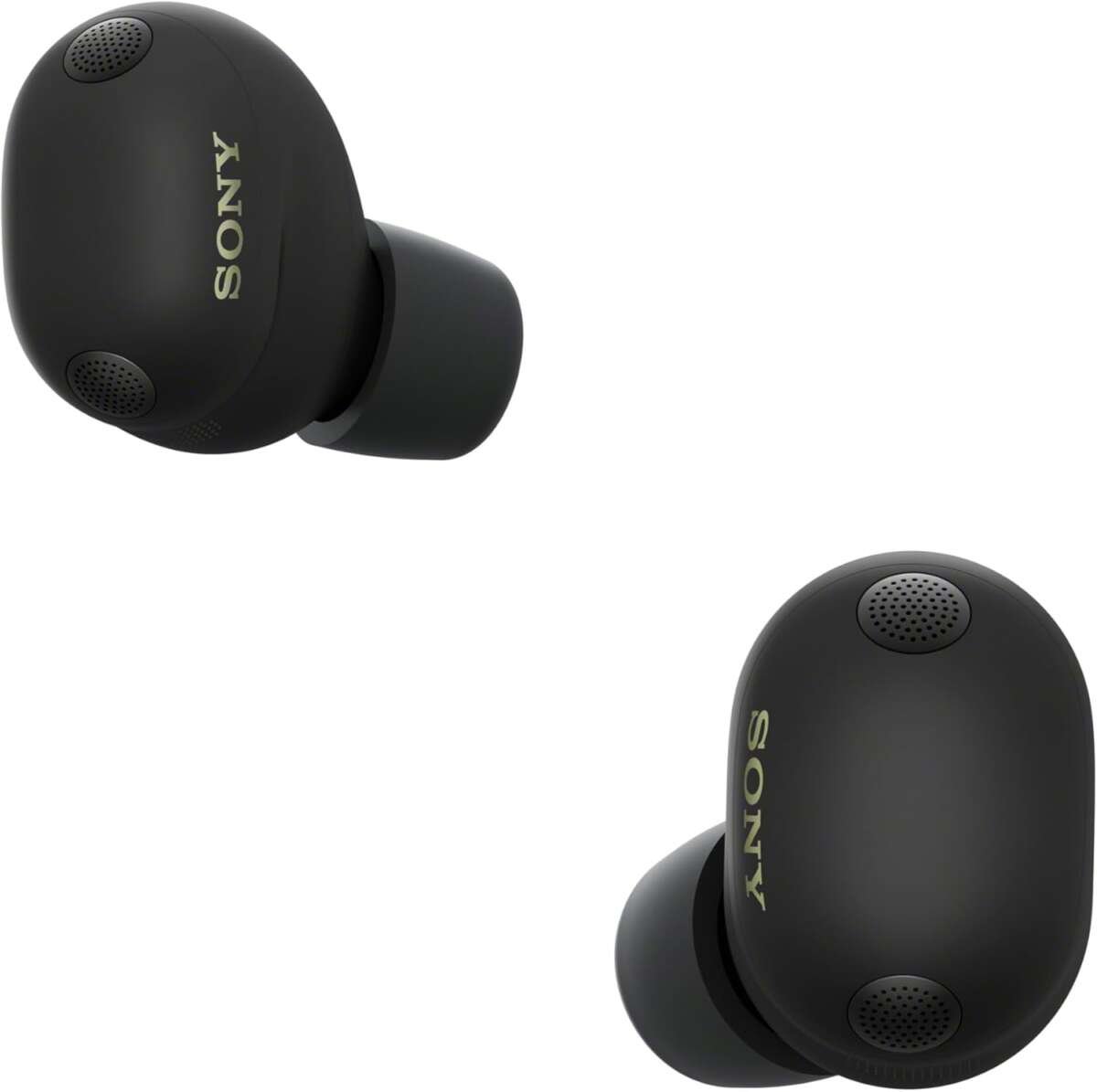
Sony WF-1000XM5: Best noise cancelling earbuds
If you want a small option, the Sony WF-1000XM5 is one of the best sound cancelling headphones in earbud form. It provides strong ANC, detailed sound, and a compact charging case.
These earbuds are useful for:
• Daily commuting
• Walking and travel
• Small bags and pockets
• Calls on the go
• Users who dislike large ear cups
Earbuds rely heavily on a good seal. If the tips do not fit your ears, ANC and bass will both suffer. Try the included tip sizes before judging their performance.
Apple AirPods Pro: Best earbuds for Apple devices
The latest AirPods Pro offers excellent transparency mode, simple controls, and smooth Apple integration. They are especially good for people who move between an iPhone, Apple Watch, and Mac.
Their strengths include:
• Natural transparency mode
• Reliable ANC for earbuds
• Easy device switching
• Strong call features
• Comfortable, compact design for many users
They may not deliver the deepest bass or longest battery life in the category. Their biggest advantage is the complete Apple ecosystem experience.

How to choose the best sound cancelling headphones
The best sound cancelling headphones should match your daily routine. A frequent traveler needs different features than someone who listens at home.
Think about your main listening place
Ask where you will use the headphones most often.
• Airplanes: Look for strong low-frequency ANC, comfort, and long battery life.
• Offices: Choose a good microphone, transparency mode, and all-day comfort.
• Public transit: Prioritize ANC, a secure fit, and clear spoken audio.
• Home: Focus more on sound quality, comfort, and multipoint connection.
• Exercise: Choose sweat resistance, stability, and a compact design.
No headphone can remove every sound. If you need to hear alarms, announcements, or traffic, a strong transparency mode may matter as much as ANC.
Check comfort and fit
Comfort is easy to ignore in a store and hard to ignore after two hours. Headband pressure, ear cup heat, clamp force, and weight all affect long-term use.
Over-ear models usually provide better passive isolation and a more spacious sound. In-ear models are smaller but can cause pressure or fatigue for some people.
Try this simple test:
-
Wear the headphones for at least 15 minutes.
-
Move your head from side to side.
-
Check whether your ears touch the inside of the cups.
-
Listen at a low volume.
-
Notice pressure near your jaw and temples.
A comfortable pair often sounds better because you will wear it more often. The most advanced headphones are poor value if they stay in a drawer.
Compare battery life
Battery claims usually describe listening with ANC turned on under ideal conditions. Volume, codec use, calls, and temperature can change real-world results.
For most people, these battery targets make sense:
• Under 20 hours: Fine for occasional use
• 20 to 30 hours: Good for work and travel
• More than 30 hours: Excellent for frequent travelers
• Earbuds: Consider both earbud time and total case time
Fast charging can matter more than maximum battery life. A short charge before a flight can save the day.
Review call quality
Many people buy headphones for music but use them for work calls. A model can sound excellent and still produce a weak voice signal in wind or traffic.
Look for:
• Multiple microphones
• Wind reduction
• Clear speech in moderate noise
• Easy mute controls
• Stable Bluetooth connection
Always test calls in the place where you work. A microphone that sounds fine in a quiet room may struggle beside a busy street.
Consider connection features
Multipoint Bluetooth lets headphones connect to two devices at once. For example, you can listen to music from a laptop and answer a call from your phone.
Other useful features include:
• Wired listening through a cable
• USB audio support
• Automatic pause when you remove the headphones
• Custom buttons
• A headphone-finding feature
• Adjustable ANC levels
Bluetooth codecs can affect sound quality, but codec support should not be your first concern. Fit, tuning, and comfort usually make a larger difference in daily use.

ANC headphones versus passive noise isolation
Passive headphones block sound with physical materials. Their ear cups create a seal around your ears, while earbud tips seal the ear canal. This method works well for voices, high notes, and sudden sounds.
ANC is strongest against steady, low sounds. It can reduce the hum of a plane engine or bus, but it may not erase a nearby conversation. The best sound cancelling headphones combine strong passive isolation with effective electronic control.
Passive isolation has some benefits:
• It uses no battery.
• It creates no electronic processing sound.
• It can block sharp, high sounds.
• It works with any audio source.
Some users notice a faint hiss when ANC is active. This is normal with many models. It may become less noticeable when music or speech begins.
Safety also matters. Do not use full ANC at high volume near roads, bike lanes, or busy platforms. The Centers for Disease Control and Prevention advises keeping listening levels moderate and taking breaks to reduce hearing risk.

Are expensive sound cancelling headphones worth it?
Premium models usually offer better microphones, more natural transparency, stronger ANC, and improved comfort. They may also receive better software support and have more durable materials.
However, the price does not rise in a straight line with performance. A $400 pair is not always twice as good as a $200 pair. The difference may be most noticeable in comfort, call quality, controls, and difficult noise.
A lower-priced pair may be enough if you:
• Listen mainly at home
• Use headphones for short periods
• Do not need advanced app features
• Care more about basic quiet than perfect sound
• Already own a comfortable pair
The best sound cancelling headphones are worth the cost when you use them every day. If they help you work, sleep on flights, or enjoy music without raising the volume, their value can add up over time.

Common mistakes to avoid
Many buying mistakes come from focusing on one feature. ANC strength is important, but it is only one part of the experience.
Avoid these errors:
• Buying without checking comfort
• Assuming the highest price means the best sound
• Ignoring microphone tests
• Choosing earbuds without testing tip sizes
• Using maximum volume to overcome poor fit
• Forgetting to check return policies
• Expecting ANC to remove every human voice
• Skipping firmware updates
A simple return policy is valuable. Headphones can feel comfortable for five minutes and tiring after an hour. Give yourself enough time to test them during normal life.
One practical lesson is to compare headphones with the same song, volume, and location. Switching between models without matching settings can make one seem better simply because it is louder. Louder sound often seems more detailed, even when it is not.

How to get better performance from your headphones
Even the best sound cancelling headphones need proper setup. Small changes can improve sound, battery life, and comfort.
Use these tips:
-
Install the official app and update the firmware.
-
Run the ear-fit test if the app offers one.
-
Try every ear tip size or adjust the headband.
-
Set a safe listening level before enabling extra bass.
-
Use transparency mode near traffic and public announcements.
-
Turn off features you do not need to save battery.
-
Clean ear cushions and ear tips often.
-
Store the headphones in their case during travel.
Keep the microphones clear. Dust, hair, or a covered microphone can reduce ANC performance. Also, avoid placing large stickers or tight covers over microphone openings.
For music, start with the default sound profile. Equalizers are useful, but extreme boosts can create distortion and drain power. Make one small change at a time.
What should you look for in sound quality?
Sound quality is personal, but some basic traits are widely useful. Clear vocals help with podcasts and calls. Controlled bass adds impact without covering details. Smooth treble keeps cymbals and high voices from sounding harsh.
A balanced headphone should let you hear several parts of a song at once. You should notice the singer, bass line, drums, and instruments without one element taking over.
When testing sound, use familiar tracks with:
• Quiet vocals
• Deep bass
• Busy instrument sections
• Soft details
• Sudden loud changes
Listen at a moderate volume. High volume can hide flaws and cause fatigue. If you enjoy several music styles, choose a model with an adjustable equalizer rather than one with a very strong fixed sound.

Frequently asked questions
What are the best sound cancelling headphones overall?
The Sony WH-1000XM5 and Bose QuietComfort Ultra are leading choices for most listeners. Sony offers strong all-around features and sound control, while Bose is especially appealing for comfort and powerful ANC.
Are Bose or Sony headphones better for noise cancellation?
Both brands offer excellent noise cancellation. Bose often has a slight advantage for comfort and simple ANC use, while Sony provides more sound customization and smart features.
Are sound cancelling headphones safe for your ears?
ANC itself does not damage hearing because it does not need loud playback to work. Hearing risk mainly comes from high volume and long listening sessions, so keep the level moderate and take regular breaks.
Do sound cancelling headphones block voices?
They can reduce voices, but they rarely remove them completely. ANC works best with steady low sounds, while a good ear seal provides more help with speech and sharp background noise.
Are earbuds or over-ear headphones better for ANC?
Over-ear headphones often provide stronger isolation and longer comfort for travel. Earbuds are smaller and more portable, but their performance depends heavily on the ear-tip seal.
Can sound cancelling headphones work without music?
Yes. ANC can reduce outside noise even when no music is playing. Some models may produce a faint hiss, but many people use this mode for quiet work or travel.
Do noise cancelling headphones work on airplanes?
Yes. They are particularly effective against the steady engine hum found on airplanes. They will not block every announcement or conversation, so keep awareness features available when needed.
Conclusion
The best sound cancelling headphones balance quiet, comfort, sound quality, battery life, and reliable daily features. Sony WH-1000XM5 is a strong all-around pick, Bose QuietComfort Ultra is excellent for comfort and ANC, AirPods Max suits Apple users, and Sennheiser Momentum 4 stands out for battery life and music quality.
Start by choosing between over-ear headphones and earbuds. Then consider your main listening place, fit, call needs, phone ecosystem, and budget. Test comfort before judging sound, and remember that a good seal often improves ANC more than a higher price.
Choose the model that fits your real routine, not just a specification sheet. Explore trusted retailers, compare return policies, and share your own headphone experience in the comments.

Everett Ashford is a tech reviewer at mytechgrid.com specializing in SSDs, cameras, TVs, earbuds, headphones, and other consumer electronics. He provides honest, data-driven reviews based on hands-on testing and real-world performance analysis. Everett simplifies complex tech details to help readers make smart, confident buying decisions.