To wear bone conduction earbuds, place the pads on your cheekbones, just ahead of each ear.
Learning how to wear bone conduction earbuds is simple, but small placement errors can affect sound, comfort, and stability. After testing different fits during walks, workouts, commutes, and calls, I’ve found that the best results come from treating the earbuds like glasses: they should sit securely, feel light, and never press hard. This guide explains the correct position, fit, volume, cleaning, and common mistakes so you can use them with confidence.

What Are Bone Conduction Earbuds?
Bone conduction earbuds send sound through vibrations in the bones around your ears. Instead of sealing the ear canal like traditional earbuds, they rest on the skin near the cheekbones, usually in front of the ears.
These earbuds have small transducers, or vibration speakers, that touch the side of your head. The sound travels through the bones toward the inner ear, while your ear canals remain open.
This design offers several benefits:
• You can hear traffic, coworkers, alarms, and nearby conversations more easily.
• They do not create the plugged-up feeling caused by in-ear headphones.
• They can be useful for running, cycling, hiking, and office use.
• They may feel more comfortable for people who dislike ear tips.
Bone conduction earbuds are not completely silent to people nearby. At higher volumes, some sound may leak from the transducers. Their audio quality can also differ from sealed earbuds, especially with deep bass.

How to Wear Bone Conduction Earbuds Correctly
The correct position is the key to clear sound and a comfortable fit. When learning how to wear bone conduction earbuds, focus on the location of the transducers rather than the earpieces.
Follow these steps:
-
Hold the earbuds so the speaker pads face inward toward your head.
-
Place the band behind your head and neck. Most models use a flexible band that curves around the back of your head.
-
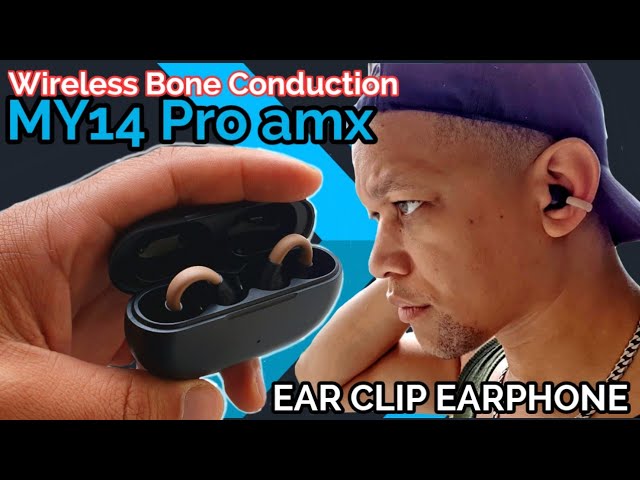
Set each transducer on the flat area of your cheekbone, slightly in front of the ear.
-
Make sure the pads touch your skin. They should not sit directly on the ear or behind it.
-
Adjust the band until the earbuds feel secure without squeezing your head.
-
Turn on music at a low volume and move the pads a few millimeters until voices and instruments sound clear.
The pads should rest just forward of the ears, not on the temples. If they sit too high, the sound may become thin. If they sit too low, the bass can weaken and the device may move during exercise.
A good fit feels stable but not tight. You should be able to open your mouth, turn your head, and smile without the earbuds shifting.
How to Find the Best Position
Everyone’s head shape is different, so the ideal position may vary slightly. The general rule is simple: keep both transducers flat against the cheekbones in front of the ears.
Use these fit checks:
• The left and right pads should sit at the same height.
• The pads should touch bare skin, not thick hair.
• The band should rest behind your head instead of pressing into your neck.
• The earbuds should not touch your ears unless the model is designed that way.
• You should hear balanced sound from both sides.
If one side sounds louder, check the placement before changing the volume. A pad may be resting on hair, tilted away from your skin, or sitting too far forward.
In my hands-on testing, the most common mistake was placing the transducers directly over the ears. This feels natural because regular headphones cover the ears, but bone conduction earbuds work best when they sit in front of them.

How to Wear Bone Conduction Earbuds With Glasses
You can usually wear bone conduction earbuds with glasses, but the order matters. Put on your glasses first, then place the earbuds around them. This helps you see whether the band and glasses arms are competing for the same space.
Try these adjustments:
• Move the transducers slightly forward on your cheekbones.
• Slide the band higher or lower behind your head.
• Choose a thinner glasses frame if the fit feels crowded.
• Avoid forcing the glasses arms between the transducer and your skin.
If the earbuds press your glasses into your head, the frame may be too wide for that model. A different band shape or a lighter frame can solve the issue.
Sunglasses can create the same problem during outdoor workouts. Test the full setup at home before using it on a long ride or hike.

How to Wear Bone Conduction Earbuds With Long Hair
Long hair can block contact between the transducers and your skin. This may make the sound quieter or uneven, especially at lower volumes.
To improve the fit:
• Pull hair away from the cheekbones before placing the earbuds.
• Use a low ponytail or braid if the band catches your hair.
• Check that loose strands are not trapped under the pads.
• Recheck the pads after putting on a hat or hood.
Do not push the earbuds tightly against your head to overcome hair interference. Pressure may cause discomfort without improving sound very much. Clear skin contact is usually more effective than extra force.

How to Wear Bone Conduction Earbuds During Exercise
Bone conduction earbuds are popular for exercise because they keep the ear canals open. Still, correct positioning matters more when you run, jump, or cycle.
Before exercise, make sure:
• The band sits securely behind your head.
• The transducers remain flat on both cheekbones.
• Sweat does not make the pads slide.
• Hair and clothing do not catch on the band.
• The controls are easy to reach without looking away from your path.
For running, the band should move with your head but should not bounce. For cycling, keep the volume low enough to hear vehicles, bells, and other riders. Open-ear audio improves awareness, but it does not make you immune to traffic risks.
Water resistance also varies by model. Some earbuds can handle sweat and rain, while others are not made for swimming. Check the product’s official IP rating and care instructions before exposing it to water.

How Loud Should Bone Conduction Earbuds Be?
Open-ear earbuds can tempt users to raise the volume in busy places. That can reduce their safety advantage and may still expose your ears to harmful sound levels.
A practical approach is to begin at about 50% volume and increase it only as needed. If you cannot hear nearby speech or important sounds, move to a quieter location instead of continually raising the volume.
Helpful habits include:
• Take short listening breaks during long sessions.
• Lower the volume in quiet rooms.
• Avoid maximum volume for extended periods.
• Stop using the earbuds if you notice ringing, muffled hearing, or ear discomfort.
Hearing experts commonly use an exposure principle: louder sound requires less listening time. Bone conduction technology does not remove the risk of excessive volume because the inner ear still receives sound vibrations.
Common Mistakes When Wearing Bone Conduction Earbuds
Understanding how to wear bone conduction earbuds also means knowing what not to do. Small mistakes can cause weak sound, pressure, or unwanted movement.
Placing the pads over the ears
The transducers belong in front of the ears. Placing them over the ears can make the sound dull and prevent the device from sitting correctly.
Wearing the band in front of the neck
Most models are designed for the band to sit behind the head. Wearing it in front can make the earbuds unstable and interfere with clothing.
Pressing the earbuds too tightly
More pressure does not always mean better sound. Excess pressure can cause headaches, sore cheekbones, or skin irritation.
Covering the pads with hair
Hair between the pads and skin can reduce contact. Move the hair aside before adjusting the earbuds.
Raising the volume to fix poor placement
If the sound is weak, first move the pads. High volume should not compensate for an incorrect fit.
Ignoring skin irritation
Clean the pads and let your skin rest if you notice redness or soreness. Continued irritation may mean the fit, material, or model is not right for you.
How to Improve Sound Quality
Bone conduction earbuds usually deliver the clearest sound when the transducers sit firmly and evenly on the cheekbones. Their sound may change when you move your jaw, wear a hat, or adjust the band.
Try these tips:
• Center both pads at the same height.
• Keep the pads flat instead of tilted.
• Remove thick hair from under the pads.
• Use the device’s equalizer if the companion app offers one.
• Choose a quieter setting when listening to podcasts or audiobooks.
Speech often sounds clearer than music because bone conduction models are designed for awareness and comfort rather than deep, sealed bass. If you want strong low-end sound, traditional over-ear or in-ear headphones may perform better.
Fit also affects phone calls. Place the earbuds evenly, keep the microphones uncovered, and test your voice in a quiet room before an important meeting.
Cleaning and Caring for Bone Conduction Earbuds
Cleaning helps preserve comfort and sound. Sweat, skin oil, sunscreen, and dust can collect on the transducers and control buttons.
After use:
-
Turn off and disconnect the earbuds.
-
Wipe the transducers and band with a soft, slightly damp cloth.
-
Dry the device before placing it in a case.
-
Clean charging contacts with a dry cotton swab if needed.
-
Store the earbuds away from heat and direct sunlight.
Do not pour water over the earbuds or use alcohol, bleach, abrasive cleaners, or sharp tools unless the manufacturer specifically allows them. Even water-resistant devices can be damaged by charging while wet.
If the earbuds suddenly sound weak, clean the contact surfaces and check the fit before assuming the battery or speaker has failed.
Are Bone Conduction Earbuds Safe?
For most users, bone conduction earbuds are safe when used at a moderate volume and worn as directed. They do not bypass the inner ear, so loud sound can still affect hearing.
They may be a useful option for people who need environmental awareness. However, they are not a substitute for careful behavior near traffic, construction equipment, or other hazards.
Keep these limits in mind:
• They may not provide enough volume in very loud environments.
• They can still contribute to hearing damage at high volume.
• They may cause pressure or skin irritation if the fit is too tight.
• They may not work well for every type of hearing loss.
People with hearing conditions, persistent tinnitus, ear pain, or sudden hearing changes should speak with a qualified hearing professional. A clinician can explain whether this listening method suits their needs.
How to Wear Bone Conduction Earbuds for Different Activities
The basic method stays the same, but small adjustments can improve comfort in different situations.
Walking and commuting
Keep the volume low enough to hear vehicles and announcements. Check the fit after putting on a jacket hood or backpack.
Office work
Position the pads lightly on the cheekbones. This can make conversations easier, but sound leakage may bother coworkers in a quiet room.
Running
Use a secure fit and test the earbuds with quick head turns before starting. Sweat-resistant models are usually better for frequent workouts.
Cycling
Follow local laws and avoid blocking your ability to hear traffic. Never treat open-ear audio as permission to ignore road conditions.
Hiking
Bring a charged phone, keep environmental sounds audible, and avoid using audio so loudly that you miss warnings from other hikers.
Frequently Asked Questions About How to Wear Bone Conduction Earbuds
Where should bone conduction earbuds sit?
The transducers should sit on the cheekbones just in front of your ears. They should touch your skin evenly and should not rest directly over your ears.
Should bone conduction earbuds touch your ears?
Usually, no. The earbuds are designed to send vibrations through the cheekbones, so the speaker pads should sit ahead of the ears rather than inside or over them.
Why do my bone conduction earbuds sound quiet?
They may be sitting too far forward, too low, or on top of hair. Adjust both transducers so they lie flat against your cheekbones before increasing the volume.
Can you wear bone conduction earbuds with glasses?
Yes, most people can wear them with glasses. Put on your glasses first, then adjust the earbuds slightly forward or higher until neither device creates uncomfortable pressure.
Can you wear bone conduction earbuds while running?
Yes, many models are made for running and other workouts. Choose a secure, sweat-resistant model, keep the volume moderate, and make sure you can hear traffic and other people.
Are bone conduction earbuds safer than regular earbuds?
They can help you stay aware of surrounding sounds because they leave the ear canals open. However, loud volume can still affect hearing, so they are not risk-free.
How tight should bone conduction earbuds be?
They should be snug enough to stay in place but loose enough to avoid pressure or pain. If your cheekbones become sore or your head aches, adjust the band or try another fit.
Conclusion
Learning how to wear bone conduction earbuds comes down to three things: place the transducers on your cheekbones, keep them in direct contact with your skin, and use a comfortable, secure fit. Adjust the position before raising the volume, and check the fit again when you add glasses, a hat, or workout gear.
Use moderate volume, clean the earbuds often, and stay alert in busy areas. Try these steps during your next walk or workout, then explore more hearing and headphone guides to find the setup that works best for you.

Everett Ashford is a tech reviewer at mytechgrid.com specializing in SSDs, cameras, TVs, earbuds, headphones, and other consumer electronics. He provides honest, data-driven reviews based on hands-on testing and real-world performance analysis. Everett simplifies complex tech details to help readers make smart, confident buying decisions.