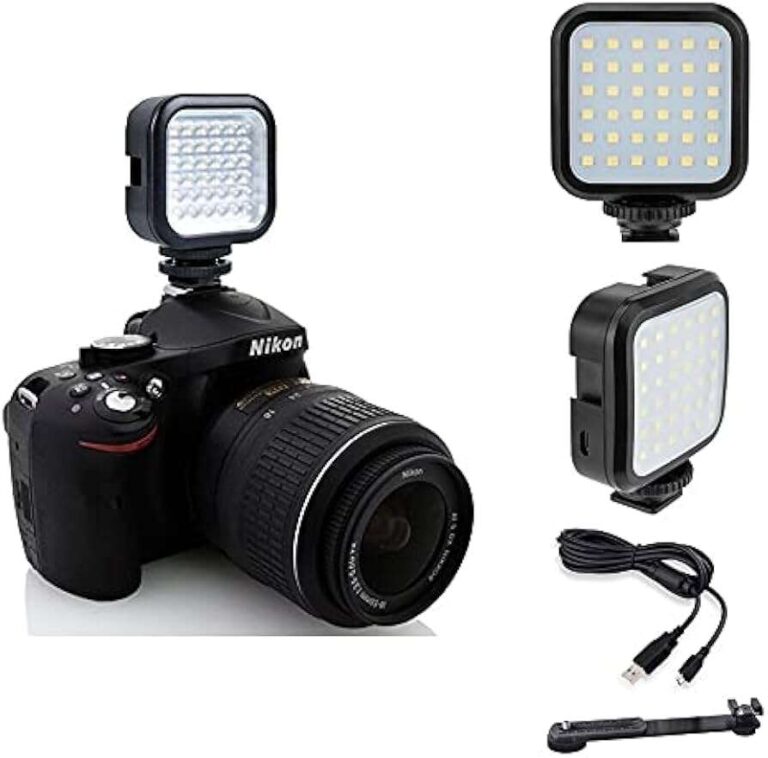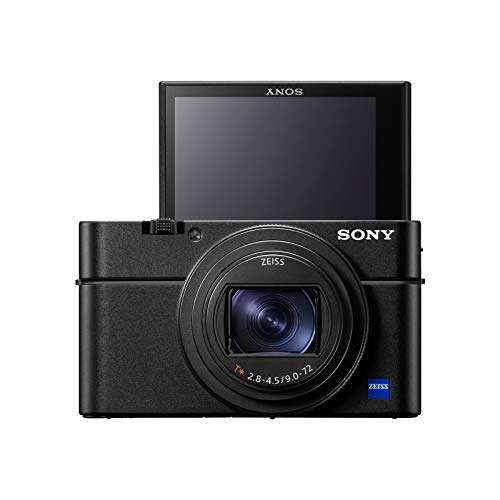
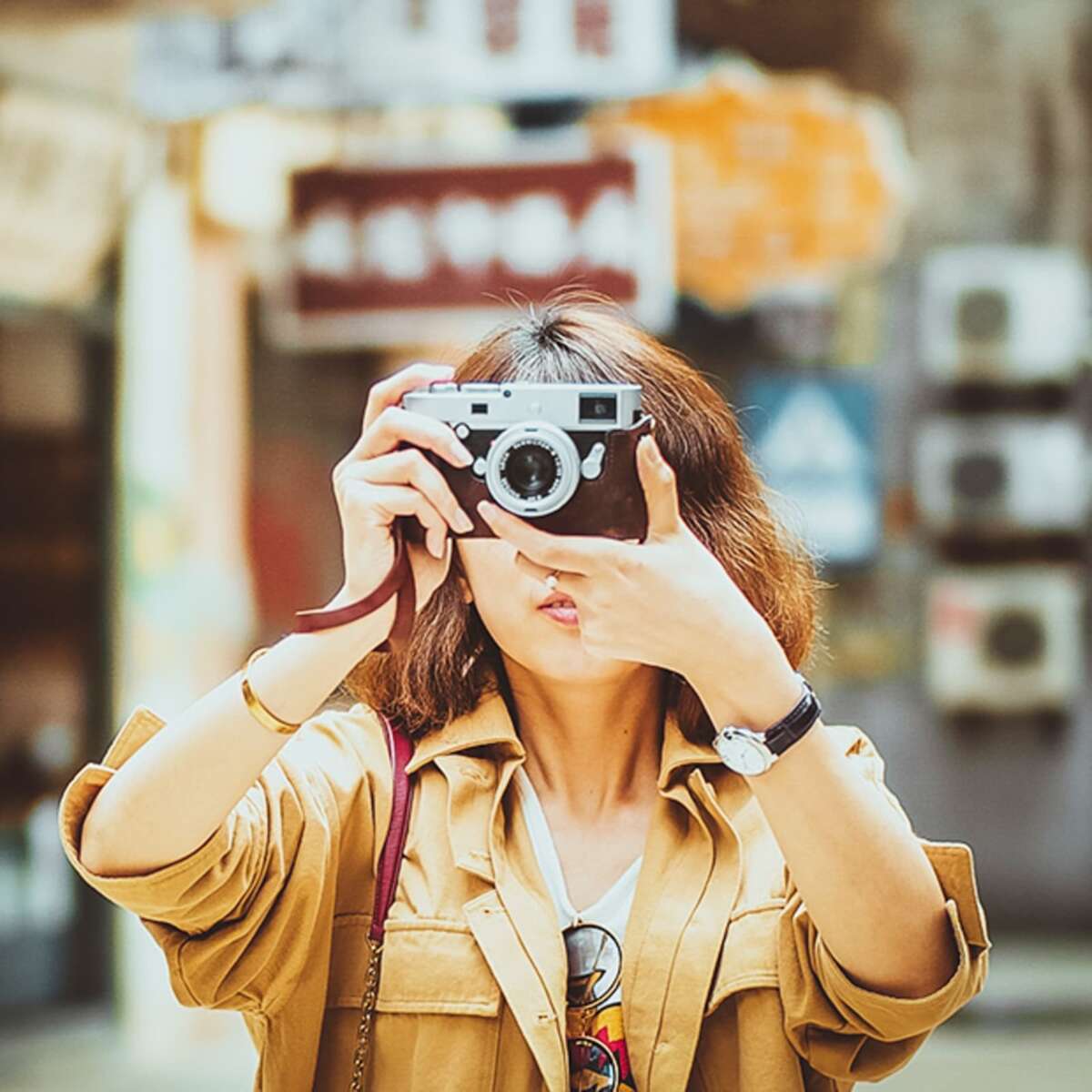
Yes, you can bring a camera on the plane, and carry-on storage is usually the safest choice.
For most travelers, bringing a camera on a plane is simple. You can normally pack a camera body, lenses, memory cards, and accessories in your carry-on bag. The main rules involve lithium batteries, camera bags, tripods, film, and whether you plan to check your equipment. This guide explains the current safety rules, airport screening process, and practical ways to protect your gear from damage or loss.

Can you bring a camera on the plane?
Yes, you can bring a camera on the plane in your carry-on bag or checked luggage. However, a carry-on bag is the better option for most cameras because it keeps fragile equipment with you and reduces the risk of theft, impact damage, or loss.
Airport security agencies generally allow digital cameras, DSLR cameras, mirrorless cameras, action cameras, and camcorders. You can also bring lenses, flashes, chargers, memory cards, and most small camera accessories.
When asking, “Can you bring a camera on the plane?” remember that the camera itself is rarely the problem. Batteries and unusual accessories usually receive more attention during screening.
Most airlines count a camera bag as part of your cabin baggage allowance. If the camera bag is your personal item, it may need to fit under the seat. A larger camera backpack may count as your carry-on bag instead.
Should you pack a camera in carry-on luggage or checked baggage?
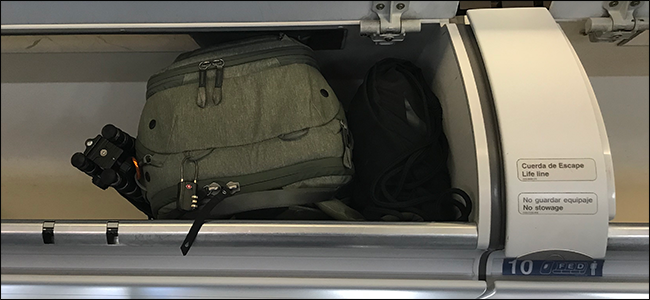
Carry-on luggage is the safest place for a camera. It lets you control how the equipment is handled and gives you quick access during security screening.
Checked bags pass through conveyor systems and may be placed under heavy luggage. Even a well-padded camera can suffer damage from drops, pressure, or rough handling. Checked baggage can also arrive late or go missing.
Pack expensive or delicate equipment in your carry-on whenever possible, including:
• Camera bodies
• Lenses
• External flashes
• Memory cards
• Portable hard drives
• Camera batteries
• Filters and small electronic accessories
You may place low-value items, such as an empty camera bag or basic tripod, in checked luggage. Still, check the airline’s baggage policy before packing. Some airlines have strict weight and size limits for both carry-on bags and personal items.
A useful rule is simple: if you would be upset to lose it, do not check it.

How to pack a camera for air travel
Good packing prevents most travel damage. Think of your camera bag as a small protective shell. Every item should have a fixed place, and nothing should move freely inside the bag.
Follow these steps:
- Remove the camera battery if you will store the camera for a long time.
- Place a body cap on the camera when no lens is attached.
- Add front and rear caps to every lens.
- Wrap small accessories in soft pouches.
- Use padded dividers between the camera body and lenses.
- Keep memory cards in a hard case.
- Place batteries in a battery case or protective sleeve.
- Put the camera bag under the seat or in the overhead bin where it will not be crushed.
- Keep your camera bag closed during boarding and landing.
Do not pack a loose camera battery next to coins, keys, or other metal objects. A battery can short-circuit if its contacts touch metal. This is why spare lithium batteries should have their terminals protected.
If you carry a camera backpack, avoid overpacking it. A bag that barely closes can place pressure on lenses, screens, and camera mounts.
Can you bring camera batteries on a plane?
Yes, you can usually bring camera batteries on a plane. Spare lithium-ion batteries must generally go in your carry-on baggage, not checked luggage.
This rule applies to many common camera batteries, including batteries for DSLR, mirrorless, action, and video cameras. The battery installed inside a camera may be allowed in checked baggage, but carrying the camera and battery in the cabin is safer and more convenient.
Protect spare batteries by:
• Keeping them in the original retail package
• Using a plastic battery case
• Covering the terminals with electrical tape
• Placing each battery in a separate pouch
• Avoiding loose batteries in pockets or open compartments
Airlines and aviation authorities often use watt-hour ratings to limit larger lithium batteries. Most standard camera batteries are below the common 100 watt-hour limit, but professional video batteries may be larger.
If a battery is swollen, cracked, leaking, unusually hot, or damaged, do not take it on a plane. Contact the manufacturer or a local battery recycling service for safe disposal.
Rules can vary by airline and country. Check your airline’s battery policy before travel, especially when carrying professional cinema batteries, battery grips, or several spare packs.
What happens to a camera at airport security?
At airport security, you may need to remove your camera from your bag. Security officers may ask you to place it in a separate tray so the equipment is easier to inspect.
The exact process depends on the airport, screening lane, and scanning equipment. Some newer scanners allow travelers to leave electronics inside their bags. Other airports still require cameras and larger electronic devices to be removed.
To make screening easier:
• Keep the camera near the top of your bag
• Separate loose batteries and chargers
• Remove the camera from a tight protective case if requested
• Follow the officer’s instructions
• Do not argue if additional screening is needed
A camera may receive a visual inspection or swab test. This does not mean it is prohibited. Security officers may simply need to confirm what the device is.
Do not hand your camera to another traveler during screening. Keep track of your body, lenses, bag, and accessories as they move through the checkpoint.
Can you bring a camera tripod on the plane?
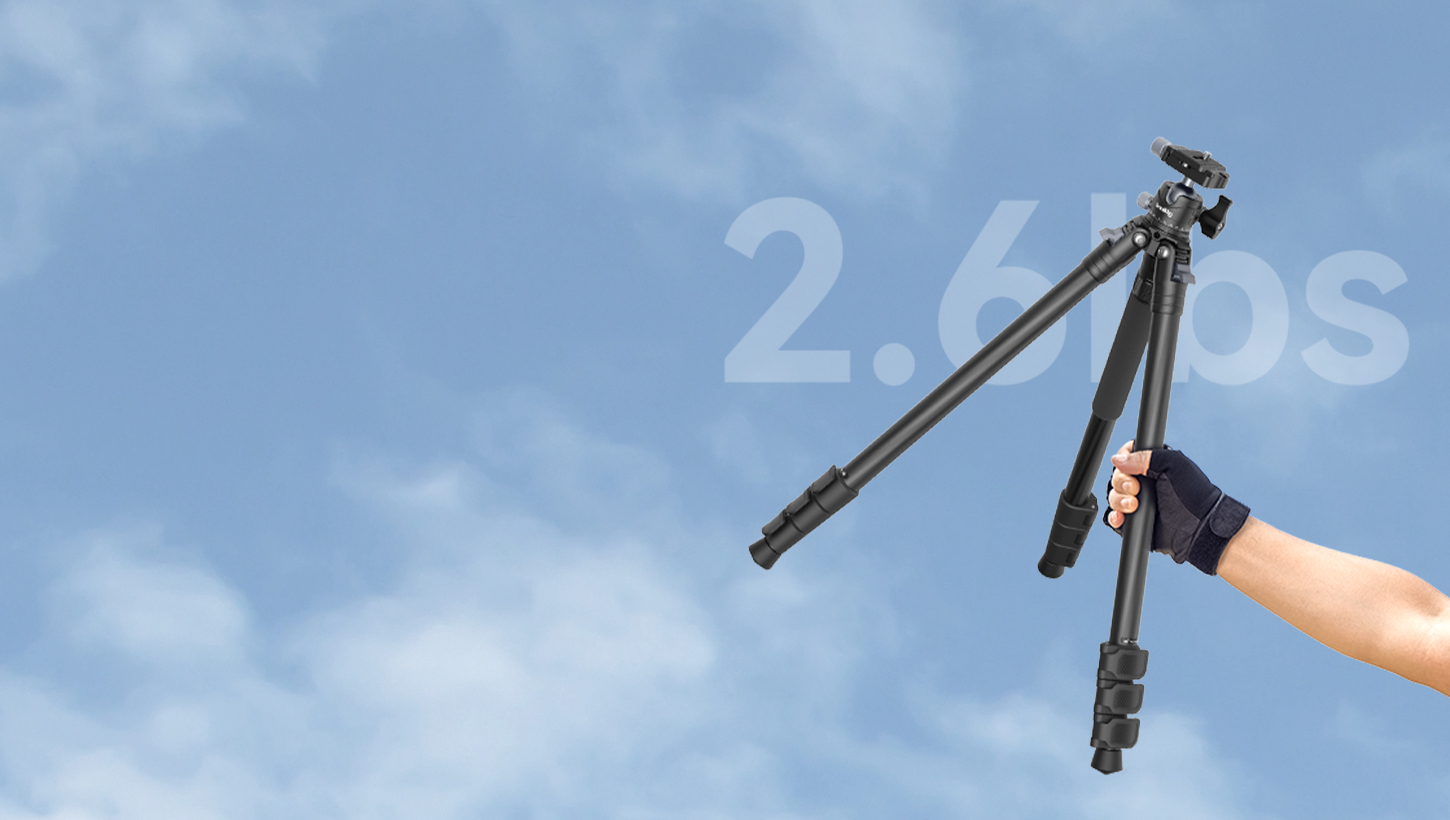
You can often bring a small tripod on a plane, but the final decision depends on its size, design, airline policy, and the airport security officer.
A compact travel tripod may fit inside a carry-on bag. A larger tripod may need to go in checked baggage because it can exceed cabin baggage size limits. Tripod legs, metal spikes, and unusual mounting parts may receive extra screening.
Before flying, consider these options:
• Pack a small tripod inside your carry-on
• Put a full-size tripod in checked baggage
• Remove sharp spikes or pointed feet
• Check the tripod’s folded length
• Confirm the airline’s cabin baggage rules
A monopod, selfie stick, or large stabilizer may also face separate restrictions. Some airlines treat long camera supports as oversized items, even when security rules allow them.
Security approval does not guarantee airline approval. Airport screening and airline baggage rules are separate systems.

Can you bring a camera lens on the plane?
Yes, you can bring camera lenses on the plane. Lenses are normally allowed in both carry-on and checked baggage, but carry-on storage provides much better protection.
Place each lens in a padded pouch. Keep lens caps attached and avoid placing heavy items on top of the lens. If you use a camera backpack, put the largest lens close to the center of the bag, where it has more protection.
Professional lenses can be heavy and expensive. Keep receipts, serial numbers, and insurance details available when traveling with valuable equipment. Taking clear photos of your gear before the trip can also help with an insurance claim.
Avoid exposing camera lenses to sudden temperature changes when possible. Moving from a cold airplane cabin into warm, humid air can cause condensation. Keep the lens inside a closed bag until it gradually reaches room temperature.
Can you bring film cameras and photographic film on a plane?
Yes, film cameras are generally allowed on planes. Unused photographic film requires more care because some airport screening equipment can damage unprocessed film.
Ask security staff for a hand inspection of your film if you are concerned about exposure. Keep the film in a clear plastic bag and do not place it in checked baggage, where stronger screening equipment may be used.
This advice is especially important for:
• High-speed film
• Professional film
• Unprocessed rolls
• Instant film
• Motion picture film
Film rules and screening equipment can differ between airports. A hand inspection may not always be available, so contact the airport or airline before departure if the film is valuable.
Digital cameras do not have this film exposure issue. Their memory cards and digital files are not affected by standard airport X-ray screening.

Can you use a camera during a flight?
You may be able to use a camera during a flight, but you must follow the crew’s instructions. Airlines usually allow small electronic devices during much of the flight, especially when the device is in airplane mode or has wireless functions turned off.
During takeoff and landing, the crew may ask you to stow the camera. A large camera, tripod, or stabilizer can become a dangerous object during sudden movement.
Always follow these practices:
• Ask before photographing crew members or other passengers
• Avoid using a bright flash near people
• Do not block the aisle
• Keep straps and tripods away from emergency paths
• Turn off wireless connections when instructed
• Store the camera during turbulence
Respect privacy. Photographing another passenger without permission can create conflict, and some destinations have strict rules about photography in airports or public buildings.
International camera travel rules
The answer to “Can you bring a camera on the plane?” is usually yes worldwide, but customs rules can differ from security rules.
At an international destination, customs officers may ask whether your equipment is for personal use or commercial work. A traveler carrying several identical cameras, many lenses, or professional production equipment may need to provide more information.
Before international travel:
- Make a list of your camera equipment.
- Record serial numbers.
- Keep proof of purchase or ownership.
- Check temporary import rules for professional gear.
- Review photography restrictions at your destination.
- Confirm battery rules for every airline on your itinerary.
Some countries restrict photography near military sites, airports, government buildings, bridges, or religious locations. A camera may be legal to carry but illegal to use in certain places.
If you cross several borders, do not assume that the rules of your departure country apply everywhere. Check official customs and aviation guidance for each destination.
Common camera travel mistakes to avoid
Small mistakes can cause major problems during air travel. The most common issue is putting every camera item into one large, unorganized bag.
Avoid these mistakes:
• Checking expensive camera bodies or lenses
• Packing loose batteries without protection
• Forgetting memory cards at home
• Leaving the camera switched on in the bag
• Packing a tripod without checking its size
• Carrying damaged or swollen batteries
• Ignoring the airline’s carry-on weight limit
• Failing to back up photos before the trip
• Using a camera in a restricted area
• Leaving gear unattended at the security checkpoint
One practical lesson is to prepare for delays. Carry a charged battery, a spare memory card, and a charging cable in your personal item. If your checked luggage is delayed, you can still photograph your trip.
Back up photos each day when possible. A camera can survive a flight, but losing irreplaceable images is much harder to fix.
A simple camera travel checklist
Use this checklist before leaving for the airport:
• Camera body
• Lens or lenses
• Body cap and lens caps
• Charged batteries
• Protected spare batteries
• Battery charger
• Memory cards
• Memory card case
• Camera strap
• Cleaning cloth
• Travel adapter
• Padded camera bag
• Tripod, if allowed and needed
• Backup storage or cloud access
• Copies of receipts and serial numbers
Keep the most valuable items in your personal item rather than a large overhead bag. That way, you can keep them close even if the airline asks you to gate-check your carry-on.
Arrive early if you have expensive or unusual equipment. Extra time makes security screening less stressful and gives you time to reorganize your bag before boarding.
Frequently Asked Questions About Can You Bring a Camera on the Plane
Can I bring a DSLR camera on a plane?
Yes, you can bring a DSLR camera on a plane. Carry it in your personal item or carry-on bag, and keep spare lithium batteries protected in the cabin.
Can I bring a camera in my checked luggage?
You can often place a camera in checked luggage, but it is not recommended for expensive or fragile gear. Carry-on storage protects the camera from rough handling, loss, and theft.
Do I need to take my camera out of my bag at security?
You may need to remove your camera from your bag, depending on the airport and screening equipment. Keep it easy to reach and follow the security officer’s instructions.
Can I bring camera batteries in checked baggage?
Spare lithium camera batteries generally must travel in carry-on baggage. Protect each battery from short circuits by using a case, package, or terminal cover.
Can I bring a camera tripod on an airplane?
A small tripod may fit in your carry-on, while a full-size tripod may need to go in checked baggage. Check both airport security rules and your airline’s size limits before traveling.
Can I bring film through airport security?
Yes, but unprocessed film may be affected by some screening equipment. Ask whether a hand inspection is available and keep film in your carry-on instead of checked luggage.
Can I use my camera during the flight?
You can usually use a camera when the crew allows personal electronic devices. Follow instructions during takeoff, landing, turbulence, and any part of the flight when the crew asks you to stow it.
Conclusion
You can bring a camera on the plane, and carrying it in your cabin bag is usually the safest choice. Protect spare batteries, keep delicate equipment padded, make your camera easy to remove at security, and check your airline’s rules for tripods and oversized gear.
A little planning keeps your equipment safe and your airport experience calm. Pack your camera like valuable cargo, back up your photos, and review the latest airline and airport guidance before you leave.

Everett Ashford is a tech reviewer at mytechgrid.com specializing in SSDs, cameras, TVs, earbuds, headphones, and other consumer electronics. He provides honest, data-driven reviews based on hands-on testing and real-world performance analysis. Everett simplifies complex tech details to help readers make smart, confident buying decisions.