Load film by opening the back, inserting the canister, and winding the leader onto the take-up spool.
I have loaded hundreds of rolls of film across decades of shooting and teaching. This guide explains exactly how to put film in a camera, step by step, for 35mm SLRs, point-and-shoots, and medium format cameras. You will get clear steps, common mistakes to avoid, and real tips from hands-on experience to help you load film confidently and protect your shots.

What is film and which camera types matter for loading
Film is a light-sensitive strip or sheet that captures images inside a camera. Film comes in formats like 35mm, 120 (medium format), and sheet film. Each format needs a slightly different method to load.
Different cameras take film in different ways. SLRs and rangefinders usually use 35mm canisters and a take-up spool. Point-and-shoots often use drop-in 35mm loading. Medium format cameras use 120 or 220 rolls that require lining up a paper leader. Knowing your camera type is the first step to learning how to put film in a camera.

Tools and materials you will need before loading film
Prepare these items to make the process smooth.
- A fresh roll of film appropriate for your camera format.
- Clean, dry hands or nitrile gloves to avoid fingerprints.
- A flat, shaded workspace to reduce light exposure risk.
- A camera manual or quick reference for your specific model.
- A dark bag or changing bag if you must load film in daylight.
Check the film expiration date. Old film can lose sensitivity. Keep film in its sealed canister or box until you load it. This saves mistakes when learning how to put film in a camera.
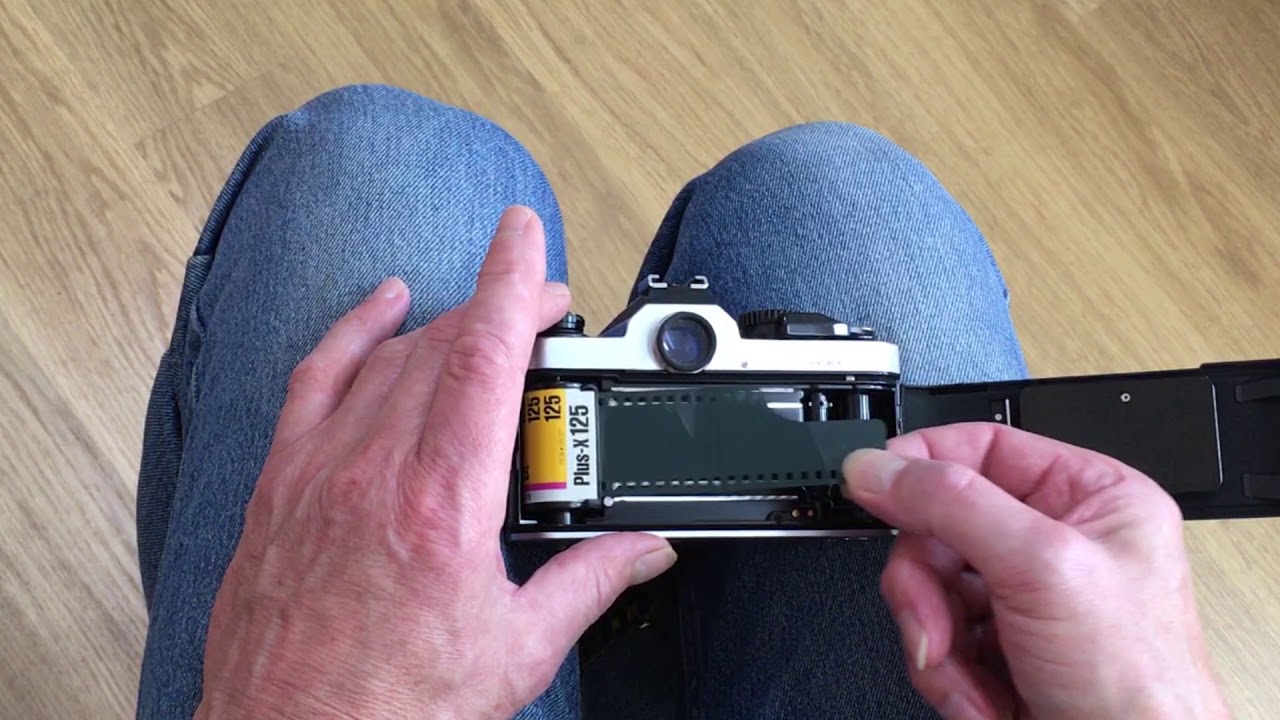
How to put film in a camera: step-by-step for 35mm SLRs and rangefinders
Follow these simple steps to load 35mm film into most SLRs and rangefinders.
- Open the camera back.
- Remove the new film from its box and peel off the canister seal.
- Place the film canister into the film chamber on the left side.
- Pull the film leader across to the right. Keep it flat and not twisted.
- Insert the leader into the take-up spool slot or align it over the spool teeth.
- Make sure the film sits in the guide rails and aligns with sprocket holes.
- Close the camera back and latch it securely.
- Advance the film and fire the shutter until the frame counter shows 1.
- Check that the rewind knob or film advance window turns when advancing. This confirms the film is moving.
If the camera has an automatic advance, power on the camera and let it wind to frame one. Practice these steps a few times and you will be comfortable with how to put film in a camera quickly.

How to put film in a camera: step-by-step for point-and-shoot and disposable cameras
Point-and-shoot and disposable cameras use a simpler method but still need care.
- Open the back by sliding the latch or pressing the release.
- Drop the film canister into its chamber.
- Pull the film leader across to the take-up spool area.
- Hook or tuck the leader into the slot or groove provided.
- Close the back until it clicks.
- Advance the film according to the camera instructions until it reaches the first frame.
Many point-and-shoots have a fixed take-up mechanism that engages automatically. Practice loading at home to avoid exposing a roll by mistake when learning how to put film in a camera.

How to put film in a camera: loading medium format (120) film
Medium format rolls need careful alignment and are slightly different to load.
- Open the back or remove the back assembly depending on the camera.
- Place the new 120 roll into the supply side chamber.
- Thread the paper leader across to the empty take-up spool.
- Wind the take-up spool until the leader catches and aligns with the marked start line on the backing paper.
- Replace the back and advance until the frame counter or red window shows frame 1.
- Confirm the roll advances by winding the film advance knob and counting clicks.
Medium format requires attention to the backing paper and frame markings. This difference is key when learning how to put film in a camera for larger formats.

Tips, common mistakes, and troubleshooting
I learned these tips from long hours in the darkroom and field shoots. They save film and time.
- Always load film with clean, dry hands to avoid smudges and moisture.
- Avoid bright sunlight when the camera back is open. A shaded spot or a changing bag works well.
- If the film doesn’t advance, reopen the back in dim light and check the leader alignment.
- Don’t force the film canister. If it won’t seat, check for obstructions or a misaligned spool.
- Remember to rewind the roll before opening the back for development. For cameras without auto rewind, use the rewind knob.
Common mistakes include shallow insertion of the leader, skipping sprocket holes, and forgetting to advance to frame one. These errors are how I ruined my first roll. After that, I always check for tension on the take-up spool as a quick test.

People also ask
How long does it take to learn how to put film in a camera?
It takes a few tries to feel confident. Most people learn the basic steps in under an hour of practice.
Will film get ruined if I open the back briefly?
A quick open in dim light is usually safe for already wound film, but avoid opening in bright sunlight to prevent light leaks.
How do I know the film is advancing?
Watch the rewind knob or film advance indicator. If it turns when you advance frames, the film is moving.

Film care, storage, and using loaded film
Good storage extends film life and ensures reliable results.
- Store unused film in a cool, dry place, ideally in the refrigerator for long-term storage.
- Keep loaded cameras away from extreme heat and moisture.
- If you load film and won’t shoot it soon, leave the camera in a cool place to avoid fogging.
- Note ISO on your roll and on the camera if it does not auto-sense. This helps meter correctly.
I once shot a wedding on a roll that had been stored in a hot car. The negatives showed fogging. Since then, I always store film properly and label any loaded camera that is not being used immediately.

Common limitations and when to seek professional help
Film loading is simple but not without limits.
- Very old cameras may have brittle curtains or worn spools that break film.
- Damaged take-up spools can slip and cause frame overlap or wasted film.
- If you consistently get light leaks after loading, a camera service tech should check seals.
If you are unsure about a vintage camera, get a professional inspection before loading many rolls. This avoids wasted film and disappointment.
Frequently Asked Questions of how to put film in a camera
How do I know if the film is loaded correctly?
You can tell if film is loaded correctly when the rewind knob or film advance lever moves as you advance frames. Also check that sprocket holes line up with the camera’s sprocket teeth.
What do I do if the film leader tears?
If the leader tears, reinsert it into the take-up spool if possible. If you cannot secure it, rewind the roll and transfer the film in a dark bag or at a lab.
Can I load film in bright light?
Avoid bright light when loading film. Use a shaded area or a changing bag to protect the film from accidental exposure.
How many frames do I lose when loading film?
Most cameras need one to two wasted frames to reach frame one. Advance until your camera’s frame counter reads 1 before you start shooting.
Should I use a changing bag to load film?
A changing bag is a safe choice if you must load or unload film in bright conditions. It prevents light leaks and protects your negatives.
Conclusion
Learning how to put film in a camera is a small skill that pays big rewards. Follow the clear steps for your camera type, take care with the leader and spool, and use simple checks to confirm the film advances. Practice a few times and you will gain speed and confidence.
Try loading a practice roll at home. When you feel ready, shoot a full roll and develop it to see your progress. If this guide helped, leave a comment, subscribe for more film tips, or share a photo of your first successful roll.

Jamie Lee is a seasoned tech analyst and writer at MyTechGrid.com, known for making the rapidly evolving world of technology accessible to all. Jamie’s work focuses on emerging technologies, product deep-dives, and industry trends—translating complex concepts into engaging, easy-to-understand content. When not researching the latest breakthroughs, Jamie enjoys exploring new tools, testing gadgets, and helping readers navigate the digital world with confidence.