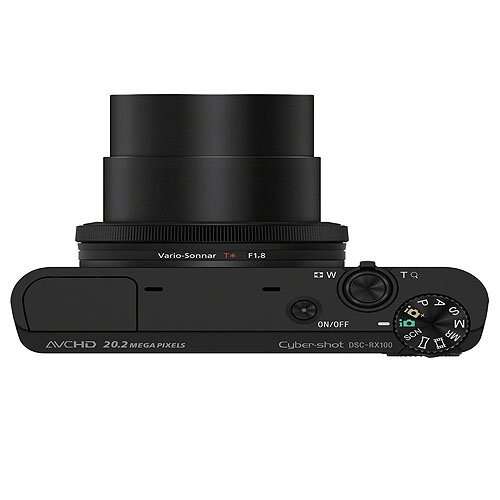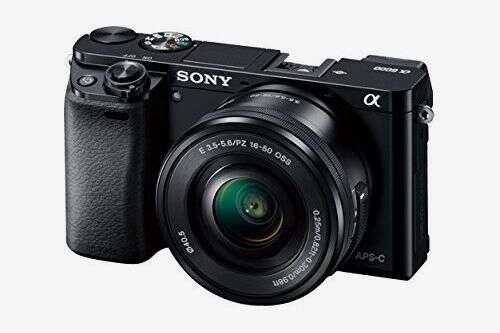
The best digicam for most people is the Sony RX100 VII, thanks to its small size, sharp images, and strong zoom.
Finding what is the best digicam depends on how you shoot. A travel photographer may want a long zoom, while a street shooter may prefer a simple camera with a fixed lens. This guide compares the best modern compact cameras and popular retro digicams, so you can choose with confidence.
What Is a Digicam?
A digicam is a small digital camera that saves photos to a memory card instead of film. The word often refers to compact point-and-shoot cameras, but it can also describe older digital cameras from the 2000s.
Today, people use “digicam” in two ways:
• A modern compact digital camera with advanced features
• An older digital point-and-shoot camera with a simple, nostalgic look
Modern cameras usually offer better detail, autofocus, video, and low-light performance. Older digicams often create softer colors, stronger flash, and a distinct early-digital style.
When people ask what is the best digicam, they may mean the best camera for image quality. Others may want the best camera for a retro look. These are not always the same thing.

What Is the Best Digicam Overall?
For most buyers, the Sony Cyber-shot RX100 VII is the best all-around digicam. It has a one-inch sensor, a 24–200mm equivalent zoom lens, fast autofocus, and a pocket-friendly body.
Its large zoom range makes it useful for travel, family photos, street scenes, and daily snapshots. The camera also records 4K video and includes a pop-up electronic viewfinder.
The main drawback is its price. It costs much more than basic point-and-shoot cameras, and its small controls can feel cramped. Still, its mix of size, speed, zoom, and image quality is hard to beat.
If you want to know what is the best digicam for most people, the RX100 VII is the safest single answer.
Best Digicams for Different Types of Photographers
The best digicam changes based on your needs. A camera that works well for a travel blogger may not suit someone who wants a simple flash camera for parties.
Best for image quality: Ricoh GR III
The Ricoh GR III is one of the strongest choices for street photography. Its APS-C sensor is much larger than the sensors in most pocket cameras, so it captures more detail and handles low light better.
The fixed 28mm equivalent lens suits city scenes, travel, food, and everyday life. The GR IIIx uses a 40mm equivalent lens, which gives a more natural view for portraits and close street work.
This camera has no optical zoom. That limitation is part of its charm, but it means you must move your feet to change the frame.
Best for travel zoom: Panasonic Lumix ZS200
The Panasonic Lumix ZS200, also called the TZ200 in some regions, is a strong travel choice. Its 15x optical zoom reaches from wide scenes to distant subjects.
It also has a one-inch sensor, manual controls, image stabilization, and 4K video. It is not as bright or as fast as the Sony RX100 VII, but its long zoom makes it more flexible on trips.
This is a good answer to what is the best digicam for travel if you value reach over maximum autofocus speed.
Best for rugged use: OM System Tough TG-7
The OM System Tough TG-7 is made for outdoor use. It is waterproof, shockproof, crushproof, and freezeproof within its rated limits.
Its image quality is not equal to the Ricoh GR III or Sony RX100 VII. However, it can survive beach trips, hikes, rain, snow, and underwater photos.
It is the best digicam for people who would rather protect the camera than handle it gently.
Best for a simple modern experience: Canon PowerShot G7 X Mark III
The Canon PowerShot G7 X Mark III has a bright lens, a one-inch sensor, and a compact design. Its 24–100mm equivalent lens works well for portraits, food, travel, and indoor photos.
The bright lens helps in dim rooms and evening scenes. The camera is also popular with vloggers because of its small body and useful video features.
Availability and pricing can vary. Check the camera’s current condition, warranty, and seller reputation before buying.
Best for a premium fixed-lens experience: Fujifilm X100VI
The Fujifilm X100VI is not a pocket point-and-shoot in the same way as the RX100 series. It is larger, more expensive, and built around a fixed 35mm equivalent lens.
Its APS-C sensor, hybrid viewfinder, film simulations, and classic controls make it special. It is a wonderful choice for people who enjoy the process of taking photos, not just carrying a small camera.
For many users, the X100VI is the best digicam when style, image quality, and hands-on control matter most.

Best Retro Digicam for a Vintage Look
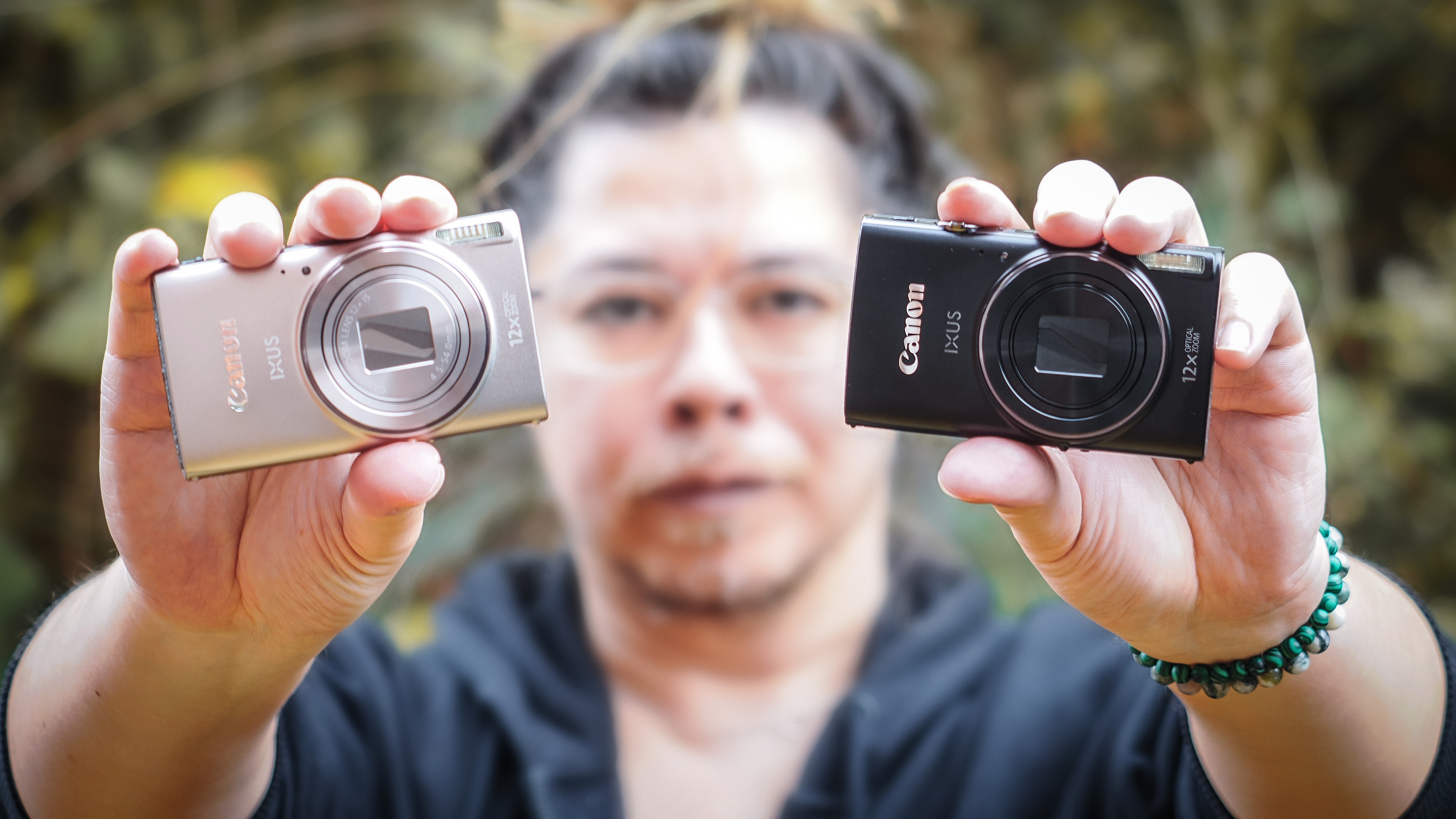
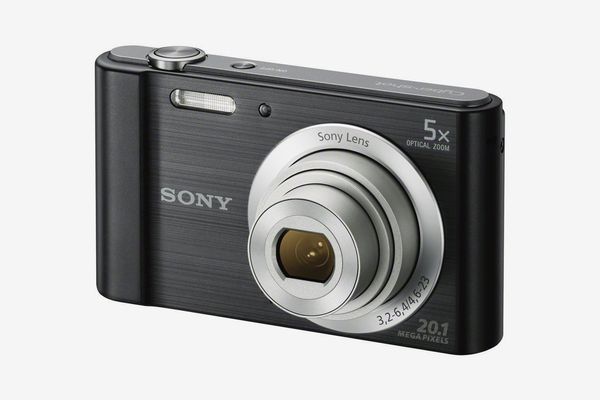
If you want the early-2000s digicam look, buying a used older camera may be more satisfying than buying a new model. Popular examples include older Canon PowerShot, Sony Cyber-shot, Nikon Coolpix, and Fujifilm FinePix cameras.
These cameras often have:
• Small CCD sensors
• Built-in flashes
• Lower image resolution
• Strong color shifts
• Simple menus
• Slower autofocus
Their flaws create the style many people now enjoy. A direct flash can make a night photo feel lively and raw. Harsh highlights and soft detail can also give images a nostalgic mood.
The best digicam for a retro look is not always the most expensive model. A clean, working camera with a good flash may produce better results than a rare camera with a weak battery and damaged lens.
When buying used, inspect the following parts:
• Lens movement and zoom operation
• Flash operation
• Battery door and memory card slot
• LCD screen
• Image sensor for dust or dead pixels
• USB or charging connection
• Corrosion around the battery compartment
Used batteries are often unreliable. A replacement battery and a compatible memory card should be part of your budget.
Modern Digicam vs. Retro Digicam
Modern and older digicams serve different goals. One is designed for performance, while the other is valued for character.
| Feature | Modern digicam | Retro digicam |
|---|---|---|
| Image detail | Usually high | Usually lower |
| Autofocus | Faster | Often slower |
| Low-light quality | Better | Often noisy |
| Flash style | More controlled | More direct and harsh |
| Video | Usually advanced | Often basic |
| Battery support | Easier to find | Can be difficult |
| Design | More refined | More nostalgic |
| Price | Often higher | Can be cheap or expensive |
A modern camera is the better tool for important trips, family events, and paid work. A retro camera is often better for fun, casual photos, and a distinctive visual style.
There is no universal answer to what is the best digicam. The right choice depends on whether you want reliable results or a special mood.
How to Choose the Best Digicam
Choosing a camera becomes easier when you focus on real use instead of a long specification list.
Consider sensor size
A larger sensor usually captures more light and detail. It can also create a softer background behind a subject.
Common sensor types include:
• 1/2.3-inch sensors in basic compact cameras
• One-inch sensors in advanced pocket cameras
• Micro Four Thirds sensors in larger interchangeable-lens cameras
• APS-C sensors in premium compact cameras
Sensor size is important, but it is not the only factor. Lens quality, image processing, autofocus, and your shooting habits also affect the final photo.
Check the lens range
A wide lens works well for buildings, landscapes, and group photos. A telephoto lens helps with sports, wildlife, concerts, and distant details.
A 24–70mm equivalent range is flexible for daily use. A 24–200mm range is better for travel. A fixed 28mm, 35mm, or 40mm lens can be excellent for street photography.
Think about low-light use
If you often shoot indoors, look for a bright lens with a low f-number. Optical image stabilization can also reduce blur from hand movement.
Remember that stabilization does not freeze a moving person. It helps with camera shake, not subject movement.
Review autofocus performance
Fast autofocus matters for children, pets, street scenes, and events. Face and eye detection can make a major difference.
Older digicams may hunt for focus or miss moving subjects. That can be part of the fun, but it can also cause frustration when the moment matters.
Look at controls and comfort
A camera should feel easy to use. Buttons that are too small, a poor grip, or a confusing menu can make you leave it at home.
Try to hold the camera before buying when possible. The best digicam is the one you will actually carry and use.

Digicam Features That Matter Most
Camera brands often highlight long feature lists. In real use, only a few features usually matter every day.
Optical zoom
Optical zoom changes the lens view without reducing image quality. Digital zoom crops the image and often lowers detail.
When comparing cameras, focus on optical zoom. A camera with a clean 100mm equivalent lens can be more useful than one with an exaggerated digital zoom claim.
Image stabilization
Optical or sensor-shift stabilization helps you take sharper photos at slower shutter speeds. It is especially useful in museums, restaurants, and evening streets.
Stabilization cannot replace a tripod in every situation. It also cannot stop a moving subject from becoming blurry.
RAW capture
RAW files keep more editing information than JPEG files. They are useful if you plan to adjust exposure, color, or highlights later.
JPEG is simpler and faster to share. For casual photos, a good JPEG setting may be all you need.
Flash
A built-in flash can be useful in dark rooms and at night. Direct flash also creates the classic retro digicam style.
Do not assume flash is only for emergencies. Used from close range, it can give a photo a clear subject and strong atmosphere.
Battery life
Small cameras often have small batteries. Carrying one spare battery can prevent a missed moment.
If you buy a used digicam, test the battery before a trip. Older batteries may show a full charge but lose power quickly.
Common Digicam Mistakes to Avoid
Many buyers focus on megapixels and ignore the features that affect daily use. A few simple checks can save money and frustration.
• Do not buy only because a camera is trendy. Check its working condition first.
• Do not confuse digital zoom with optical zoom.
• Do not assume more megapixels always mean better photos.
• Do not ignore the cost of batteries, chargers, and memory cards.
• Do not expect a tiny sensor to match a full-size mirrorless camera in low light.
• Do not buy a rare used camera without checking for repair support.
• Do not forget to test the flash, lens, buttons, and card slot.
One lesson worth remembering is that a camera’s specifications do not create the photograph by themselves. A camera that fits in your pocket can be more valuable than a powerful camera left at home.
Practical Tips for Better Digicam Photos
Good results often come from simple habits rather than complex settings.
Use light from the side
Side light adds shape and texture. Front light is flatter, but it can make faces clear. Backlight can create a bright, dramatic outline.
Watch the background as well. A clean background can improve an average photo more than an expensive lens.
Get closer
Compact cameras are often strongest when the subject fills the frame. Step closer instead of relying on heavy digital zoom.
For portraits, leave enough space around the head and shoulders. Avoid placing every subject directly in the center.
Use flash on purpose
Try flash outdoors in strong daylight. It can brighten a face under a hat or reduce deep shadows.
At night, keep the subject within the flash range. A flash cannot light a distant building across the street.
Keep the lens clean
A small fingerprint can make photos look hazy. Carry a soft microfiber cloth and clean the lens before important shoots.
This is a small habit, but it can make a large difference.
Back up your photos
Copy photos to a computer or cloud service after each trip. Memory cards can fail, and cameras can be lost.
For older digicams, use a card reader if the camera’s USB connection is slow or unreliable.
Is an Old Digicam Worth Buying?
An old digicam can be worth buying if you understand its limits. It may offer a unique look, low cost, and a fun shooting experience.
However, old cameras can have hidden problems. Batteries may be weak, LCD screens may fade, and proprietary cables may be hard to replace.
Before buying, ask the seller:
• Does the camera turn on?
• Does the lens extend and retract correctly?
• Does the flash fire?
• Does it save and review photos?
• Is the battery included?
• Are there signs of water damage?
A used digicam should be treated like a used car. A clean body does not prove that every important part works.
The best digicam for a beginner may be a tested used model rather than an untested bargain. Paying slightly more for proof of operation can prevent a much larger headache.
Frequently Asked Questions About What Is the Best Digicam
What is the best digicam for beginners?
The Sony RX100 VII is an excellent beginner choice for people who want strong automatic modes and a flexible zoom. A tested Canon PowerShot or Panasonic Lumix model can be a better low-cost option.
What is the best digicam for a retro look?
A used CCD compact camera from the 2000s is usually the best choice for a retro look. Older Canon PowerShot, Sony Cyber-shot, Nikon Coolpix, and Fujifilm FinePix models are popular options.
Is a digicam better than a smartphone?
A digicam can offer optical zoom, a real flash, physical controls, and a different shooting experience. A smartphone is often better for quick sharing, computational photography, and convenience.
What is the best digicam for travel?
The Panasonic Lumix ZS200 is a strong travel choice because it combines a one-inch sensor with a long optical zoom. The Sony RX100 VII is better if you want faster autofocus and a smaller overall body.
Are old digicams still worth buying?
Yes, old digicams can be worth buying for their colors, flash style, and nostalgic feel. Check the battery, lens, flash, memory card slot, and screen before paying.
How many megapixels should a digicam have?
Most users do not need an extremely high megapixel count. A camera with 12 to 24 megapixels can produce detailed photos for social media, prints, and everyday use when paired with a good lens.
Conclusion
The best digicam depends on your shooting style, budget, and desired image look. Choose the Sony RX100 VII for the best balance, the Ricoh GR III for street photography, the Panasonic ZS200 for travel zoom, the OM System Tough TG-7 for outdoor use, or a tested older compact camera for retro character.
Think about the photos you take most often. Then choose the camera that feels easy to carry, simple to control, and enjoyable to use. Explore sample images, compare current prices, and share your favorite digicam choice in the comments.

Everett Ashford is a tech reviewer at mytechgrid.com specializing in SSDs, cameras, TVs, earbuds, headphones, and other consumer electronics. He provides honest, data-driven reviews based on hands-on testing and real-world performance analysis. Everett simplifies complex tech details to help readers make smart, confident buying decisions.