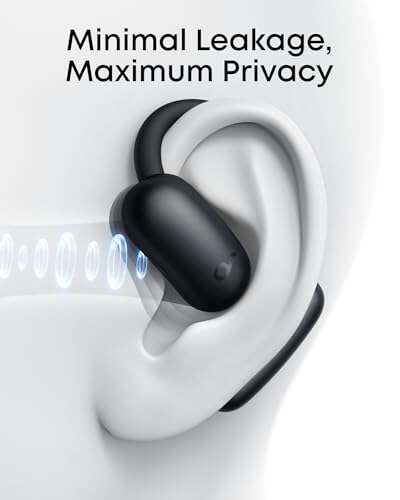
Wired headphones work by turning an electrical audio signal into tiny movements that create sound in your ears.
Understanding how does wired headphones work helps you choose better headphones, fix common faults, and get clearer sound from any device. The process is simple at its core, yet it combines electrical signals, magnets, coils, and precise speaker design. This guide explains each step in plain language, along with practical tips based on common headphone tests and real-world use.
How wired headphones work: the basic process
Wired headphones receive an audio signal through a cable. That signal comes from a phone, computer, music player, game console, or another audio source.
Inside each earcup or earbud is a small speaker called a driver. The driver changes the electrical signal into physical movement. That movement pushes air and creates the sound waves your ears detect.
Here is the process in simple steps:
- The audio source stores or receives music as digital data.
- A digital-to-analog converter changes that data into an analog electrical signal.
- The signal travels through the headphone cable.
- The headphone driver reacts to changes in the signal.
- The driver moves a thin diaphragm back and forth.
- The diaphragm creates pressure changes in the air.
- Your ears and brain interpret those pressure changes as sound.
This is the central answer to how does wired headphones work. The cable carries energy and information, while the driver acts like a very small loudspeaker.
A helpful comparison is a flashlight. The audio signal does not carry the song as a complete physical object. Instead, it varies over time, much like a flashlight whose brightness changes in a specific pattern. The driver follows that pattern and recreates the original sound.
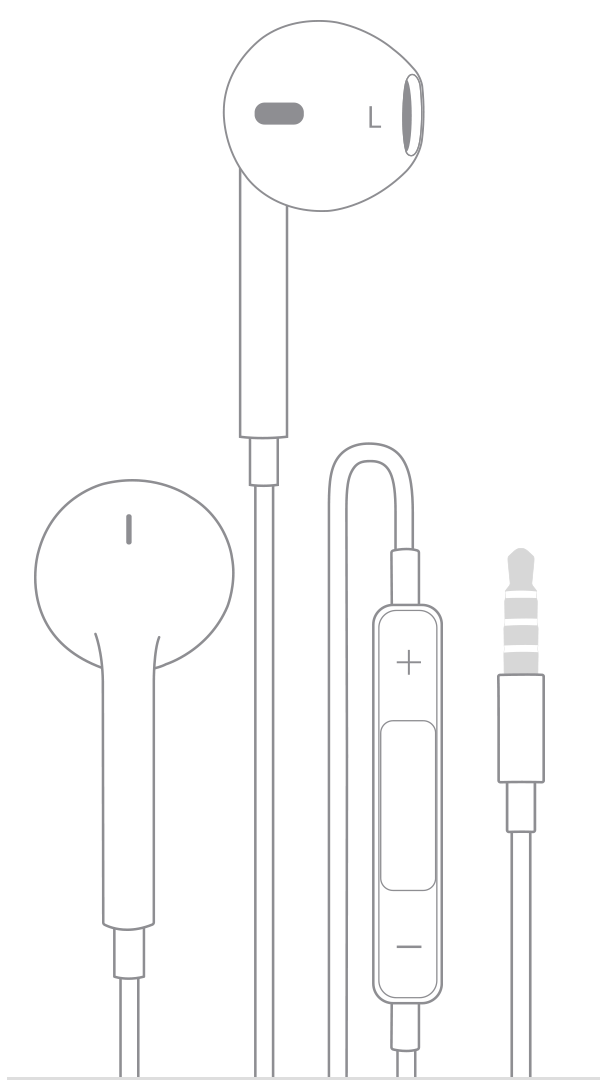
The main parts inside wired headphones
To understand how does wired headphones work in more detail, it helps to look at the key parts. Each part has a specific job, and a fault in one area can affect the entire listening experience.
The audio source
The audio source may be a smartphone, laptop, tablet, stereo receiver, or gaming device. It creates or sends the audio signal that the headphones need.
Most modern music begins as digital information. A digital-to-analog converter, or DAC, changes this information into a changing electrical voltage. Wired headphones usually need this analog signal to drive their speakers.
Some devices use a built-in headphone amplifier. Its job is to raise the signal to a level that can move the drivers properly.
The headphone plug
The plug connects the headphones to the audio output. Common plug sizes include:
• 3.5 mm: Common on computers, older phones, portable music players, and game controllers.
• 6.35 mm: Common on studio headphones, amplifiers, keyboards, and audio equipment.
• USB-C: Carries digital audio to headphones with built-in conversion and amplification.
A traditional 3.5 mm plug may have several metal sections. These sections carry the left channel, right channel, and ground connection.
A standard stereo plug often uses this layout:
• Tip: Left audio channel
• Ring: Right audio channel
• Sleeve: Ground or return path
Headsets with microphones may use a four-section TRRS plug. The extra section carries the microphone signal.
The cable
The cable contains thin wires that carry the audio signal. One wire usually serves the left channel, another serves the right channel, and a shared wire may act as ground.
The cable does not simply carry “sound.” It carries electrical changes that represent sound. Those changes can be very small, so poor connections, damaged wires, or electrical interference may create noise.
The driver
The driver is the part that produces sound. Most wired headphones use dynamic drivers because they are efficient, durable, and relatively affordable.
A dynamic driver commonly contains:
• A permanent magnet
• A voice coil
• A flexible diaphragm
• A suspension system
The voice coil sits near the magnet. When the audio signal flows through the coil, it creates a changing magnetic field. That field interacts with the permanent magnet and makes the coil move.
The coil is attached to the diaphragm. As the coil moves, the diaphragm moves too. This motion creates sound waves.
The diaphragm
The diaphragm is a thin material that moves the air. It may be made from plastic, coated paper, metal, or a specialty material.
When the diaphragm moves forward, it compresses the air in front of it. When it moves backward, it reduces air pressure. These changes form sound waves.
Low notes need slower, larger movements. High notes need faster, smaller movements. The driver must reproduce both patterns with as little distortion as possible.
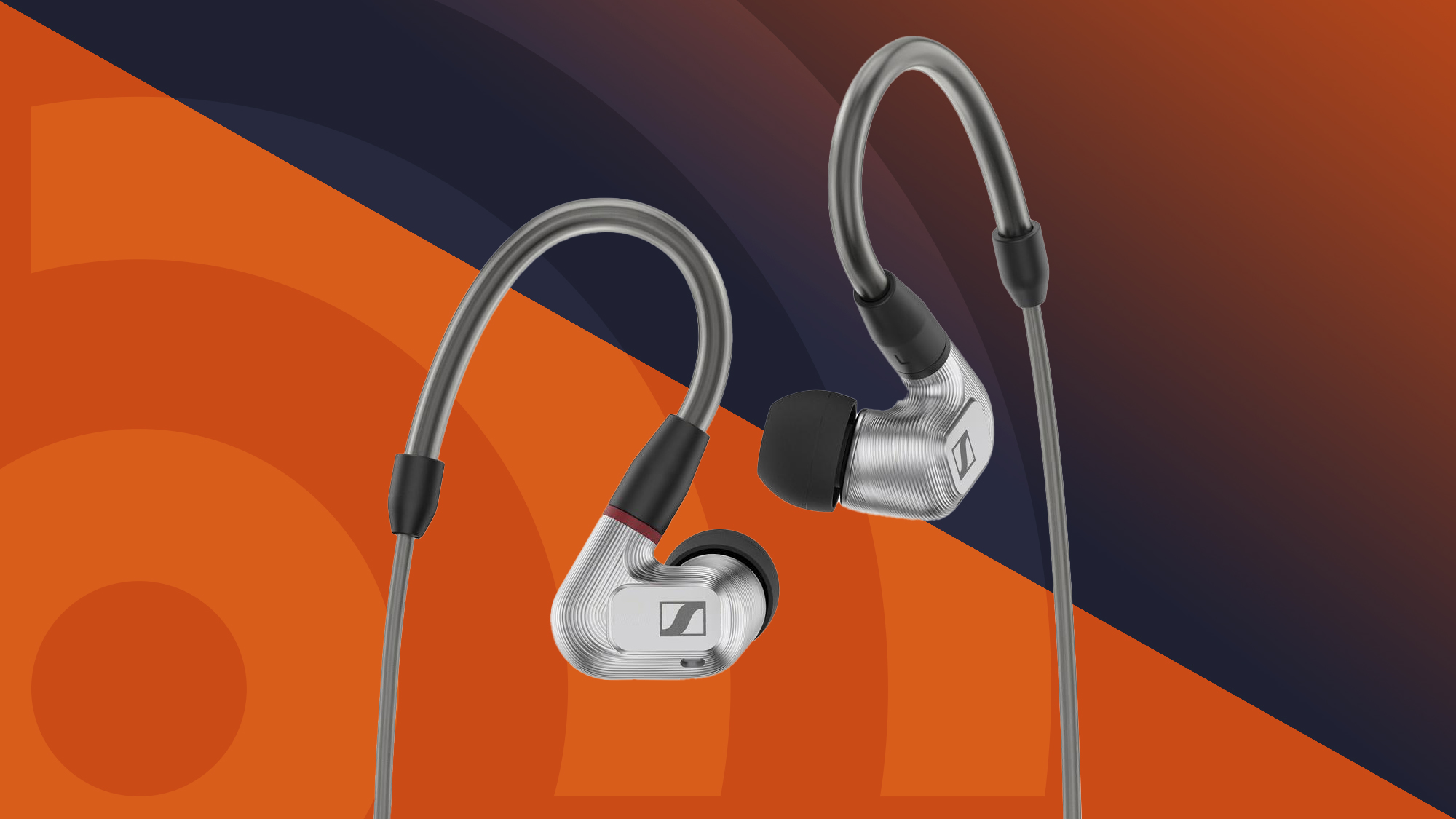
How a headphone driver creates sound
The driver is the heart of how does wired headphones work. It uses a basic electromagnetic effect to transform electricity into movement.
Imagine placing a wire inside a magnetic field. When electricity passes through that wire, the wire experiences a force. Reverse the direction of the electricity, and the force also reverses.
Audio signals constantly change direction and strength. The voice coil follows those changes. It moves forward and backward at the same pattern as the original audio waveform.
For example, a low bass note may cause the diaphragm to move 80 times per second. That represents an 80 Hz sound. A high treble note may cause thousands of movements per second.
The driver does not create the original instrument or voice. It recreates the pattern of pressure changes that the original sound produced. Your ears then process those changes.
Stereo sound
Most wired headphones have separate left and right drivers. Each driver receives its own audio channel.
A singer may appear centered because the same signal reaches both ears. A guitar may seem to come from the left because the left channel is stronger. This difference creates the stereo image.
If one channel stops working, the sound may seem thin or unbalanced. In many cases, the problem is not the driver. It may be a broken cable, dirty plug, or loose connection.
Frequency response
Frequency response describes the range of sound a headphone can reproduce. Human hearing is often described as roughly 20 Hz to 20,000 Hz, although the actual range varies by age and person.
Headphones may emphasize certain areas of this range:
• Bass: Low frequencies that provide depth and impact.
• Midrange: Frequencies that carry much of the speech, vocals, guitars, and piano.