Choose the ear tip that seals your ear canal gently without pain, pressure, or constant slipping.
Knowing how do i know what size ear tips to use can transform your listening experience. The right fit improves sound, comfort, bass, and noise isolation, while the wrong size may cause leaks, soreness, or weak audio. After testing many earbuds and ear tip styles, I have found that a simple fit test works better than guessing from small, medium, or large labels.
Why ear tip size matters
Ear tips create a seal between your earbuds and the walls of your ear canal. This seal helps keep sound in and outside noise out. It also supports the low notes that give music its warmth and depth.
If the ear tip is too small, it may not seal your ear. Your earbuds may sound thin, quiet, or lacking in bass. They may also loosen when you walk or talk.
If the ear tip is too large, it can press against your ear canal. This may lead to pain, itching, pressure, or fatigue after only a short time.
The right size should feel secure but almost invisible. Think of it like closing a door. It should block gaps without requiring force.

How do i know what size ear tips to use?
The best way to know what size ear tips to use is to test each size in both ears. Your left and right ears may not be the same size, so do not assume one pair will fit perfectly.
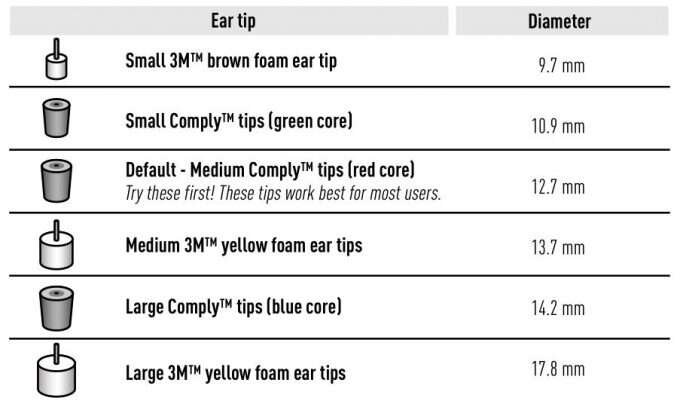
Start with the medium tips that came with your earbuds. They are often a useful starting point, but they are not automatically the correct choice.
Follow these steps:
- Clean the ear tips and your ears.
- Attach the medium tips firmly to the earbuds.
- Insert the earbuds with a gentle twisting motion.
- Play music with clear bass, such as a kick drum or bass guitar.
- Walk, talk, and move your jaw.
- Check comfort after 10 to 15 minutes.
- Repeat the test with small and large tips.
A good ear tip should meet several simple tests:
• It stays in place when you move your head.
• It blocks some outside noise without active noise cancellation.
• Music sounds full, especially in the bass.
• Your voice does not sound overly loud inside your head.
• You can wear the earbuds without sharp pressure or soreness.
• The earbuds do not need constant adjustment.
If the earbuds slip out, try a larger tip. If they feel tight or painful, try a smaller one. If one ear feels fine and the other does not, use different sizes.

Signs your ear tips are too small
Small ear tips often fail to fill the ear canal. This creates tiny gaps that allow sound to escape and outside noise to enter.
Common signs include:
• Weak or hollow bass
• Earbuds that fall out during exercise
• A need to increase the volume
• Uneven sound between your ears
• More background noise than expected
• Frequent adjustments throughout the day
A simple test can help. Put in your earbuds and gently press them deeper for a moment. If the bass becomes much stronger, your current tips may be too small or poorly positioned.
Do not solve this problem by pushing the earbuds deep into your ears. That may create discomfort and can make cleaning harder. A better solution is to try a larger tip or a different tip shape.

Signs your ear tips are too large
Large ear tips can create a strong seal, but more pressure is not always better. If the tips stretch your ear canal, comfort will suffer.
Watch for these signs:
• Pain or soreness during use
• A blocked or plugged feeling
• Ear fatigue after a short listening session
• Tips that slowly push the earbuds outward
• Difficulty inserting the earbuds
• Itching or irritation after removal
Your earbuds should not hurt. A tight fit can feel secure at first, yet become painful after 20 or 30 minutes.
When learning how do i know what size ear tips to use, comfort matters as much as sound. If the fit sounds good but causes pain, it is not the right fit. Try the next smaller size or a softer material.

A simple ear tip fit test
You can check your ear tip size without special tools. The test takes only a few minutes and works with most in-ear headphones.
The seal test
Insert the earbuds and play music with a steady bass line. Cover the outer microphone or touch area only if your earbud instructions allow it.
Now compare the sound before and after gently pressing the earbuds into place. If pressing them makes the bass much stronger, the seal is probably weak.
The movement test
Move your head from side to side. Then open your mouth, smile, and speak a few words. Your earbuds should stay stable.
If the sound changes every time your jaw moves, the tips may not fit your canal well. Try a different size or a different shape.
The comfort test
Wear the earbuds for at least 15 minutes. Some problems appear only after the ear canal has been under pressure for a while.
Remove the tips and check your ears. Mild awareness is normal. Pain, redness, or lasting pressure suggests that the fit is too tight or the material does not suit you.

How earbud fit affects sound quality
Ear tips influence more than comfort. They can change the way your earbuds sound.
A proper seal usually improves:
• Bass response
• Noise isolation
• Speech clarity
• Volume balance
• Battery efficiency in some noise-canceling earbuds
When the seal leaks, noise cancellation may work less effectively. You may also raise the volume to overcome background sound. Long exposure to loud sound can harm hearing, so a stable fit may help you listen at a safer level.
Ear tips do not change the basic tuning of your earbuds. However, they can reveal or reduce parts of the sound. Foam tips may soften high sounds slightly, while some silicone tips may create a brighter presentation.
This is why two people can use the same earbuds and describe the sound differently. Their ear shape, tip size, insertion depth, and seal all affect what they hear.
Does each ear need a different ear tip size?
Yes, it is common for each ear to need a different size. Human ears are not perfectly symmetrical, and ear canals can vary in width and shape.
You might need a medium tip in your left ear and a small tip in your right ear. Some people need two different shapes as well.
Do not force yourself to use matching tips just because they came as a pair. If your earbuds allow it, mix sizes to create the best seal in each ear.
When asking how do i know what size ear tips to use, test each ear on its own. Cover one ear while checking the sound in the other. This makes it easier to notice leaks and differences.
Silicone, foam, and hybrid ear tips
The material can affect fit as much as the size. A medium silicone tip may feel very different from a medium foam tip.
Silicone ear tips
Silicone tips are common, washable, and easy to insert. They come in several shapes and firmness levels.
They are a good choice if you want:
• Easy cleaning
• A cool, light feel
• Several size options
Soft silicone may be more comfortable for sensitive ears. Firm silicone may stay in place better during movement.
Foam ear tips
Foam tips compress during insertion and expand inside the ear canal. They can provide strong isolation and a secure fit.
They may suit you if silicone tips keep slipping. However, foam tips can feel warmer, require more careful insertion, and wear out over time.
Roll the foam gently, insert the earbud, and hold it in place for several seconds. This gives the foam time to expand.
Hybrid ear tips
Hybrid tips combine a silicone outer layer with a different inner structure. They aim to balance comfort, stability, and sound.
They can help when standard silicone tips feel unstable but foam feels too warm. Fit can vary by brand, so use the same seal and comfort tests.
Ear tip shape and nozzle size
Size is not the only factor. Ear tip shape and the earbud nozzle also matter.
Some tips have a wide opening. These may let more high-frequency sound through. Others have a narrow opening that can slightly change the sound and insertion feel.
The nozzle is the tube on the earbud that holds the tip. A tip must fit the nozzle securely. If it is loose, it may remain in your ear when you remove the earbuds.
Before use, check that:
• The tip sits evenly on the nozzle.
• The center opening is not blocked.
• The tip does not spin or slide easily.
• The earbud nozzle is compatible with the replacement tip.
A deeper tip may seal better, but deeper insertion is not always safer or more comfortable. Never push an earbud farther than feels natural.
Common ear tip fitting mistakes
Many fit problems come from technique rather than size. Avoid these common mistakes.
Choosing the largest size first
A large tip may feel secure for a few minutes but cause soreness later. Start with medium and adjust based on comfort and seal.
Ignoring earwax
Earwax can stop tips from sealing and may make earbuds feel uncomfortable. Clean the outside of your ears and the earbuds regularly. Do not insert cotton swabs deep into the ear canal.
Inserting earbuds straight down
A gentle twist often helps the tip follow the shape of your ear canal. Do not force the earbud into place.
Testing only one minute
Some tips feel comfortable at first and painful later. Test them during a normal listening session before deciding.
Using volume to fix a poor seal
Higher volume cannot replace the right fit. It may hide the problem while increasing hearing risk.
Reusing dirty or damaged tips
Wash reusable silicone tips according to the manufacturer’s instructions. Replace tips that are torn, stiff, sticky, or difficult to clean.
My practical method for finding the right size
When I test a new pair of earbuds, I use a three-stage process instead of judging the fit in the store. This has helped me avoid choosing tips that sound impressive for five minutes but become painful later.
First, I compare all included sizes while playing the same song. I listen for bass strength and changes in the stereo image.
Next, I walk around, speak, and move my jaw. If one earbud shifts, I test the next size or a different shape.
Finally, I wear the best pair for at least 20 minutes. This last step matters most. A good fit should remain comfortable during real life, not just while sitting still.
One mistake I made early on was choosing the tightest seal because it produced the strongest bass. After a longer session, my ears felt sore. A slightly smaller and softer tip gave me nearly the same sound with much better comfort.
When to replace or change your ear tips
Ear tips do not last forever. Silicone may become stiff, cloudy, or loose. Foam usually breaks down faster, especially with frequent use.
Replace your tips if you notice:
• Cracks or tears
• A sticky surface
• A loose connection to the nozzle
• A permanent change in shape
• A bad smell that cleaning does not remove
• More slipping than before
You may also need new tips if your earbuds sound different. A damaged tip can create a leak, which may reduce bass and noise isolation.
Keep spare tips in a clean case. Avoid storing them in direct sunlight or extreme heat, as heat can affect some materials.
Ear safety and comfort tips
A correct ear tip size should never cause lasting pain. Remove your earbuds if you feel sharp pain, discharge, strong itching, or reduced hearing.
Keep listening levels moderate. A good seal may make lower volume feel clear, which is helpful for long listening sessions. If you often need high volume, consider checking the fit and speaking with a hearing professional.
Clean the earbuds often, especially if you use them during workouts. Sweat and debris can irritate the skin and affect the seal.
If you have a history of ear infections, narrow canals, skin conditions, or ongoing discomfort, ask a qualified audiologist for advice. Earbuds are not a substitute for medical care.
Frequently Asked Questions
How do i know what size ear tips to use if my earbuds keep falling out?
Try a larger tip or a design with a deeper seal. Also test foam tips or ear wings if your ears need extra support during exercise.
Should ear tips feel tight?
Ear tips should feel secure, not painful. If you notice pressure, soreness, or a plugged feeling, try a smaller or softer tip.
Can I use different ear tip sizes in each ear?
Yes. Many people need different sizes because their ear canals are not identical. Test each ear separately and use the size that creates the best seal and comfort.
Why do my earbuds sound better when I push them in?
Pushing the earbuds in may temporarily close a gap. This usually means the tips are too small, the shape is not right, or the earbuds need a gentle twist for proper placement.
Are foam ear tips better than silicone tips?
Neither material is best for everyone. Foam can offer strong isolation and stability, while silicone is easier to clean and may feel cooler.
How often should I replace ear tips?
Replace them when they become damaged, loose, stiff, dirty, or uncomfortable. Frequent users may need replacements more often than occasional listeners.
Conclusion
Finding the right ear tip size is a process of testing, not guessing. Start with the included medium tips, compare small and large options, and judge both sound and comfort. The best fit creates a gentle seal, stays in place, improves bass, and remains comfortable during a full listening session.
Remember that each ear may need a different size, and material or shape can matter as much as diameter. Try the fit test today, keep your tips clean, and replace them when they show wear. If you have found a tip style that works well, share your experience or explore more guidance on comfortable, safe listening.

Everett Ashford is a tech reviewer at mytechgrid.com specializing in SSDs, cameras, TVs, earbuds, headphones, and other consumer electronics. He provides honest, data-driven reviews based on hands-on testing and real-world performance analysis. Everett simplifies complex tech details to help readers make smart, confident buying decisions.