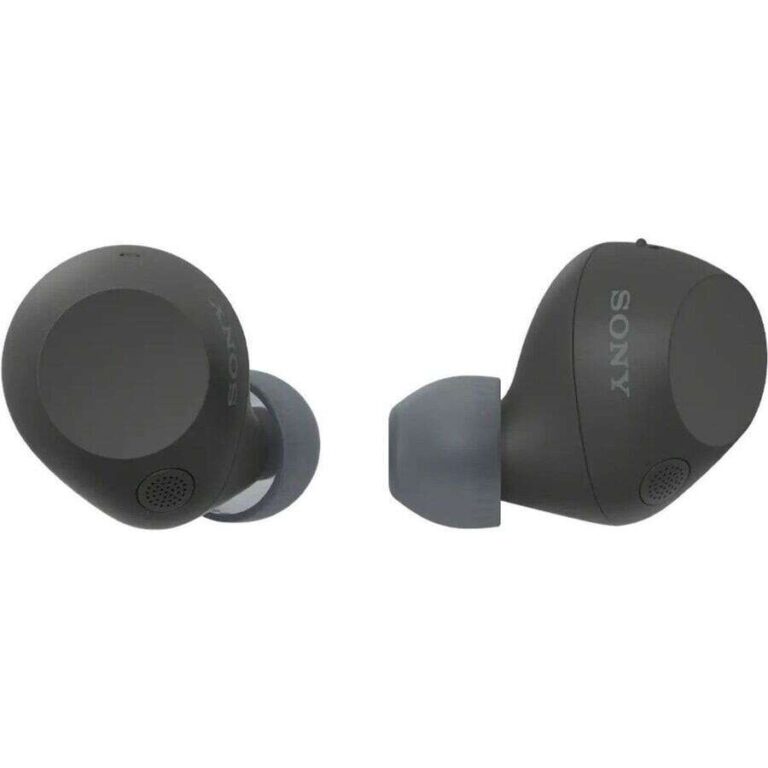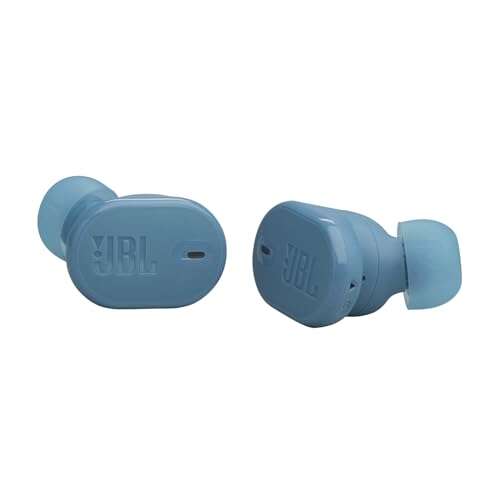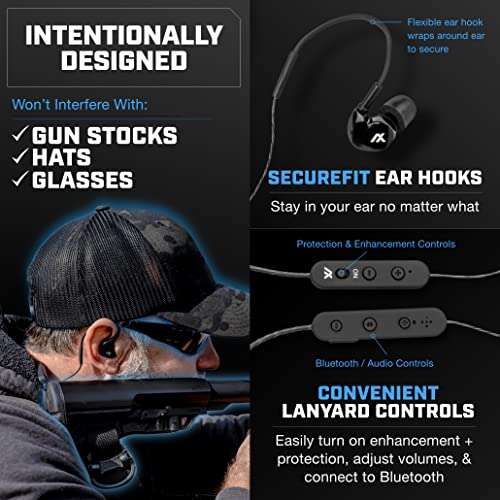
The right ear tip creates a gentle seal, stays put, and sounds clear without pressure.
Learning how to know what ear tip to use can improve comfort, sound quality, bass, noise isolation, and even battery life. The best choice depends on your ear shape, earbud design, listening habits, and the fit you can wear for hours without pain.
Why the Correct Ear Tip Matters
Ear tips do more than keep earbuds in place. They form a small seal between the earbud and your ear canal. This seal helps control sound, reduce outside noise, and improve stability.
When the fit is right, music often sounds fuller and clearer. You may also hear more bass without raising the volume. A poor fit can make earbuds sound thin, loose, or harsh.
Knowing how to know what ear tip to use starts with understanding these signs of a good fit:
• The earbud stays in place when you walk or turn your head.
• Your voice does not sound overly loud or blocked when speaking.
• Music sounds balanced, with clear vocals and steady bass.
• Outside noise becomes quieter, even when noise canceling is turned off.
• You feel light contact, not sharp pressure or pain.
A tight fit is not always a good fit. Think of the ear tip like a shoe. It should hold your foot securely, but it should not pinch your toes.

How to Know What Ear Tip to Use: A Simple Fit Test
The easiest way to choose an ear tip is to test each size in both ears. Most people do not have perfectly matching ear canals, so one ear may need a different size from the other.
Follow this simple process:
-
Start with the medium ear tips that came with your earbuds.
-
Insert the earbuds gently and twist them slightly into place.
-
Play a familiar song with vocals and bass.
-
Walk, talk, and move your jaw for about one minute.
-
Check comfort, sound, stability, and outside noise.
-
Try the small tips, then the large tips.
-
Compare the results in each ear.
Do not judge the fit after only a few seconds. Some ear tips feel unusual at first, especially foam tips. Give each option several minutes unless you feel pain or strong pressure.
A good fit should pass four checks:
• Seal: The earbud blocks some outside sound without feeling plugged.
• Sound: Bass is present, vocals are clear, and music does not sound distant.
• Stability: The earbud remains secure during normal movement.
• Comfort: You can wear it for at least 30 to 60 minutes without soreness.
This test is the most reliable way to know what ear tip to use because it measures real performance rather than relying on size labels.

Ear Tip Sizes Explained
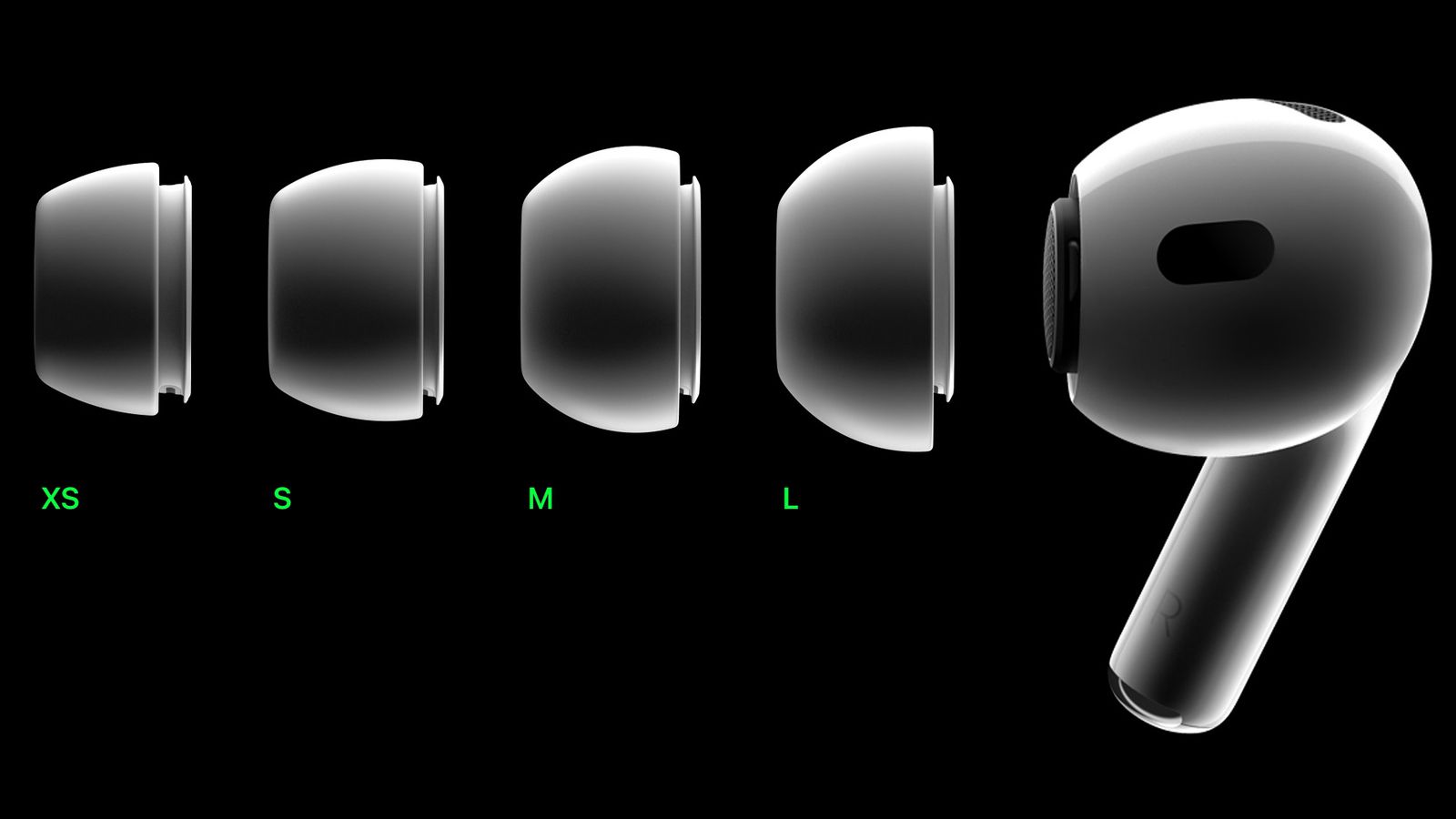
Ear tip sizes usually include small, medium, and large. Some brands also offer extra-small, extra-large, or multiple shapes. Size labels are not standardized, so a medium tip from one brand may feel like a small or large tip from another.
Small ear tips
Small tips may work well if your ear canals are narrow or if larger tips create pressure. They can also help earbuds sit deeper and feel less crowded.
However, a small tip may fail to create a seal. If music sounds weak or the earbuds move easily, try a larger size.
Medium ear tips
Medium tips are a useful starting point. They fit many users, but they are not automatically the best option.
If the medium tip feels comfortable but the sound changes when you move, you may need a different size or shape.
Large ear tips
Large tips can create a stronger seal and better stability. They may also improve bass and passive noise reduction.
The main risk is pressure. If your ears feel sore, warm, or tender after a short period, the tips may be too large or inserted too deeply.
When learning how to know what ear tip to use, remember that comfort matters as much as sound. A perfect seal that causes pain is not a practical fit.

Silicone, Foam, and Other Ear Tip Materials
Material affects comfort, sound, durability, and noise isolation. The best material depends on how and where you use your earbuds.
Silicone ear tips
Silicone tips are the most common choice. They are easy to clean, last a long time, and come in many shapes.
Silicone tips work well for:
• Daily listening
• Exercise
• Commuting
• People who dislike pressure
• Earbuds with active noise canceling
They may feel less secure than foam for some users. A smooth silicone tip can also slide out if your ears become sweaty.
Memory foam ear tips
Foam tips compress as you insert them and then expand inside the ear canal. They can provide strong isolation and a secure fit.
Foam tips are useful for:
• Airplane travel
• Loud offices
• Public transportation
• People who struggle to keep silicone tips in place
• Listeners who want strong passive noise blocking
Foam can feel warmer and may need more frequent replacement. Earwax and skin oils can also reduce its life. Do not force foam tips deep into your ears.
Hybrid ear tips
Hybrid tips combine a silicone outer layer with a foam or softer inner section. They aim to provide the comfort of silicone and the seal of foam.
They can be a good choice when standard silicone tips slip but full foam tips feel too warm or firm.
Double-flange and triple-flange tips
These tips have two or three sealing rings. They can create strong isolation, but they may feel intrusive.
Use them only if they fit your earbuds and feel comfortable. They are not the best option for every ear shape.

How Ear Tip Shape Affects Fit
Size is only one part of the answer. Shape can matter just as much.
Common shapes include:
• Round tips: These offer a simple, general fit and work with many earbuds.
• Oval tips: These may match the natural shape of some ear canals and feel more stable.
• Wide-bore tips: These can create an open sound and may improve treble detail.
• Narrow-bore tips: These may increase the sense of bass and help form a tighter seal.
• Short tips: These sit closer to the ear opening and can feel less invasive.
• Long tips: These may improve stability but can cause pressure if they reach too far.
If the correct size still feels wrong, try a different shape. This is an important part of knowing what ear tip to use. Many people change sizes when they really need a different design.
Also check the nozzle of the earbud. Some tips fit only specific nozzle widths. A loose tip can remain in your ear when you remove the earbuds, while a tip that is too tight may not attach securely.

How to Know What Ear Tip to Use for Different Activities
Your ideal ear tip may change with your activity. A comfortable option for sitting at home may not be the best choice for running.
For everyday listening
Soft silicone tips are often the best starting point. Choose a size that seals the ear without creating pressure.
For workouts
Look for silicone tips with a secure shape or small stabilizing wings. Foam may also work, but sweat can affect its grip and durability.
Always clean the tips after exercise. Moisture and skin oils can make them slippery.
For travel
Foam tips often provide stronger passive noise isolation. They can reduce the need to raise the volume in airplanes, trains, and busy terminals.
Noise canceling earbuds still need a reasonable physical seal to work well. A poor fit can reduce their effectiveness.
For sleeping
Choose small, soft, low-profile tips. Large or rigid tips may press against the outer ear when you lie on your side.
Never use earbuds at a loud volume while sleeping. Long exposure to loud sound can contribute to hearing damage.
For phone calls
A stable silicone tip may be best because it keeps the microphones and speakers in a consistent position. If your own voice sounds too loud, try a smaller tip or a shallower fit.

Signs Your Ear Tips Are Too Small or Too Large
Your ears can tell you a lot about how to know what ear tip to use. Pay attention to both sound and physical feedback.
Signs the ear tips are too small
• Bass sounds weak or disappears when you move.
• The earbuds fall out easily.
• Outside noise remains loud.
• You need to push the earbuds in often.
• The earbuds feel loose during exercise.
Try the next size up or a different shape. A larger tip may create a better seal without needing deeper insertion.
Signs the ear tips are too large
• Your ears feel sore after a short time.
• You feel strong pressure in the ear canal.
• The earbuds are difficult to insert or remove.
• Sound becomes muffled or overly boomy.
• Your ears feel irritated after listening.
Try a smaller tip, a softer material, or a shorter design. Do not accept pain as part of a good fit.
Signs the tip material is wrong
If the size seems correct but the earbud still slips, the material may be the problem. For example, foam may work better than silicone for a listener whose ears become oily or sweaty.
If foam feels hot or itchy, switch to silicone. Persistent itching, pain, discharge, or reduced hearing should be checked by a medical professional.
How Ear Tips Affect Sound and Noise Canceling
Ear tips change the way earbuds sound because they influence the seal around the speaker nozzle. A stronger seal usually improves low frequencies, especially bass.
A weak seal can make music sound bright, thin, or distant. It may also make you increase the volume, which can raise hearing risk.
Ear tips also affect active noise canceling. ANC uses microphones and electronic processing, but the physical seal still matters. If sound leaks around the ear tip, the system has more outside noise to manage.
For the best result:
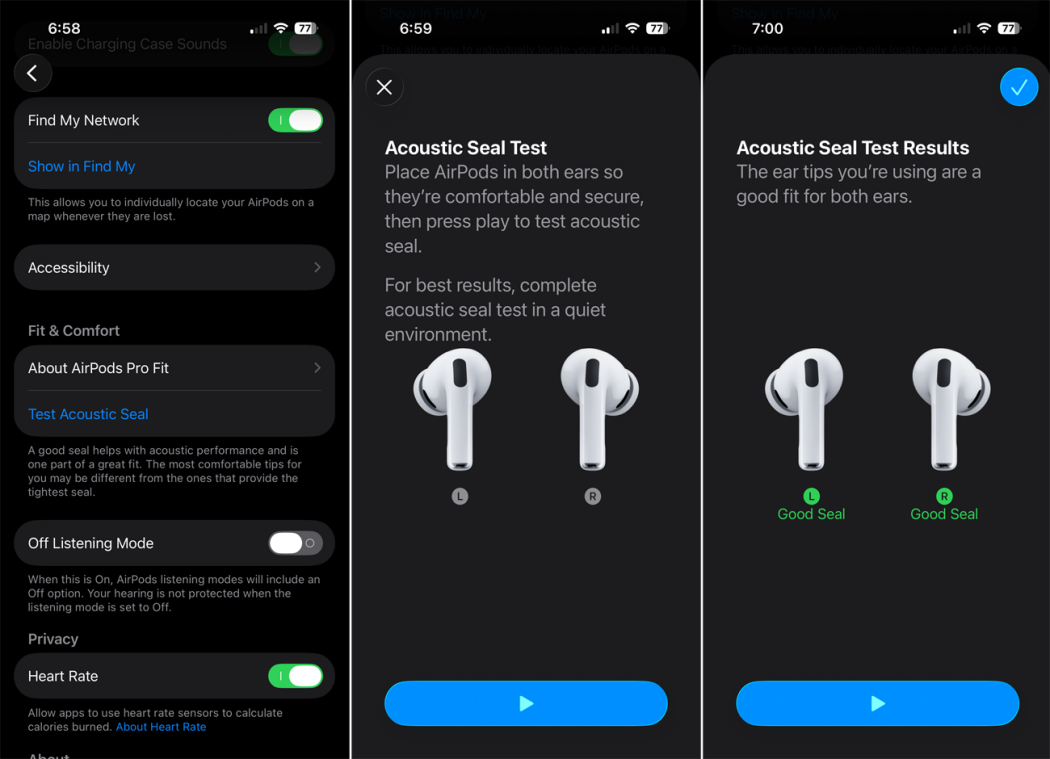
• Run the earbud manufacturer’s fit test if one is available.
• Try each ear separately.
• Make sure the tips are attached evenly.
• Clean the earbud mesh and tips.
• Check the seal while moving your jaw.
• Avoid judging ANC in a quiet room only.
A fit test is helpful, but it is not perfect. Your comfort during real use remains the final measure.
Common Ear Tip Mistakes to Avoid
Many fitting problems come from small mistakes rather than the ear tips themselves.
Avoid these common errors:
• Using the same size in both ears without testing.
• Choosing the largest tip because it blocks the most sound.
• Pushing tips too deeply into the ear canal.
• Testing only while sitting still.
• Ignoring discomfort because the sound is good.
• Failing to clean wax and oils from the tips.
• Using third-party tips that do not fit the earbud nozzle.
• Removing foam tips before they have expanded.
When inserting foam tips, compress them gently, place them in the ear, and hold them still for several seconds. Do not twist or push hard.
One practical lesson from testing different earbuds is that the first fit often feels acceptable but is not optimal. A small change in size can improve bass, comfort, and stability at the same time.
Cleaning and Replacing Ear Tips
Clean ear tips help maintain comfort and sound quality. Remove silicone tips from the earbuds and wash them with mild soap and warm water. Rinse them well and let them dry completely before reattaching them.
Do not soak the electronic earbuds. Use a dry or slightly damp cloth on the earbud body, and follow the manufacturer’s cleaning instructions.
Foam tips usually should not be washed. Wipe them carefully and replace them when they become stained, misshapen, cracked, or difficult to keep clean.
Replace ear tips if:
• They no longer hold their shape.
• They feel sticky or cracked.
• They become loose on the nozzle.
• They smell unpleasant after cleaning.
• They no longer create a reliable seal.
Clean tips can also reduce the risk of transferring bacteria between your ears. If you share earbuds, replace or thoroughly clean the tips before another person uses them.
When to Stop Using a Certain Ear Tip
Ear tips should not cause sharp pain, lasting soreness, bleeding, or strong irritation. Remove the earbuds if you notice these symptoms.
You should also stop and seek medical advice if you experience:
• Sudden hearing loss
• Persistent ringing
• Fluid or discharge
• Severe itching
• Dizziness
• Pain that continues after removing the earbuds
Ear shape varies widely. An ear tip that works perfectly for one person may not suit another. Medical conditions, earwax buildup, allergies, and previous ear surgery can also affect fit.
The goal is not to create the strongest possible seal. The goal is a safe, comfortable fit that gives clear sound at a reasonable volume.
Frequently Asked Questions About How to Know What Ear Tip to Use
How do I know if my ear tips are the right size?
The right ear tips stay in place, create a gentle seal, and feel comfortable for extended listening. Music should sound full and clear without requiring extra volume.
Should both ears use the same ear tip size?
Not always. Many people have slightly different ear canal sizes, so one ear may need a small tip while the other needs a medium or large tip.
Are foam or silicone ear tips better?
Neither material is best for everyone. Silicone is easy to clean and comfortable for many users, while foam often provides stronger isolation and a more secure seal.
Why do my earbuds sound better when I push them in?
Pushing them in may temporarily improve the seal, which can increase bass and reduce outside noise. Try a larger or differently shaped tip instead of inserting the earbuds deeper.
How often should I replace ear tips?
Replace silicone tips when they crack, become loose, or stop sealing well. Replace foam tips when they lose their shape, become dirty, or no longer expand properly.
Can the wrong ear tips damage my hearing?
Ear tips do not usually damage hearing by themselves, but a poor seal may encourage you to raise the volume. Keep listening levels moderate and take regular breaks.
Conclusion
Knowing what ear tip to use comes down to four things: seal, comfort, stability, and sound. Test different sizes in each ear, compare silicone and foam, and pay attention to how the tips perform while you move.
Do not choose a tip simply because it feels tight or blocks the most noise. Choose the one that stays secure, sounds balanced, and remains comfortable over time. Try these steps with your earbuds today, and share your experience or explore your manufacturer’s fit guide for more help.

Everett Ashford is a tech reviewer at mytechgrid.com specializing in SSDs, cameras, TVs, earbuds, headphones, and other consumer electronics. He provides honest, data-driven reviews based on hands-on testing and real-world performance analysis. Everett simplifies complex tech details to help readers make smart, confident buying decisions.