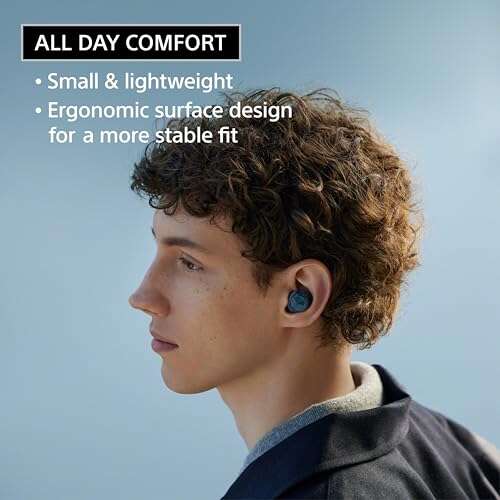
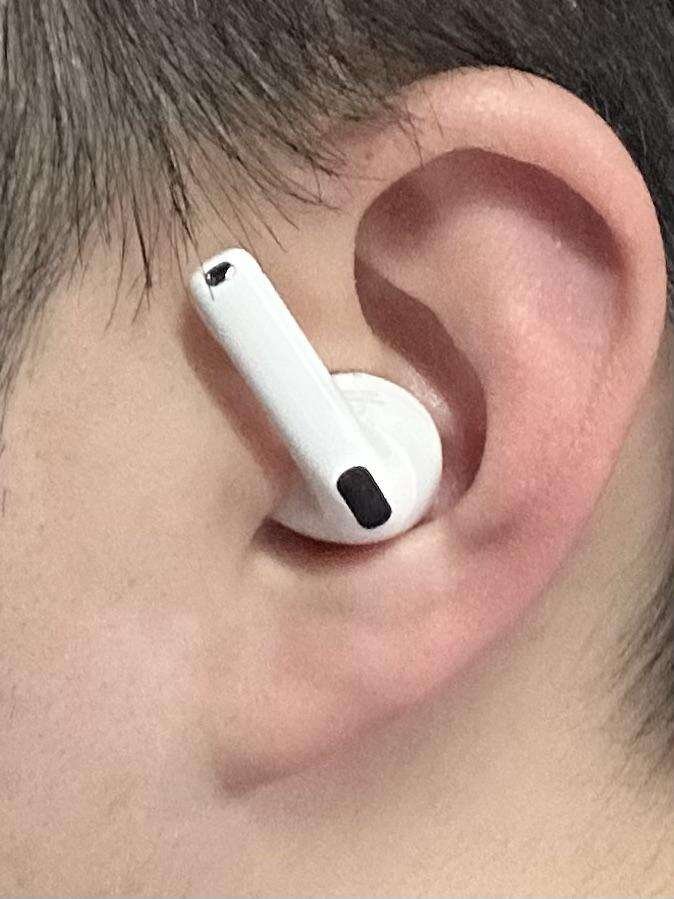
Earbuds are too big when they cause pressure, pain, poor stability, or soreness instead of sitting gently in your ear.
Knowing how to tell if earbuds are too big can protect your ears, improve sound quality, and make long listening sessions far more comfortable. After testing many earbud shapes and ear tip sizes, I have found that comfort matters just as much as audio quality. This guide explains the clearest warning signs, simple fit tests, common mistakes, and safer solutions.

What oversized earbuds feel like
The first sign is pressure that does not fade after a few minutes. You may feel fullness, rubbing, or a sharp ache around the ear canal or outer ear. Earbuds should feel secure, but they should not feel like they are pushing the skin apart.
Learning how to tell if earbuds are too big starts with noticing where the discomfort appears. A large earbud may press against the tragus, antihelix, or the opening of the ear canal. These are the small folds of cartilage around the earbud, and they can become sore quickly.
Common signs include:
• Pain while inserting or removing the earbuds
• A tight, blocked, or “plugged” feeling
• Red marks on the outer ear
• Tenderness after a short listening session
• Earbuds that sit outside the ear instead of resting naturally
• A need to push the earbuds in with force
• Skin irritation or rubbing around the ear
A good fit should feel almost boring. You should be aware that the earbuds are there, but you should not keep adjusting them or thinking about the pressure.

How to tell if earbuds are too big: 9 clear signs
Ear shape varies widely. One person may wear large earbuds with no problem, while another may need a small ear tip or a low-profile design. Still, these signs are strong clues that your earbuds are too large.
1. They hurt within a few minutes
Short-term discomfort is one of the clearest signs. If your ears begin to ache after five to ten minutes, the earbuds may be pressing on sensitive cartilage or sitting too deeply.
Do not assume that pain means you need to “break them in.” Unlike shoes, earbuds should not need a painful adjustment period.
2. You must force them into place
Earbuds should slide into position with light pressure. If you need to twist, push, or squeeze them hard, they may be too large for your ear canal or outer ear.
This is especially common with in-ear earbuds that have large silicone tips. Forcing them inward can increase pressure and may irritate the ear canal.
3. They leave red marks
Remove the earbuds and check your ears. Red marks that disappear quickly may come from normal contact, but lasting marks or sore spots suggest too much pressure.
Look closely at the areas where the earbud body touches the outer ear. If one point looks irritated, the shape may be wrong even if the ear tip seems comfortable.
4. They create a painful seal
A proper seal can improve bass and block outside noise. However, an overly large ear tip may create a tight seal that feels uncomfortable or causes pressure changes when you move.
A sealed ear canal should not hurt. If the earbuds feel like they are suctioned in place, try a smaller ear tip or a shallower fit.
5. They become more painful when you chew
Jaw movement changes the shape of the ear canal. Chew, speak, or yawn while wearing your earbuds. If these movements cause rubbing or pain, the earbuds may be too large or inserted too deeply.
This test is useful because many people only notice the problem during calls, meals, workouts, or long commutes.
6. They make your ears sore after removal
Your ears may feel fine while the earbuds are in place, then ache after you take them out. This often means the earbud body has pressed against cartilage for too long.
Soreness can also come from wearing earbuds for many hours without breaks. However, repeated soreness usually points to a fit problem.
7. They sit too far outside the ear
Large earbuds may not fit inside the natural bowl of your ear. They can stick out, feel unstable, or move when you walk.
A bulky design is not always bad. It becomes a problem when the shape does not match your outer ear or when the earbud rests on one small pressure point.
8. You hear rubbing or blocked sound
When earbuds are too large, they may move against the ear instead of staying still. This can create rubbing sounds, muffled audio, or changes in volume as you walk.
Keep in mind that muffled sound can also come from earwax, a dirty speaker grille, or a poor seal. Fit is only one possible cause.
9. You cannot wear them for a full session
Try wearing the earbuds while reading, working, or traveling. If you remove them mainly because your ears hurt, the design is not a good match.
Comfort should last longer than the first few minutes. This is one of the most practical ways to tell if earbuds are too big in daily life.

Too big or too small? Learn the difference
Some fit problems look similar. Earbuds that are too big often cause pressure and pain. Earbuds that are too small often feel loose, fall out, or fail to block outside noise.
Here is a simple comparison:
| Fit problem | Common signs |
|---|---|
| Earbuds are too big | Pain, pressure, red marks, soreness, difficult insertion |
| Earbuds are too small | Loose fit, weak bass, frequent slipping, poor noise isolation |
| Ear tips are too large | Tight seal, ear canal pressure, discomfort when moving |
| Ear tips are too small | Sound leaks, weak bass, earbuds fall out |
| Earbud shape is wrong | One pressure point, uneven fit, discomfort in only one ear |
Many people choose a smaller tip when the real problem is the earbud body. Changing tips will not fix a bulky housing that presses against the outer ear.
Your left and right ears may also need different sizes. This is normal. If one ear hurts and the other feels fine, try different tips or adjust the position on each side.
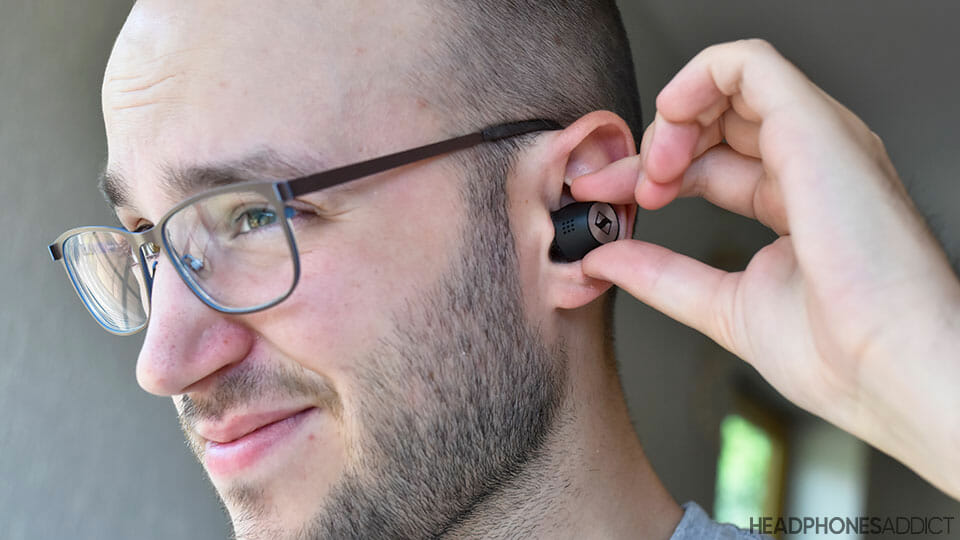
A simple fit test you can do at home
You do not need special tools to test earbud size. Use a clean pair of earbuds and follow these steps.
-
Clean the earbuds and your ears gently. Dirt and wax can affect comfort and sound.
-
Start with the smallest included ear tips. Insert the earbuds without pushing hard.
-
Wear them for five minutes while sitting still. Notice any pressure, heat, or sharp pain.
-
Speak, chew, smile, and turn your head. The earbuds should not rub or shift painfully.
-
Walk for five to ten minutes. Check whether they stay in place without constant adjustment.
-
Remove the earbuds and inspect your skin. Look for red marks, swelling, or sore areas.
-
Try the next tip size only if the smallest size feels loose or leaks sound.
-
Compare both ears. Do not assume the same size is best for both sides.
The right earbud should stay in place with gentle contact. It should not need to be wedged tightly into the ear. When learning how to tell if earbuds are too big, comfort during movement is more useful than comfort while sitting still.

How ear tip size affects comfort and sound
Ear tips control how much of the ear canal an in-ear earbud touches. A large tip may seal the canal well, but it can also create pressure. A small tip may feel comfortable, but it may leak sound and reduce bass.
Noise-canceling earbuds can make this confusing. Active noise cancellation may reduce low background sounds, but it cannot correct a painful physical fit. Some users also notice a plugged feeling with strong noise cancellation, even when the earbuds are not physically too large.
Try these adjustments:
• Use a smaller silicone tip if the canal feels sore or blocked.
• Try foam tips if silicone feels stiff or slippery.
• Use a larger tip only when the earbuds move or lose bass.
• Test different shapes, not just different sizes.
• Try shallow-fit earbuds if deep insertion feels uncomfortable.
• Use a wing or ear hook for stability instead of increasing tip pressure.
Foam tips can expand inside the ear and may feel larger than silicone tips. They can improve stability, but they still need the correct size. Replace worn or dirty foam tips because they can lose their shape and collect debris.
What to do if your earbuds are too big
You have several options before replacing the earbuds. First, remove them and allow your ears to rest. Do not keep wearing painful earbuds just to finish a podcast, workout, or video call.
Next, try the following solutions:
Change the ear tips
If the ear tips are the main problem, test a smaller size. Many earbuds include small, medium, and large tips, but the sizes are not perfectly standardized between brands.
Adjust the angle
Some earbuds fit better when turned slightly forward or backward. Do not twist them deeply into the ear. A small change in angle may move pressure away from sensitive cartilage.
Use a different tip material
Silicone is easy to clean and often feels light. Foam can offer a softer seal, but it may feel warmer and require more frequent replacement.
Try a low-profile model
If the outer housing is too bulky, look for earbuds designed for small ears or shallow insertion. A smaller body may solve the problem even when the current ear tips fit well.
Choose ear hooks or wings
For exercise, an ear hook can provide stability without requiring a tight seal. This may be more comfortable than using oversized tips to stop the earbuds from falling out.
Replace the earbuds
Sometimes the shape is simply wrong for your ears. No adjustment can make every design comfortable. If pain continues with different tips and positions, another model is the safer choice.
From my own testing experience, one common mistake is focusing only on whether earbuds stay in place. A secure fit is useful, but painful security is not a successful fit. Comfort, stability, and clear sound must work together.

Can oversized earbuds damage your ears?
Large earbuds do not automatically cause permanent damage. The main concern is repeated pressure, friction, moisture, and excessive volume.
Frequent rubbing can irritate the skin in the ear canal. Wearing earbuds for long periods may also trap heat and moisture, which can raise the risk of irritation or outer-ear infection. Health professionals commonly advise keeping ears dry, cleaning earbuds, and avoiding objects that scratch the ear canal.
Volume is a separate but important concern. Earbuds that fit tightly may make music sound clearer, which can tempt you to listen longer or louder. Long exposure to loud sound can contribute to noise-induced hearing loss, so keep the volume moderate and take regular breaks.
Stop using the earbuds and seek medical advice if you notice:
• Persistent pain
• Drainage or bleeding
• Swelling
• New hearing loss
• Ringing that does not go away
• Strong itching or a rash
These symptoms may come from an ear condition rather than earbud size. A medical professional can identify the cause more accurately than a fit test.
How to choose comfortable earbuds
When shopping, do not judge earbuds by appearance alone. A small, sleek model may still have a wide nozzle or deep tip. Check the design details and return policy when possible.
Look for:
• Multiple ear tip sizes
• A low-profile outer shell
• A shallow nozzle for sensitive ears
• A lightweight body
• Replaceable ear tips
• Optional wings or ear hooks
• Clear fit guidance from the manufacturer
If you have small ears, search for terms such as “small ear earbuds,” “shallow-fit earbuds,” or “low-profile in-ear headphones.” If you dislike canal pressure, consider open-fit earbuds or lightweight on-ear headphones. These options may provide less isolation, but they can feel more natural.
Remember that online reviews have limits. A reviewer’s ears may have a different shape from yours. Use reviews to learn about comfort patterns, but rely on your own fit test to make the final decision.
Frequently Asked Questions
How can you tell if earbuds are too big?
Earbuds are likely too big if they cause pain, pressure, red marks, or soreness after a short time. They may also stick out, rub when you chew, or require force to insert.
Should earbuds feel tight in your ears?
Earbuds should feel secure but not tight or painful. A gentle seal is helpful for sound quality, while strong pressure usually means the tip or earbud body is too large.
Are bigger ear tips better for sound?
Not always. Bigger tips may create a stronger seal, but they can also cause discomfort and an overly blocked feeling. The best size is the smallest one that stays secure and produces clear sound.
Can earbuds be too big for small ears?
Yes. The outer housing may press against the ear, even when the ear tip fits inside the canal. People with small ears often prefer low-profile earbuds, smaller tips, or shallow-fit designs.
Why do my earbuds hurt after 30 minutes?
The earbuds may press against cartilage, sit too deeply, or trap heat and moisture. A poor shape, long listening time, or high volume can also contribute to discomfort.
Can different ear tip sizes improve the fit?
Yes. Switching tips can reduce pressure, improve stability, and restore bass. However, new tips cannot fix an earbud body that is too large or poorly shaped for your ear.
Is it normal for one earbud to hurt more than the other?
Yes. Ear canals and outer-ear shapes are often different on each side. Try separate tip sizes or slightly different positions for the left and right ears.
Conclusion
The easiest way to tell if earbuds are too big is to watch for pain, pressure, red marks, deep insertion, and soreness after use. A good pair should stay secure without being forced into place or causing discomfort during movement.
Start with the smallest suitable ear tip, test both ears, and try walking, talking, and chewing before deciding. If the earbud body still feels bulky, choose a low-profile design, ear hooks, or another style altogether. Your ears should feel comfortable at the end of a listening session, not relieved that it is over.
Use these checks the next time you shop for earbuds, and share your experience or explore more practical audio guides for a better fit.

Everett Ashford is a tech reviewer at mytechgrid.com specializing in SSDs, cameras, TVs, earbuds, headphones, and other consumer electronics. He provides honest, data-driven reviews based on hands-on testing and real-world performance analysis. Everett simplifies complex tech details to help readers make smart, confident buying decisions.