Introduction
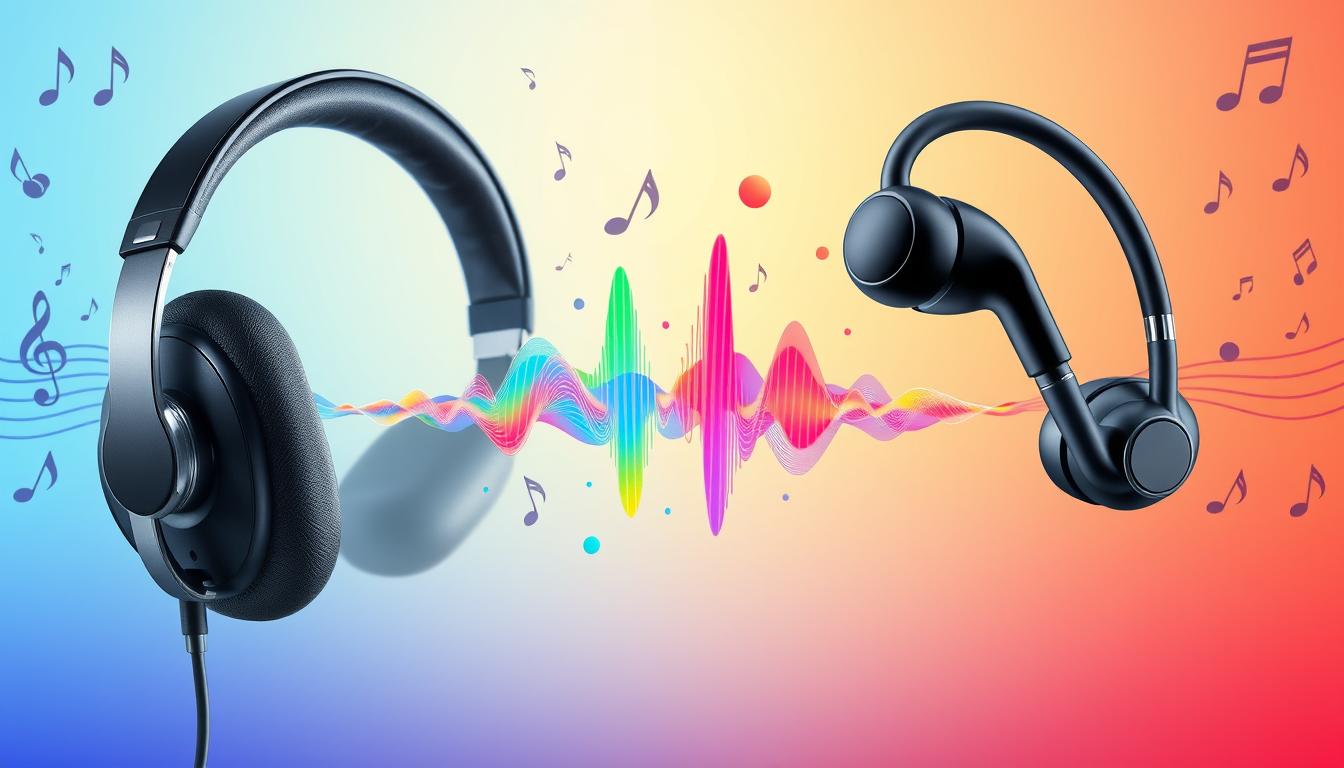
For most people in the United States, neither headphones nor earbuds are always better. Over-ear headphones often win for comfort, long listening sessions, and stronger awareness of how loud the sound feels. Earbuds are smaller, lighter, and better for workouts or travel. The safer choice depends more on volume, listening time, fit, and your surroundings than on the device type alone.
If you listen in a loud place, well-fitted noise-canceling headphones or earbuds may help you avoid turning the volume up. If you need to hear traffic, coworkers, or a child, neither style should block outside sound completely.
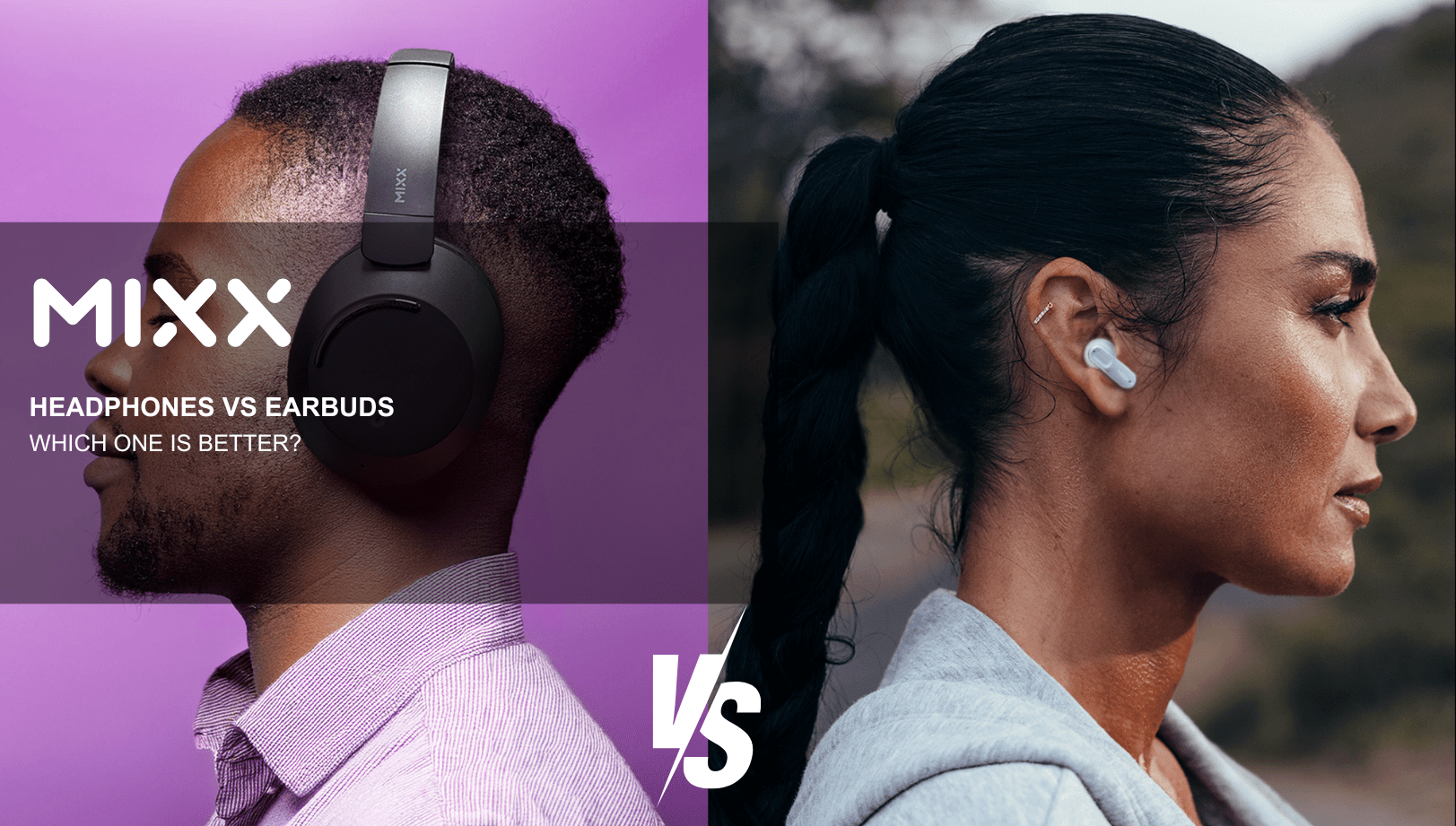
Headphones vs. Earbuds: What Is the Difference?
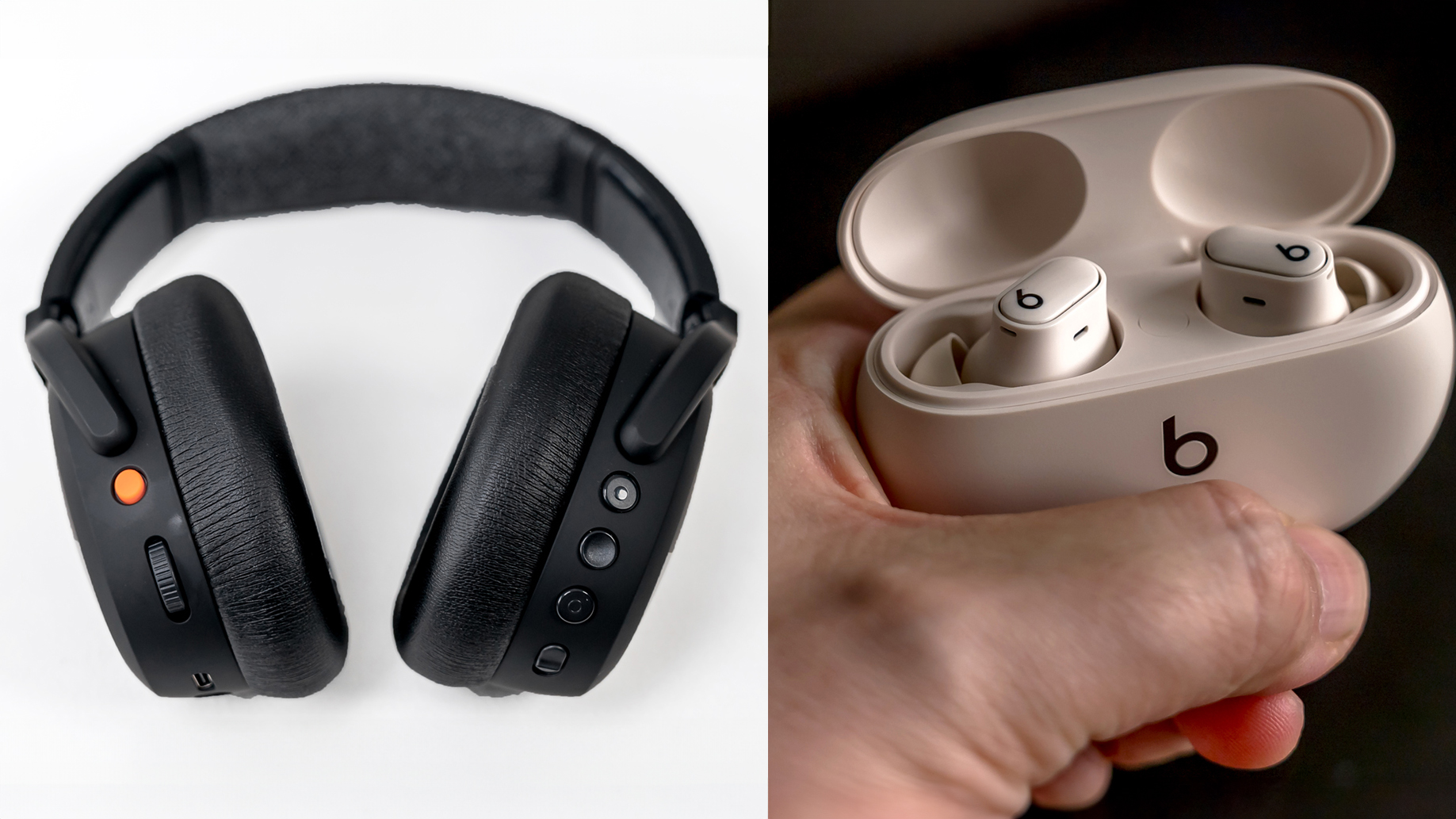
Headphones sit on or around the ears. Earbuds sit in the outer ear or seal the ear canal with a soft tip. Both send sound through a small speaker, but their fit changes comfort, noise control, and how you use them.
Headphones
Headphones come in three common forms:
- Over-ear headphones: The ear cups surround the ears.
- On-ear headphones: The cups rest on the ears.
- Open-back headphones: The ear cups allow more sound to pass in and out.
Over-ear headphones spread contact around the ear. This can reduce the pressure that some people feel from earbuds. They also tend to stay farther from the ear canal, although that does not make loud listening harmless.
Earbuds
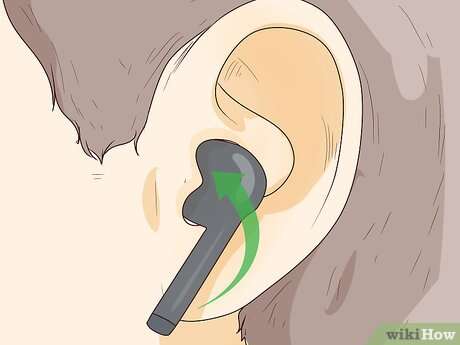
Earbuds are small and portable. Many models use silicone tips that seal the ear canal. Others rest loosely in the outer ear.
A sealed earbud can block outside sound. That may improve speech and music clarity. It can also make your own voice, chewing, or footsteps sound louder. This effect is called occlusion.
A poor earbud fit creates a different problem. If the seal is weak, outside noise may mask the music. You may then raise the volume without noticing.
Which Is Better for Hearing Health?
Neither style is automatically safer. Volume and listening time matter most. Sound exposure depends on how loud the sound is, how close the speaker is to the ear, and how long the exposure lasts.
The World Health Organization recommends a maximum of 80 A-weighted decibels (dBA) for up to 40 hours per week for adults. Its safe-listening guidance gives a lower weekly limit for children. These limits apply to sound exposure in general, not just to one brand or type of personal audio device. See the WHO safe listening standard.
The National Institute on Deafness and Other Communication Disorders explains that repeated or long exposure to loud noise can damage the inner ear. The NIDCD guide to noise-induced hearing loss also notes that loud sound can cause temporary or permanent hearing problems.
Why earbuds are not automatically more dangerous
Earbuds place the speaker close to the eardrum, but that fact alone does not prove that earbuds cause more hearing loss than headphones. A listener using low volume may have little risk. A listener using over-ear headphones at a very high volume may have substantial risk.
The main question is not:
“Are earbuds or headphones safer?”
It is:
“How loud is the sound, and how long am I listening?”
Why headphones are not automatically safer
Large ear cups do not shield the inner ear from loud sound. Over-ear headphones can still produce high sound levels. Their comfort may also make it easier to listen for many hours without taking a break.
Noise-canceling headphones can reduce the need to increase volume in an airplane, subway, gym, or busy office. However, noise cancellation does not cancel the sound produced by your music. It may help you listen more quietly, but only if you use it that way.
A practical safe-listening approach
Use these habits with either style:
- Keep the volume as low as you can while still hearing clearly.
- Take quiet breaks during long sessions.
- Turn down the sound before entering a loud place.
- Use noise cancellation to reduce background noise, not to justify higher volume.
- Check whether your phone shows a headphone exposure warning.
- Do not share earbuds without cleaning them first.
If another person can clearly hear your music from a short distance, the volume may be too high. This is only a rough sign, not a medical test.
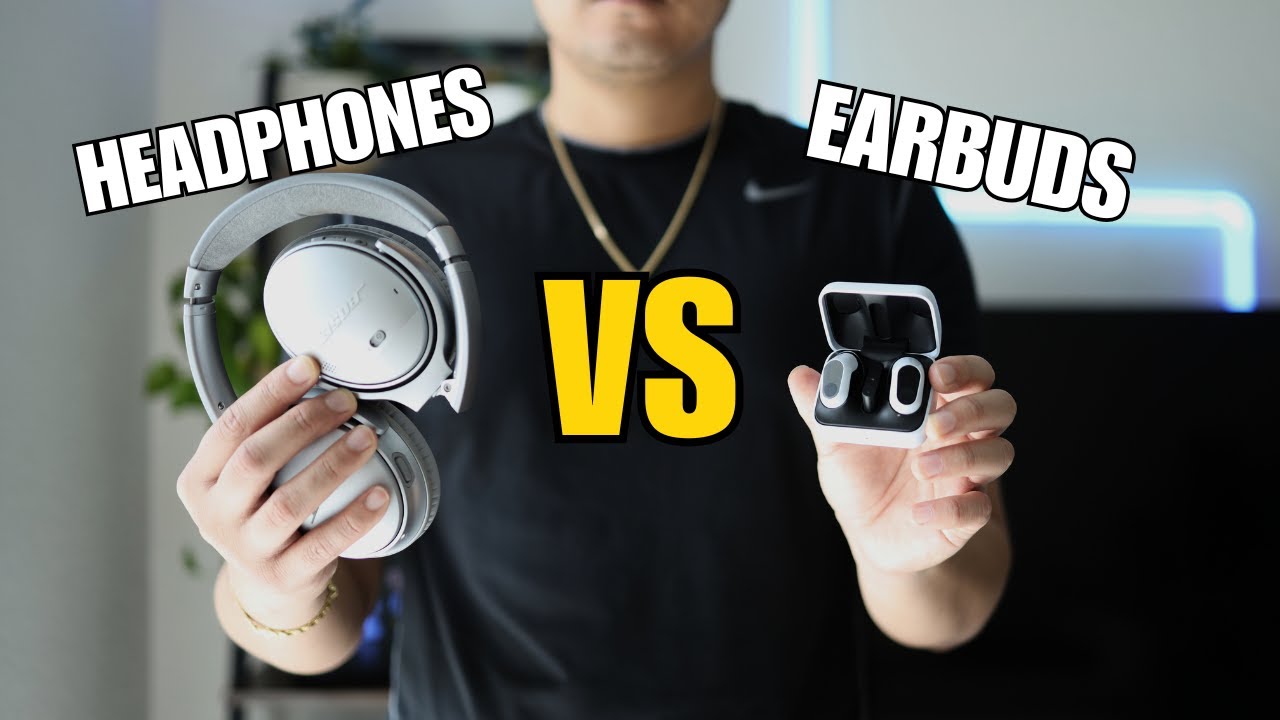
Headphones or Earbuds for Comfort?
Over-ear headphones are usually better for people who dislike pressure inside the ear. Earbuds may be better for people who dislike heat, weight, or a tight headband.
Comfort is personal. Ear shape, glasses, hair, skin sensitivity, and jaw movement can all affect the fit.
Headphones may be more comfortable when:
- You listen for several hours.
- Earbuds cause soreness or pressure.
- You wear hearing aids or other devices around the ear.
- You want a wider ear cup instead of a sealed ear canal.
- You prefer controls that are easy to find.
Over-ear models can still cause heat, sweat, or pressure on the head. On-ear models may press directly on the ears. A tight headband can cause discomfort even when the ear cups feel soft.
Earbuds may be more comfortable when:
- You want a light device for walking or commuting.
- Headphones feel hot.
- You need a small device for a pocket or bag.
- You prefer a loose fit and minimal contact.
- You need to wear glasses without a headband.
Earbuds can cause soreness if the tip is too large or pushed too far into the canal. A tip that is too small may fall out or allow noise in. Try a different tip size rather than forcing the earbud deeper.
Signs that your fit is wrong
Stop and adjust the device if you notice:
- Pain or sharp pressure
- Tingling or numbness
- Skin irritation
- A blocked or muffled feeling after removal
- Ringing that continues after listening
- Frequent slipping that makes you raise the volume
Pain is not a normal part of a good fit. If symptoms continue after you stop using the device, contact a health professional.
Which Is Better for Work, Travel, Exercise, and Sleep?
The best choice changes with the setting. A device that works well at a desk may be unsafe or inconvenient on a street.
| Situation | Often the better fit | Why | Main caution |
|---|---|---|---|
| Desk work | Over-ear headphones or comfortable earbuds | Better focus and clear calls | Take breaks |
| Air travel | Noise-canceling headphones or earbuds | Less engine noise may reduce the urge to raise volume | Keep volume moderate |
| Public transit | Either, with awareness mode when needed | Portable and useful in noise | Hear announcements and warnings |
| Running outdoors | Open earbuds or a low-isolation option | Better awareness of nearby sounds | Avoid loud volume near traffic |
| Gym workouts | Secure earbuds or sports headphones | Less movement and less bulk | Clean off sweat |
| Gaming | Over-ear headphones | Comfortable fit and easy controls | Limit long sessions |
| Sleeping | Usually neither | Reduces pressure, tangled cords, and awareness issues | Avoid routine overnight use |
For office work
Headphones may help with focus, especially in an open office. Earbuds are less bulky and may be easier to remove when someone speaks to you.
Use transparency or awareness mode when you need to hear coworkers. Do not rely on a noise-canceling device to notice every alarm, announcement, or emergency signal.
For travel
Noise-canceling devices can make steady background noise less tiring. They may also help you keep the volume lower. During takeoff and landing, some people find that earbuds feel uncomfortable because of pressure changes, but the earbuds do not cause the cabin pressure change.
Keep one ear free or use awareness mode if you need to hear flight announcements. Follow crew instructions rather than assuming your device will let you hear them.
For exercise
Secure earbuds are often less distracting during exercise. Some open-style earbuds allow more outside sound to reach you. That can help outdoors, but they may not work well in a loud gym.
Sweat can damage some devices and irritate the ear. Check the product’s water- and sweat-resistance rating. A rating is not a promise that a device can handle swimming or complete submersion.
For sleep
Using headphones or earbuds overnight can create pressure, heat, moisture, and tangling risks. You may also miss an alarm, smoke alarm, a child calling, or another important sound.
If you need sound to sleep, a bedside speaker is usually less intrusive. Keep it at a comfortable level and avoid placing a speaker close to your head.

Do Headphones or Earbuds Sound Better?
Sound quality depends more on the specific model, fit, recording, and settings than on the category.
A well-sealed earbud can produce strong bass because it reduces sound leakage. Over-ear headphones can create a larger and more open sound field. Open-back headphones may sound natural, but they allow sound to escape and do little to block outside noise.
Fit changes sound
Earbuds need a good seal to reproduce low notes. If the seal breaks, bass may seem weak. You might respond by increasing the volume, which can raise your hearing risk.
Headphones also need a good fit. Glasses, hair, and gaps around the ear cups can reduce bass and noise isolation. A larger device is not automatically a better-sounding device.
Wireless features do not decide safety
Bluetooth affects how audio reaches the device. It does not make loud sound safe. The same rule applies to wired models, wireless earbuds, and wireless headphones: keep exposure within a reasonable level.
Equalizers can change perceived loudness
Bass boost and other equalizer settings may make music seem louder or more intense. If you change the sound profile, check the volume again. A comfortable setting before the change may feel much louder afterward.

How to Choose Between Headphones and Earbuds
Use this simple decision process.
Choose headphones when:
- You want comfort around the ear.
- You listen for long periods.
- You prefer stronger passive isolation.
- You want physical controls that are easy to use.
- You do not mind carrying a larger device.
- You need a better fit for gaming or desk work.
Choose earbuds when:
- Small size matters.
- You travel, walk, or exercise.
- You want a light device.
- You need to put the device away quickly.
- Headphones make your ears hot.
- You are willing to test tip sizes and clean the device often.
Choose an open or awareness-focused option when:
- You walk or run near roads.
- You need to hear people at work.
- You must notice announcements or alarms.
- You feel uncomfortable when your ears are sealed.
Awareness is not the same as protection. Even if you hear the outside world, loud music can still harm hearing. Use a low volume and remain visually alert.
A quick scoring method
Give each device type a score from 1 to 5 for these factors:
- Comfort
- Portability
- Hearing awareness
- Noise control
- Stability during movement
- Ease of cleaning
- Call quality
- Battery or charging convenience
Give twice the weight to the factors that matter most to you. For example, a runner may double the weight of stability and awareness. A remote worker may double comfort and call quality.
This method does not identify a universal winner. It helps match the device to your actual routine.
How to Use Earbuds and Headphones More Safely
Good habits reduce risk with both types.
1. Start with a low volume
Set the volume low before pressing play. Raise it only as much as needed. Do not use maximum volume to overcome a poor fit or a noisy environment.
2. Use a proper fit
For earbuds, test the included tip sizes. The earbud should stay in place without being pushed deep into the canal. For headphones, adjust the headband so the ear cups seal without painful pressure.
3. Take listening breaks
A break gives your ears time away from sound. During a long session, remove the device and spend time in a quiet place. A break does not undo very loud exposure, but it reduces total exposure time.
4. Keep devices clean
Earwax, sweat, and skin oils can collect on earbuds and ear tips. Follow the manufacturer’s cleaning instructions. Do not insert cotton swabs or sharp tools into the ear canal.
Clean removable ear tips separately when the product instructions allow it. Let parts dry fully before use.
5. Protect awareness
Use transparency mode, open earbuds, or one-ear listening only when appropriate. One-ear listening is not automatically safer because many people turn up the remaining earbud to hear better.
Near traffic, bikes, construction areas, water, or machinery, remove the device when you need full awareness.
6. Watch for warning signs
Reduce use and seek medical advice if you have:
- Persistent ringing
- New muffled hearing
- Ear pain
- Dizziness
- Drainage
- A sudden change in hearing
- Trouble understanding speech
Sudden hearing loss needs prompt medical evaluation. Do not assume it will resolve on its own.

Common Mistakes to Avoid
Assuming noise cancellation makes loud volume safe
Noise cancellation reduces some outside sound. It does not reduce the music level reaching your ears. Keep the audio moderate.
Turning up the volume because the fit is poor
A loose earbud or leaking headphone lets in more background noise. Fix the fit first. A different tip or a better-sealing ear cup may help.
Wearing earbuds all day without a break
Even moderate sound can become a problem when exposure lasts for many hours. Long use can also create moisture and skin irritation.
Cleaning ears with cotton swabs
Cotton swabs can push wax deeper or irritate the ear canal. The ear usually cleans itself. Ask a clinician about stubborn blockage or hearing changes.
Using headphones to block every outside sound
Full isolation may be useful in controlled settings, but it can create safety problems outdoors or around machinery. Choose awareness when the environment requires it.
Believing one brand or style is always safest
Device labels do not replace safe habits. A low-volume, well-fitted pair is generally a better choice than a louder pair with poor fit, regardless of its shape.
Frequently Asked Questions
Are earbuds worse for your ears than headphones?
Not necessarily. Earbuds sit closer to the eardrum, but hearing risk depends mainly on sound level and exposure time. Headphones can also produce harmful sound when used loudly or for long periods.
Are noise-canceling headphones safer than regular headphones?
They can help you listen at a lower volume in noisy places. They are not automatically safer, and they do not protect against loud music. The benefit comes from using noise cancellation to avoid turning the volume up.
Is it safe to wear earbuds every day?
Daily use may be reasonable at a moderate volume with regular breaks. Avoid wearing them continuously, sharing them without cleaning, or using them when they cause pain, irritation, ringing, or muffled hearing.
Should I use headphones or earbuds with hearing aids?
Ask your hearing-care professional and follow the hearing-aid manufacturer’s guidance. Some hearing aids can stream audio directly or work with compatible accessories. A tight headphone fit may cause feedback or discomfort.
Can headphones cause ear infections?
Headphones and earbuds do not automatically cause infections. Moisture, sweat, dirty surfaces, skin damage, and prolonged occlusion may increase irritation or create conditions that support infection. Stop using a device if the ear becomes painful, swollen, or drains fluid, and seek medical care.
Key Takeaways
- Headphones are often better for long sessions and people who dislike ear-canal pressure.
- Earbuds are often better for portability, exercise, and quick use.
- Neither type is automatically safer for hearing.
- Volume, listening time, fit, and background noise matter most.
- Noise cancellation can help you listen more quietly, but it does not make loud audio safe.
- Use awareness mode or an open design when you need to hear traffic, people, or alarms.
- Stop using a device that causes pain, ringing, muffled hearing, or irritation.
Conclusion
For most users, the best choice is the one that feels comfortable, stays secure, and lets you listen at a moderate volume. Choose over-ear headphones for long desk sessions or comfort around the ear. Choose earbuds for portability and movement. Choose an awareness-focused design when hearing your surroundings matters.
Before buying, think about where you listen, how long you listen, and whether you tend to raise the volume. Then test the fit, set a low starting level, and take regular breaks. Those habits matter more than the label on the device.
Sources and Evidence
- National Institute on Deafness and Other Communication Disorders: Noise-Induced Hearing Loss
- World Health Organization: Make Listening Safe
- Centers for Disease Control and Prevention: Preventing Noise-Induced Hearing Loss
- National Institute for Occupational Safety and Health: Criteria for a Recommended Standard—Occupational Noise Exposure

Everett Ashford is a tech reviewer at mytechgrid.com specializing in SSDs, cameras, TVs, earbuds, headphones, and other consumer electronics. He provides honest, data-driven reviews based on hands-on testing and real-world performance analysis. Everett simplifies complex tech details to help readers make smart, confident buying decisions.