The right earbud size seals your ear canal comfortably without pain, looseness, or outside noise leaks.
Finding what size ear buds do i need is less about choosing the biggest tip and more about finding the right seal for each ear. A good fit improves comfort, sound quality, bass, noise blocking, and stability. This guide explains how earbud tip sizes work, how to test them, and how to avoid common fit mistakes.

Why earbud tip size matters
Earbuds sit inside or just outside the ear canal. Their silicone or foam tips create a soft seal between the earbud and your ear. That seal helps keep sound in and outside noise out.
If the tip is too small, the earbud may feel loose. You may hear less bass, and the bud can fall out when you walk or exercise. If the tip is too large, your ears may feel sore, full, or pressured after a short time.
When people ask, “what size ear buds do i need,” they often focus only on comfort. Comfort matters, but sound is also a strong clue. A proper seal usually gives you:
• Fuller bass without turning up the volume
• Clearer voices and music
• Better passive noise isolation
• A more secure fit during movement
• Less need to adjust the earbuds
The right size should feel like a gentle plug, not a tight cork. You should notice the seal, but you should not feel sharp pressure or pain.

What earbud sizes mean
Most earbuds come with small, medium, and large silicone tips. Some models include extra-small or extra-large options. These sizes refer to the outer diameter of the ear tip, not the size of your entire ear.
A medium tip is often included as the default because it fits many users. However, there is no universal standard for earbud tip sizes. A medium tip from one brand may feel close to a small or large tip from another.
Ear canals also vary between people. More importantly, your left and right ears may not match. One ear may need a small tip while the other needs a medium tip. This is normal and not a sign that anything is wrong.
Ear tips may use different materials:
• Silicone tips are easy to clean and work well for most users.
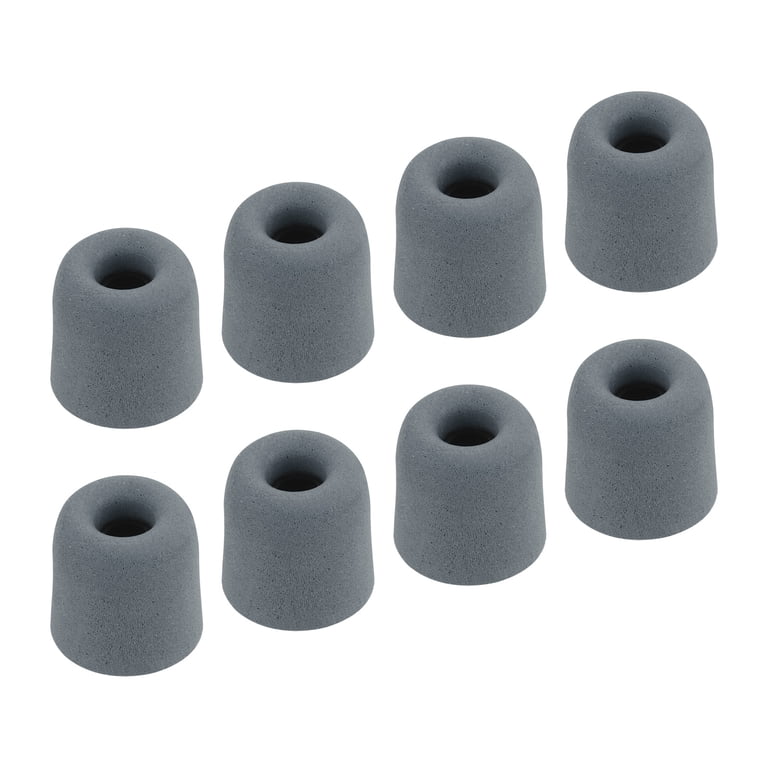
• Foam tips expand inside the ear canal and can improve grip and noise blocking.
• Double-flange tips reach deeper and may create a strong seal, but they can feel intrusive.
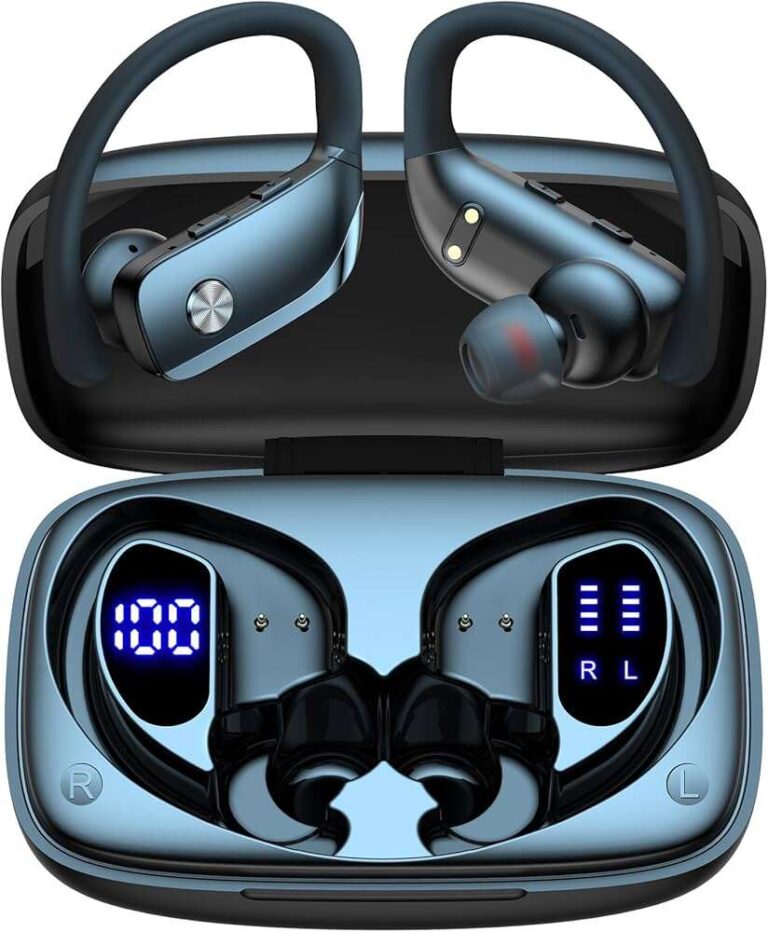
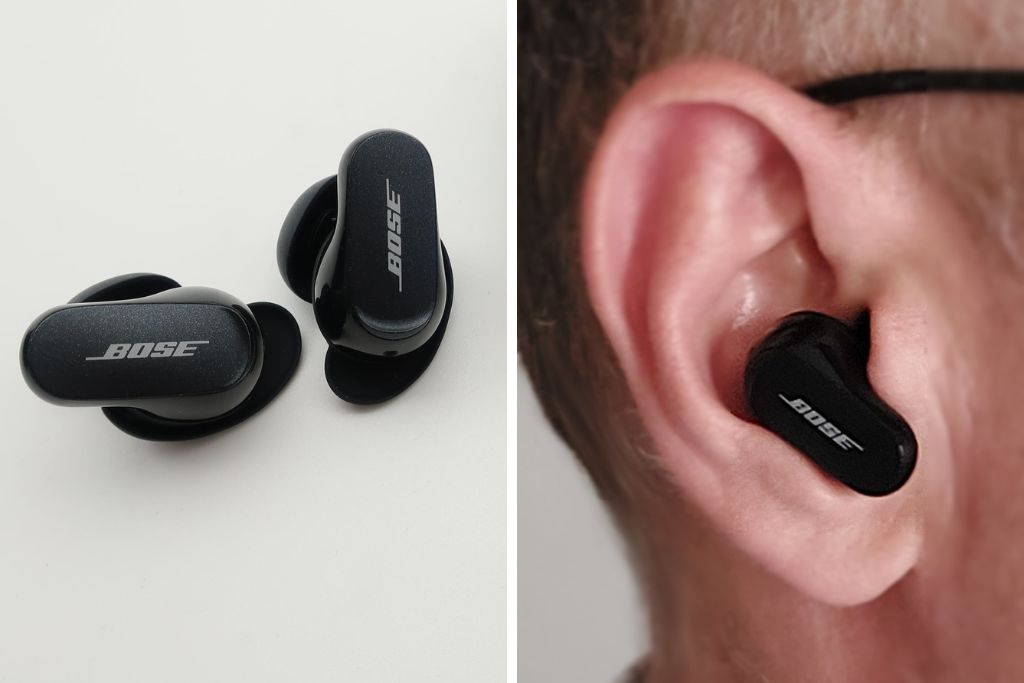
• Winged tips add support around the outer ear for sports and active use.
When deciding what size ear buds do i need, think about both the tip size and the tip shape. A small oval tip may fit better than a round medium tip, even if both appear similar on the package.

How to find your correct earbud size
You can find your best fit with a simple test. Do this in a quiet room before judging the sound.
Start with the medium tips
Place the medium tips on both earbuds. Insert the earbuds gently. Do not push them deep into your ears. Twist them slightly until they sit in a stable position.
Play music with vocals and bass. A podcast or spoken voice can also help you judge clarity.
Check the seal
Ask yourself these questions:
• Does the earbud stay in place when you turn your head?
• Does the bass sound full and steady?
• Can you hear a noticeable amount of outside noise?
• Do your ears feel sore or pressured?
• Do you need to push the earbuds back in often?
If the earbud feels loose or sounds thin, try a larger tip. If it feels tight or painful, try a smaller tip.
Test one size at a time
Change only one ear tip size at a time. Testing several changes at once makes it harder to tell what helped.
Wear each size for at least five to ten minutes. A tip can feel fine at first but become uncomfortable later. This longer test is one of the best ways to learn what size ear buds do i need.
Test both ears separately
Do not assume that both ears need the same size. Try small, medium, and large tips in each ear. You may find that a small tip fits your left ear while a medium tip fits your right ear.
Many people miss this step. In my own earbud testing, mismatched ear tips often solved fit problems that seemed impossible at first. The goal is not to match the sizes. The goal is to match your ears.

Signs your earbud tips are too small
Small earbud tips do not seal the ear canal well. They may feel comfortable at first, but they often move during daily use.
Look for these signs:
• The earbuds slide out when you walk or talk.
• Bass sounds weak or hollow.
• You hear a lot of traffic, voices, or office noise.
• You must turn up the volume to hear details.
• The earbuds feel unstable when you chew or smile.
• You keep touching or repositioning them.
A poor seal can make you think the earbuds sound bad. In some cases, the speaker is fine. The real issue is that sound escapes around the tip.
Try the next size up. Insert it gently and give it a few minutes. If the larger tip feels painful, the issue may be the shape of the earbud rather than the diameter of the tip.
Signs your earbud tips are too large
Large tips can create a strong seal, but a strong seal is not always a good seal. The earbud should not press hard against the walls of your ear canal.
Your tips may be too large if:
• Your ears feel sore after a few minutes.
• You feel pressure or fullness in the ear.
• The earbuds are hard to insert or remove.
• Your ears become warm or irritated.
• The earbuds slowly push themselves out.
• Sounds feel dull because the tips sit too deeply.
Pain is not something you should “break in.” Some new ear tips may need a short adjustment period, but sharp pain or lasting soreness means the fit is wrong.
If you are unsure what size ear buds do i need, move down one size and retest. You can also try a different tip shape. A shorter tip may solve pressure problems without losing the seal.

How to choose earbud tips for different uses
Your best earbud size may change based on how you use the earbuds. A fit that works at a desk may not work during a run.
For work and travel
Choose a tip that blocks noise without creating pressure. Silicone tips are often comfortable for long meetings, flights, and commutes.
A secure seal can help you hear music and speech at a lower volume. This matters because long exposure to loud sound can raise the risk of hearing damage. Keep the volume at a safe level, even when the fit is excellent.
For exercise
Movement creates more fit problems. Sweat can make silicone tips slide, while large tips may feel uncomfortable during long workouts.
Consider:
• A medium or small tip with a secure fit
• Earbuds with stabilizing wings
• Sweat-resistant earbuds
• Foam tips if silicone slips
Do not choose a tip so tight that it causes pain. A stable outer-ear wing may provide better support than a larger canal tip.
For sleeping
Small, soft tips are usually better for sleeping. Large earbuds may press against the pillow and cause discomfort.
Low-profile earbuds can work well, but avoid wearing earbuds all night if they cause soreness, trap moisture, or make it harder to hear alarms and safety sounds.
For phone calls
Speech clarity depends on more than tip size. A good seal can reduce background noise, but microphone quality and software also matter.
Use a comfortable size that remains stable when you talk. Jaw movement changes the shape of the ear canal, so test the earbuds while speaking.
Foam tips versus silicone tips
Silicone tips are the standard choice for most earbuds. They are washable, durable, and available in many shapes. They also make it easy to change sizes.
Foam tips compress when inserted and expand inside the ear canal. They can provide a strong seal and may stay in place better for some users. However, foam can absorb moisture and wear out faster than silicone.
Choose silicone if you want:
• Easy cleaning
• A longer service life
• A lighter feeling in the ear
• Quick insertion and removal
Choose foam if you want:
• More passive noise blocking
• Better grip during movement
• A softer seal in some ear shapes
• Less sound leakage
Foam tips require the right technique. Roll or compress the foam, insert the earbud, and hold it in place while the material expands. Never force a foam tip deep into the canal.
When comparing what size ear buds do i need, remember that foam and silicone sizes are not directly equal. A medium foam tip may feel larger after it expands.

Common mistakes when choosing earbud size
Many fit problems come from small mistakes rather than unusual ears.
Choosing the default tip
The medium tip is only a starting point. It is not automatically the correct size for you.
Pushing the earbud too far in
Deep insertion can increase pressure and discomfort. Let the tip create the seal without forcing the earbud into place.
Using the same size in both ears
Your ears may need different sizes. Test them independently.
Judging fit after only a few seconds
Comfort can change after several minutes. Walk, talk, and turn your head before deciding.
Ignoring the earbud design
Some earbuds have a long nozzle. Others have a short, wide nozzle. The same tip size can feel very different on each design.
Turning up the volume to fix a poor seal
Higher volume may hide the problem for a moment, but it does not improve fit. Try a different tip first.
These mistakes explain why two people can use the same earbuds and report very different results. Ear shape, tip material, insertion angle, and activity all affect the answer to what size ear buds do i need.
How to improve earbud comfort and sound
A few small adjustments can make a major difference.
-
Clean the earbuds and tips before testing. Wax and skin oil can make tips slip.
-
Try a different insertion angle. Many earbuds fit better when you rotate them slightly backward.
-
Pull the outer ear gently upward while inserting the earbud. This can help the tip enter smoothly.
-
Use the smallest tip that creates a reliable seal.
-
Test left and right ears separately.
-
Replace damaged, stretched, or hardened tips.
-
Take breaks during long listening sessions.
Earwax can also affect the fit. Do not insert cotton swabs deep into the ear canal. If you have blocked ears, pain, drainage, or sudden hearing changes, speak with a qualified health professional.
One useful test is the “quiet and bass” check. Play a familiar song at a safe volume. Cover one earbud with your finger, then release it. If the sound changes greatly, the uncovered earbud may not have a good seal.
When earbud fit problems need medical attention
Most earbud fit problems are simple sizing issues. Still, ongoing pain should not be ignored.
Stop using the earbuds and seek medical advice if you notice:
• Ear pain that continues after removing the earbuds
• Reduced hearing
• Ringing that does not fade
• Fluid or blood from the ear
• Severe itching or swelling
• Dizziness or balance problems
Earbuds should not cause injury when used correctly. A professional can check for earwax buildup, skin irritation, infection, or other problems that sizing cannot solve.
Also, avoid sharing ear tips without cleaning them. Earbuds touch skin and can collect bacteria, oils, and wax. Clean removable silicone tips with mild soap and water, then dry them fully before use. Follow the product maker’s cleaning instructions for foam tips and electronics.
Frequently Asked Questions About What Size Ear Buds Do I Need
What size earbud tips should I start with?
Start with the medium tips that come with the earbuds. Test them for comfort, stability, and sound, then move smaller or larger as needed.
How do I know if my earbud tips are too small?
Tips may be too small if the earbuds fall out, leak sound, or produce weak bass. A larger tip may create a better seal, but stop if it causes pain.
Can each ear use a different earbud size?
Yes. Many people have slightly different ear canals, so one ear may need a small tip and the other may need a medium tip. Fit each ear on its own.
Are bigger earbud tips better for noise cancellation?
Not always. A larger tip can improve the seal, but only if it fits comfortably. Active noise cancellation also depends on the earbuds’ microphones and software.
Should earbuds hurt when they fit correctly?
No. Properly fitted earbuds may feel snug, but they should not cause sharp pain, strong pressure, or lasting soreness. Try a smaller tip or a different shape if discomfort continues.
Do foam ear tips need a different size?
Yes. Foam tips expand after insertion, so they may feel larger than silicone tips of the same labeled size. Follow the brand’s size guide and test them for comfort.
Why do my earbuds keep falling out?
The tips may be too small, the earbud angle may be wrong, or the design may not match your ear shape. Try a larger tip, a different style, or earbuds with stabilizing wings.
[CodeImg not included in this section per instructions]
Conclusion
The answer to what size ear buds do i need depends on your ear shape, the earbud design, the tip material, and how you use the earbuds. Start with medium tips, test each ear separately, and choose the smallest size that creates a stable, comfortable seal.
Good fit should improve bass, clarity, noise blocking, and comfort without causing pain. Try the tips you already have before buying new earbuds, and give each size enough time to judge it fairly. Once you find your fit, clean the tips often and replace them when they become worn.
Use these steps the next time you test earbuds, and share your experience or favorite ear tip style in the comments.

Everett Ashford is a tech reviewer at mytechgrid.com specializing in SSDs, cameras, TVs, earbuds, headphones, and other consumer electronics. He provides honest, data-driven reviews based on hands-on testing and real-world performance analysis. Everett simplifies complex tech details to help readers make smart, confident buying decisions.