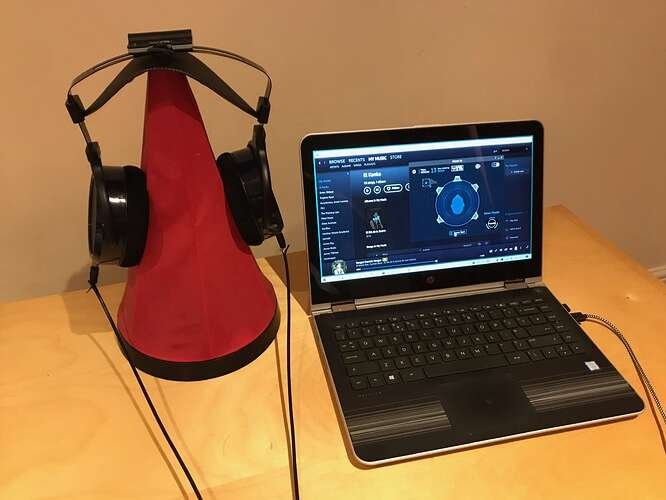
For many people in the United States, audiophile headphones are worth it only when they solve a real listening problem. They can give you clearer vocals, better detail, wider space, stronger comfort, and a more enjoyable sound than basic earbuds. But a $500 pair will not always sound five times better than a $100 pair.
The biggest gains often come from a good headphone design, a proper fit, and a sound profile you enjoy. You may not need a costly DAC, amplifier, or lossless music plan. If you mainly listen on a noisy bus, use a phone with no headphone jack, or need a microphone for calls, wireless noise-canceling headphones may suit you better than traditional audiophile models.
Key takeaways
- Yes, audiophile headphones can be worth it, especially for home listening, music production, gaming, and long sessions.
- The best value often sits in the $100 to $300 range, not at the highest price.
- Better sound does not always mean more bass or more volume. It often means a more balanced response, less distortion, and better detail.
- Open-back headphones can sound spacious but leak sound and block little outside noise.
- A headphone amplifier is useful when your source cannot play the headphones loudly and cleanly. It is not an automatic sound upgrade.
- Fit, comfort, room noise, music quality, and personal taste matter more than the word “audiophile.”
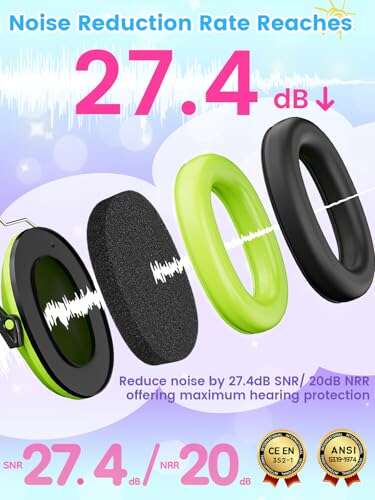
- Hearing protection matters. Louder listening can damage hearing, no matter how expensive the headphones are.
What are audiophile headphones?
Audiophile headphones are designed for people who place a high value on sound quality. The term is not a formal technical standard. A product can be marketed as “audiophile” without meeting a specific performance rule.
In practice, audiophile headphones often focus on:
- More accurate or carefully tuned sound
- Lower distortion
- Better separation between instruments
- Stronger build quality
- Replaceable cables or ear pads
- Comfortable use over long periods
- Detailed technical measurements
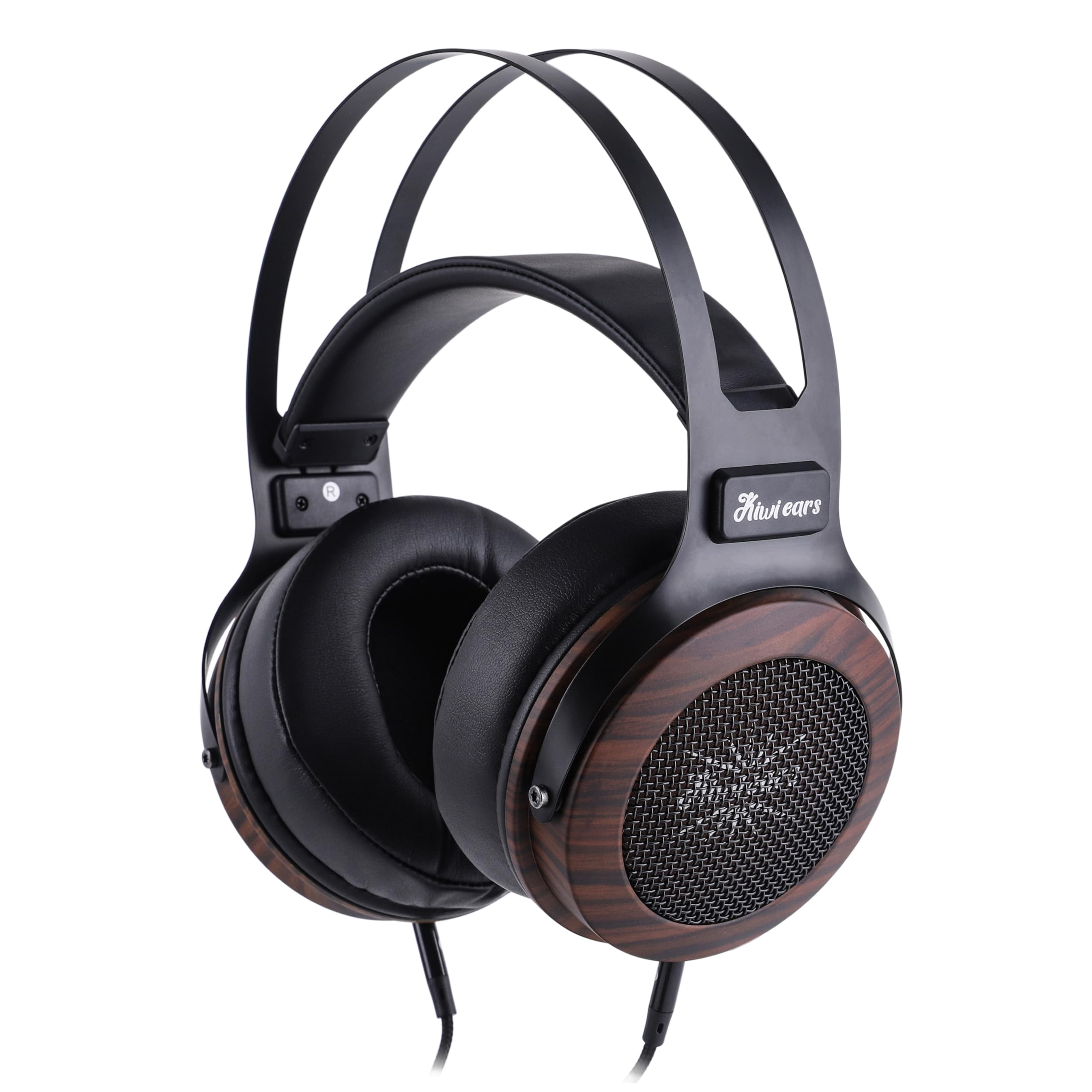
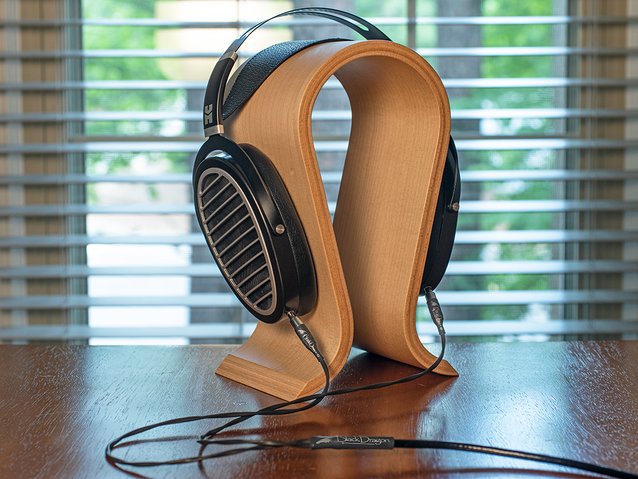
The category includes several types. Open-back headphones have vents in the ear cups. Closed-back headphones seal the rear of the driver. Planar-magnetic headphones use a thin, flat diaphragm and magnetic force across a wide area. Dynamic headphones use a conventional voice-coil driver.
None of these designs is automatically best. A well-tuned dynamic headphone can sound better to you than a poorly tuned planar model. The final result depends on the complete design, including the driver, ear cup, pads, headband, and tuning.
“Audiophile” does not mean “more accurate”
Some listeners prefer a neutral sound. Others like extra bass, bright treble, or a warm tone. A headphone can measure close to a target curve and still sound less enjoyable to a particular listener.
That is why reviews and measurements should guide a purchase, not replace your own taste. Frequency-response graphs are useful, but they do not show every part of the listening experience. They may not fully capture comfort, fit, sound leakage, imaging, or how a headphone works with your ears.
What benefits can audiophile headphones provide?
The main benefit is often a more satisfying and consistent listening experience, not simply louder sound.
Better tonal balance
tonal balance describes the relationship between bass, midrange, and treble. A balanced headphone may make voices sound natural while keeping bass and cymbals from overpowering the mix.
Basic headphones may have a strong bass boost or sharp treble. Some people enjoy that sound. Others may find it tiring during long sessions. A better-tuned headphone can make more types of music easy to enjoy.
More detail
Detail refers to small sounds that remain easy to hear. These may include:
- The texture of a guitar string
- A singer’s breath
- A quiet backing vocal
- Room sound around a drum kit
- Small changes in a piano note
More detail does not mean the recording contains new information. The headphone may simply present the information with less masking from excess bass, harsh treble, or distortion.
Better imaging and separation
Imaging is the sense of where sounds appear around you. Separation is how clearly you can follow different parts of a mix.
These traits can help with:
- Classical music
- Jazz
- Live recordings
- Complex rock
- Film soundtracks
- Competitive games
Open-back headphones often create a more open presentation than closed-back models. However, this effect varies by design, recording, and listener.
Greater comfort
Comfort is one of the most practical reasons to spend more. Higher-priced headphones may offer:
- Softer ear pads
- Better weight distribution
- A more stable headband
- Larger ear cups
- Replaceable pads
- Less pressure on the ears
A comfortable $150 headphone may be a better purchase than an uncomfortable $600 model. You will hear more music from the headphone you can wear for two hours.
Longer service life
Some audiophile headphones use replaceable cables, ear pads, and headbands. These parts wear out over time. A repairable design can reduce waste and extend the useful life of the product.
Still, price does not guarantee durability. Check the warranty, replacement-part availability, and return policy before buying.

What audiophile headphones do not automatically improve
Audiophile headphones cannot fix every weak part of a listening system. They also cannot guarantee that you will hear a dramatic improvement.
They do not make poor recordings perfect
A headphone can reveal flaws in a harsh or badly mixed recording. Some listeners like that honesty. Others prefer a smoother headphone that makes older or bright recordings easier to enjoy.
Your music library matters. A high-resolution file may preserve more data, but the benefit depends on the recording, playback chain, and your ability to hear the difference. “Lossless” does not mean every listener will hear a clear improvement over a well-encoded high-bitrate file.
They do not remove outside noise
Traditional audiophile headphones are often made for quiet rooms. Open-back models provide almost no useful isolation. You will hear traffic, air conditioners, conversations, and household noise.
Noise-canceling headphones use microphones and signal processing to reduce outside sound. They may be a better choice for airplanes, offices, and public transit. A quiet environment can improve your listening experience more than moving from a $200 headphone to a $700 headphone.
They do not always need a DAC or amplifier
A DAC converts digital audio into an analog signal. An amplifier increases the signal so the headphone can play at a suitable level.
Many phones, laptops, tablets, and USB adapters already include both. You may need extra equipment when:
- The headphone is too quiet at the highest safe setting
- The sound becomes strained at louder levels
- You hear electrical hiss
- Your source lacks the needed connection
- You need more inputs or volume control
Impedance and sensitivity help predict how easy a headphone is to drive. Impedance is measured in ohms. Sensitivity is commonly listed as sound pressure level per milliwatt or per volt. These specifications are not always presented in the same format, so direct comparisons can be difficult.
A high-impedance headphone is not automatically better. A low-impedance headphone is not automatically easier to drive. Check the manufacturer’s specifications and use a reputable power calculator when needed.
They do not guarantee perfect spatial sound
A wide soundstage can be enjoyable, but width is not the same as accuracy. Some headphones create width by changing the tonal balance. A narrower headphone may place sounds more precisely.
For gaming, imaging and positional consistency may matter more than a large soundstage. For music, the preferred presentation depends on the recording and your taste.

How much should you spend?
The best price depends on your use, not on a fixed audiophile budget. A useful way to think about spending is to pay for a clear benefit.
| Approximate U.S. price | What you may gain | Who it suits |
|---|---|---|
| Under $100 | Good sound from selected models, basic comfort | First upgrade from basic earbuds |
| $100–$300 | Strong tuning, better comfort, more model choice | Most home listeners |
| $300–$700 | Better materials, specialized designs, refined performance | Enthusiasts with clear preferences |
| Above $700 | Niche designs, premium construction, small performance gains | Experienced buyers who know what they want |
These ranges are broad. Sale prices, product revisions, warranties, and regional availability can change the value.
The law of diminishing returns
Headphone quality often improves quickly at first. Moving from a poor $30 headphone to a well-designed $120 model can bring a clear change. Moving from $300 to $1,000 may bring smaller changes that are more personal.
The expensive model may offer:
- A different sound signature
- Better comfort
- Lower distortion
- More spacious imaging
- Better materials
- A repairable design
Those benefits can matter. They are not always worth the extra money for every listener.
A simple value test
Before spending more, ask:
- What do I dislike about my current headphones?
- Can the new model fix that issue?
- Will I use it in a quiet enough place?
- Do I need a microphone, wireless connection, or noise cancellation?
- Can I return it if the fit or sound is wrong?
- Does it work with my current source?
- Are replacement pads and cables available?
If you cannot name the problem you want to solve, the cheaper option may be the better choice.

Open-back vs. closed-back: which is better?
Neither design is universally better. Choose based on your room, neighbors, and listening goals.
Open-back headphones
Open-back headphones allow air to move through the ear cups. They often provide a more natural or spacious presentation.
Advantages:
- More open sound
- Less pressure buildup around the ears
- Often useful for home listening
- Can feel cooler during long sessions
Limitations:
- Sound leaks out
- Outside noise comes in
- They are not suitable for shared rooms
- They provide little protection from nearby noise
Open-back headphones work well at a desk or in a quiet private room. They are a poor fit for a library, office, airplane, or bedroom shared with someone who is sleeping.
Closed-back headphones
Closed-back headphones seal the rear of the driver. They are more practical when you need isolation.
Advantages:
- Less sound leakage
- Better privacy
- More useful in shared spaces
- Often stronger bass impact
- Better suited to recording and monitoring
Limitations:
- Can feel warmer
- Some models create pressure or a closed-in sound
- Ear cup fit has a strong effect on bass
- Outside noise may still be audible
For one pair that must work in many places, closed-back headphones are usually more practical. For quiet home listening, open-back headphones may provide a more enjoyable experience.

Do you need a headphone amplifier or DAC?
Start with your source. Do not buy extra gear simply because a headphone is labeled audiophile.
Signs that your source is adequate
Your phone, laptop, or audio interface is probably adequate if:
- The headphone reaches a comfortable level well below maximum volume
- You do not hear hiss or buzzing
- The sound remains clean
- You do not need extra connections or controls
If these conditions are met, an amplifier may not produce a clear improvement.
Signs that extra equipment may help
Consider a dedicated device if:
- The headphones are too quiet
- Your laptop output has audible noise
- The device struggles with demanding headphones
- You want a balanced desktop setup for cable management
- You need a physical volume knob or multiple inputs
Balanced headphone connections can provide practical wiring and power benefits in some systems. They do not automatically make music sound better. The complete amplifier, cable arrangement, and headphone must support the connection.
Use the correct cable and connector. Do not assume that a balanced cable can be plugged into every output. Some connectors look similar but use different wiring.

Wired vs. wireless audiophile headphones
Wired headphones remain popular because they avoid battery limits and wireless compression. They are also simple to connect to a home amplifier, computer, or audio interface.
Wireless headphones offer clear practical benefits:
- No cable to manage
- Built-in controls
- Bluetooth support
- Active noise cancellation
- Easier use with modern phones
- Better travel convenience
Wireless models may use different Bluetooth codecs. The phone and headphone must support the same codec for that codec to work. Bluetooth performance also depends on software, firmware, connection conditions, and the headphone’s internal tuning.
A wired connection is not automatically more enjoyable. If a wireless headphone is more comfortable and lets you listen in a quiet mode with noise cancellation, it may deliver the better real-world result.
Choose wired when:
- You mainly listen at home
- You want no battery charging
- You use a dedicated music setup
- You need very low latency
- You want easy cable replacement
Choose wireless when:
- You commute or travel
- You need active noise cancellation
- You use a phone without a headphone jack
- You value convenience more than upgrade flexibility
- You want one device for music and calls
Are audiophile headphones worth it for gaming?
They can be worth it for gaming, but music-focused headphones are not always the best gaming purchase.
For games, look for:
- Accurate left-right imaging
- Clear midrange detail
- Comfortable long-session fit
- Low latency for wireless use
- A suitable microphone or room for a separate microphone
- A connection that works with your console or PC
A large soundstage can help some players notice distant sounds. It can also make sounds seem farther away than they are. Imaging is usually more useful than simple width.
Virtual surround and spatial audio can change the presentation. Test them with the games you play. Some players prefer stereo because it sounds clearer and more direct.
A gaming headset may provide better value if you need a microphone, chat controls, and console support. A separate audiophile headphone can make sense if music quality is equally important and you already have a microphone.
Are audiophile headphones worth it for music production?
They can help with editing and critical listening, but no headphone should be your only reference.
Closed-back headphones are common for recording because they reduce sound leaking into a microphone. Open-back headphones may help with mixing in a quiet room because they can sound less enclosed.
The main risk is mixing only on one headphone. A mix can sound balanced on your model but too bright, too bass-heavy, or too quiet elsewhere.
For production, use several checks:
- Listen on your main headphones
- Check on basic earbuds
- Check on speakers when possible
- Use reference tracks
- Compare at safe, moderate volume
- Take breaks during long sessions
A neutral headphone can be useful, but “neutral” is not a guarantee that your mixes will translate perfectly.

How to choose audiophile headphones
Use this process before you buy.
1. Define where you will listen
Choose open-back models for quiet private rooms. Choose closed-back or noise-canceling models for shared and noisy spaces.
2. Set a real budget
Include the cost of:
- Replacement pads
- A suitable cable
- A DAC or amplifier, if needed
- Shipping or return costs
- A microphone, if required
Do not spend your entire budget on the headphone if your source, fit, or environment is a bigger problem.
3. Identify your sound preference
Think about your current headphones.
- Too much bass? Look for a more balanced tuning.
- Too little bass? Look for a model with controlled low-end lift.
- Harsh vocals or cymbals? Avoid excessive upper-midrange or treble energy.
- Dull sound? Consider more treble, but be careful with listening fatigue.
- Small presentation? Consider an open-back design if your room allows it.
Use measurements as a starting point. Then read reviews that discuss fit, comfort, leakage, and real use.
4. Check power and connections
Confirm:
- Plug type
- Cable length
- Impedance
- Sensitivity
- Device compatibility
- Whether the cable is replaceable
- Whether your source has enough output
Do not assume that a USB-C headphone, Bluetooth headphone, and traditional wired headphone work in the same way.
5. Confirm the return policy
Headphones interact with the shape of your head and ears. A model that fits one person may press too hard on another. Buy from a seller with a clear return policy, and check hygiene restrictions before opening the package.
6. Compare at the same volume
A louder headphone often sounds better during a quick comparison. Match volume as closely as possible before judging detail, bass, or clarity.
Listen to familiar tracks. Use several types of music, not just one song designed to sound impressive.

Common mistakes to avoid
Buying by price alone
High cost can pay for materials, small production runs, brand position, or unusual design. It does not prove that the headphone suits your ears.
Ignoring comfort
A technically strong headphone is poor value if it causes pain after 20 minutes. Check clamp force, ear cup size, weight, pad material, and headband pressure.
Choosing open-back headphones for noisy rooms
Open-back models cannot cancel traffic or conversations. They can also disturb people nearby.
Assuming a bigger amplifier always sounds better
More power is useful only when power is the problem. Extra volume can increase hearing risk without improving quality.
Using a poor fit
A weak seal can reduce bass on closed-back headphones. Glasses, hair, and ear shape can affect the seal. Adjust the headband and ear cups before judging the sound.
Forgetting hearing safety
The National Institute on Deafness and Other Communication Disorders warns that repeated exposure to loud sound can damage hearing. Keep the volume as low as practical, take breaks, and give your ears quiet time.
If you notice ringing, muffled hearing, pain, or reduced hearing after listening, stop and seek medical advice. Do not use expensive headphones as a reason to listen louder.
Frequently asked questions
Are expensive headphones always better?
No. Expensive headphones may offer better materials, comfort, repair options, or specialized performance. They may also have a sound you dislike. A well-tuned mid-priced headphone can be the better choice.
Can audiophile headphones work with a phone?
Many can. The key factors are the phone’s connection, the headphone’s impedance and sensitivity, and the available volume. Some demanding models may need a USB audio adapter or portable amplifier.
Do audiophile headphones need lossless music?
No. Lossless files can preserve the original audio data, but the audible benefit depends on the recording, playback equipment, and listener. A good headphone can still sound excellent with ordinary streaming quality.
Are open-back headphones better for music?
They can sound more open and natural in a quiet room. They are not better when you need isolation, privacy, or low sound leakage.
Should I buy headphones or earbuds?
Choose headphones for larger ear cups, long home sessions, and often stronger comfort. Choose earbuds for portability, exercise, and convenience. Fit and personal comfort should decide the final choice.
Are audiophile headphones good for hearing?
No headphone protects hearing by being expensive. Hearing risk depends mainly on volume, exposure time, and repeated use. Use moderate volume and take regular breaks.
Final verdict: are audiophile headphones worth it?
Audiophile headphones are worth it when the benefits match your listening habits. They make the most sense for people who listen at home, care about sound quality, want long-session comfort, or need a specific sound for music, games, or production.
They are less compelling when you mainly need noise cancellation, wireless convenience, a microphone, or a simple travel solution. In those cases, a good wireless headset may serve you better.
For most U.S. buyers, the safest approach is to choose a comfortable, well-reviewed model in a reasonable price range, confirm that it works with your devices, and buy from a seller with a fair return policy. Start with the problem you want to solve—not the price tag or the “audiophile” label.
Research notes and source basis
The technical and safety guidance in this article is based on publicly available information from:
- National Institute on Deafness and Other Communication Disorders: Noise-Induced Hearing Loss
- World Health Organization: Safe Listening
- Audio Engineering Society: Technical resources
- RTINGS: Headphone testing methodology
- Apple Support: Headphone audio and hearing features
Prices, product availability, device support, firmware, and manufacturer specifications can change. Check the exact product page and support documentation before buying.

Everett Ashford is a tech reviewer at mytechgrid.com specializing in SSDs, cameras, TVs, earbuds, headphones, and other consumer electronics. He provides honest, data-driven reviews based on hands-on testing and real-world performance analysis. Everett simplifies complex tech details to help readers make smart, confident buying decisions.