Shokz OpenRun Pro 2 is the best bone conduction headphone for most runners, commuters, and active listeners.
Choosing the best bone conduction headphones depends on fit, sound, battery life, safety, and where you plan to use them. After comparing leading models and studying how bone conduction works, I find the Shokz OpenRun Pro 2 the strongest all-around choice, while other models may suit swimmers, budget buyers, or people who want extra awareness outdoors.
What are bone conduction headphones?
Bone conduction headphones send sound through small transducers that rest on your cheekbones. These transducers create vibrations that travel through the bones near your ears and reach the inner ear.
Unlike regular earbuds, they do not seal the ear canal. You can still hear traffic, people, bike bells, and other sounds around you. That makes them useful for outdoor exercise and daily tasks.
The sound path may feel unusual at first. It is a little like hearing music through a gentle vibration rather than through a tiny speaker inside your ear.
Bone conduction headphones do not bypass the inner ear. They still rely on the cochlea and auditory nerve. This means they may not work well for every type of hearing loss, so people with hearing concerns should ask an audiologist for advice.

What is the best bone conduction headphones for most people?
For most users, the Shokz OpenRun Pro 2 is the best bone conduction headphones option. It offers a light design, strong battery life, clear calls, better bass than many older bone conduction models, and an open-ear fit that keeps you aware of your surroundings.
Its main weakness is that it does not sound as full as quality in-ear earbuds. That is normal for this design. Bone conduction headphones trade some bass and isolation for comfort and awareness.
Here is how the leading options compare:
| Model | Best for | Main strengths | Main limitation |
|---|---|---|---|
| Shokz OpenRun Pro 2 | Most users | Good sound, comfort, battery, and calls | Costs more than basic models |
| Shokz OpenRun | Running and value | Light, reliable, simple controls | Older sound and charging design |
| Shokz OpenMove | Budget buyers | Low price and open-ear awareness | Less refined fit and audio |
| Suunto Wing | Outdoor athletes | Strong controls, lights, and workout features | Bulkier and often pricier |
| Shokz OpenSwim Pro | Swimmers | Swim use and built-in music storage | Bluetooth does not work underwater |
| Mojawa Run Plus | Training and high volume | Powerful output and sport-focused fit | Availability and app support vary |
The best bone conduction headphones are not always the most expensive. The right model should match your activity, head size, phone, and need for water protection.

Shokz OpenRun Pro 2: best overall choice
The Shokz OpenRun Pro 2 is the best bone conduction headphones pick for people who want one pair for running, walking, travel, and work. Its open-ear design lets you listen without blocking the world around you.
The headset uses a flexible band that sits behind your head. It stays in place during most runs, although the fit may feel less secure during sharp movements or contact sports.
Key strengths include:
• Clear speech for podcasts, calls, and audiobooks
• Better low-end sound than many older bone conduction designs
• Long battery life for daily use
• Quick charging for short trips
• Water resistance for sweat and light rain
• Physical buttons that are easy to use while moving
The Pro 2 is not fully waterproof for swimming. It is also not the best choice if you want deep bass, strong noise blocking, or private listening in a loud room.
In practical comparisons, the biggest lesson is simple: open-ear audio works best when awareness matters more than rich music. If your main goal is enjoying music on a quiet train, regular earbuds will usually sound better.

Best bone conduction headphones by use
Best for running
The Shokz OpenRun Pro 2 is a strong choice for road running. It keeps your ears open, feels light, and provides enough volume for spoken content and most music.
The standard Shokz OpenRun is also a good option if you want to spend less. It has fewer refinements, but its fit and simple controls remain useful.
Best for swimming
The Shokz OpenSwim Pro is designed for swimming. It stores music on the headset because Bluetooth signals do not travel well through water.
This is an important detail. You cannot depend on a phone connection while swimming laps. Download music or audio files before entering the pool, and check the device’s water rating and care instructions.
Best for cycling and commuting
The best bone conduction headphones for cycling should provide clear sound without blocking road noise. The Shokz OpenRun Pro 2 and Suunto Wing are both suitable for this use.
No headphones can make cycling safe by themselves. Keep the volume low enough to hear vehicles, use bike lights, follow local laws, and avoid wearing headphones in situations that require full attention.
Best budget option
The Shokz OpenMove is often a sensible low-cost entry point. It gives you the core benefit of bone conduction: open ears and a stable fit.
Expect compromises in comfort, bass, microphone quality, and charging convenience. A cheaper model is worthwhile when you mainly listen to podcasts or use headphones for short walks.
Best for work calls
The OpenRun Pro 2 is better for calls than many older models. Still, microphone performance can change with wind, traffic, and room noise.
For long office calls, a comfortable headset with a boom microphone may perform better. Bone conduction headphones are most useful when you need to move around and remain aware of your surroundings.
How to choose the best bone conduction headphones
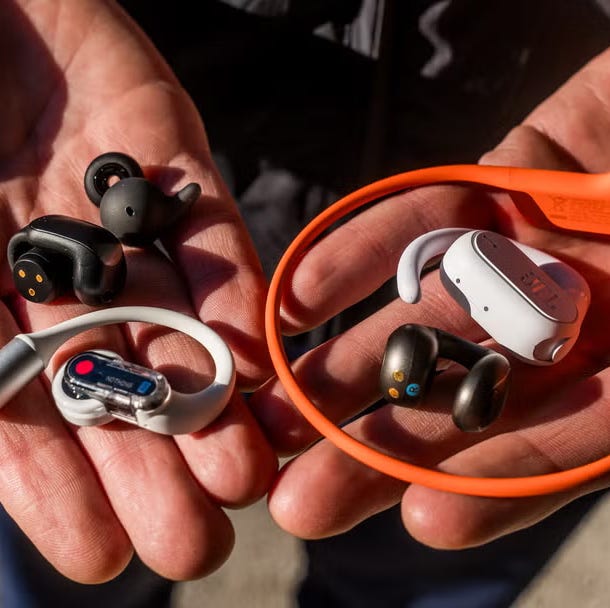
Use these points before you buy:
Fit and comfort
A good headset should sit gently in front of your ears. It should not press hard against your cheekbones or squeeze your head.
The rear band should stay stable without pulling your glasses or rubbing your neck. If possible, try the headphones with your usual hat, sunglasses, or helmet.
Sound quality
Bone conduction headphones usually produce less bass than sealed earbuds. They are excellent for voices, podcasts, navigation, and casual music.
Some newer models combine bone conduction with air conduction or improved transducers. These designs may sound fuller, but they still cannot fully match a sealed earbud with a good acoustic seal.
Battery life
Look for enough battery life for your normal day. A runner may need only a few hours, while a traveler may want a full workday.
Fast charging is useful when you forget to charge overnight. A short charge before a walk can provide enough listening time for many models.
Water resistance
Sweat resistance is not the same as waterproofing. Check the exact IP rating and the manufacturer’s instructions.
For pool use, choose a model made for swimming. For running in rain, a water-resistant model may be enough. Do not assume that every open-ear headset can be submerged.
Controls and phone support
Physical buttons are often easier than touch controls during exercise. Check whether the headset works with your phone’s calls, voice assistant, and music apps.
Most models use Bluetooth for phone audio. Bluetooth connections may drop near crowded wireless areas, inside some gyms, or when the phone is far from the headset.
Sound leakage
Open-ear headphones can leak sound. People nearby may hear your music if the volume is high.
This matters in quiet offices, libraries, and airplanes. Keep the volume modest and choose regular earbuds when privacy is important.

Benefits of bone conduction headphones
The best bone conduction headphones offer several practical benefits:
• They keep the ear canals open.
• They help users stay aware of traffic and nearby people.
• They can feel more comfortable than earbuds for some listeners.
• They do not create the plugged-up feeling that some in-ear models cause.
• They are useful for running, walking, cycling, and outdoor work.
• They work well for podcasts, spoken instructions, and phone calls.
• They can fit under some helmets and hats.
Many users also like them because they do not fall out as easily as loose earbuds. The wraparound design acts like a gentle frame around the head.
However, open ears do not mean unlimited safety. Loud sound can still affect hearing because the inner ear receives the sound vibrations. The World Health Organization and hearing specialists recommend keeping listening levels moderate and taking breaks.

Limitations and common mistakes
Bone conduction headphones are not perfect. Knowing their limits helps you avoid disappointment.
The first issue is sound quality. If you love deep electronic bass, orchestral detail, or a private listening experience, high-end earbuds or headphones will likely perform better.
The second issue is fit. A headset that feels fine for a 20-minute walk may become uncomfortable during a two-hour run. Pressure around the cheekbones is a sign that the model or size may not suit you.
The third issue is background noise. Open-ear headphones can struggle near airplanes, loud gyms, busy streets, and construction sites. Raising the volume to overpower that noise can increase hearing risk.
Avoid these common mistakes:
• Buying a swim model without checking how music is loaded
• Assuming water resistance means full waterproofing
• Wearing high volume near traffic
• Expecting strong bass from a traditional bone conduction design
• Ignoring pressure or pain around the cheekbones
• Using headphones in situations where full hearing is essential
• Forgetting that people nearby may hear your audio
A useful rule is to choose the headphones for the environment, not only for the product specifications.

Are bone conduction headphones safe?
For many people, bone conduction headphones are safe when used at a moderate volume. Their open design may help you hear your surroundings, but it does not remove the risk of hearing damage.
The risk depends on volume, listening time, and personal sensitivity. If you notice ringing, muffled hearing, pain, or unusual sound sensitivity, stop listening and speak with a qualified health professional.
Keep these habits:
-
Start at a low volume.
-
Take regular listening breaks.
-
Do not increase the volume just to defeat traffic or gym noise.
-
Keep the headset clean and dry.
-
Stop using it if the fit causes pain or skin irritation.
-
Use extra caution around roads, water, and machinery.
Open-ear awareness is helpful, but it is not a substitute for attention. A runner should still look before crossing a street. A cyclist should still follow traffic rules.
How I would test the best bone conduction headphones
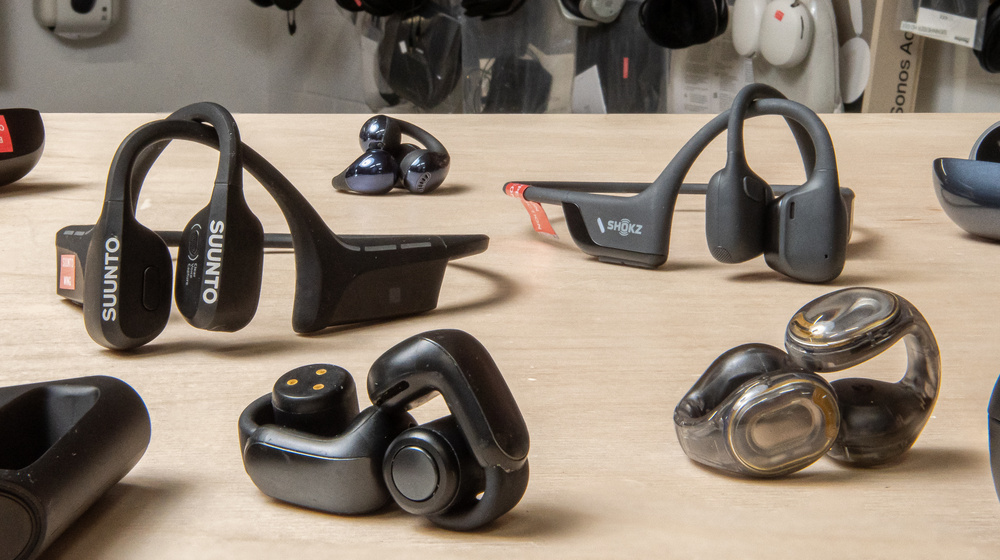
A useful test should cover more than sound. I would use the headset during a walk, a workout, a phone call, and a quiet indoor session.
I would also check whether the band moves when turning the head, whether glasses change the fit, and whether the buttons are easy to press while sweating. These small details often matter more than a minor difference in battery life.
My practical lesson is to test comfort before judging audio. Many buyers focus on bass or Bluetooth range, then discover that the headset creates pressure after an hour. Comfort decides whether a product becomes part of your routine or stays in a drawer.
For a fair comparison, check:
• Comfort after at least 30 to 60 minutes
• Speech clarity in a quiet room and outdoors
• Stability during walking and running
• Battery performance over several days
• Ease of charging
• Call quality in light wind
• Water protection for your actual activity
• Return policy in case the fit does not work
Product names and features can change over time. Check the current manufacturer specifications before buying, especially for battery capacity, water rating, app support, and included accessories.
Bone conduction headphones vs. earbuds
Bone conduction headphones keep the ear canal open, while earbuds place speakers inside or near the ear. Each design solves a different problem.
Choose bone conduction headphones when you value awareness, comfort without ear tips, and a secure fit for outdoor activity. Choose earbuds when you want stronger bass, noise cancellation, privacy, or better sound detail.
Some listeners own both. They use bone conduction headphones for running and earbuds for flights, focused work, or music at home.
Neither option is best for everyone. The best bone conduction headphones are the better tool when hearing your environment matters more than isolation.
Frequently asked questions about what is the best bone conduction headphones
What is the best bone conduction headphones overall?
The Shokz OpenRun Pro 2 is the best bone conduction headphones choice for most people. It balances comfort, sound, battery life, call quality, and open-ear awareness.
Are bone conduction headphones better than earbuds?
They are better when you want to hear traffic, people, and outdoor sounds. Earbuds are usually better for bass, privacy, noise reduction, and detailed music.
Can bone conduction headphones damage hearing?
They can still contribute to hearing damage if used at high volume for long periods. Keep the volume moderate, take breaks, and stop listening if you notice ringing or muffled hearing.
Can you swim with bone conduction headphones?
Only models made for swimming should be used in a pool. Swimming headphones often store audio internally because Bluetooth does not work reliably underwater.
Do bone conduction headphones work with glasses?
Most models work with glasses, but the fit depends on the shape of both products. Try the headset with your normal glasses and check for pressure near the ears and cheekbones.
Do bone conduction headphones have good bass?
Traditional models usually have less bass than sealed earbuds. Newer designs can sound fuller, but they still prioritize open-ear awareness over deep, private audio.
Are bone conduction headphones good for phone calls?
Many are good for quiet rooms and light outdoor use. Wind, traffic, and crowds can reduce microphone clarity, so a headset with strong noise handling is preferable for frequent calls.
Conclusion
The Shokz OpenRun Pro 2 is the best bone conduction headphones option for most runners, walkers, commuters, and active listeners. It delivers a comfortable open-ear fit, clear everyday sound, useful battery life, and strong awareness of your surroundings.
Choose the Shokz OpenSwim Pro for swimming, the OpenMove for a lower price, or a sport-focused model when workout features matter most. Before you buy, focus on fit, water protection, volume habits, and your real listening environment.
Try to match the headset to your daily life rather than chasing the longest battery or loudest sound. Compare current prices and specifications, then share your experience or questions in the comments.

Everett Ashford is a tech reviewer at mytechgrid.com specializing in SSDs, cameras, TVs, earbuds, headphones, and other consumer electronics. He provides honest, data-driven reviews based on hands-on testing and real-world performance analysis. Everett simplifies complex tech details to help readers make smart, confident buying decisions.