No. Bone-conduction headphones are one type of open-ear headphone, but not all open-ear headphones use bone conduction.
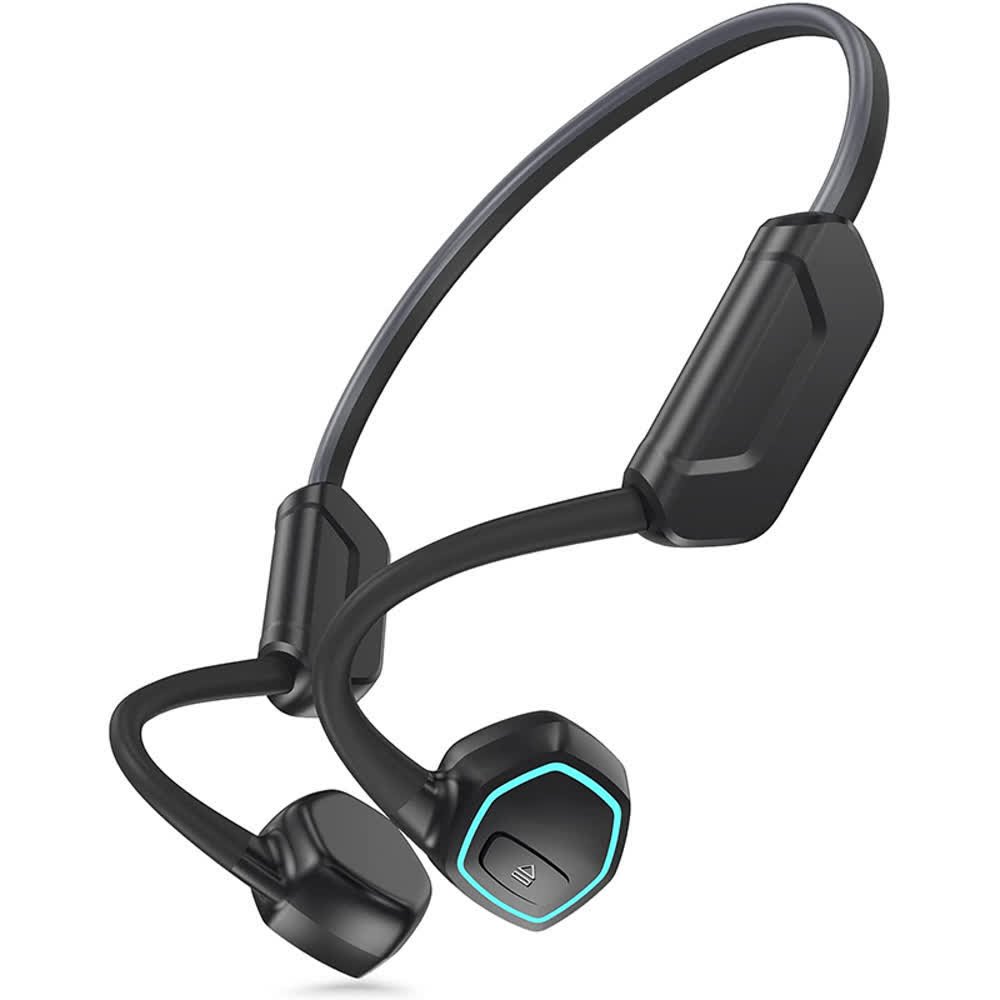
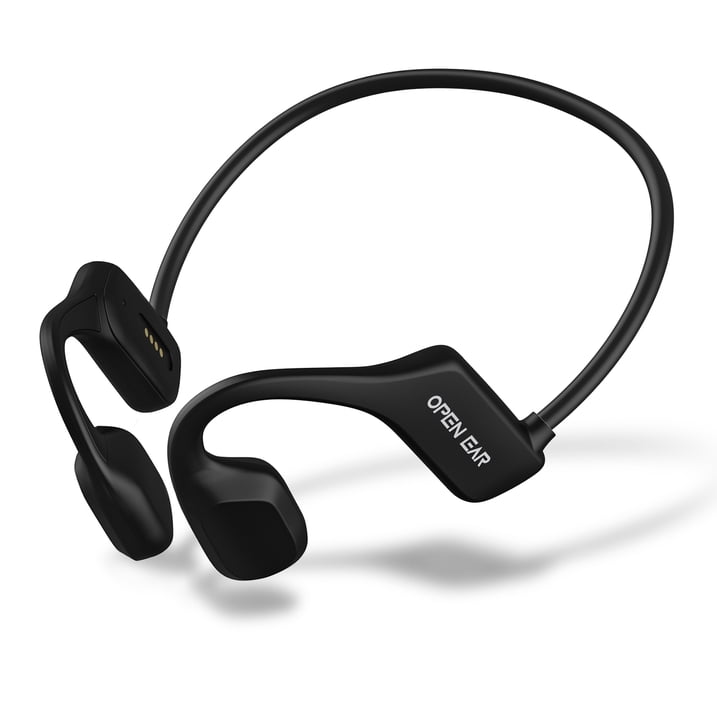
Open-ear headphones keep your ear canals uncovered. Some do this with small speakers that send sound through the air toward your ears. Bone-conduction headphones use pads that rest near your cheekbones and send vibrations through the bones of your skull to your inner ear.
The difference affects sound quality, comfort, sound leakage, hearing needs, and how well you hear traffic around you. This guide explains how both designs work and which one may fit your needs in the United States.
The Short Answer: Bone Conduction Is a Type of Open-Ear Design
“Open-ear” describes where the headphones sit and whether they block the ear canal. “Bone conduction” describes how the headphones deliver sound.
This means the terms are related but not interchangeable:
| Feature | Open-ear headphones | Bone-conduction headphones |
|---|---|---|
| Main meaning | A broad headphone category | A specific sound-delivery method |
| Ear canal | Usually left uncovered | Left uncovered |
| Sound path | Often travels through the air | Travels as vibration through the skull |
| Speaker position | Near, above, or outside the ear | Usually on the cheekbones in front of the ears |
| Earbuds required | No | No |
| Awareness of nearby sound | Usually preserved | Usually preserved |
| Best-known trade-off | More sound leakage than sealed earbuds | Less bass and a different sound feel |
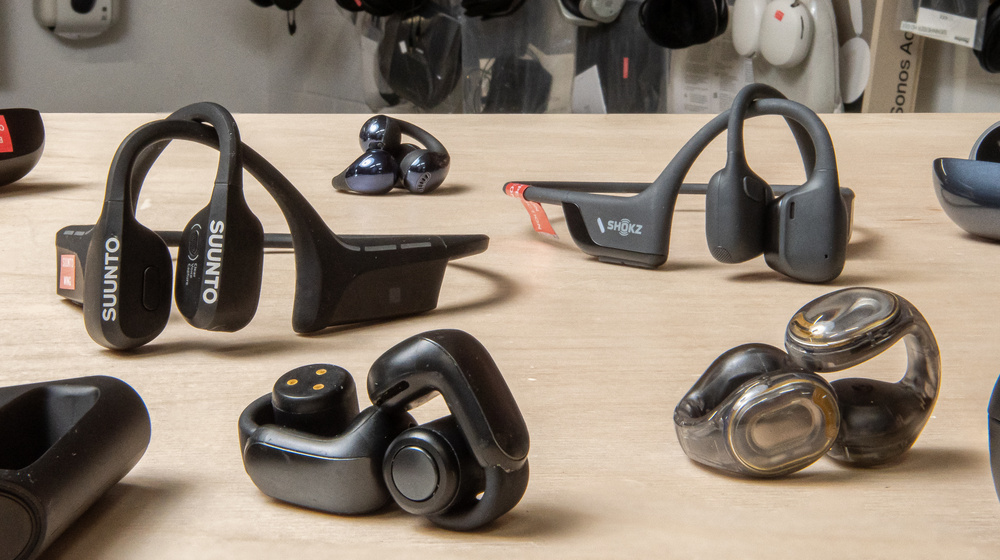
Some open-ear models use directional air speakers. These speakers sit near the ear and aim sound toward the ear canal without sealing it. Other open-ear models use bone conduction.
So, the most accurate answer is:
Every bone-conduction headphone is open-ear, but many open-ear headphones are not bone-conduction headphones.
How Open-Ear Headphones Work
Most open-ear headphones use tiny air speakers placed near your ears. The speakers send sound through the air, much like a small speaker in a room.
The headphones may sit:
- Above or beside the ear
- On the temple area
- On a lightweight band around the neck or behind the head
- On the outer ear without entering the ear canal
Because the ear canal stays open, outside sounds can reach your ears naturally. You may hear a car horn, a coworker, a train announcement, or a cyclist nearby while music plays.
What “open ear” does not always mean
The label can be used broadly. An open-ear headset may have:
- Air-conduction speakers near the ear
- Bone-conduction transducers on the cheekbones
- A design that rests on the outer ear but does not seal the canal
For that reason, check the product specifications. Look for terms such as air conduction, directional audio, open-ear speaker, or bone conduction.
How Bone-Conduction Headphones Work
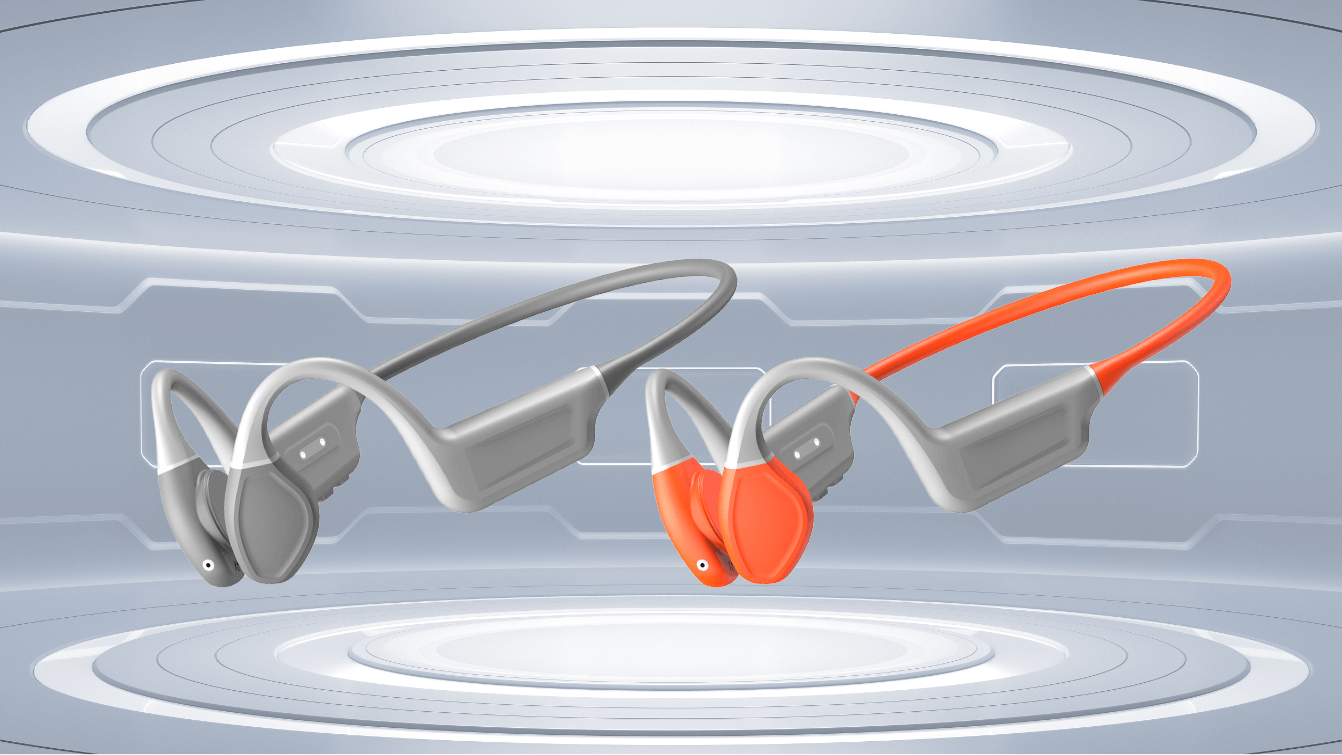
Bone-conduction headphones create small vibrations. The pads press gently against the bones near the front of your ears, often called the cheekbones or temporal bone area.
The vibrations travel through the skull to the inner ear. The inner ear then processes those signals and sends information to the brain through the auditory nerve.
This route avoids the outer ear and much of the middle ear. However, bone conduction does not bypass the inner ear or the auditory nerve. Those parts still play a key role in hearing.
A simple way to picture it is this:
- Air-conduction headphones: sound moves through the air, into the ear canal, through the eardrum and middle ear, then to the inner ear.
- Bone-conduction headphones: vibrations move through the skull to the inner ear.
Bone conduction is not the same as hearing through your teeth or feeling music in your head. You still hear a mix of the headphone signal and the sounds around you.
Why bone-conduction headphones can feel different
Bone-conduction headphones often produce less deep bass than sealed earbuds or over-ear headphones. Users may also notice:
- A light vibration at higher volume
- A thinner or less full music sound
- A more speaker-like listening experience
- Changes in sound when the pads move away from the cheekbones
These effects vary by design, fit, music type, and listening volume.

Open-Ear vs. Bone-Conduction Headphones
Both designs leave the ear canal open, but they solve different problems.
Sound quality
Open-ear air-conduction headphones often provide clearer music detail and stronger bass than bone-conduction models. Their speakers are closer to the normal path used by sound.
Bone-conduction headphones can sound less rich, especially with bass-heavy music. They may work well for podcasts, calls, navigation prompts, and casual music. They are less likely to satisfy someone who wants a sealed, immersive listening experience.
Awareness of your surroundings
Both designs can help you hear external sounds because neither fully blocks the ear canal.
Still, awareness is not guaranteed. Loud music, busy streets, wind, traffic, and poor judgment can reduce your ability to notice danger. Neither type makes walking, running, or cycling automatically safe.
Sound leakage
Both styles can leak sound because they do not seal the ear.
Air-conduction models may be heard by people nearby, especially at high volume. Bone-conduction models can also leak sound through vibration and small external speakers. The amount depends on the model, fit, volume, and environment.
If you need privacy in a quiet office, library, airplane cabin, or shared room, sealed earbuds or over-ear headphones may work better.
Comfort
Open-ear air-conduction headphones place pressure near the ear. Bone-conduction headphones place pressure on the cheekbones.
Comfort depends on head shape, glasses, helmets, hair, and how tightly the band fits. Bone-conduction models may feel better for people who dislike ear tips. They may feel uncomfortable if the pads press too firmly or if the user wears them for many hours.
Calls and microphones
Many open-ear and bone-conduction models include microphones for calls. The microphone may pick up wind, traffic, or other background noise.
A model that sounds clear for music may not perform as well for calls. If you take calls outdoors, check independent microphone tests when possible rather than relying only on the manufacturer’s claim.
Which Type Should You Choose?
Choose based on your main use, not the label alone.
| Your main need | Usually the better starting point | Why |
|---|---|---|
| Hear traffic while walking or running | Either open-ear type | Both leave the ear canal open |
| Better music detail and bass | Open-ear air conduction | It sends sound through the air near the ear |
| No ear tips or ear cups | Either type | Both can avoid blocking the ear canal |
| Podcasts and navigation prompts | Either type | Speech often needs less bass |
| Swimming | A model specifically rated for swimming | General water resistance is not enough |
| Very quiet workplaces | Sealed earbuds or headphones | Open designs can leak sound |
| Conductive hearing problems | Ask an audiologist | Bone conduction may not suit every condition |
| Use with a bicycle helmet | Check the exact fit | Bands and frames may interfere |
| Use with glasses | Try the frame with your glasses | Pressure points differ by design |
For running and walking
Both types can work well when you want to hear your surroundings. Pick the model that stays in place without pressing hard.
Keep the volume low enough to hear important sounds. Do not assume that an open-ear design protects you from traffic. A clear view, safe route, and attention to your environment still matter.
For cycling
Open-ear headphones may help you hear more than sealed earbuds, but they do not remove the risks of distraction. Local traffic laws may also affect headphone use while cycling.
Check the fit with your helmet before buying. A rear band or ear hook can cause pressure or prevent a helmet from sitting correctly.
For office work
Open-ear headphones can help you stay aware of coworkers. They may also bother nearby people because of sound leakage.
Air-conduction models often offer better speech clarity. Bone-conduction models may feel less intrusive to the ear, but they can still be audible to people sitting nearby.
For travel
Open-ear headphones rarely block engine noise well. In a plane, train, or bus, you may raise the volume to overcome background noise. That can increase hearing risk and reduce awareness of announcements.
Noise-canceling earbuds or over-ear headphones generally work better for blocking steady background noise. Use open-ear models when awareness matters more than isolation.

Are Bone-Conduction Headphones Better for Hearing?
Not automatically. Bone-conduction headphones can be useful for people who do not want objects inside their ear canals. They may also be helpful in some cases of conductive hearing loss, but they are not a universal treatment.
Hearing loss has many causes. Bone conduction may not solve problems involving the inner ear or auditory nerve. A medical bone-conduction hearing device is also different from ordinary consumer headphones.
If you have hearing loss, ear pain, ringing, drainage, dizziness, or a sudden change in hearing, seek advice from a licensed audiologist or medical professional. Do not use consumer headphones as a substitute for a hearing evaluation.
For general listening, both open-ear types can still produce loud sound. Leaving the ear canal open does not make high volume harmless.
Are Open-Ear Headphones Safer for Your Hearing?
Open-ear headphones may reduce the urge to block outside sound, but they are not automatically safer.
Hearing risk depends mainly on:
- How loud the sound is
- How long you listen
- How often you listen
- Whether background noise makes you turn up the volume
- Your personal sensitivity and hearing health
The National Institute for Occupational Safety and Health uses 85 dBA over an 8-hour workday as a recommended exposure limit, with exposure time falling as sound gets louder. Consumer headphones do not always show the sound level reaching your ears, so treat volume estimates as approximate.
Practical habits include:
- Start at a low volume.
- Keep enough volume to understand the audio without making it dominant.
- Take quiet breaks.
- Lower the volume in noisy places instead of competing with the noise.
- Stop if you notice ringing, muffled hearing, pain, or unusual sensitivity.
Open-ear headphones also do not provide hearing protection. They do not replace earplugs or earmuffs around firearms, power tools, concerts, construction equipment, or other loud sources.

Water Resistance, Sweat, and Swimming
An open-ear design does not tell you whether headphones are waterproof.
Look for the exact IP rating and the manufacturer’s instructions. A rating for sweat or rain may not cover:
- Swimming
- Salt water
- Chlorinated water
- Submersion
- Shower use
- High-pressure water
Some bone-conduction headphones are made for swimming and use internal storage because Bluetooth signals do not travel well through water. A standard Bluetooth model may lose connection underwater even if it can survive splashes.
Do not charge wet headphones. Dry the charging contacts and follow the product’s care instructions.
Common Mistakes to Avoid
Assuming all open-ear headphones use bone conduction
This can lead to the wrong expectations about sound. Check whether the model uses air speakers or bone-conduction transducers.
Expecting strong noise isolation
Open-ear headphones are designed to keep you connected to your environment. They are not a good choice when you need to block airplane, subway, or machinery noise.
Turning the volume up in loud places
This removes much of the benefit of an open design and may increase hearing risk. Use hearing protection or noise-isolating headphones when the environment is loud.
Treating “water-resistant” as “safe for swimming”
Water ratings have limits. Read the model’s instructions and confirm whether submersion is allowed.
Ignoring fit with glasses or helmets
A design that feels light at home may cause pressure during a long run or ride. Test the fit with the accessories you normally wear.
Expecting private listening
Open-air sound can be heard by nearby people. Bone conduction may reduce some outward sound in certain situations, but it does not guarantee privacy.
Frequently Asked Questions
Are open-ear headphones better than bone-conduction headphones?
Neither is better for everyone. Open-ear air-conduction headphones often sound fuller, while bone-conduction headphones may suit people who dislike ear tips and want the ear area to stay uncovered.
Can you hear your surroundings with bone-conduction headphones?
Usually, yes. The ear canals remain open, so outside sound can reach your ears. Loud playback, wind, and traffic can still reduce awareness.
Do bone-conduction headphones damage hearing?
They can still expose your inner ear to loud sound. The fact that sound reaches the inner ear through bone does not make unlimited volume safe. Use moderate volume and take listening breaks.
Can people hear what you are listening to?
Yes. Open-ear and bone-conduction headphones can leak sound. Leakage tends to increase with volume and may be noticeable in quiet places.
Are bone-conduction headphones good for phone calls?
They can work well for calls, especially when awareness matters. Call quality depends on the microphone, wind control, background noise, and fit. Check independent tests if calls are a main reason for buying.
Can bone-conduction headphones help with hearing loss?
They may help with some types of conductive hearing loss, but ordinary consumer headphones are not medical hearing devices. Ask an audiologist for advice based on the type and cause of your hearing loss.
Are open-ear headphones safe for driving?
Do not treat them as a safety feature. Audio can distract you, and local laws may restrict headphone use while driving. Follow state law and keep your full attention on driving.
Key Takeaways
- Bone-conduction headphones are a type of open-ear headphone.
- Not all open-ear headphones use bone conduction.
- Open-ear air-conduction models use speakers near the ears.
- Bone-conduction models send vibrations through the skull to the inner ear.
- Both designs can preserve awareness of outside sound.
- Neither design guarantees safety, privacy, strong bass, or hearing protection.
- Choose air conduction for a more familiar sound in many cases.
- Choose bone conduction if you prefer no ear tips and can accept a different sound profile.
- Check fit, sound leakage, microphone quality, water rating, and volume limits before buying.
Conclusion
Open-ear and bone-conduction headphones are not the same. Open-ear is the larger category, while bone conduction is one way to deliver sound without covering the ear canal.
For richer music, open-ear air-conduction headphones may be the better fit. For users who dislike earbuds or want the ear canal fully clear, bone-conduction headphones may be more comfortable. In both cases, keep the volume moderate, stay alert, and choose a design that fits your actual environment.
Before buying, check the product’s sound method, water rating, microphone performance, return policy, and compatibility with glasses or helmets. For hearing concerns, use a qualified audiologist rather than relying on marketing terms.
Sources
- National Institute for Occupational Safety and Health: Criteria for a Recommended Standard—Occupational Noise Exposure
- CDC: Preventing Noise-Induced Hearing Loss
- World Health Organization: Safe Listening
- FDA: Hearing Aids and Personal Sound Amplification Products

Everett Ashford is a tech reviewer at mytechgrid.com specializing in SSDs, cameras, TVs, earbuds, headphones, and other consumer electronics. He provides honest, data-driven reviews based on hands-on testing and real-world performance analysis. Everett simplifies complex tech details to help readers make smart, confident buying decisions.