Yes, bone conduction headphones sound good for calls, podcasts, and outdoor use, but they lack deep bass.
The answer depends on what you expect from them. Bone conduction headphones send sound through your cheekbones instead of sealing your ear canals, so they create a useful mix of music and environmental awareness. After comparing them with traditional earbuds, I find they work best for safety, comfort, speech, and casual listening rather than rich, room-filling audio.

How Bone Conduction Headphones Work
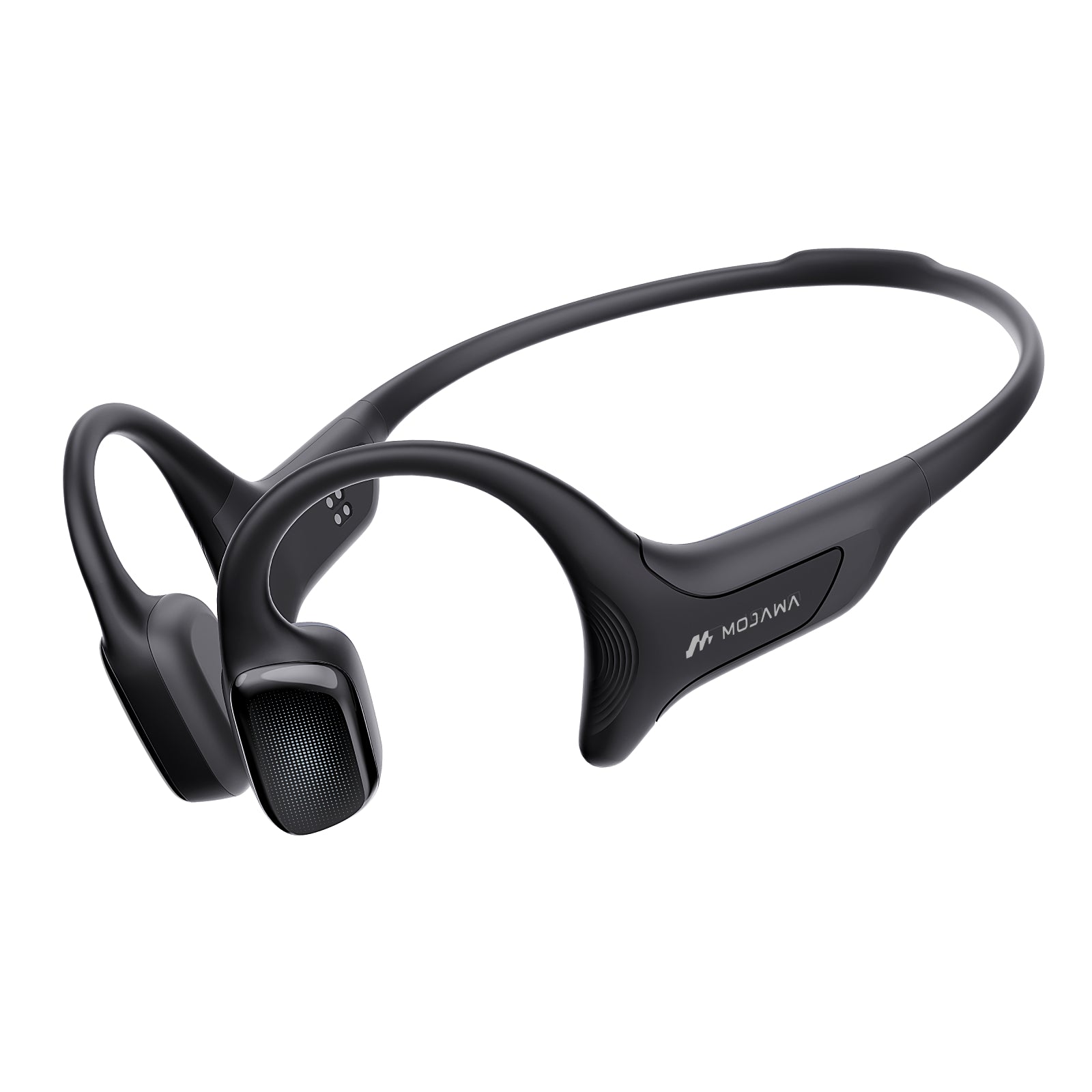
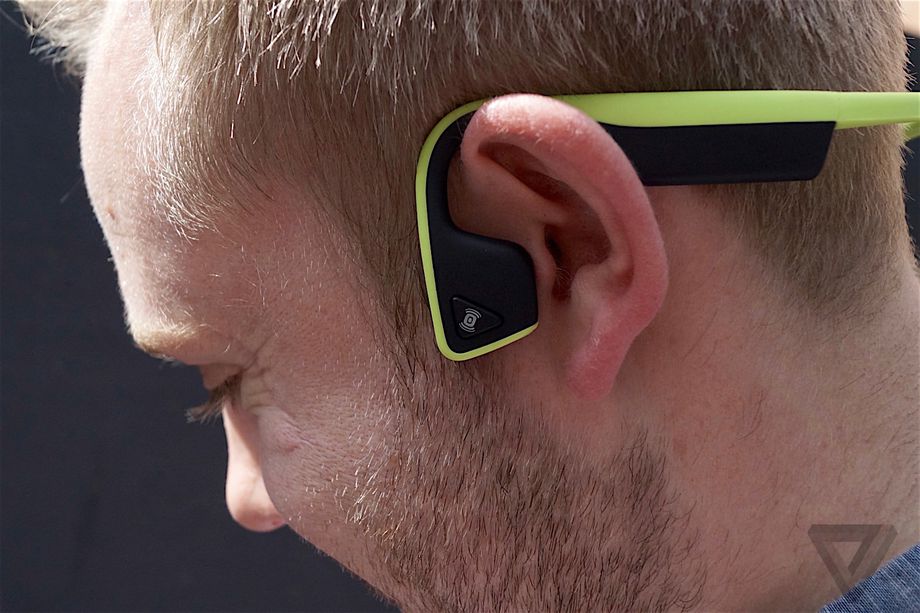
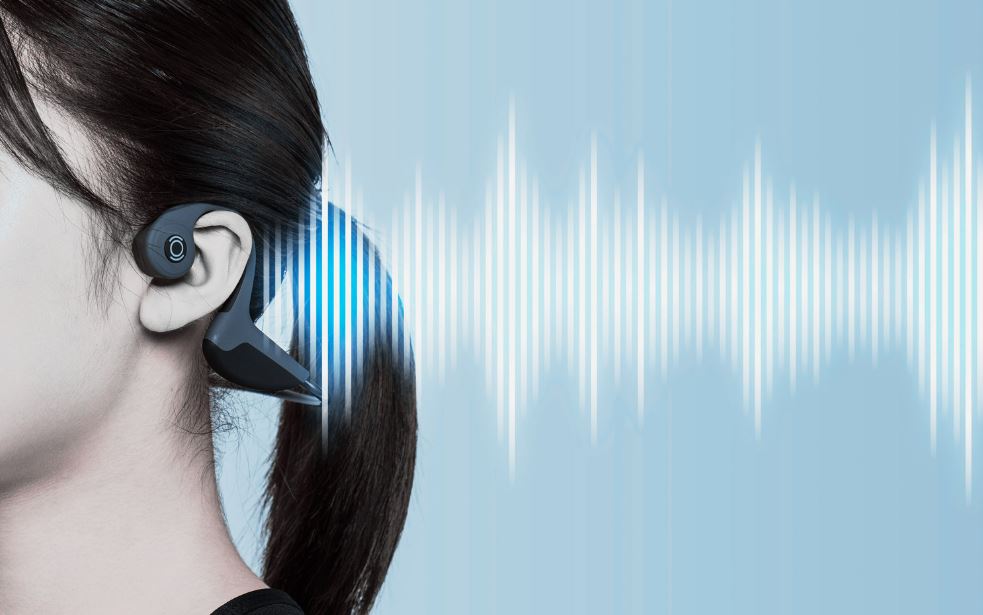
Bone conduction headphones sit near your cheekbones, usually just in front of your ears. They use small transducers to create vibrations. These vibrations travel through the bones in your skull and reach the inner ear, where your brain processes them as sound.
Traditional headphones send sound through the outer ear and ear canal. Bone conduction models take a different path. Your ears remain open, which lets you hear traffic, people, alarms, and other sounds around you.
This design explains both their appeal and their limits. Bone conduction headphones sound good for clear speech and light music, but they usually cannot match the full sound of quality in-ear or over-ear headphones.

Do Bone Conduction Headphones Sound Good for Music?
Bone conduction headphones sound good for music when you value awareness and comfort more than strong bass or fine detail. You can hear vocals, guitars, podcasts, and many pop songs clearly. The sound often feels light and slightly distant, almost like a small speaker near your ears.
The biggest weakness is bass. Low notes need strong air movement and a good seal to feel powerful. Since bone conduction headphones do not cover your ears, bass often sounds softer and less deep than it does through earbuds.
Music quality also changes with the fit. The transducers must sit in the right place near your cheekbones. If the band is too loose or sits too far back, the sound may become thin or quiet.
They work well for:
• Walking and running outdoors
• Listening to podcasts and audiobooks
• Background music at work
• Hearing navigation prompts
• Casual music during travel
They are less suited to:
• Critical music listening
• Bass-heavy hip-hop and electronic music
• Mixing and studio work
• Watching movies with cinematic sound
• Loud indoor spaces
In hands-on comparisons, the difference is clear. A good pair of open-ear headphones can sound pleasant, but a sealed earbud usually delivers more detail, punch, and separation.
What Affects Bone Conduction Sound Quality?
Several factors decide whether bone conduction headphones sound good. The product itself matters, but so do fit, volume, surroundings, and your hearing preferences.
Fit and Position
Fit is one of the most important factors. The transducers should rest firmly against the bone in front of your ears. They should feel secure without creating painful pressure.
If the headphones move during a run, the sound may fade or become uneven. A poor fit can also create more sound leakage. Adjust the band, clean the contact points, and check the position before judging the audio.
Headphone Design
Different models use different transducers, materials, and digital signal processing. Premium models often provide clearer vocals, better control, and less vibration. Budget models may sound sharp, weak, or overly loud.
Look for features such as:
• Clear voice tuning
• A stable titanium or flexible frame
• Physical volume controls
• Water resistance for exercise
• Bluetooth multipoint support
• A microphone with noise reduction
Listening Environment
Open ears are helpful outdoors, but ambient noise can cover parts of the music. Traffic, wind, gym equipment, and crowded sidewalks may make the headphones seem quieter.
This can tempt you to increase the volume. That habit may reduce battery life and raise hearing risk. Move to a quieter place when possible instead of treating volume as the only solution.
Audio File and Device Quality
A poor recording will not sound better through expensive headphones. Your phone, streaming quality, Bluetooth connection, and app settings can all affect the result.
Turn off extreme equalizer settings at first. Test the headphones with several tracks that you know well. Use speech, acoustic music, rock, and bass-heavy songs to form a balanced opinion.

Advantages of Bone Conduction Headphones
Bone conduction headphones offer benefits that normal earbuds cannot provide. Their main strength is not audiophile sound. It is the way they fit into daily life.
Better Environmental Awareness
Your ears stay open, so you can hear a cyclist’s bell, a car horn, or a coworker speaking. This makes them useful for outdoor exercise and busy public spaces.
Open-ear listening does not make you completely safe. You still need to stay alert and keep the volume at a sensible level. However, the design gives you more awareness than sealed earbuds.
Comfort for Some Users
Many people dislike the pressure of ear tips. Others experience sweat, irritation, or ear canal discomfort after long use. Bone conduction models avoid direct contact inside the ear.
They may also help people who cannot wear traditional earbuds comfortably. Comfort varies, though. The band can press against the head, and some users notice vibration or tingling at high volume.
Useful for Calls and Speech
Bone conduction headphones often perform well with voices. Podcasts, navigation prompts, online meetings, and phone calls usually sound clear enough for daily use.
Microphone quality varies by model. Wind can still affect calls, especially during running or cycling. Check independent microphone tests if calls are a major reason for your purchase.
Good for Exercise
Most sports-focused models resist sweat and light rain. Their secure design also reduces the chance of losing an earbud during movement.
A good pair should stay in place while you turn your head, climb stairs, or run. Try moving around before buying if you can. Comfort during a five-minute test may differ from comfort after an hour.

Limitations You Should Know
The answer to “do bone conduction headphones sound good” is not always yes. Their open design creates trade-offs that matter to some listeners more than others.
First, sound leakage is common. People nearby may hear faint music, especially when you raise the volume. This can be distracting in a quiet office, library, or airplane.
Second, loud environments reduce clarity. Since the headphones do not block outside noise, a subway or busy gym may overpower the audio. Noise-canceling earbuds usually perform better in these settings.
Third, deep bass is limited. Some models use extra bass technology, but they still cannot create the same sealed, physical low-end response as in-ear headphones.
Other possible drawbacks include:
• Less detail in complex music
• Noticeable vibration at high volume
• Pressure from the frame during long sessions
• Shorter battery life on some models
• Lower volume in windy conditions
• Reduced privacy in quiet spaces
Bone conduction headphones sound good within their intended role. Problems usually appear when buyers expect them to replace premium earbuds for every situation.
Are Bone Conduction Headphones Safe?
Bone conduction headphones are generally designed to play audio at normal listening levels. They do not send sound directly through the ear canal, but that does not make them risk-free. The inner ear still receives the sound signal, and excessive volume can still damage hearing.
A practical rule is to use the lowest volume that lets you understand the audio. Take breaks during long sessions. If you notice ringing, muffled hearing, pressure, or pain, stop listening and lower the volume next time.
Open ears also do not remove outdoor risks. You should never treat headphones as a substitute for traffic awareness. Avoid using them at high volume near roads, crossings, construction sites, or places where you need to hear warnings.
For children or anyone with hearing concerns, ask a hearing professional for personal advice. Hearing needs differ, and a product review cannot replace a medical evaluation.

How to Make Bone Conduction Headphones Sound Better
You can improve the listening experience with a few simple changes. These steps will not create deep bass, but they can make voices and music clearer.
-
Place the transducers directly in front of your ears.
-
Adjust the band so it stays steady without pressing hard.
-
Clean sweat and oil from the contact points.
-
Start with a flat equalizer setting.
-
Increase mids slightly for clearer vocals if needed.
-
Use moderate volume instead of maximum volume.
-
Choose a quiet route when you want better music detail.
-
Charge the headphones fully before long trips.
-
Update the headphone firmware when the manufacturer provides one.
-
Compare several recordings before deciding whether the sound suits you.
One mistake I often see during product testing is judging open-ear headphones after wearing them in the wrong position. A tiny adjustment can make speech sharper and the entire sound more balanced. Give the fit a few minutes before changing equalizer settings or returning the product.
Bone Conduction Headphones Compared With Other Types
The best choice depends on your main goal. No single headphone design wins in every category.
| Headphone type | Main strength | Main weakness |
|---|---|---|
| Bone conduction | Awareness and secure outdoor use | Weak bass and sound leakage |
| Open-ear air conduction | More natural sound with awareness | Less secure for some sports |
| In-ear earbuds | Detail, bass, and portability | Block the ear canal |
| Noise-canceling earbuds | Quiet listening and rich sound | Reduce environmental awareness |
| Over-ear headphones | Comfort, soundstage, and bass | Bulky and less practical for exercise |
Bone conduction headphones sound good when safety, awareness, and comfort lead your decision. In-ear models are usually better for music quality. Over-ear headphones are often best for long, relaxed listening at home.
Some listeners keep two pairs. They use bone conduction headphones for walks and workouts, then switch to earbuds or over-ear headphones for flights, music, and movies.
Who Should Buy Bone Conduction Headphones?
These headphones may suit you if you want to hear your surroundings while listening. They are especially useful for runners, cyclists, walkers, office workers, and people who dislike ear tips.
They can also help users who need frequent access to conversations. You can pause less often because your ears are not sealed. That simple benefit makes them feel natural in shared spaces.
They may not suit you if you want powerful bass, total privacy, or strong noise isolation. They are also a poor fit for anyone who expects a premium pair to sound exactly like high-end closed-back headphones.
Before buying, ask yourself:
• Do I exercise near traffic?
• Do ear tips cause discomfort?
• Do I mainly listen to speech or music?
• Will I use them in quiet or noisy places?
• Do I need strong bass?
• Do I need clear phone calls?
Your answers will tell you more than a product rating alone.
How to Choose a Good Pair
Start with the use case, not the brand name. A model built for runners may focus on stability and water resistance, while a model for office calls may prioritize microphone quality.
Check the following features:
Comfort
Look for a light frame and a shape that does not press painfully against your head. If possible, wear the headphones for at least 20 minutes before buying.
Water Resistance
For workouts, choose a model with a suitable sweat and water rating. Water resistance does not always mean full waterproofing. Follow the care instructions carefully.
Battery Life
Consider how often you can charge the headphones. A battery that lasts through your workday or training week is more useful than one with a long claim that does not match real use.
Controls
Physical buttons are often easier to use while running. Touch controls can be convenient, but sweat and accidental touches may cause problems.
Call Quality
Read reviews that test calls outdoors. A microphone can sound excellent in a quiet room but struggle badly in wind.
Return Policy
Sound and comfort are personal. A clear return policy lets you test fit, leakage, and audio without taking a large risk.
Frequently Asked Questions About Do Bone Conduction Headphones Sound Good
Do bone conduction headphones sound good for podcasts?
Yes, they usually sound good for podcasts because speech sits mainly in the midrange. Voices can remain clear, although traffic and wind may reduce intelligibility.
Do bone conduction headphones have good bass?
Most models have limited bass compared with sealed earbuds or over-ear headphones. They can deliver some low-end sound, but they usually do not provide a strong physical bass response.
Are bone conduction headphones good for running?
They are often very good for running because they stay outside the ear and let you hear your surroundings. Choose a secure, sweat-resistant model and keep the volume low enough to notice nearby hazards.
Can people hear what you are listening to?
Yes, some sound leakage is normal because the ears remain open. Leakage becomes more noticeable at high volume or in quiet rooms.
Do bone conduction headphones damage hearing?
They can still contribute to hearing damage if used too loudly or for too long. Open-ear design does not remove the need for safe volume levels and regular listening breaks.
Are bone conduction headphones better than earbuds?
They are better for awareness, comfort, and some types of exercise. Earbuds are usually better for bass, detail, noise isolation, and private listening.
Why do my bone conduction headphones sound quiet?
They may be positioned incorrectly, competing with loud background noise, or limited by your phone’s volume settings. Move the transducers closer to the cheekbones and test them in a quieter place.
Conclusion
Do bone conduction headphones sound good? Yes, when you use them for the right job. They provide clear speech, useful music, strong outdoor awareness, and a comfortable alternative to in-ear designs.
They do not match earbuds or over-ear headphones for deep bass, isolation, or detailed music. Treat them as a specialized listening tool rather than a universal replacement.
Think about where you listen, what you play, and how much outside sound you need to hear. Then compare fit, comfort, water resistance, call quality, and return policies before buying. If you have used bone conduction headphones, share your experience and help other readers choose with confidence.

Everett Ashford is a tech reviewer at mytechgrid.com specializing in SSDs, cameras, TVs, earbuds, headphones, and other consumer electronics. He provides honest, data-driven reviews based on hands-on testing and real-world performance analysis. Everett simplifies complex tech details to help readers make smart, confident buying decisions.